- Home
- Trend
- Weight Loss Strategies
- Acne Tips
- Hair Health Information
- Blemish Removal Tips
- Acne Scar Removal Tips
- Muscle Building Techniques
- Intimate Care Tips
- Postpartum Intimate Care
- Eye Bags Wiki
- Tips for Face Slimming
- Secret of Permanent Hair Removal
- Breast Enlargement Tips
- Cure to Snoring
- Marionette Lines
- Skin-Tightening Secrets

Some people get plenty of sleep and rarely stay up late, yet still suffer from dark circles, giving them a tired and dull appearance. The culprit? It might just be allergic rhinitis. If you’re well-rested and feel energetic, but your dark circles are only getting worse while your nose keeps running, there’s a good chance you’re dealing with allergy-induced dark circles.

The Traditional Chinese Medicine (TCM) Perspective on Allergic Rhinitis and Dark Circles

Studies show that 25% of Hong Kong residents suffer from allergic rhinitis. From a TCM perspective, it stems from both internal and external factors. Internally, issues arise when the lungs, spleen, and kidneys are weakened. Externally, cold, wind, and dampness invade the body and congest the nose.
TCM also believes that when these organs experience Qi deficiency, and cold-damp stagnation accumulates in the body and around the eyes, it can lead to dark circles. In particular, kidney deficiency may cause dark circles to appear more severe.
Symptoms of Allergic Rhinitis

Allergic rhinitis causes itchy eyes, conjunctival congestion, and swelling. The allergic response in the soft tissue around the eyes can impede venous blood flow, making the under-eye area appear puffy and dull. This is why it’s very common for people with allergic rhinitis to also have dark circles and under-eye bags.
Since its early symptoms resemble a cold, many people mistake it for a common cold and delay proper treatment. There are two types of allergic rhinitis:
• Perennial: symptoms can occur year-round.
• Seasonal: more common in spring and autumn due to windy, humid weather and increased pollen in the air.
Symptoms include itchy nose and throat, nasal congestion, sneezing, runny nose, watery eyes, red and itchy eyes, and in severe cases, headaches and sleep disturbances.
Allergic rhinitis may also worsen related conditions such as asthma, sinusitis, otitis media, nasal polyps, infectious rhinitis, sleep apnea, and eczema. Early diagnosis and treatment are crucial to prevent these complications.
免費體驗
R6 Miracle Eye Rescue Treatment
1 Minute Self-Registration
Date should not be before minimal date
How Allergic Rhinitis Leads to Dark Circles
When the body reacts to allergens, the nasal mucosa becomes inflamed and congested, leading to blocked airflow and even headaches. The persistent swelling can compress veins around the nose and under the eyes, obstructing blood flow and causing blood to pool under the skin.
Normally, the veins around the eyes drain through the nasal veins and return to the heart. But with allergic rhinitis, constant congestion impedes this drainage, forcing blood to pool around the eyes. This leads to puffiness, eye bags, and eventually pigment buildup, creating those classic “panda eyes.”
People with allergic rhinitis also tend to frequently blow their nose, which stretches and loosens the skin around the eyes, worsening the dark circles. Add to that the constant eye itching and rubbing, and the condition only gets worse. However, the good news is that with proper treatment, allergy-related dark circles can be improved or even eliminated.
What If You Have Both Allergic Rhinitis and Severe Dark Circles? Try These 8 Prevention and Relief Tips!
1. Boost your immune system
Exercise regularly to improve blood circulation and metabolism. This reduces the chances of your immune system overreacting to harmless substances, which in turn helps prevent the blood stagnation that causes dark circles.
2. Watch your diet
Avoid overly “heaty” foods, which may worsen sensitivity. Eat a balanced diet rich in antioxidants like vitamins C and E, which support skin health and reduce allergic responses that contribute to dark circles.
3. Get enough sleep
Lack of sleep is a known contributor to dark circles. Aim for 7–8 hours of quality sleep each night, maintain a regular sleep schedule, and avoid screens emitting blue light before bedtime to help the body recover and strengthen immunity.
4. Identify your allergens
To tackle allergy-induced dark circles, treat the root cause—your allergic rhinitis. Get tested to identify your allergens and avoid them. Use air purifiers indoors, and clean your carpets and bedding regularly with dust mite vacuums to reduce allergen exposure.
5. Take care of the eye area
Apply eye masks regularly to hydrate and tighten the skin. Use warm compresses to stimulate blood flow and massage pressure points like Fengchi, Baihui, Yingxiang, and Yintang. Avoid wearing contact lenses too long or staring at screens for extended periods.
6. Don’t rub your eyes
Rubbing stretches the delicate skin around the eyes, causing sagging and worsening blood pooling. Instead, close your eyes and rest if they feel dry or itchy, or distract yourself until the urge passes.
7. Use eye drops (with caution)
If your eyes feel dry or itchy, moisturizing eye drops can help. Choose formulas without steroids or preservatives, as prolonged use of certain ingredients can cause side effects like glaucoma.
8. Apply eye cream
Use eye creams with ingredients like vitamin C, vitamin E, or arbutin to gradually lighten dark circles. Consistency is key. Use vitamin C-based creams at night, and don’t forget SPF for the under-eye area in the morning to prevent pigmentation from worsening.
3 Effective Treatments for Allergic Shiners
1. Start by Treating Allergic Rhinitis
The first step to reducing allergy-induced dark circles is managing the underlying allergic rhinitis. Blood tests or skin allergy tests can help identify your specific triggers. Once the allergens are known, reduce your exposure to them in your daily environment.
Treatment typically starts with antihistamines. If symptoms are more severe, a doctor might prescribe a steroid nasal spray to ease congestion. Another option includes decongestant medications that reduce swelling in the nasal passages — but these should only be used short-term, as prolonged use can worsen congestion.
It’s crucial not to self-medicate, as improper use can cause side effects. Always consult a medical professional for proper diagnosis and prescription. Once nasal congestion and inflammation are under control, the related dark circles usually improve as well.
2. Laser or Intense Pulsed Light (IPL) Treatments
Laser and IPL treatments can help break up excess pigmentation, fading dark circles over time. However, these treatments emit heat and may cause mild discomfort or slight skin damage. Since the under-eye area is delicate, high-energy lasers may also pose risks to the eyes.
If your under-eye skin is loose or sagging, radiofrequency (RF) treatments — such as ultrasound-based options — are often recommended. These help stimulate collagen production and firm up the skin. Hyaluronic acid fillers can also be used to plump the area, reducing hollowness and making the skin appear brighter.
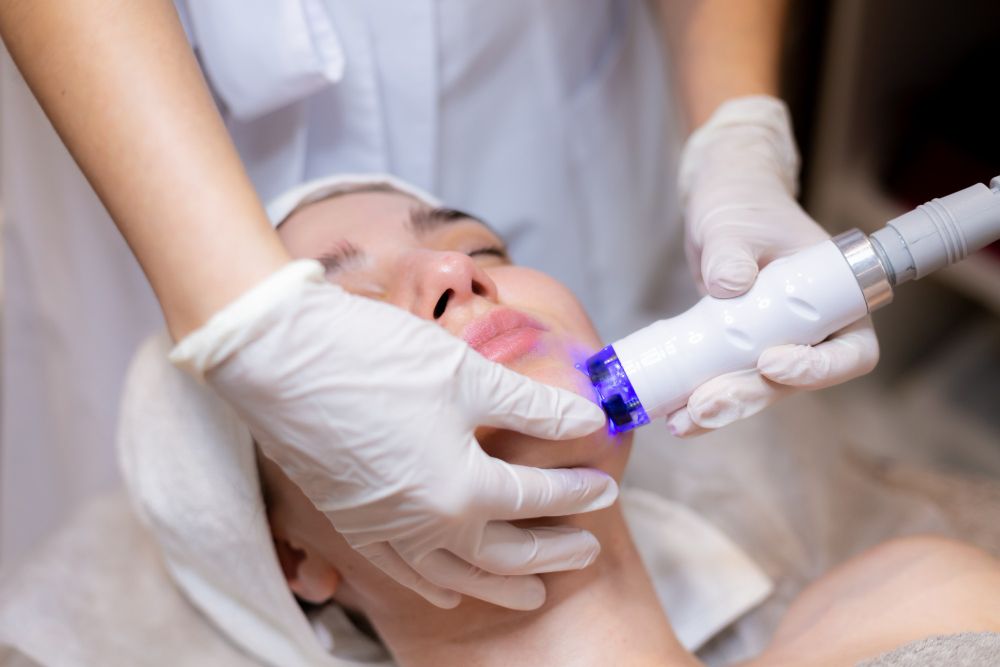
Among the many aesthetic treatments available, Perfect Medical’s R6 Miracle Eye Rescue Treatment stands out for its safety and reliability. It uses RF energy to break down fat and stimulate collagen around the eyes. Scroll to the end of the article to learn more about how it works and its benefits.
3. Surgery
If medications, desensitization, and nasal sprays don’t help, surgery may be considered. Minimally invasive procedures, performed with endoscopic guidance, allow doctors to clearly see inside the nasal cavity. Then, radiofrequency energy is used to cut specific allergy-related nerves and seal blood vessels to minimize bleeding.
These procedures typically require only local anesthesia and do not leave facial scars. Once the nasal allergy is resolved, the dark circles caused by it also tend to fade.
However, surgery does carry risks — such as breathing difficulties or worsened snoring — so it’s usually a last resort. Whenever possible, it’s better to try non-surgical methods first.
免費體驗
R6 Miracle Eye Rescue Treatment
1 Minute Self-Registration
Date should not be before minimal date
Severe Nasal Allergies? Allergic Shiners So Bad They Shock People? — Try Perfect Medical’s R6 Miracle Eye Rescue Treatment!
Allergy-induced dark circles can feel hopeless — you’re already struggling with congestion, sneezing, and discomfort, and now your under-eyes look constantly tired and dull. Start by managing your nasal allergies. During recovery, you can also pair it with Perfect Medical’s R6 Miracle Eye Rescue Treatment, which uses RF (radiofrequency) energy to dissolve excess fat around the eyes, boost collagen production, and brighten the darkened under-eye area — leaving your eyes looking refreshed and more awake.
RF energy also helps firm up sagging skin, making the eye area appear younger and tighter. The R6 treatment is completely non-invasive and painless, with no downtime or redness, and you can return to your normal routine right after the session.
Want to try it yourself? Click the link below to book a free trial of the full treatment and experience the transformation firsthand!
免費體驗
R6 Miracle Eye Rescue Treatment
1 Minute Self-Registration
Date should not be before minimal date
FAQ

How can I tell if I have allergic rhinitis?
Allergic rhinitis shares some symptoms with the common cold and sinus infections — such as nasal itching, warmth, runny nose, congestion, sneezing, and breathing difficulties. If nasal mucus drips down the throat, it may also cause coughing or a scratchy throat. Unlike a cold, allergic rhinitis isn’t contagious, but it tends to flare up repeatedly and symptoms often last for more than 2 days or over an hour each day. If you get enough sleep, don’t stay up late, and still constantly have nasal discomfort along with serious dark circles, eye bags, asthma, or conjunctivitis — there’s a strong chance you have allergic rhinitis. But for an accurate diagnosis, consult an ENT specialist.
What should I do if I’ve been diagnosed with allergic rhinitis?
You’ll need to identify your specific allergens — such as pollen, dust, mold, dust mites, or pet dander — and begin targeted desensitization treatment. At home, reduce allergen exposure: Keep your home clean. Wash towels, pillowcases, and bedsheets frequently. Sun-dry your bedding to kill bacteria and prevent mold. Maintain good ventilation and reduce indoor humidity to stop insect and mold growth.
What does the nasal mucosa do, and how does it affect allergies?
The nasal mucosa produces mucus to keep your nasal passages moist and helps filter incoming air — trapping dust, bacteria, viruses, and pollen. These particles are carried with the mucus to the throat and swallowed into the stomach. Under normal conditions, this doesn’t cause any problems. But during an allergic reaction, mucus production ramps up, leading to symptoms like a runny nose, sneezing, and congestion. Severe cases may be accompanied by complications such as asthma or eczema.
How does acupuncture help with allergic rhinitis, and who should avoid it?
Acupuncture, a traditional Chinese therapy, treats nasal allergies by targeting key acupoints to improve blood and energy flow, boost immunity, and reduce allergic responses. It can ease symptoms like congestion, sneezing, and nasal discharge. However, acupuncture is not suitable for everyone. People who should avoid it include: Those with blood clotting disorders. People with serious chronic conditions or weak heart/lung function. Pregnant or breastfeeding women. Children. Anyone with allergies to acupuncture needles or sensitive skin. Always inform your acupuncturist of your health condition in advance and seek treatment only from qualified professionals.
What should I know before using nasal sprays?
There are several types of nasal sprays that help with allergies, but each comes with different uses and side effects: Steroid sprays are suitable for moderate to severe symptoms and should be used when oral meds aren’t enough. They’re typically used for 2 weeks but may cause stinging, burning, itching, swelling, dryness, nosebleeds, or throat irritation. Overuse may increase glaucoma risk. Decongestant sprays offer fast relief but should be stopped once the congestion improves. Using them for more than a week can raise blood pressure and worsen symptoms. Saline sprays are drug-free, help kill bacteria, and flush out mucus and irritants. No matter which type you use, always follow a doctor’s prescription and read the label carefully — especially if preservatives or harsh ingredients are present.