- Home
- Trend
- Weight Loss Strategies
- Acne Tips
- Hair Health Information
- Blemish Removal Tips
- Acne Scar Removal Tips
- Muscle Building Techniques
- Intimate Care Tips
- Postpartum Intimate Care
- Eye Bags Wiki
- Tips for Face Slimming
- Secret of Permanent Hair Removal
- Breast Enlargement Tips
- Cure to Snoring
- Marionette Lines
- Skin-Tightening Secrets

Can drinking papaya fish soup after your period really make your breasts bigger? Does eating pig’s trotters boost your bust or just your weight? And what are the risks of breast injections?
Here’s your ultimate breast enhancement cheat sheet! We’ll break down popular methods, reveal the science behind them, and share one safe and natural way to enhance your curves effectively.

Bust Creams + Papaya Soup – Do They Actually Work?
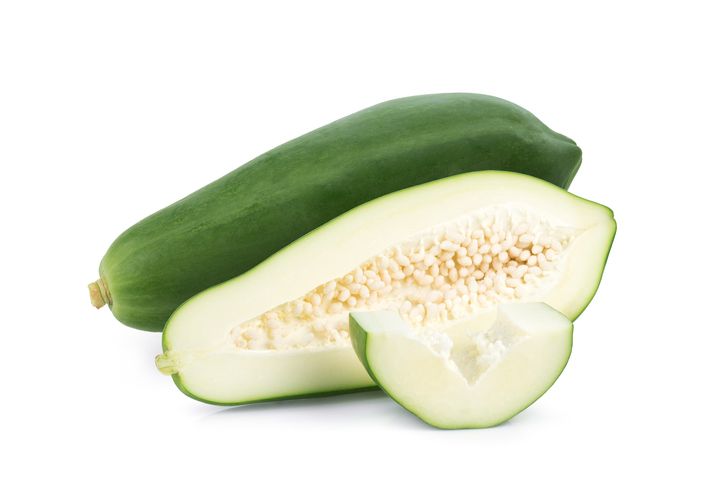
For many women with smaller chests, applying bust cream daily while drinking papaya fish soup feels like the ultimate “inside-out” natural breast enhancement method. It’s a DIY combo that promises results without medical treatments.
But let’s be honest—after weeks of massage with cream and eating collagen-rich foods, have you really noticed a difference? Did you actually go up a cup size? Or maybe not even see any reduction in armpit fat?
Truth is, the words “natural” and “food therapy” show up in nearly every bust-enhancement discussion—but that doesn’t mean they guarantee results. So, what really works? First, let’s understand the structure of the breast.
Before Any Treatment: Know Your Breast Structure
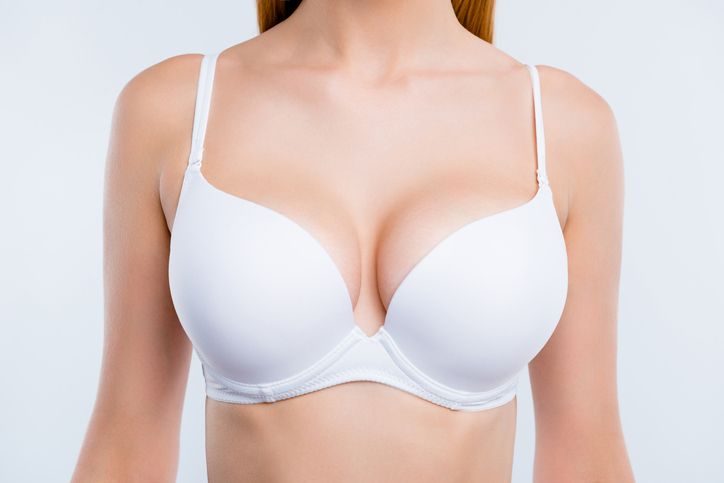
We often hear that breasts are mainly made of fat. That’s only half true. Breast size is also determined by the volume of mammary glands and the size of your chest muscles.
Breast anatomy includes:
• Pectoralis major and minor muscles (at the base)
• Mammary glands (wrapped in fat tissue)
• Blood vessels and nerves (minimal effect on breast size)
免費體驗
B6 Bust Enhancement Treatment
1 Minute Self-Registration
Date should not be before minimal date
What Actually Determines Breast Size?
From structure, we now see that it’s not just about adding fat. Breast size depends on three key factors:
1. Number and size of mammary glands
2. Number and size of fat cells
3. Chest muscle development
Since women build muscle more slowly than men, it’s hard to rely on strength training alone. That’s why most non-surgical breast enhancement focuses on the first two: boosting mammary tissue and breast fat.
The Three Hormones That Control Your Bust
1. Estrogen: Most non-surgical bust treatments claim to “stimulate estrogen.” Estrogen enlarges fat cells in the breasts, promotes fat storage there, and supports healthy mammary duct growth—but it doesn’t make you produce more milk. (Fun fact: in men, too much estrogen causes man boobs!)
2. Progesterone: This is why your breasts swell or feel sore during your cycle. Progesterone helps form small glandular sacs in the mammary tissue—but the effect is temporary and doesn’t equal real growth.
3. Prolactin: This hormone drives milk production after childbirth. It also causes breasts to enlarge temporarily due to engorgement. Some women keep 1–2 cup sizes after breastfeeding, but prolactin-based growth isn’t sustainable or controllable.
The “Golden Ratio” of Perfect Breasts
Size isn’t everything—proportion and shape matter too. Studies show most women think a C cup is the ideal size: feminine yet balanced. But even among C cups, some look more attractive than others.
• Perfect Triangle Test: Draw a triangle from the center of your collarbone to each nipple. If it’s equilateral (18–20cm per side), you’ve got ideal proportions.
• “Teardrop Breasts”: The modern beauty standard. One-third of breast volume above the nipple, two-thirds below—creating a natural, teardrop shape that’s both perky and elegant.
免費體驗
B6 Bust Enhancement Treatment
1 Minute Self-Registration
Date should not be before minimal date
Foods Claimed to Enhance Bust Size
Many so-called “natural bust foods” come from traditional wisdom—soy milk, papaya soup after your period, collagen-rich dishes, etc. But do they really work, or are they just placebos? Let’s take a closer look.
1. Green Papaya / Papaya Fish Soup / Papaya Milk
Papaya is rich in papain enzyme, which helps digest protein but has no proven link to breast growth. It also contains beta-carotene (vitamin A precursor), but the conversion rate is tiny and used by the whole body—not specifically the chest. Overeating papaya might even turn your skin yellow! Pairing it with fish or milk only adds protein, which supports overall nutrition, not targeted breast growth.
2. Soy Milk
Soy contains isoflavones, a plant-based estrogen. This is why soy is often praised for bust enhancement. While it can influence estrogen levels, results vary widely. Some women see no change, while others experience side effects like acne, breast tenderness, or even fibroid risks.
3. Eggs
A true bust-friendly food—because of their high protein. Protein builds muscle (including pecs), helping breasts look firmer when combined with strength training. But eggs won’t “fill up” breasts with fat on their own, and too many eggs without exercise can just add calories.
4. Pig’s Trotters, Fish Skin, Collagen-Rich Foods
The idea is “eat collagen, grow collagen.” But collagen from food breaks down into amino acids, which your body uses everywhere—not specifically in your breasts. Nutritionists agree these foods are high-calorie and low in real benefit. At best, they might make you gain weight all over, not just in your chest.
5. Traditional Chinese Medicine (TCM) Soups & Herbs
TCM views breast health as linked to qi, blood circulation, and organ balance (spleen, kidney, liver). Stress, poor sleep, and sugary cold drinks can block energy flow, leading to poor breast development or sagging. TCM treatments are usually tailored for long-term body balance, which may indirectly support fuller breasts.
Which Breast Enhancement Treatments Actually Work? Non-surgical, Non-invasive Treatments
1. Traditional Chinese Medicine (TCM) Breast Acupuncture
Aside from herbal soups and tonics, TCM believes that certain acupressure points around the chest can help improve blood flow and microcirculation. With proper stimulation—either through massage or acupuncture—these points may help enhance the bust naturally, without invasive procedures. Commonly used acupoints include Tanzhong, Rugen, Dabao, Qimen, Ruzhong, and Shenfeng.
To improve digestion and promote healthy blood production, other acupoints such as Yingchuang, Tianxi, and Zusanli are often targeted. TCM practitioners note that simple self-massage with the thumbs for 5–10 minutes per point, once a day for at least three months, may yield results. However, acupuncture should only be performed by a licensed TCM practitioner—never attempt it on your own.
2. Breast Creams, Serums, and Essential Oils + Massage
Many women with smaller busts have tried commercial breast creams, serums, or oils that promise visible results, often pairing them with home massage. Unfortunately, most abandon the practice after seeing little to no change. These products usually contain natural botanical extracts, and some even include capsaicin to create a warming sensation, marketed as "boosting circulation."
In reality, the main benefit of such creams and oils is providing lubrication and hydration during massage to prevent skin friction and irritation. The so-called “active” molecules that claim to enlarge breasts are often too large to penetrate the skin barrier, remaining only on the surface as moisturizers. While breast massage may improve circulation and lymphatic drainage, whether you use a cheap or expensive cream makes little difference to results.
3. Shapewear and Corrective Bras
Some women go a step further by investing in corrective bras or shapewear to sculpt their silhouette. These garments use structural support and compression to push fat into the "right places," reduce side spillage, and enhance cleavage by gathering fat toward the bust.
However, this is not a scientific method. For visible results, corrective bras must be worn consistently. Since most women don’t wear them at work or while sleeping, they only have them on for a few hours per day. The moment the bra comes off, the fat returns to its original position, making long-term enhancement unlikely.
Invasive Breast Enhancement Procedures
1. Breast Injections
Among invasive options, breast injections are often heavily promoted as safe and effective, offering instant and semi-permanent results. The most common types include hyaluronic acid, PAAG (polyacrylamide hydrogel), or a mixture of both.
However, serious complications have been reported, usually due to the type of filler used or incorrect injection techniques. Ideally, injections should be placed above the chest muscle but beneath the mammary glands. If placed incorrectly, risks include hard lumps, inflammation, fluid accumulation, or even migration of the filler.
While hyaluronic acid can be absorbed naturally by the body, PAAG cannot. PAAG may shift into breast tissue, fuse with muscle, or migrate to the armpits or abdomen, creating tumor-like lumps that may require surgical removal. In severe cases, parts of the breast may need to be excised. The risks and side effects are extremely high, making breast injections unsafe to attempt.
2. Autologous Fat Transfer (Fat Grafting)
This procedure is sometimes misleadingly marketed as “natural breast injections.” It involves extracting fat from one area of the body, purifying it, and then injecting it into the breasts.
While it sounds ideal—liposuction plus breast enhancement in one—the risks are significant. Even if some of the injected fat survives, it often gets reabsorbed by the body within a year. The remaining fat may calcify into hard nodules, known as “breast stones,” which require surgical removal. Unfortunately, these nodules often recur, meaning multiple surgeries may be needed. Moreover, removing them can leave the breasts uneven, requiring additional implant surgery for correction.
In short, fat transfer may sound appealing, but it often leads to complications that cause lifelong regret.
免費體驗
B6 Bust Enhancement Treatment
1 Minute Self-Registration
Date should not be before minimal date
The Safer Alternative: B6 Breast Enhancement Treatment
Many women try quick fixes like padded bras, corrective shapewear, or invasive procedures in hopes of achieving instant results. Yet injections and fat grafting carry high risks, while creams, massages, and herbal remedies often deliver inconsistent or very slow effects.
If you’re looking for a safe, non-invasive, and effective solution, the B6 Breast Enhancement Treatment may be your best choice.
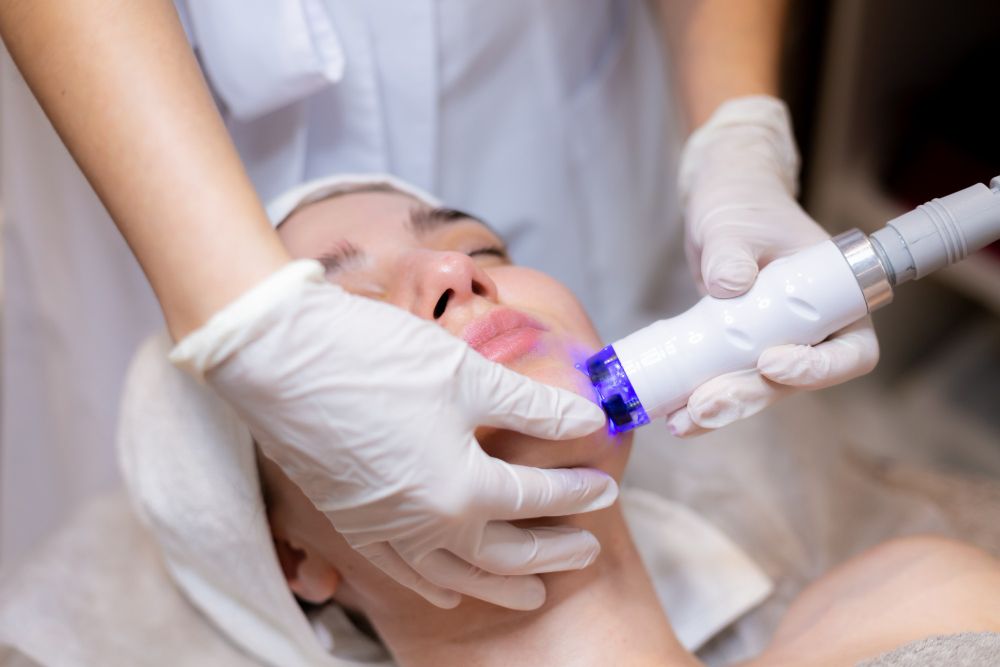
This treatment uses advanced non-invasive technology to gently stimulate acupressure points on the chest, activate mammary glands, and encourage natural estrogen production. It also boosts blood and lymphatic circulation, delivering more nutrients to the breast tissue. As a result, the breasts become fuller naturally.
In addition, it helps reposition fat from the back and sides toward the bust, improving breast firmness, lifting sagging tissue, and correcting common concerns such as asymmetry, side spillage, and underdeveloped cleavage.
Learn more about Perfect Medical’s B6 Advanced Breast Enhancement Treatment by clicking the link below! First-time trial sessions are now available for a limited period.
免費體驗
B6 Bust Enhancement Treatment
1 Minute Self-Registration
Date should not be before minimal date
FAQ

What determines breast enhancement results?
Breast size and shape depend on three main factors: The amount and size of mammary glands. The number and size of fat cells. The chest muscle beneath the breast. Since women typically build muscle at a slower rate, most breast treatments focus on enhancing glandular tissue and fat cells rather than muscle growth.
What is the ideal breast shape? What is a teardrop breast?
The golden ratio for breasts is an equilateral triangle formed by the midpoint of the collarbone and both nipples, with each side measuring about 18–20 cm. A teardrop shape means the upper breast accounts for one-third of the volume, while the lower portion makes up two-thirds—creating a naturally rounded, desirable contour.
Does green papaya, papaya soup, or papaya milk really enhance the bust?
Papaya is often believed to have breast-enhancing effects due to its enzyme, papain. However, papain mainly helps break down protein for better digestion—it does not directly enlarge the breasts. Papaya also contains beta-carotene, which converts to Vitamin A. While Vitamin A supports skin renewal and collagen production, the conversion rate is low, and its effects are distributed throughout the body, not targeted at the breasts. Pairing papaya with high-protein foods may indirectly support breast health, but papaya alone has little direct impact.
What are breast injections, and why are they risky?
Breast injections typically use hyaluronic acid, PAAG, or both. Hyaluronic acid can be absorbed naturally, but PAAG often migrates into breast tissue or muscle, forming lumps that resemble tumors. These may cause inflammation, fluid buildup, or long-term complications requiring multiple surgeries.
What is the most effective natural breast enhancement method?
Since creams, massages, and herbal remedies take too long and invasive surgeries carry major risks, the B6 Breast Enhancement Treatment stands out as a safe and effective option. By stimulating acupoints, promoting estrogen release, and improving circulation, it helps nourish breast tissue naturally while correcting issues like sagging, asymmetry, and side spillage.