- Home
- Trend
- Weight Loss Strategies
- Acne Tips
- Hair Health Information
- Blemish Removal Tips
- Acne Scar Removal Tips
- Muscle Building Techniques
- Intimate Care Tips
- Postpartum Intimate Care
- Eye Bags Wiki
- Tips for Face Slimming
- Secret of Permanent Hair Removal
- Breast Enlargement Tips
- Cure to Snoring
- Marionette Lines
- Skin-Tightening Secrets

Are nasolabial folds (smile lines) just a sign of aging? As we enter our mature years, the elasticity, firmness, and fullness of our facial skin naturally decline, often resulting in visible nasolabial folds. Their presence not only gives a more serious expression but also adds years to your visual age.
But why do some people develop nasolabial folds at a young age, while others maintain smooth, firm skin even into their 40s or 50s? Aging is just one factor. To truly prevent and improve nasolabial folds, we first need to understand their causes and types. Only then can we choose the right approach to stop wrinkles from forming, rather than rushing into fillers or injections!

Five Main Causes of Deep Nasolabial Folds
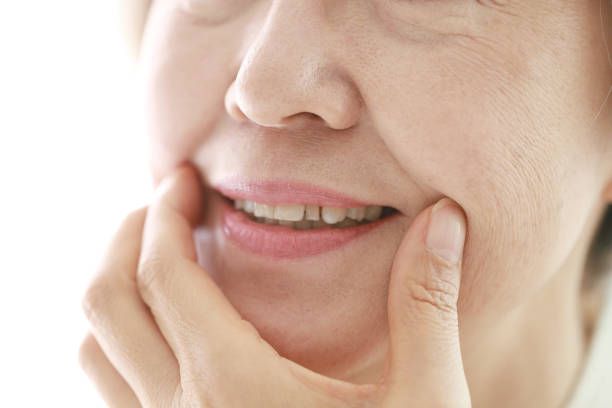
Nasolabial folds, also called smile lines, puppet lines, or “eight-character” lines, run from the sides of the nose down to the corners of the mouth, forming the most noticeable lines around the nose and mouth. Medically, they’re known as the nasolabial sulcus, essentially the crease created by height differences between the nose, lips, and cheeks. So having some lines is a normal physiological phenomenon.
However, for many women, these lines are a skincare concern. Here are five main reasons why nasolabial folds form:
1. Overly expressive facial movements
Nasolabial folds are often called smile lines, showing a direct connection to facial expressions. Facial muscles contract whenever we make expressions. Repeated exaggerated expressions—like frequent laughing, frowning, or raising eyebrows—overstretch the cheek muscles, leaving a muscle memory in the skin that gradually forms folds.
2. Genetic predisposition
Unfortunately, nasolabial folds can also be influenced by genetics. Some people are born with deeper folds due to hereditary factors. Structural facial features, such as a recessed nose base, misaligned jaw (overbite), or high cheekbones, can also make nasolabial folds more pronounced.
3. Skin aging and sagging
As we age, collagen diminishes and facial muscles weaken. Loss of collagen and elastin causes sagging skin, sunken cheeks, and disappearing facial contours, gradually deepening nasolabial folds.
4. Pollution and UV damage
UV rays and air pollutants accelerate skin aging, hinder metabolism, and promote collagen breakdown. This results in sagging muscles, reduced elasticity, and more prominent lines—including nasolabial folds.
5. Poor sleep posture
We spend roughly a third of our lives sleeping, so correct sleep posture is crucial. Side-sleeping or positions that press against the face can cause premature wrinkles and deepen existing folds.
The Three Types of Nasolabial Folds

1. Muscle type
Caused mainly by frequent facial expressions. The contraction of the mouth and cheek muscles leads to repeated creasing, forming muscle-type folds.
2. Aging type
Resulting from collagen loss and reduced skin elasticity. Common in mature adults, these folds often appear alongside puppet lines.
3. Depressed/congenital type
Related to natural facial structure, such as high cheekbones or misaligned jaws. To identify, lie down and check if the folds remain visible. Persistent folds suggest a congenital/deep type.
免費體驗
Thermage FLX 5th Generation Face Lift Treatment
1 Minute Self-Registration
Date should not be before minimal date
Six Key Tips to Prevent and Reduce Nasolabial Folds
1. Control facial expressions – Avoid exaggerated expressions that overstretch facial muscles.
2. Moisturize skin – Hydration maintains skin elasticity and prevents folds from worsening.
3. Apply sun protection – SPF 30+ sunscreen shields against UV damage that accelerates aging.
4. Maintain proper sleep posture – Prefer lying on your back to reduce pressure on facial skin.
5. Facial massage – Daily massage with serums or creams can relax muscles and improve circulation, helping to reduce lines.
6. Exercise facial muscles – Simple facial exercises, like blowing air, can strengthen muscles around the mouth and cheeks.
Five Common Treatments for Nasolabial Folds
1. Collagen supplementation
While supplements (oral or topical) can support skin health, their direct effect on deep nasolabial folds is limited.
2. Hyaluronic acid injections
Fillers smooth and support the nasolabial crease. Results are fast but temporary, and overuse can distort facial harmony.
3. Botox
Botox relaxes overactive muscles causing dynamic folds. Effective mainly for muscle-type folds, but may risk stiffness or unnatural expressions.
4. Protein thread lifts
Invasive thread-lifting stimulates collagen and lifts sagging skin. Offers immediate results but carries longer recovery time and potential side effects.
5. Needle-free thread lifts
Non-invasive, zero-recovery treatment using ultrasound energy to stimulate collagen regeneration and lift sagging skin, improving the appearance of folds and contouring the face.
Knock Out Visible Nasolabial Folds with Thermage FLX 5th Generation Face Lift Treatment!
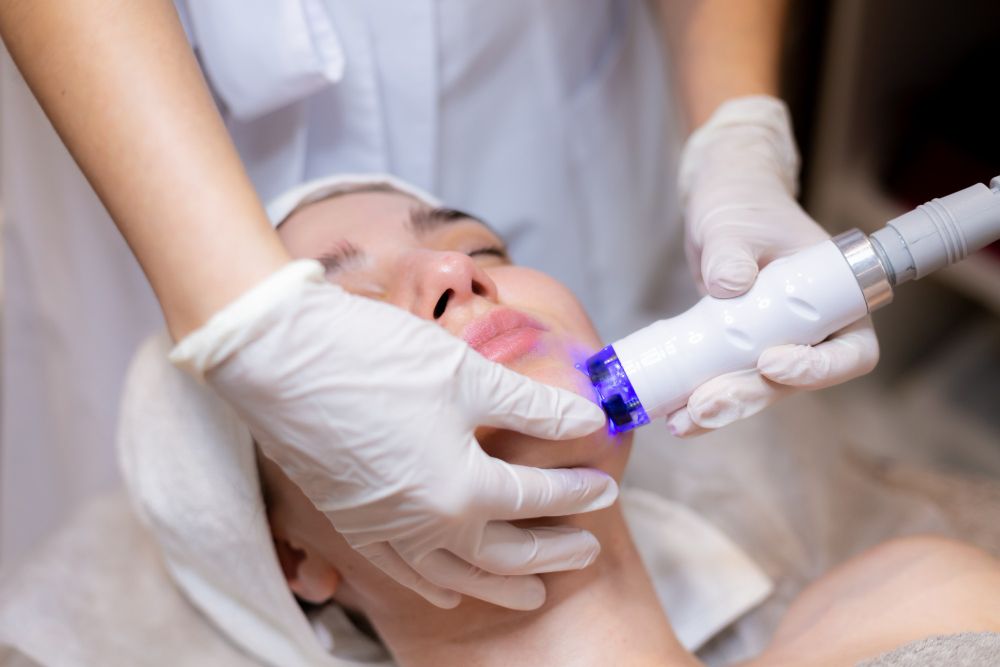
For a high-impact anti-aging solution, Thermage FLX 5th Generation Face Lift Treatment offers advanced collagen-stimulating technology. Using patented radiofrequency energy, it penetrates deep into the skin to heat the underlying tissue, triggering natural collagen regeneration and elastin repair.
This treatment lifts sagging cheeks, smooths nasolabial folds, and improves overall skin elasticity—giving a firmer, tighter, and more youthful appearance without needles or downtime.
Special offer: Sign up online now for a free trial of Thermage FLX 5th Generation Face Lift Treatment and experience the visible lifting and smoothing effect for yourself!
免費體驗
Thermage FLX 5th Generation Face Lift Treatment
1 Minute Self-Registration
Date should not be before minimal date
FAQ

Are nasolabial folds related to sagging cheeks?
Yes. As cheek fat and collagen diminish, the once-full apples of the cheeks sag, contributing to deeper folds.
Why do young people develop nasolabial folds?
Genetics and facial structure play the largest role. Even young adults may develop folds if predisposed.
What causes folds to worsen?
Daily habits like side-sleeping, excessive facial expressions, and collagen loss gradually deepen folds, turning dynamic lines into static ones.
How to prevent folds?
Early skincare is key: moisturizing, sun protection, and maintaining collagen can delay the onset and severity of folds.
How does Thermage FLX 5th Generation Face Lift Treatment remove folds?
By stimulating collagen production and lifting sagging skin, this non-invasive treatment reduces nasolabial folds, lifts cheeks, and restores youthful facial contours.