- Home
- Trend
- Weight Loss Strategies
- Acne Tips
- Hair Health Information
- Blemish Removal Tips
- Acne Scar Removal Tips
- Muscle Building Techniques
- Intimate Care Tips
- Postpartum Intimate Care
- Eye Bags Wiki
- Tips for Face Slimming
- Secret of Permanent Hair Removal
- Breast Enlargement Tips
- Cure to Snoring
- Marionette Lines
- Skin-Tightening Secrets

A-Retinol has recently become a trending skincare ingredient, praised for its skin-repairing effects and as a rising anti-aging hero. Retinol is the gentlest member of the vitamin A family. Many in the beauty community know of its existence and effects, but not everyone uses it correctly—so results can vary. To help you avoid missteps, we’ve compiled a complete guide to Retinol, including its five major benefits and how to use it safely and effectively.

What is Retinol?
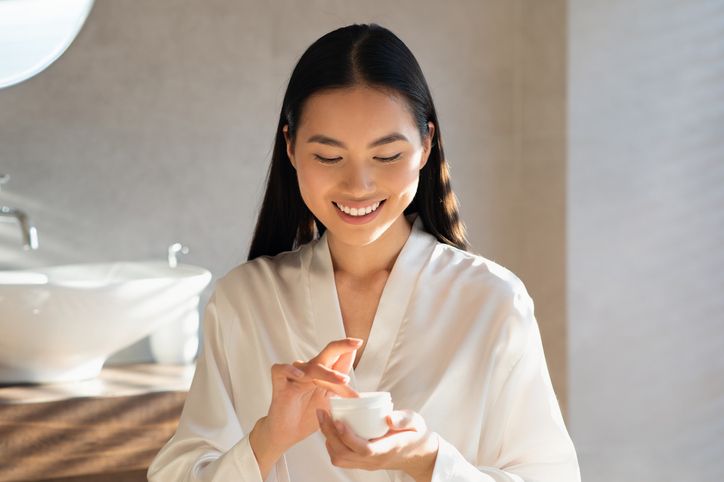
Retinol (Vitamin A1, or Retinol) is a popular anti-aging ingredient that has gradually become widely used in skincare. Many cosmetic products now include Retinol as a key component. It is a derivative of vitamin A and, among vitamin A ingredients, is known for being low-irritation yet highly stable—a versatile skincare powerhouse. You often find Retinol in tightening serums and anti-aging treatments.
Though Retinol has been known for many years, it became widely popular in the beauty world around 1980. By 2002, major cosmetic companies began applying for international patents for Retinol products. Data shows that with the rise of the “Vitamin C in the morning, A at night” trend in 2019, searches for Retinol skyrocketed, making it a household name today.
“Vitamin C in the Morning, A at Night” – a next-generation skincare method?

If you’re a skincare enthusiast, you’ve probably heard of “morning C, night A,” but few know how to do it correctly. This method means using vitamin C products during the day and switching to vitamin A products, like Retinol, at night. The approach strengthens your skin barrier during the day and supports nighttime skin repair and detoxification while you sleep. Demand for Retinol products has grown alongside this trend.
免費體驗
Thermage FLX 5th Generation Face Lift Treatment
1 Minute Self-Registration
Date should not be before minimal date
Is Retinol suitable for everyone?
Although Retinol is celebrated for its benefits, it’s not suitable for all skin types. High-risk users include people with hormonal imbalances, especially breastfeeding mothers, and pregnant women. During hormonal fluctuations, the skin tends to be sensitive and unstable, limiting Retinol’s effectiveness.
Sensitive, oily, or acne-prone skin types should start with low-concentration Retinol products to build tolerance before integrating it fully into their routine.
Retinoic Acid vs Retinal vs Retinyl Esters vs Retinol: Meet the Vitamin A Family
1. Retinoic Acid (Tretinoin)
Retinoic acid is the more potent partner to Retinol in the vitamin A family. It was first used medically in 1962 for cancer treatment but later discovered to have powerful skincare effects, including anti-inflammatory, acne-fighting, wrinkle-smoothing, and firming properties. Retinoic acid is highly effective but also more irritating, so it requires professional dermatological guidance.
2. Retinal (Retinaldehyde)
Retinal is closely linked to retinoic acid—it can convert to retinoic acid in the skin and vice versa. It’s less irritating than retinoic acid and can be used at home safely, though its anti-aging and acne effects are milder. Choose retinal if you prioritize gentler results over speed.
3. Retinyl Esters
Retinyl esters are the mildest, least irritating vitamin A derivatives, commonly found in anti-aging and firming products. They help repair sun-damaged skin and slow aging. Ideal for sensitive skin, retinyl esters convert to retinoic acid only when in contact with water, so effects appear gradually.
4. Retinol
Retinol is the focus of this guide! Recommended for most skin types, it’s suitable for beginners without overly sensitive skin. Many users incorporate Retinol into their “morning C, night A” routine, reporting visible improvements in skin texture, pigmentation, inflammation, acne, and fine lines.
5. Why do they all eventually convert to Retinoic Acid?
While all vitamin A derivatives eventually convert to retinoic acid in the skin, using Retinoic Acid directly isn’t always safe for everyone. Think of it like a key (vitamin A derivative) fitting a lock (skin receptor). Retinoic acid is a strong key that can overstimulate the lock, especially on sensitive or acne-prone skin. Using gentler derivatives allows your skin to build tolerance and enjoy benefits safely.
Recommended Retinol Products
For regular skincare enthusiasts, Retinol is familiar in serums and creams, usually lightweight, non-greasy, and easily absorbed. Benefits include reducing acne, wrinkles, dark spots, and uneven skin tone.
In Hong Kong in 2023, top-rated Retinol products include:
• Shiseido Tightening Anti-Wrinkle Serum
• Kiehl’s Clearly Corrective Serum
• Darphin Revitalizing Serum
免費體驗
Thermage FLX 5th Generation Face Lift Treatment
1 Minute Self-Registration
Date should not be before minimal date
5 Key Benefits of Retinol
1. Anti-Wrinkle & Firming
Retinol helps prevent signs of aging by preserving collagen and smoothing fine lines, keeping skin plump and youthful even after age 25 when natural collagen declines.
2. Accelerates Cell Turnover
Retinol enhances skin metabolism, removing old, dead skin cells and activating skin regeneration. Dermatologists note it can also slightly tighten pores for a smoother complexion.
3. Clears Acne & Blackheads
By removing excess keratin, Retinol helps clear clogged pores, acne, whiteheads, and blackheads. Its anti-inflammatory properties reduce skin irritation and bacteria.
4. Reduces Pigmentation
Retinol combats oxidative stress caused by sun damage, evening out skin tone and reducing dark spots and under-eye circles. Paired with daytime sunscreen, it helps prevent melanin buildup.
5. Boosts Collagen Production
As skin ages, it loses moisture, elasticity, and collagen, leading to sagging, wrinkles, and dark spots. Retinol stimulates collagen, keeping skin firm and youthful.
Common Myths About Retinol
1. Higher concentration is better?
No. Start with low concentrations to build tolerance, even though products range from 0.01% to 3%. Too high too soon can cause irritation.
2. Use more often for better results?
Incorrect. Beginners should start 2–3 times a week, building tolerance before increasing frequency. Sunscreen and moisturization are essential.
3. Can’t use Retinol during the day?
Daytime use is possible, but always apply sunscreen. The “morning C, night A” method is preferred to optimize skin metabolism.
4. Can’t combine with exfoliants?
Avoid using Retinol with leave-on chemical exfoliants like AHAs or BHAs, as pH incompatibility can reduce Retinol’s effectiveness.
Precautions When Using Retinol
• Avoid sunlight: Retinol increases light sensitivity, especially to UV rays.
• Proper storage: Store in a cool, dark place, sealed to avoid oxidation.
• Side effects: Without building tolerance, common issues include breakouts, redness, dryness, and peeling.
• Usage order: After cleansing and toning, apply Retinol, then follow with moisturizers and anti-aging products.
免費體驗
Thermage FLX 5th Generation Face Lift Treatment
1 Minute Self-Registration
Date should not be before minimal date
Faster Anti-Aging Alternatives
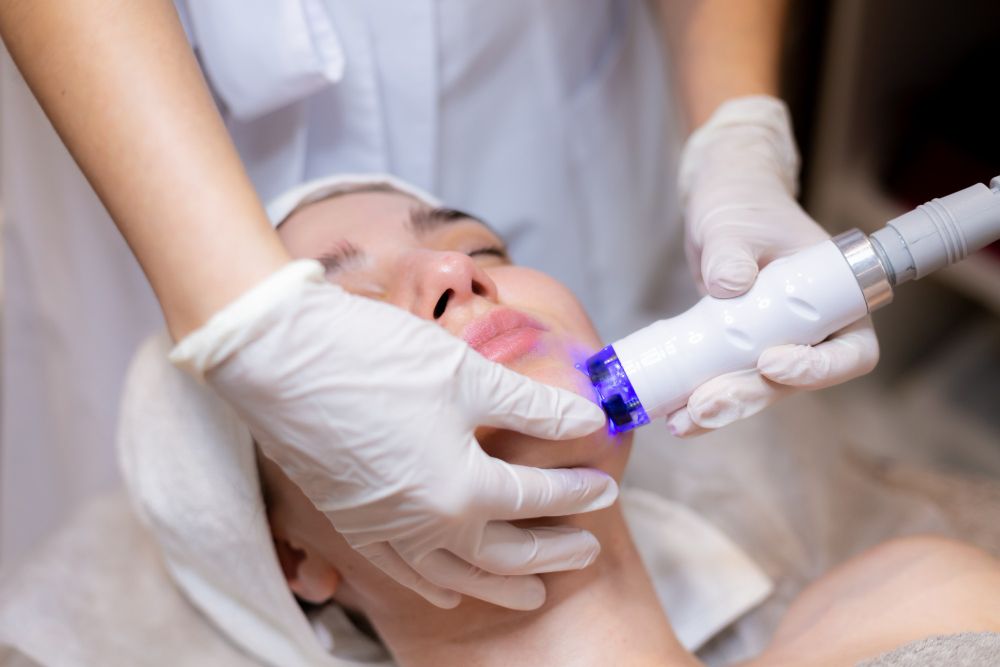
For faster wrinkle reduction, professional treatments like Perfect Medical Thermage FLX 5th Generation Face Lift Treatment penetrate deeper than topical Retinol. Using advanced RF energy with AccuREP® technology, it precisely stimulates collagen at 4.3mm beneath the skin. Improved vibration and cooling systems make the treatment nearly painless, delivering tighter, lifted skin more effectively than products alone.
Limited-time promotion: online registration allows discounted trials—spots are limited.
免費體驗
Thermage FLX 5th Generation Face Lift Treatment
1 Minute Self-Registration
Date should not be before minimal date
FAQ

Can Retinol be used daily?
Yes, after building tolerance.
Retinol’s effects?
Anti-inflammatory, acne-fighting, brightening, wrinkle-smoothing, overall skin renewal.
How long to see results?
About 2 weeks.
At what age to start?
25, to prevent early aging.
Sensitive to light?
Retinol is sensitive to UV (sunlight), not indoor lighting.