- Home
- Trend
- Weight Loss Strategies
- Acne Tips
- Hair Health Information
- Blemish Removal Tips
- Acne Scar Removal Tips
- Muscle Building Techniques
- Intimate Care Tips
- Postpartum Intimate Care
- Eye Bags Wiki
- Tips for Face Slimming
- Secret of Permanent Hair Removal
- Breast Enlargement Tips
- Cure to Snoring
- Marionette Lines
- Skin-Tightening Secrets

Nasolabial folds—often called smile lines—are one of the biggest challenges for women striving to maintain a youthful look. These lines can make the face appear older and more tired than it really is. Over time, facial muscle movement and gravity cause these folds to deepen, extending from the sides of the nose to the corners of the mouth.
Fortunately, advancements in modern aesthetic technology now offer multiple solutions to combat nasolabial folds effectively. This article explores the causes, types, and professional treatment options for nasolabial folds—helping every woman achieve firmer, smoother, and more youthful-looking skin.

What Are Nasolabial Folds? The 3 Main Causes and Types
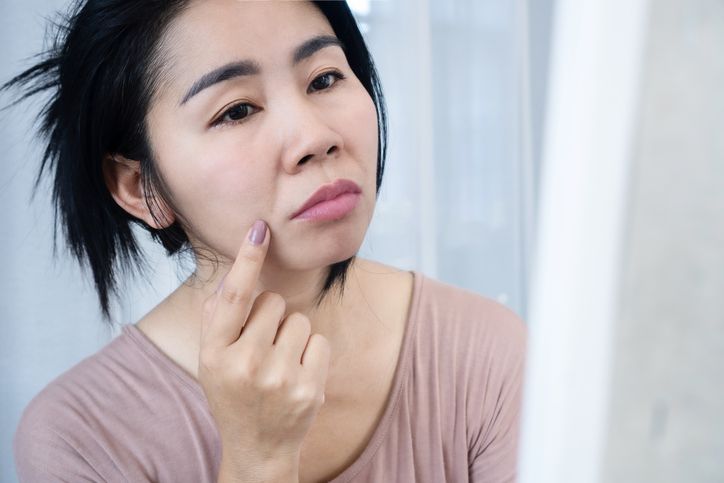
Nasolabial folds, also known as smile lines or marionette lines, are the two curved indentations that run from the sides of the nose to the mouth. They are one of the most visible signs of aging and result from the gradual loss of skin elasticity and collagen. While aging is a primary factor, other influences such as genetics, lifestyle, and facial expressions also play a major role.
Here are the 3 most common causes—and the types of nasolabial folds they produce:
1. Aging and Skin Laxity (Aging Type)
As we age, the skin loses moisture and collagen, causing it to sag and lose elasticity. The apple cheeks above the folds also begin to droop, deepening the lines and making the face appear older.
This type, known as aging-type nasolabial folds, often appears alongside other fine lines such as crow’s feet or under-eye wrinkles. As collagen and elastin fibers break down, the skin can no longer support facial fat and muscle, resulting in downward sagging and more prominent smile lines.
2. Overactive Facial Muscles (Muscle Type)
Nasolabial folds are also classified as expression lines, formed by frequent and exaggerated facial movements. When facial muscles repeatedly contract—such as when we talk, laugh, or chew—the collagen fibers at the skin–muscle interface gradually lose their elasticity. Over time, this leads to permanent creases, even when the face is at rest.
Initially, these are dynamic lines that only appear with expressions. But constant pulling eventually turns them into static lines, visible even when the face is still.
Different parts of the nasolabial fold correspond to different habits:
• Upper section: frequent sniffing, frowning, or squinting.
• Middle section: frequent laughter or expressive talking.
• Lower section: habitual lip-pursing when thinking or concentrating.
When these expressions are repeated daily, the folds eventually become fixed and difficult to reverse.
3. Genetic and Structural Causes (Depression Type)
Some people naturally have deeper nasolabial folds due to genetics. Factors such as bone structure, face shape, and even dental alignment can contribute. For instance, those with high cheekbones or protruding front teeth tend to develop more pronounced folds.
This type is known as the depression-type nasolabial fold, caused by innate facial contours that create shadowed grooves. Looking at your parents can often give a clue as to when your own folds might appear.
Lifestyle habits can also make them worse—such as lack of sun protection, sleeping on one side, or sudden weight loss that causes facial fat and volume to drop, leading to sagging cheeks and deepened folds.
3 At-Home Habits to Reduce Nasolabial Folds + 4 Expert Massage Techniques
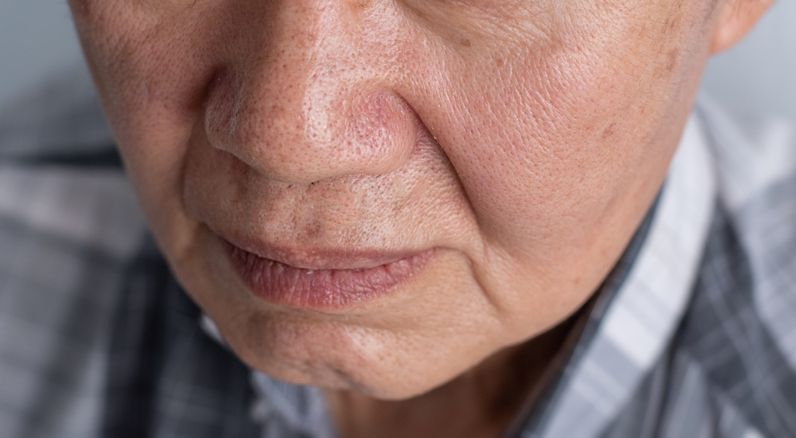
For mild to moderate nasolabial folds, consistent home care and small daily changes can help slow their progression. Here are 3 habits that can make a visible difference:
1. Facial Massage
Proper facial massage can stimulate circulation, boost collagen activity, and help relax tight muscles. When combined with anti-aging serums or firming creams, massage helps prevent tugging and improves elasticity.
Here are 4 expert-approved massage steps for reducing nasolabial folds:
Step 1: Apply Pressure Using Your Thumb and Index Finger
Form an “O” with your thumb and index finger (the web between them) and press gently along the nasolabial folds. Use your head’s weight to apply vertical pressure twice.
Step 2: Smooth from Nose to Mouth
Press lightly beside the nose with one finger, then glide outward toward the corners of the mouth.
Step 3: Massage Around the Lips
Using your middle and ring fingers, press five key points: philtrum, above the lips, beside the corners, below the corners, and under the lower lip. Repeat several times to relieve tension.
Step 4: Lift the Cheeks and Jawline
Make a “thumbs up” gesture and use your index fingers’ sides to massage from below the eyes to the chin, repeating twice in each section. Finally, glide from the ears down toward the collarbone to drain lymph and reduce puffiness.
Tip: Always massage gently to avoid overstretching the skin. Consult a beauty therapist if unsure which products suit your skin type.
2. Boost Collagen Through Diet
Instead of letting skin slacken with age, replenish collagen from within. Foods rich in collagen—like fish maw, chicken feet, pork skin, and tendons—help support elasticity.
Although dietary collagen is broken down into amino acids before being reassembled by the body, it can still support overall skin health when combined with proper skincare and treatments.
3. Mouth Exercises
Fill your mouth with air, then gently shift it from side to side to exercise the muscles around your mouth. This strengthens facial tone and improves elasticity. Do this for one minute, three times a day.
Alternatively, light “puffing” exercises can help lift the cheeks and prevent sagging—but always perform them gently to avoid strain.
Avoid habits like resting your chin on your hand or constantly looking down at your phone, which can accelerate sagging and deepen smile lines.
免費體驗
Thermage FLX 5th Generation Face Lift Treatment
1 Minute Self-Registration
Date should not be before minimal date
4 Surprising Beauty Tools That Help Fade Smile Lines
Beyond skincare and massage, these 4 everyday items can help minimize nasolabial folds and rejuvenate skin texture:
1. Tea
Tea is rich in antioxidants that help slow skin aging and fight free radicals. Collagen-enriched teas, such as bone collagen blends, also help maintain elasticity and hydration. Drink up to three cups per day to enjoy the benefits without excess caffeine.
2. Eye Cream
Eye creams can double as nasolabial fold care products since both areas share similar concerns—fine lines, dryness, and loss of elasticity. Rich in peptides, vitamins, and moisture-locking agents, eye creams can smooth and firm the area around the mouth effectively.
3. DIY Firming Masks (Honey + Celery / Loofah + Red Wine)
Hydrating masks are an effective way to plump skin and smooth wrinkles. Try these two simple recipes:
Honey & Celery Mask: Mix 1/5 bowl of honey with finely chopped celery, apply evenly on the face, massage gently, leave for 10–20 minutes, then rinse off.
Loofah & Red Wine Mask: Mix loofah essence or blended loofah with red wine, soak cotton pads in the mixture, apply to the face for 15 minutes, and rinse.
4. Makeup Concealer
A quick fix for visible smile lines! Apply a concealer one shade lighter than your skin tone over the folds and blend gently with your fingertip. While it doesn’t remove the lines, it helps diffuse shadows for a smoother, lifted look.
4 Professional Treatments That Effectively Eliminate Nasolabial Folds—The Last One Is a Game-Changer!
For deeper or more persistent nasolabial folds, professional aesthetic treatments offer visible, long-lasting results. Here are 4 of the most effective options:
1. Dermal Fillers
Injectable fillers such as hyaluronic acid, youth injections, or collagen stimulators are among celebrities’ top choices for softening smile lines. These treatments fill the hollows beneath the folds and lift the skin from within, restoring smoothness and volume.
Avoid Botox for nasolabial folds—it works on dynamic wrinkles but not static ones. Instead, choose fillers that both plump and promote collagen regeneration for natural, long-lasting results.
2. Thread Lifting (PDO Thread Lift)
Thread lifts use biodegradable sutures inserted beneath the skin to stimulate collagen and physically lift sagging areas. While they deliver instant lifting effects, they require downtime and may cause temporary bruising or swelling. Skill and precision are essential, as thread lifting is technique-sensitive.
3. Needle-Free Thread Lift
This non-invasive version uses medical-grade ultrasound energy to simulate the effects of a thread lift—stimulating collagen deep within the dermis without needles, pain, or recovery time. It’s a gentle option for those who prefer non-surgical treatments.
Perfect Medical’s Thermage FLX 5th Generation Face Lift Treatment
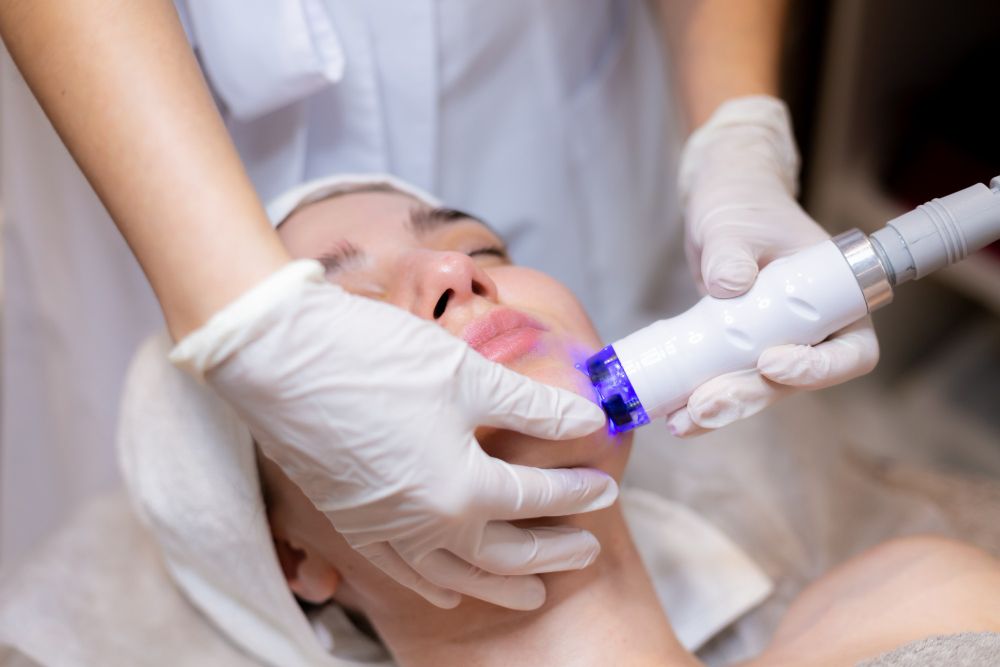
For a safer, non-invasive, and highly effective solution, the Perfect Medical Thermage FLX 5th Generation Face Lift Treatment is a breakthrough procedure that firms, lifts, and tightens the skin from deep within — all without needles or downtime.
This advanced treatment uses monopolar radiofrequency technology to deliver energy deep into the dermis and fascia layer, stimulating collagen production and tightening sagging skin. The result? Visibly lifted cheeks, smoother laugh lines, and firmer, more contoured facial features.
The treatment is FDA-cleared, clinically safe, and suitable for all skin types. You can resume your daily activities immediately after the session.
Limited-Time Offer: Register online now for a free trial session and professional skin analysis from Perfect Medical’s experts — experience the tightening and rejuvenating power of Thermage FLX for yourself!
免費體驗
Thermage FLX 5th Generation Face Lift Treatment
1 Minute Self-Registration
Date should not be before minimal date
FAQ

Can exercise help reduce nasolabial folds?
Exercise improves blood circulation and overall skin health but cannot directly remove smile lines. However, staying active helps slow aging and maintains healthy, hydrated skin.
When should I consider professional treatment?
If your folds are deep or significantly affect your confidence, consult a qualified aesthetic specialist. They can assess your skin type and recommend suitable treatment options.
Does smoking make nasolabial folds worse?
Yes. Smoking restricts oxygen and blood flow to the skin, accelerating collagen loss and deepening wrinkles. Quitting smoking improves skin vitality and slows wrinkle formation.
Does everyone eventually get nasolabial folds?
Yes—these lines naturally appear with age, though their depth and timing depend on genetics and lifestyle factors.
Can nasolabial folds be completely removed?
Completely erasing them is difficult, but a combination of good skincare, facial exercises, and medical aesthetic treatments can greatly reduce their appearance and restore a youthful look.