- Home
- Trend
- Weight Loss Strategies
- Acne Tips
- Hair Health Information
- Blemish Removal Tips
- Acne Scar Removal Tips
- Muscle Building Techniques
- Intimate Care Tips
- Postpartum Intimate Care
- Eye Bags Wiki
- Tips for Face Slimming
- Secret of Permanent Hair Removal
- Breast Enlargement Tips
- Cure to Snoring
- Marionette Lines
- Skin-Tightening Secrets

Face masks are one of the most familiar and well-loved skincare essentials. Many people notice brighter, softer skin immediately after masking—but the results often don’t last as long as expected. This leads to common questions such as: How often should you use a face mask? Can you apply one every day? Do you need to wash your face afterward?
In reality, getting the most out of a face mask isn’t just about choosing the right product—it’s also about adjusting how you use it based on your skin type and current skin condition. Only then can you truly experience its benefits.
If you’ve ever been confused about masking frequency, duration, or felt like your skin wasn’t fully absorbing the essence, keep reading. Below, we break down four major face mask myths, explain how different skin types should use masks, and help you make every masking session genuinely effective.

Why Are Face Masks So Effective? Understanding the Skincare Science
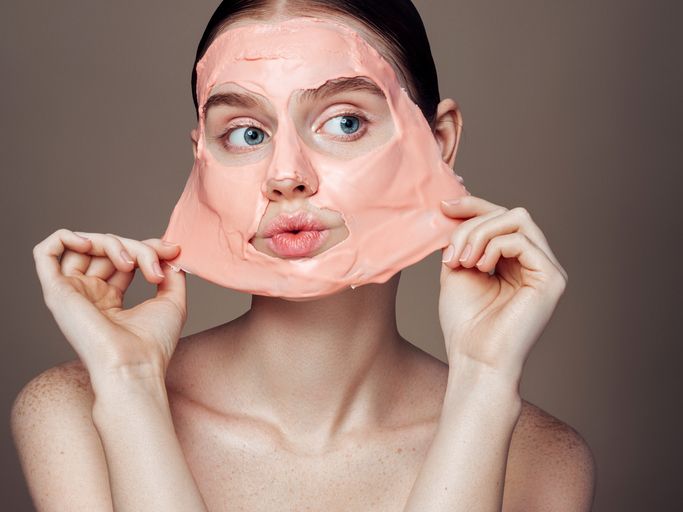
Face masks are high-performance skincare products made with concentrated essence. By applying them directly to the skin, your complexion is exposed to a high concentration of active ingredients within a short period of time.
Dermatologists explain that masks create an occlusive effect, reducing moisture evaporation while enhancing ingredient absorption. This is why masks can deliver faster, more visible improvements compared to everyday skincare routines.
Different masks are also formulated with targeted active ingredients to address specific skin concerns—hydration, soothing, brightening, or repair. When chosen correctly, a face mask can deliver intensive nourishment in just 10–20 minutes, making it one of the most efficient ways to boost skin condition quickly.
How to Choose the Right Face Mask: 4 Types Explained by Benefits & Skin Type
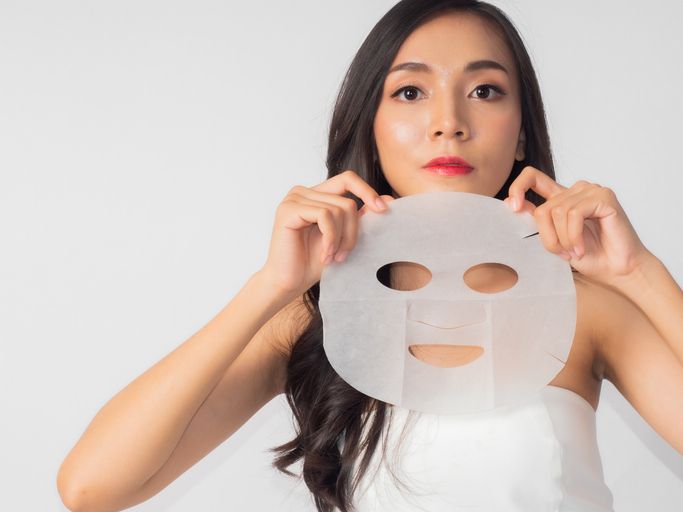
1. Sheet Masks: Instant Hydration Boosters
Sheet masks are soaked in concentrated essence and made from materials such as bio-cellulose, cotton, or silk. Most are designed for hydration, allowing the skin to absorb moisture and nutrients quickly. They are ideal for anyone who wants fast, visible skin improvement.
2. Clay Masks: Deep-Cleansing Specialists
Clay or cleansing masks often contain mineral clay or kaolin, which absorb excess oil and impurities deep within the pores. They are particularly suitable for oily, acne-prone, or congested skin, helping regulate oil production and improve blackheads and enlarged pores.
3. Sleeping Masks: Skincare While You Sleep
Sleeping masks are rich in moisturizing ingredients and work overnight to support skin repair. They are ideal for dry, sensitive, or fatigued skin, leaving the complexion noticeably softer and more supple the next morning.
4. Brightening & Repair Masks: Targeted Skin Solutions
Brightening masks often include ingredients such as vitamin C or niacinamide to enhance skin radiance, while repair masks typically contain centella asiatica or hyaluronic acid to calm sensitivity and strengthen the skin barrier. Choosing the right ingredients for your skin type significantly improves results.
免費體驗
Thermage FLX 5th Generation Face Lift Treatment
1 Minute Self-Registration
Date should not be before minimal date
How to Choose a Face Mask Based on Your Skin Type
Selecting the right face mask should always be based on your skin type and current concerns to maximize results.
1. Dry Skin: Focus on Deep Hydration
Opt for sheet masks or sleeping masks rich in hyaluronic acid and ceramides to reinforce the skin’s moisture barrier.
2. Oily & Acne-Prone Skin: Balance Oil Control and Cleansing
Clay and cleansing masks help clear clogged pores, while masks with soothing ingredients can reduce inflammation for acne-prone skin.
3. Sensitive Skin: Gentle Repair Is Key
Choose masks with minimal ingredients that focus on calming and repairing the skin. Avoid alcohol and fragrance.
4. Combination Skin: Zone Masking Works Best
Apply clay masks to the T-zone and hydrating masks to the cheeks to treat different skin concerns more effectively.
Must-Read Before Masking: 4 Common Myths & Important Precautions
Questions like “Can I use a mask every day?”, “How long should I leave it on?”, and “Do I need to wash my face afterward?” are extremely common. To avoid damaging your skin through incorrect use, here’s a breakdown of the most common masking myths.
1. Myth: You Can Use Face Masks Every Day
How often you should mask depends on both your skin type and the mask itself.
• Not all masks are suitable for daily use. Sheet masks with highly concentrated essence or brightening/renewal masks with stronger actives may cause irritation if used too frequently.
• Some sleeping masks or gentle hydrating masks can be used 3–5 times a week, but daily use is still not recommended to avoid over-nourishing the skin.
Key takeaway: Masking frequency should be adjusted to your skin condition—more is not always better.
2. How Long Should You Leave a Mask On? Longer Is Not Better
The belief that “the longer you mask, the better the results” is a common misconception.
• Sheet masks: 10–20 minutes
• Cleansing masks: Follow product instructions (usually 5–10 minutes)
• Sleeping masks: Leave on overnight and cleanse in the morning
Leaving a mask on for too long can backfire:
• Sheet masks may begin drawing moisture out of the skin
• Dried clay masks can pull on the skin, accelerating fine lines
Key takeaway: Always remove masks within the recommended time.
3. Do You Need to Wash Your Face After Masking? It Depends
This is one of the most confusing skincare questions.
• Sheet masks: No washing required. Gently remove excess essence if it feels sticky; use toner if needed.
• Cleansing/clay masks: Must be rinsed thoroughly to prevent clogged pores and breakouts.
• Sleeping masks: Cleanse your face the next morning.
Tip: If sensitive skin feels irritated after masking, a light rinse with water can reduce discomfort.
4. The Risks of Overusing Face Masks (Yes, It Can Damage Your Skin)
Although masks are effective, excessive use may cause:
1. Damage to the Skin Barrier
Over-masking can overly soften the stratum corneum, leading to:
• Stinging
• Redness
• Tightness and dryness
Sensitive skin is particularly vulnerable.
2. Clogged Pores and Breakouts
Residue left on the skin—especially from oil-rich masks—can block pores and trigger acne.
3. Reduced Skin Self-Repair Ability
Over-reliance on masks may disrupt the skin’s natural balance, making it:
• More sensitive
• Prone to dryness
• Less able to maintain oil-water balance
Key takeaway: Face masks are intensive treatments, not replacements for daily skincare.
The Correct Way to Use a Face Mask: A Step-by-Step Guide for Best Results
Step 1: Prep Your Skin for Maximum Absorption
Cleanse thoroughly: Remove dirt, oil, and makeup residue so active ingredients can penetrate effectively. Clean skin equals better absorption.
Exfoliate (if needed): If your skin has excess dead skin buildup, gentle exfoliation can help—but sensitive skin should skip this step.
Step 2: Apply the Mask Correctly—Timing and Amount Matter
Apply evenly and gently: Fit the mask comfortably over your face, avoiding the eye and lip areas. Ensure good contact without pulling the skin.
How long should you mask?
Typically 15–20 minutes is ideal. Avoid waiting until the mask dries out.
Step 3: Lock in the Benefits with Proper Aftercare
Rinse if required: If the product instructions indicate rinsing, use lukewarm water gently.
Follow with skincare to seal in moisture
This step is essential. After masking, apply:
• Toner to rebalance and hydrate
• Serum (optional) for targeted benefits
• Moisturizer or cream to lock in moisture
This routine helps maintain hydration, glow, and skin elasticity long after masking.
免費體驗
Thermage FLX 5th Generation Face Lift Treatment
1 Minute Self-Registration
Date should not be before minimal date
A Faster Way to See Visible Results: Perfect Medical Thermage FLX
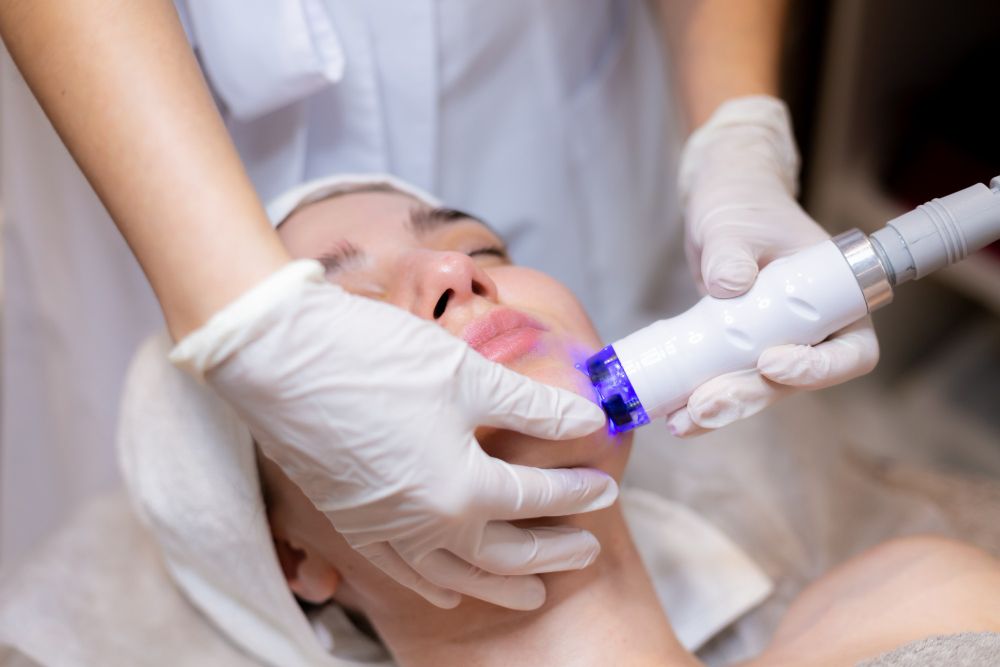
If you’ve been consistent with face masks but still aren’t seeing noticeable improvements, there’s a more powerful solution—Perfect Medical Thermage FLX 5th Generation Face Lift Treatment, the 5th-generation US-developed radiofrequency treatment.
A single session can deliver results comparable to 10 mask treatments, making it ideal for today’s busy lifestyle. Simply relax at our center while the treatment works—no pain, no downtime, and no recovery period required.
This advanced monopolar RF technology penetrates deep into the skin’s 4.3 mm SMAS layer, gently heating tissue to stimulate collagen production and instantly firm the skin. Wrinkles, dryness, and uneven texture are visibly improved, while hydration and oil-water balance are restored—just like post-mask glow, but longer-lasting.
Book your experience today to enjoy professional skin analysis and a comfortable, high-efficiency treatment that delivers real, lasting results.
免費體驗
Thermage FLX 5th Generation Face Lift Treatment
1 Minute Self-Registration
Date should not be before minimal date
FAQ

1. Can I use a face mask every day?
Daily use is not recommended, as it can overload the skin.
2. When is the best time to use a face mask?
Evening is ideal, as the skin absorbs nutrients more effectively.
3. Do I need to wash my face after using a mask?
It depends on the mask type. Sheet masks usually do not require washing, while clay masks must be rinsed off.
4. What type of mask is best for sensitive skin?
Choose repair masks with gentle, non-irritating ingredients.
5. Can I apply makeup after masking?
Yes, but complete your basic skincare first and allow the skin to fully absorb nutrients before applying makeup.