- Home
- Trend
- Weight Loss Strategies
- Acne Tips
- Hair Health Information
- Blemish Removal Tips
- Acne Scar Removal Tips
- Muscle Building Techniques
- Intimate Care Tips
- Postpartum Intimate Care
- Eye Bags Wiki
- Tips for Face Slimming
- Secret of Permanent Hair Removal
- Breast Enlargement Tips
- Cure to Snoring
- Marionette Lines
- Skin-Tightening Secrets

Lycopene, also called tomato lycopene, is a highly praised natural nutrient in the eyes of nutritionists. It is a phytochemical extracted from fruits and vegetables, most commonly found in red produce such as tomatoes, watermelon, and red grapefruit.
Lycopene not only supports overall health, but is also considered a potent antioxidant, helping combat free radicals and slow down cellular ageing. In addition to its health benefits, research shows that lycopene may improve complexion and maintain skin elasticity, giving skin a natural, radiant glow.
Although generally safe and natural, excessive intake of any nutrient can place a burden on the body. Here, we break down the benefits and potential risks of lycopene, along with two nutritionist-recommended ways to consume it—helping you eat smart for both skin and overall wellness.

What is Lycopene? Understanding This Red Nutrient
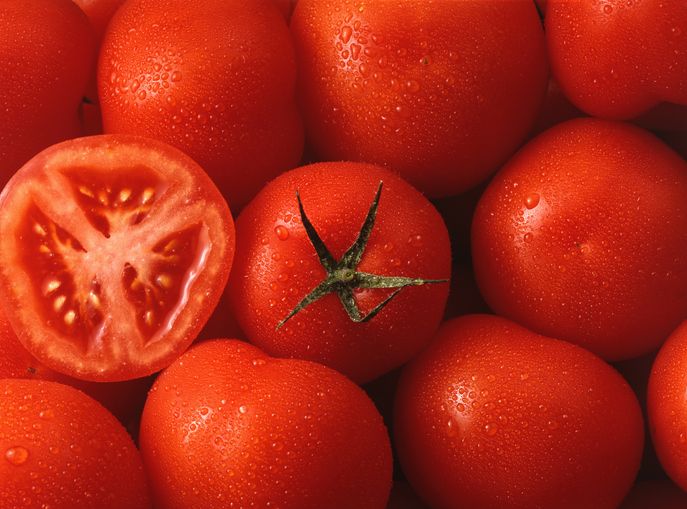
Lycopene is a naturally occurring phytochemical in red fruits and vegetables and a fat-soluble nutrient often recommended by nutritionists. It belongs to the carotenoid family, but unlike vitamin A, lycopene does not convert into vitamin A in the body.
Common lycopene-rich foods include tomatoes, watermelon, red bell peppers, papaya, and grapefruit, with tomato extracts providing the highest concentration. Thanks to its powerful antioxidant properties, lycopene neutralizes free radicals, making it an important nutrient for health maintenance and anti-ageing.
Notably, bioavailability depends on cooking methods. Consuming lycopene with vitamin E or healthy fats enhances absorption. In addition to natural food sources, supplements and synthetic lycopene are also available. Whether for physiological support or achieving a radiant complexion, lycopene is a daily dietary ally.
4 Key Benefits of Lycopene: Comprehensive Protection from Skin to Men's Health

1. Potent Antioxidant to Fight Free Radical Damage
Lycopene is a highly bioactive natural antioxidant, effectively neutralizing free radicals and reducing oxidative stress. Long-term intake helps slow skin ageing, reduce dullness and fine lines, leaving skin with a healthy, rosy glow.
2. UV Protection and Skin Defense
Lycopene protects skin layers from UV-induced oxidative damage. While it cannot replace sunscreen, it strengthens the skin’s natural defense, reducing redness and dryness, and helping maintain elastic, radiant skin.
Health Benefits: Boosting Internal Protection
1. Men’s Health and Prostate Support
For men, lycopene plays an important role in prostate health. Studies indicate it can inhibit abnormal cell growth, reduce prostate cancer risk, and support healthy physiological function, making it a key nutrient for male protection.
2. Cardiovascular Support and Overall Health
Lycopene also positively affects internal health. Research shows it helps maintain vascular elasticity, stabilize blood pressure, and reduce LDL oxidation, protecting the cardiovascular system. As part of a balanced diet, lycopene can boost overall defense, delay ageing, and support healthy metabolism.
免費體驗
Thermage FLX 5th Generation Face Lift Treatment
1 Minute Self-Registration
Date should not be before minimal date
4 Lycopene Side Effects & Risks You Should Know Before Overconsuming
1. Common Side Effects
Most people tolerate lycopene well, but a few may experience mild effects such as nausea, diarrhea, or slight stomach discomfort. These are usually temporary. Start with a low dose, monitor your response, and gradually increase. If symptoms persist, stop consumption and consult a doctor.
2. Lycopenemia and Overconsumption
Excessive intake may cause the skin to develop a light orange or yellow tint, known as lycopenemia. This is benign, as lycopene is fat-soluble and accumulates in the body. Skin color returns to normal after reducing intake. This highlights the importance of moderation, even with natural nutrients.
3. Drug Interactions and Special Populations
If taking anticoagulants or other medications, consult your doctor or pharmacist before supplementing. People consuming processed foods should also monitor fat intake, as dietary fat improves lycopene absorption but excessive fat may affect health.
4. Allergic Reactions and Individual Variability
Rarely, some may have allergic reactions, including rash, hives, or breathing difficulties. Stop use immediately and seek medical advice if symptoms appear. Individual responses vary, so professional guidance is recommended before supplementation.
2 Expert-Recommended Ways to Supplement Lycopene
1. Natural Intake: Red Fruits & Vegetables
The easiest way is through lycopene-rich foods, such as:
• Tomato products (sauce, soup, juice)
• Red grapefruit, papaya, watermelon, cranberries
Cooking can enhance bioavailability, e.g., cooked tomatoes or tomato soup release more lycopene.
Tip: Add a small amount of healthy fat (olive oil, avocado, nuts) to improve absorption.
2. Supplements: Efficient and Scientific Intake
If diet alone is insufficient, supplements are an option. Nutritionists recommend:
• Source: Choose natural tomato extract-based supplements, avoid excessive artificial colors or additives
• Quality Assurance: Look for third-party testing and clear labeling of lycopene content
• Dosage: Typical daily range is 10–30 mg. Consult a professional if unsure
Reminder: Balanced diet is key
Even the best nutrients should not be overconsumed. Base intake on natural red fruits and vegetables, combine with healthy fats, and supplement intelligently for optimal results.
Not Seeing Lycopene Benefits? Thermage FLX Works Faster!
If eating lycopene-rich foods hasn’t delivered visible results, try Perfect Medical Thermage FLX 5th Generation Face Lift Treatment. Each session is non-invasive, safe, and effective, improving skin quality and elasticity quickly.
Using patented monopolar radiofrequency, energy reaches the 4.3mm SMAS layer, gently heating tissue without causing damage. Sagging areas are lifted, collagen is stimulated, and skin looks younger and firmer. Book now for professional analysis and a comfortable treatment experience.
免費體驗
Thermage FLX 5th Generation Face Lift Treatment
1 Minute Self-Registration
Date should not be before minimal date
FAQ

1. Which foods contain lycopene?
Tomatoes, tomato sauce, watermelon, red bell peppers, etc.
2. Does lycopene have side effects?
Generally safe, but excessive intake may cause yellowing of the skin.
3. Can lycopene fight ageing?
Yes, its antioxidant properties help slow down ageing.
4. How to choose lycopene supplements?
Pick reputable brands and check ingredients and dosage.
5. Is Thermage FLX suitable for me?
Ideal for those looking to improve sagging skin and wrinkles. Consult a doctor to confirm suitability.