- Home
- Trend
- Weight Loss Strategies
- Acne Tips
- Hair Health Information
- Blemish Removal Tips
- Acne Scar Removal Tips
- Muscle Building Techniques
- Intimate Care Tips
- Postpartum Intimate Care
- Eye Bags Wiki
- Tips for Face Slimming
- Secret of Permanent Hair Removal
- Breast Enlargement Tips
- Cure to Snoring
- Marionette Lines
- Skin-Tightening Secrets

Is retinol the same as vitamin A (retinol)? This is a common question for anyone just starting an anti-ageing skincare routine. The answer is yes—retinol is simply the formal name for vitamin A. Retinol is a derivative of vitamin A and an essential ingredient in the “morning vitamin C, evening vitamin A” skincare approach. It helps accelerate skin renewal, improve fine lines and dullness, making it widely celebrated as a gold-standard anti-ageing ingredient.
In this guide, we’ll dive into the origins and science of retinol, explore its five key skincare benefits, usage sequence, and practical tips for daily retinol application. Let’s uncover the truth about this powerhouse ingredient.

Retinol = Vitamin A? Understanding Its Skincare Mechanism
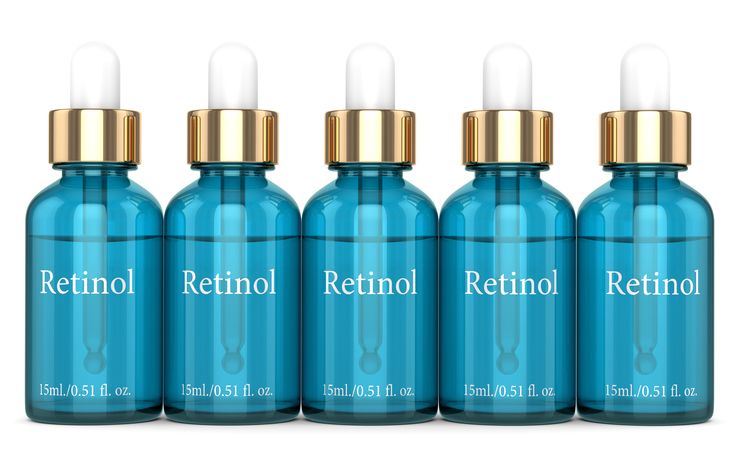
What exactly is retinol? Simply put, retinol is vitamin A. Chemically, they are the same active ingredient, just known by different names. Retinol is a fat-soluble derivative of vitamin A, widely used in products for anti-ageing, brightening, and acne management. It is the key player in the “morning vitamin C, evening vitamin A” skincare routine.
The mechanism behind retinol lies in its ability to accelerate skin cell turnover, promote keratin metabolism, and stimulate collagen and elastin production, resulting in smoother, firmer, and more refined skin. Early use may cause mild dryness or peeling as the skin adjusts. When introduced gradually and paired with hydration and sunscreen, retinol helps restore radiance and elasticity for a true “skin renewal from within.”
The 5 Members of the Vitamin A Family: Retinol vs Retinoic Acid
1. Retinyl Esters — Storage Form of Vitamin A
Found in animal-based foods like fish liver oil and dairy, retinyl esters are converted into retinol by enzymes in the body. They are low-irritation, highly stable, and commonly used in beginner-friendly products for sensitive skin or first-time retinol users.
2. Retinol — The Anti-Ageing Star of Skincare
Retinol is a derivative of vitamin A, widely used in topical products. It converts to retinoic acid in the skin, promoting renewal and anti-ageing effects. It is milder than retinoic acid, with slower results, making it perfect for daily “morning C, evening A” routines.
3. Retinaldehyde — Potent Yet Stable Intermediate
An oxidized form of retinol, retinaldehyde converts to retinoic acid more quickly. Its activity is stronger than retinol but still gentler than prescription retinoic acid, ideal for those seeking visible results without excessive irritation.
4. Retinoic Acid — Prescription-Grade Anti-Ageing
The final active form of vitamin A, retinoic acid works directly on skin cells to accelerate turnover and collagen production. Stronger and prescription-only, it’s used in dermatology for acne and photoaging.
5. Retinyl Palmitate — The Gentle Option
A combination of retinol and palmitic acid, this form is highly stable and very mild, though slower in action. Suitable for beginners or sensitive skin to gradually adapt to vitamin A derivatives.
免費體驗
Thermage FLX 5th Generation Face Lift Treatment
1 Minute Self-Registration
Date should not be before minimal date
5 Key Benefits of Retinol: Wake Up Your Skin’s Youthful Power
1. Boost Collagen for Firmer, More Elastic Skin
Retinol stimulates fibroblasts and skin cells to generate collagen and elastin. With age, collagen loss causes sagging and wrinkles, but retinol helps tighten pores, smooth lines, and firm the under-eye area. Long-term use strengthens skin structure and restores youthful radiance.
2. Accelerate Cell Turnover and Exfoliation
Retinol speeds up epidermal renewal, gently shedding dead skin. This improves smoothness, reduces dullness and roughness, and allows better absorption of subsequent products.
3. Improve Acne and Pore Health
Retinol regulates keratin metabolism, preventing clogged pores and reducing pimples. Especially helpful for oily or combination skin, it balances oil production and refines texture.
4. Brighten Dullness and Dark Circles
By promoting cell turnover and inhibiting melanin accumulation, retinol improves dullness and under-eye darkness. Combined with vitamin C or hydrating ingredients, it enhances overall radiance.
5. Enhance Hydration and Photo-Ageing Resistance
Although retinol can be mildly irritating, pairing it with moisturizers enhances hydration and reduces tightness. Retinol also strengthens the skin’s resistance to UV damage, helping to delay photo-ageing at its root.
Retinol Selection & Usage Guide: From Beginner to Advanced
What is Retinol?
A vitamin A derivative commonly found in topical skincare. Retinol accelerates cell turnover and collagen production, improving fine lines, roughness, and dullness. Milder than prescription retinoic acid, it still delivers long-term anti-ageing results.
How to Choose Retinol
1. Concentration: Beginners start low (0.01–0.03%), increasing to 0.1%+ once tolerance builds.
2. Formulation: Look for hydrating and soothing ingredients like hyaluronic acid, ceramides, and squalane to reduce irritation.
3. Skin Type:
○ Oily: lightweight serum
○ Dry: richer cream
○ Sensitive: patch test first
Usage Order: Apply at night after cleansing and toning:
1. Cleanser → Toner → Retinol serum → Moisturizer/cream
2. Start 1–2 times per week, increasing frequency gradually.
3. Use SPF during the day to protect retinol from UV breakdown.
Retinol vs Retinoic Acid: Retinol converts to retinoic acid in the skin, offering gentler, slower effects. Retinoic acid is prescription-grade, stronger, and faster, but more prone to peeling and redness. Beginners should start with retinol to build tolerance.
Safety Tips:
• Avoid strong acids or high-dose vitamin C simultaneously.
• Mild dryness or peeling is normal initially; adjust frequency and moisturize.
• Night use + daytime SPF is essential.
• Pregnant or breastfeeding women should avoid retinoids due to potential teratogenic risk.
Struggling to See Results from Retinol? Try Perfect Medical Thermage FLX
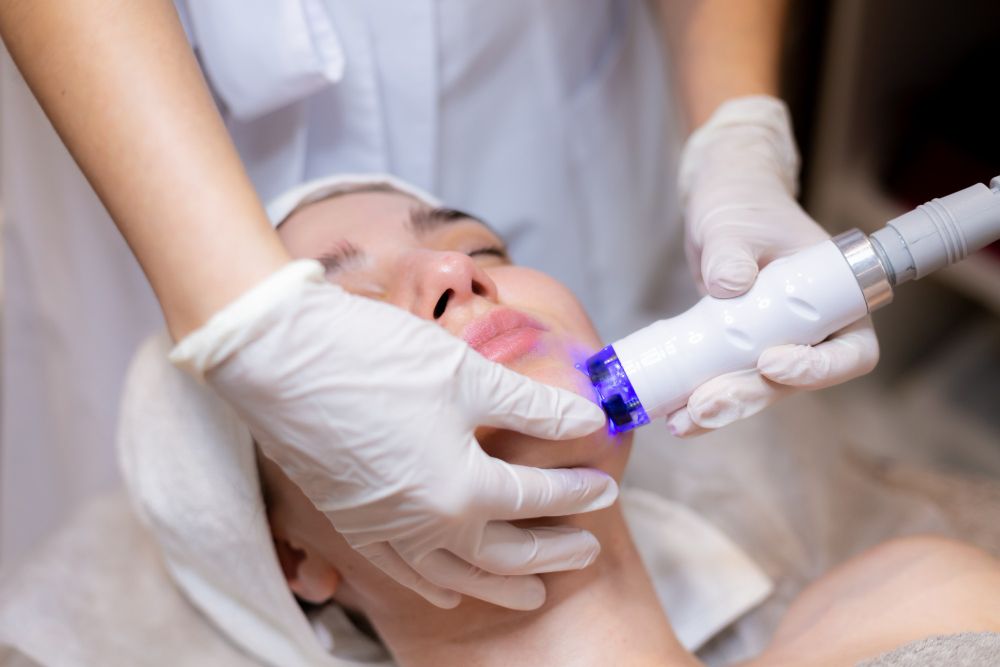
If retinol alone isn’t enough, Perfect Medical Thermage FLX 5th Generation Face Lift Treatment delivers collagen stimulation, pore tightening, and comprehensive skin improvement. Every session is painless, non-invasive, and targets ageing concerns from all angles.
Using patented monopolar radiofrequency, the energy reaches the 4.3 mm SMAS layer, gently heating tissue to lift sagging areas without downtime. Collagen regeneration restores skin quality, addressing ageing and aesthetic concerns effectively. Book now for professional skin analysis and a comfortable treatment experience.
免費體驗
Thermage FLX 5th Generation Face Lift Treatment
1 Minute Self-Registration
Date should not be before minimal date
FAQ

1. How often should I use retinol serum?
Start 2–3 times per week, gradually increasing as skin adapts.
2. What should I apply after retinol?
A moisturizer to lock in hydration.
3. Are there side effects?
Mild peeling, dryness, or redness may occur as part of skin adaptation.
4. Is retinol suitable for sensitive skin?
Patch test first to ensure no reaction.
5. Retinol vs Retinoic Acid—what’s the difference?
Retinol is cosmetic-grade for skincare; retinoic acid is prescription-only and more potent.