- Home
- Trend
- Weight Loss Strategies
- Acne Tips
- Hair Health Information
- Blemish Removal Tips
- Acne Scar Removal Tips
- Muscle Building Techniques
- Intimate Care Tips
- Postpartum Intimate Care
- Eye Bags Wiki
- Tips for Face Slimming
- Secret of Permanent Hair Removal
- Breast Enlargement Tips
- Cure to Snoring
- Marionette Lines
- Skin-Tightening Secrets

Many women instantly fall in love with grapeseed oil because they see it as a guardian for skin and overall health. In cooking, it’s often chosen for its health benefits, while in skincare, products containing grapeseed oil are widely adored. But is grapeseed oil really that miraculous? Is it the best ingredient for nourishing both skin and body? Let’s explore everything you need to know.

Grapeseed Oil: A Versatile Plant Oil for Cooking, Skincare, and Health
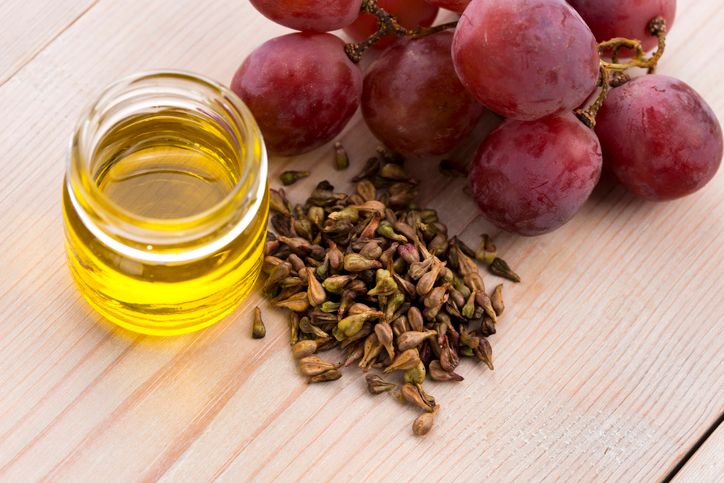
Grapeseed oil is extracted from grape seeds, usually through cold pressing or solvent extraction. Its color ranges from pale yellow to light green, and its flavor is mild, with subtle fruity and nutty notes, without strong oily or fishy tastes. For those sensitive to strong oil flavors, grapeseed oil is an ideal option.
Most grapeseed oil comes from vineyards, but essentially any region growing grapes can produce it. Oil content varies between 6–20%, depending on grape variety and climate. Major producing countries include Italy, Spain, France, the USA, Australia, Chile, and China. Although widely produced, there’s no global standard yet, but the Codex Alimentarius “CXS 210-1999: Standard for Vegetable Oils” mentions it.
Grapeseed oil has a high smoke point of 216°C, making it suitable for frying and other cooking methods. Beyond cooking, it’s rich in antioxidants, unsaturated fats, and vitamin E, and can also be used in supplements or skincare products.
Four Methods of Grapeseed Oil Extraction: Why Cold Pressing is Favored
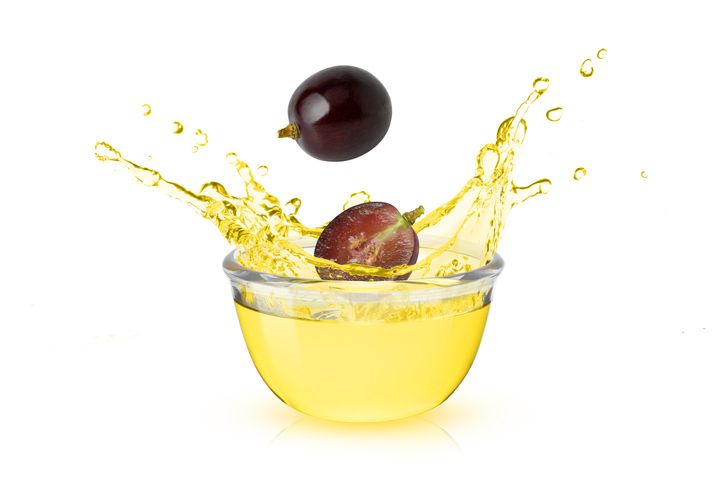
There are four main methods to extract grapeseed oil: traditional pressing (cold pressing or hot pressing), solvent extraction, and supercritical fluid extraction. Extraction methods affect the oil’s taste, color, and nutritional content.
1. Cold Pressing
Cold pressing is a traditional, common method. Grape seeds are mechanically pressed to release the oil at low temperatures, preserving natural nutrients, flavor, and color. It also improves oxidation stability, which extends shelf life.
2. Hot Pressing
Hot pressing uses high heat to increase yield but may damage some nutrients. While effective for commercial production, consumers should weigh nutritional loss against higher output.
3. Solvent Extraction
This method uses chemical solvents, typically hexane, to extract oil. It produces higher yields but requires careful removal of residual solvents. Solvent-extracted oil is considered refined, with lower nutritional value, but is safe for consumption.
4. Supercritical Fluid Extraction
A newer technique using supercritical CO₂ as a solvent. Efficient and environmentally friendly, CO₂ leaves no residue, resulting in a purer, safer oil. However, this method is not yet mainstream and requires further research.
Cold pressing is generally preferred for maximum nutrient retention, but the final choice depends on intended use and personal preference.
免費體驗
Thermage FLX 5th Generation Face Lift Treatment
1 Minute Self-Registration
Date should not be before minimal date
Five Key Nutrients in Grapeseed Oil
Grapeseed oil is packed with beneficial nutrients:
1. Antioxidants
Rich in proanthocyanidins, grapeseed oil neutralizes free radicals, protects cells, supports skin health, and may reduce the risk of chronic diseases like heart disease and cancer.
2. Polyunsaturated Fatty Acids (Omega-6)
Mostly linoleic acid, which supports heart health, lowers bad cholesterol, and improves vascular function. However, excessive intake may promote inflammation; the American Heart Association recommends 5–10% of daily calories from linoleic acid.
3. Vitamin E
Each 100g contains ~1–53 mg of vitamin E, an antioxidant that protects skin cells, reduces wrinkles, and slows aging.
4. α-Tocopherol
A form of vitamin E, present at ~148–358 mg per 100g, higher than in soybean or olive oil, helping combat free radicals and cell aging.
5. Other Nutrients
Grapeseed oil also contains vitamin C, beta-carotene, zinc, magnesium, and more, supporting collagen production, immune function, and cardiovascular health.
Its diverse nutrient profile makes grapeseed oil a popular choice for both cooking and skincare.
Three Skincare Benefits of Grapeseed Oil
1. Antioxidant and Brightening
Its antioxidants combat free radicals, reducing cell damage and fading dark spots.
2. Hormone Regulation and Skin Whitening
Grapeseed oil helps balance hormones, reduce melanin production, and improve skin tone.
3. Cell Renewal and Anti-Wrinkle
It stimulates cell division and tissue regeneration, activating surface cells to reduce wrinkles and delay aging.
These effects are mainly due to linoleic acid and proanthocyanidins, which maintain skin elasticity and smoothness without leaving a greasy feel, suitable for all skin types.
Understanding Omega-3, 6, and 9: Choosing the Best Cooking Oil
Dietary imbalance can lead to chronic inflammation. Nutrition experts suggest selecting oils based on the right Omega balance.
Omega-6 – Found in grapeseed, corn, and sunflower oils. Excess may promote inflammation and increase risks of arthritis, asthma, and atherosclerosis.
Omega-3 – Found in fish oil, flaxseed oil, and walnuts. Anti-inflammatory, supports cardiovascular health, lowers bad cholesterol, and is crucial for brain development.
Omega-9 – Found in olive oil, avocado, and nuts. Helps lower cholesterol and is stable, reducing oxidative stress.
A balanced intake of Omega-3, 6, and 9 is essential. Limit Omega-6-rich oils at home and prioritize Omega-3 and 9 sources for optimal health.
免費體驗
Thermage FLX 5th Generation Face Lift Treatment
1 Minute Self-Registration
Date should not be before minimal date
Beyond Grapeseed Skincare: Thermage FLX
While grapeseed oil is safe and natural, busy urban lifestyles may limit daily skincare routines. For more noticeable results, Perfect Medical Thermage FLX 5th Generation Face Lift Treatment is recommended.
Its smart 4.0 tip delivers energy 4.3mm deep, stimulating collagen regeneration. AccuREP® technology adjusts energy per user for even tightening, improving sagging skin. Enhanced vibration and cooling technology make it more comfortable than other RF treatments.
Perfect Medical currently offers limited-time promotional pricing for online registration.
免費體驗
Thermage FLX 5th Generation Face Lift Treatment
1 Minute Self-Registration
Date should not be before minimal date
FAQ

How to choose grapeseed oil?
Check production methods and intended use. If your goal is nutritional value, other oils may be better. For mild flavor in cooking, grapeseed oil works well. For skincare, verify its presence in product ingredients.
Who should use grapeseed oil?
Generally safe for most, but pregnant, breastfeeding, or planning pregnancy should consult a doctor due to possible residual chemicals.
Any side effects?
Long-term use is mostly safe. Rare reports include mild allergic reactions, nausea, dizziness, or swelling.
How to tell if grapeseed oil is high quality?
Mild or grape-like scent. Pale green or yellow-green color. Refractive index: 1.4700–1.4750 (25°C). Linoleic acid: 70–76%. Clear after freezing.
Can grapeseed oil be consumed raw?
Yes. Daily intake of 6–8 ml helps regulate blood lipids and may prevent cardiovascular, diabetes, and gastrointestinal issues.