- Home
- Trend
- Weight Loss Strategies
- Acne Tips
- Hair Health Information
- Blemish Removal Tips
- Acne Scar Removal Tips
- Muscle Building Techniques
- Intimate Care Tips
- Postpartum Intimate Care
- Eye Bags Wiki
- Tips for Face Slimming
- Secret of Permanent Hair Removal
- Breast Enlargement Tips
- Cure to Snoring
- Marionette Lines
- Skin-Tightening Secrets

Is your skin feeling dehydrated? Are you sure you have dry skin—or have you been caring for it the wrong way all along? This guide explores the causes, symptoms, and care tips for dry skin, along with dermatologist-recommended moisturizing strategies to help you restore healthy, radiant, hydrated skin.

1. What Is Dry Skin?
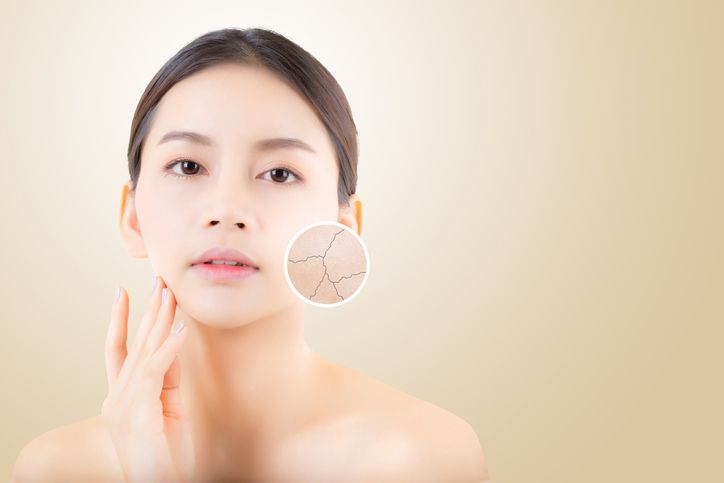
Dry skin, also called xerosis, lacks sufficient water and oil, weakening the skin barrier and reducing moisture retention. Visibly, it may appear rough, dull, and less elastic, with severe cases showing flaking or cracking. People with dry skin often feel tightness, especially after cleansing.
2. The Connection Between Dry and Sensitive Skin

Some individuals have both dry and sensitive skin. Sensitive skin is usually thinner and more fragile, prone to water loss and overreacting to external stimuli, resulting in redness, itching, burning, or tightness.
If you have dry skin, pay special attention to product ingredients—opt for alcohol-free, fragrance-free, and colorant-free low-irritant products. Understanding your skin type is the first step toward a suitable skincare routine.
免費體驗
Thermage FLX 5th Generation Face Lift Treatment
1 Minute Self-Registration
Date should not be before minimal date
3. Common Causes of Dry Skin
Understanding the causes helps address dryness at its root and choose the most suitable moisturizing products:
1. Genetics:
Inherited factors can lead to naturally dry skin, affecting sebum production and skin hydration.
2. Environmental Factors:
3. Cold, dry weather: Low humidity accelerates water loss, common in Hong Kong’s autumn and winter.
Hot weather: Summer heat and sun exposure, or prolonged air-conditioning, can also dehydrate skin.
4. Lifestyle Habits:
5. Over-cleansing: Harsh cleansers or frequent washing strip natural oils, damaging the skin barrier.
Hot showers: Excessively hot water reduces skin’s moisture retention.
Insufficient water intake: Busy lifestyles may lead to dehydration affecting skin hydration.
Irritating products: Alcohol or fragrance-containing skincare can worsen dryness and sensitivity.
6. Diseases and Medications:
7. Skin conditions: Eczema, atopic dermatitis, or psoriasis reduce barrier function and cause dryness.
Systemic conditions: Hypothyroidism or diabetes can contribute to dry skin.
Medications: Radiotherapy, chemotherapy, or dialysis may cause dryness.
Aging: After 40, skin naturally produces less oil and retains less water.
8. Other Factors:
9. Hormonal changes: Pregnancy or menopause can affect skin hydration.
Nutritional deficiencies: Lack of vitamins or essential fatty acids can worsen dryness.
4. Common Characteristics of Dry Skin
Recognize these features to determine if you have dry skin and adjust your routine accordingly:
1. Rough texture rather than smooth and soft.
2. Dull appearance, lacking natural radiance.
3. Tightness, especially after cleansing.
4. Flaking or peeling.
5. Prone to itching and inflammation.
6. Small, less visible pores.
7. Less prone to acne or breakouts.
8. Fine lines and wrinkles appear earlier.
9. Severe dryness may cause cracking.
5. How to Diagnose Dry Skin
Dry skin can be diagnosed through:
1. Medical history: Symptoms, lifestyle, and medications.
2. Visual observation: Dryness, flaking, inflammation.
3. Instrument testing: Measures skin moisture and oil content for precise evaluation.
Self-tests:
• Oil blot test: Press blotting paper on the face. Little to no oil (except T-zone) indicates dry skin.
• Post-wash test: Skin feels tight or flakes after cleansing without product.
• Observation test: After morning wash, skip skincare and observe until noon—if the skin remains tight and dry, it’s likely dry skin.
免費體驗
Thermage FLX 5th Generation Face Lift Treatment
1 Minute Self-Registration
Date should not be before minimal date
6. Key Skincare Tips for Dry Skin
1. Gentle Cleansing:
• Use soap-free, low-irritant cleansers.
• Avoid harsh exfoliants; dry skin has a thinner stratum corneum.
• Use lukewarm water; avoid hot water.
• Limit washing to twice a day.
2. Enhanced Moisturizing:
• Apply a hydrating toner immediately after cleansing.
• Use hydrating serums or creams to lock in moisture and protect the skin barrier.
• Look for ingredients like ceramides, hyaluronic acid, and glycerin.
• Carry a hydrating mist for on-the-go moisture.
• Apply hydrating masks regularly for deep hydration.
3. Avoid Irritants:
• Prefer fragrance-free, colorant-free, alcohol-free products.
• Avoid excessive massage or friction.
4. Lifestyle Adjustments:
• Ensure sufficient sleep; avoid late nights.
• Eat a balanced diet rich in fruits and vegetables.
• Drink plenty of water.
• Maintain moderate indoor humidity (use a humidifier).
• Apply broad-spectrum sunscreen daily.
7. Dietary Tips for Dry Skin
Healthy skin comes from inside and out:
• Hydration: Drink enough water daily.
• Healthy fats: Consume Omega-3-rich foods like salmon, nuts, and flaxseeds.
• Vitamins & minerals: Include foods rich in Vitamins A, C, E, and zinc (carrots, citrus, leafy greens, whole grains).
• Avoid irritants: Reduce spicy, fried, and processed foods.
8. Recommended Ingredients for Dry Skin Products
Look for these ingredients to restore the skin barrier and maintain hydration:
• Ceramides: Repair barrier, lock in moisture.
• Hyaluronic Acid: Deep hydration, retains water.
• Glycerin: Attracts moisture from the air.
• Squalane: Highly compatible, softens skin.
• Shea Butter: Rich in fatty acids, nourishes and protects.
• Glacier Glycoproteins: Anti-dryness, protect against cold.
• Vitamin E: Antioxidant, skin repair.
Product Recommendations:
| Product | Key Benefits |
|---|---|
| CeraVe Gentle Cleanser | Mild, non-irritating, cleans while preserving moisture barrier |
| CeraVe Moisturizing Lotion/Cream | Long-lasting hydration, soothes dry skin |
| Kiehl’s Glacier Glycoprotein Cream | Lightweight, high hydration, suitable for all skin types |
| Kiehl’s Super Multi-Corrective Cream | Counteracts dullness, deeply hydrates, firms mature skin |
免費體驗
Thermage FLX 5th Generation Face Lift Treatment
1 Minute Self-Registration
Date should not be before minimal date
9. Oily T-Zone? Combination Skin Care
If your T-zone is oily while cheeks are dry, you likely have combination skin. Use lighter, oil-free moisturizers on the T-zone, and richer creams on dry areas. Knowing your skin type ensures optimal product choice.
10. Dry Skin’s Biggest Challenge: Aging, Dehydration, and Wrinkles
For plump, smooth, and firm skin, try Thermage FLX 5th Generation Face Lift Treatment. Perfect Medical offers a non-invasive, monopolar radiofrequency treatment with the 4.0 SmartTip, penetrating 4.3mm to stimulate collagen production. Benefits include:
• Lifting facial contours
• Anti-aging and wrinkle reduction
• Firming and plumping
• Enhancing cheeks, reducing double chin
No downtime, natural results, and safe even for those sensitive to pain. Limited-time promotions allow easy online registration for trial sessions.
Register Now: Perfect Medical Thermage FLX 5th Generation Face Lift Treatment免費體驗
Thermage FLX 5th Generation Face Lift Treatment
1 Minute Self-Registration
Date should not be before minimal date
FAQ

I have an oily T-zone but dry cheeks. What is my skin type?
Likely combination skin; care must target different areas differently.
Can dry skin use hydrating masks daily?
Recommended 2–3 times per week; overuse may stress the skin.
Should dry skin exfoliate?
Yes, but use gentle exfoliants and avoid excessive rubbing.
Are oily moisturizers better for dry skin?
Can be used moderately; ensure ingredients are safe to avoid breakouts. Consult a dermatologist if unsure.
How to choose moisturizing products?
Look for hyaluronic acid, glycerin, ceramides, and match texture to your skin type.