- Home
- Trend
- Weight Loss Strategies
- Acne Tips
- Hair Health Information
- Blemish Removal Tips
- Acne Scar Removal Tips
- Muscle Building Techniques
- Intimate Care Tips
- Postpartum Intimate Care
- Eye Bags Wiki
- Tips for Face Slimming
- Secret of Permanent Hair Removal
- Breast Enlargement Tips
- Cure to Snoring
- Marionette Lines
- Skin-Tightening Secrets

Dry skin — often referred to as dehydrated or moisture-deficient skin — is a skin type that lacks both oil and water. Because of this, it tends to feel tight, rough, or flaky, and shows signs of aging more quickly. The main culprit behind dry skin is insufficient sebum production, which weakens the skin’s protective barrier and limits its ability to retain moisture.
If this sounds familiar, don’t worry — we’ve got you covered. Below, we’ll break down the 8 most common signs of dry skin, explain how it differs from other skin types, and share a dermatologist-recommended skincare plan to restore your skin’s balance. And stay tuned — at the end, we’ll reveal an advanced treatment that deeply rejuvenates dry, tired skin from within.

8 Signs of Dry Skin You Shouldn’t Ignore

1. Persistent dryness — Your skin often feels tight or rough, especially after washing or in dry, cold weather.
2. Tightness and lack of elasticity — You may feel uncomfortable tension across your face.
3. Flakiness — The outer layer sometimes peels or flakes, particularly in winter.
4. Fine lines — Dehydrated skin tends to show early lines around the eyes and mouth.
5. Rough or dull texture — Skin can appear uneven or lackluster.
6. Sensitivity or itchiness — A weakened skin barrier makes it prone to irritation and allergic reactions.
7. Water–oil imbalance — Skin loses moisture quickly but doesn’t produce enough oil to compensate.
8. Severe dryness or cracking — In extreme cases, the skin may develop micro-cracks or even mild eczema.
Understanding the 4 Main Skin Types
Oily Skin
Oily skin produces excess sebum, especially in the T-zone (forehead, nose, chin). It often appears shiny and is prone to clogged pores and breakouts. The goal for oily skin is oil control with hydration balance — lightweight, non-comedogenic products work best.
Dry Skin
Dry skin lacks sebum, making it prone to tightness, flakiness, and fine lines. Its barrier function is weaker, so it’s easily irritated by harsh weather or products. Deep hydration and barrier repair are essential — avoid over-cleansing or using products that strip moisture.
Combination Skin
This skin type has an oily T-zone but dry cheeks. The dual nature means you’ll need to treat different areas differently — oil control for the T-zone, hydration for the cheeks.
Sensitive Skin
Sensitive skin reacts easily to temperature changes, environmental stress, or certain ingredients. It may sting, itch, or turn red. Choose gentle, fragrance-free formulas that support the skin barrier without irritation.
免費體驗
Thermage FLX 5th Generation Face Lift Treatment
1 Minute Self-Registration
Date should not be before minimal date
Top 3 Causes of Dry Skin

1. Environmental Factors
Cold, dry climates and constant air conditioning can strip moisture from your skin. UV exposure also damages the skin barrier, reducing its ability to retain water.
2. Lifestyle Habits
Over-cleansing, harsh exfoliation, and using unsuitable products can all deplete natural oils. Poor diet, lack of sleep, and stress slow down cell renewal, leading to dullness and dryness.
3. Biological or Medical Factors
As we age, our skin produces less oil and collagen, making it drier and thinner. Certain medical conditions (like eczema) and medications can also trigger or worsen dryness.
Dermatologist-Recommended Routine for Dry Skin
1. Gentle Cleansing
Use a mild, soap-free cleanser without alcohol or fragrance. Wash with lukewarm water — hot water strips the skin’s natural oils. Pat your face dry with a soft towel instead of rubbing.
2. Deep Hydration
Hydration is the foundation of dry-skin care. Layer products from light to rich textures: toner → serum → cream → mask. Look for ingredients like hyaluronic acid, ceramides, niacinamide, and squalane to replenish and lock in moisture.
3. Smart Moisture Techniques
Try a short toner mask (cotton pads soaked in hydrating toner for 5–10 minutes) or the “sandwich” method — toner, serum, then cream to seal everything in.
4. Healthy Lifestyle Adjustments
Drink enough water, eat foods rich in vitamins and healthy fats, and maintain indoor humidity around 50–60%. Always wear sunscreen and avoid irritants like alcohol and artificial fragrance.
The Ultimate Solution for Dry Skin — Perfect Medical Thermage FLX
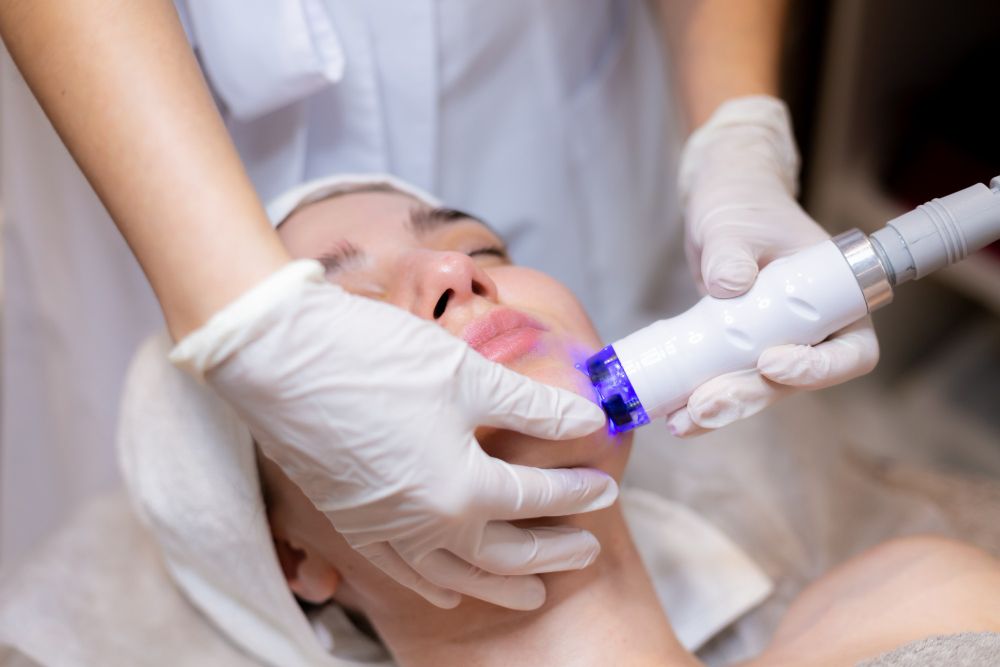
If your dry skin still feels tight or dehydrated despite diligent care, it’s time for an upgrade. The Perfect Medical Thermage FLX 5th Generation Face Lift Treatment offers a non-invasive, pain-free solution that hydrates, firms, and revitalizes from deep within.
Using patented monopolar radiofrequency technology, Thermage FLX delivers controlled heat to the 4.3mm SMAS layer, tightening skin and stimulating collagen renewal. The treatment is completely comfortable — no pain, no downtime, no risk. After just one session, skin feels smoother, firmer, and visibly more radiant — even for sensitive or dry skin types.
Experience it for yourself: book a professional skin analysis and your Thermage FLX treatment today to restore youthful, hydrated skin with lasting radiance.
免費體驗
Thermage FLX 5th Generation Face Lift Treatment
1 Minute Self-Registration
Date should not be before minimal date
FAQ

Do I need to use a hydrating mask every day?
No. Two to three times a week is sufficient.
What should sensitive dry skin use?
Opt for simple, fragrance-free, alcohol-free formulas.
How can I prevent dryness in air-conditioned environments?
Use a humidifier and keep your skin hydrated throughout the day.
What should pregnant women with dry skin be aware of?
Stick to safe, gentle moisturizing products.
How should dry skin in babies be treated?
Use mild, baby-specific moisturizers that strengthen and protect their delicate skin.