- Home
- Trend
- Weight Loss Strategies
- Acne Tips
- Hair Health Information
- Blemish Removal Tips
- Acne Scar Removal Tips
- Muscle Building Techniques
- Intimate Care Tips
- Postpartum Intimate Care
- Eye Bags Wiki
- Tips for Face Slimming
- Secret of Permanent Hair Removal
- Breast Enlargement Tips
- Cure to Snoring
- Marionette Lines
- Skin-Tightening Secrets

Many people have probably heard of the chemical term “amino acids.” But did you know that amino acids are also a valuable ingredient in skincare and beauty? In recent years, amino acids have gained widespread attention in the beauty industry, with more and more brands incorporating them into their products. Research shows that amino acids can help maintain youthful, healthy skin. They not only help restore skin elasticity and hydration but also reduce the likelihood of fine lines and wrinkles, keeping skin looking youthful. This article will provide a comprehensive look at amino acids, including their types, benefits, and suitable user groups.

What are Amino Acids?
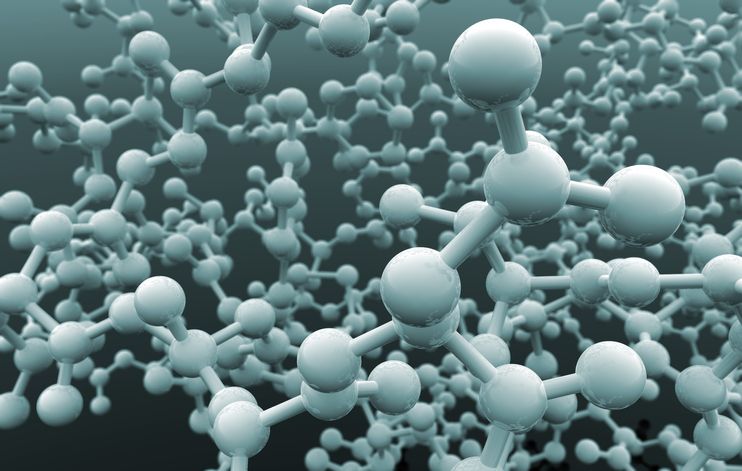
Amino acids are essential organic compounds in living organisms, composed of an amino group (-NH2), a carboxyl group (-COOH), and a side chain attached to each amino acid. They are also the main building blocks of proteins. Thanks to amino acids, proteins can form specific molecular structures and possess biochemical activity. Amino acids provide energy for the body and brain, making them fundamental to life.
The core structure of an amino acid is a central carbon atom (also called an α-carbon). This central carbon is bonded to an amino group, a carboxyl group, and a side chain (or R group). These groups are chemically linked to form the molecular structure of an amino acid.
There are 20 common amino acids in living organisms, known as "standard amino acids." Each amino acid has a unique side chain (R group), giving it specific properties and spatial structure. This is why each amino acid has distinct physical and chemical characteristics and can serve different functions.
Types of Amino Acids
According to nutrition science, amino acids can be divided into essential and non-essential amino acids.
i. Essential Amino Acids
Essential amino acids cannot be produced by the body and must be obtained through diet. They are vital for growth, health maintenance, and immune function. A deficiency can impair protein synthesis and other critical biological processes, potentially leading to reduced immunity, anemia, and muscle wasting. Among the 20 amino acids humans need, nine are essential:
• Histidine – used in biochemical reagents and treatments for heart disease, anemia, and rheumatoid arthritis.
• Isoleucine – supports metabolism in the thymus, spleen, and pituitary gland, aids muscle recovery, and can serve as an energy source.
• Leucine – helps maintain balanced levels of isoleucine in the body.
• Lysine – promotes brain development, fat metabolism, and regulates mammary glands, ovaries, and other organs, preventing cell degradation. It is also important for liver and gallbladder function.
• Methionine – helps form hemoglobin and serum proteins and supports spleen, pancreas, and lymphatic function.
• Phenylalanine – may reduce kidney and bladder function loss.
• Threonine – helps convert certain amino acids to maintain balance.
• Tryptophan – stimulates the production of gastric and pancreatic juices.
• Valine – helps maintain normal function of ovaries, mammary glands, and corpus luteum.
ii. Non-Essential Amino Acids
Non-essential amino acids can be synthesized by the body. While called “non-essential,” they are still critical. A deficiency can negatively impact health. There are eleven non-essential amino acids: alanine, arginine, asparagine, aspartic acid, cysteine, glutamic acid, glutamine, glycine, proline, serine, and tyrosine.
免費體驗
Thermage FLX 5th Generation Face Lift Treatment
1 Minute Self-Registration
Date should not be before minimal date
Benefits of Amino Acids
i. Protein Formation
Amino acids are the building blocks of proteins, which are crucial for life. Proteins support cell structure, transmit signals, carry molecules, and catalyze biochemical reactions. Protein synthesis is directly related to amino acid concentration.
For skin, amino acids promote collagen and elastin production, improving elasticity and firmness, reducing fine lines and wrinkles, and maintaining hydration and radiance. They help combat dryness, roughness, and dullness.
ii. Energy Supply
When carbohydrates and fats are insufficient, the body breaks down proteins into amino acids to supply energy for activity.
iii. Immune Support
Arginine activates immune cells, while proline supports macrophage development and activity. Glutamic acid and cysteine help protect immune cells from oxidative damage.
iv. Cardiovascular Health
Amino acids like arginine, proline, and tyrosine can help lower blood pressure. Tryptophan helps regulate blood lipids, while tyrosine and cysteine act as antioxidants to protect the cardiovascular system.
v. Gut Health
Amino acids support intestinal cell function, nutrient absorption, and immune protection. They also serve as nutrients for beneficial gut microbes, promoting a healthy microbiome.
vi. Brain Function
Amino acids maintain the blood-brain barrier and influence learning and memory. Glutamic acid stimulates brain activity, enhancing cognitive performance.
vii. Psychological Regulation
Amino acids are precursors for neurotransmitters. Tryptophan → serotonin (mood, appetite, sleep); tyrosine → dopamine & norepinephrine (emotion, focus); lysine → peptide neurotransmitters (e.g., growth hormone-releasing factor, oxytocin).
Who Should Supplement Amino Acids?
• Active individuals / athletes – support muscle growth, repair, energy, and performance.
• Elderly – counteract declining muscle mass and metabolism, improve protein absorption.
• Vegetarians / vegans – ensure intake of essential amino acids often found in meat. Beans, nuts, and eggs are recommended.
• Patients with certain diseases – aid recovery and immune function in cancer, gastrointestinal, or chronic disease patients.
Foods That Promote Amino Acid Intake
• Fish – salmon, tuna, cod, mackerel.
• Meat – beef, pork, chicken.
• Dairy – milk, yogurt, cheese.
• Nuts & Seeds – walnuts, almonds, cashews, sesame, pumpkin, sunflower seeds.
• Legumes – soybeans, black beans, red beans, green beans; tofu and soy products are also excellent sources.
免費體驗
Thermage FLX 5th Generation Face Lift Treatment
1 Minute Self-Registration
Date should not be before minimal date
Can Eating Amino Acids Alone Boost Collagen?
Not entirely. As we age, collagen decreases, leading to sagging skin and wrinkles. Dietary amino acids are distributed throughout the body, and the skin may receive very little. To achieve noticeable firming, interventions like Perfect Medical Thermage FLX 5th Generation Face Lift Treatment are recommended.
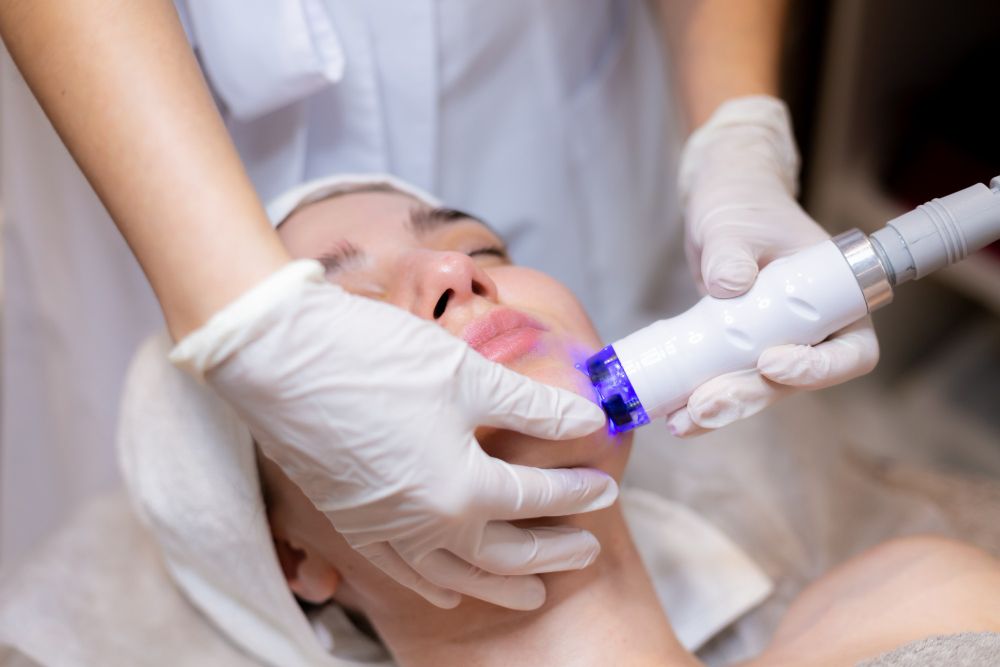
The Thermage FLX uses a new generation 4.0 smart tip, delivering radiofrequency energy to 4.3 mm deep in the skin to stimulate collagen regeneration. AccuREP® technology fine-tunes energy delivery for uniform, full-face lifting. Improved vibration and cooling make the procedure more comfortable than traditional treatments.
免費體驗
Thermage FLX 5th Generation Face Lift Treatment
1 Minute Self-Registration
Date should not be before minimal date
FAQ

Are amino acids the same as proteins?
No. Amino acids are building blocks of proteins. Proteins are complex molecules made of multiple amino acids.
Difference between essential and non-essential amino acids?
Essential amino acids cannot be synthesized by the body; non-essential amino acids can.
Which foods are rich in amino acids?
Beef, lamb, black beans, eggs, milk, and more.
Can amino acids maintain youthful skin?
Yes. They boost collagen and elastin, improve elasticity and firmness, reduce fine lines, and help retain moisture and radiance.
Is Thermage FLX 5th Generation safe?
Yes. It uses monopolar RF technology with international safety certifications and advanced AccuREP® tech for precise, comfortable treatment.