- Home
- Trend
- Weight Loss Strategies
- Acne Tips
- Hair Health Information
- Blemish Removal Tips
- Acne Scar Removal Tips
- Muscle Building Techniques
- Intimate Care Tips
- Postpartum Intimate Care
- Eye Bags Wiki
- Tips for Face Slimming
- Secret of Permanent Hair Removal
- Breast Enlargement Tips
- Cure to Snoring
- Marionette Lines
- Skin-Tightening Secrets

How long do dark acne marks take to disappear? For many people dealing with acne, the most frustrating issue is not the breakout itself, but the dark acne scars, red marks, and uneven texture left behind. These common skin concerns can make the complexion look dull and uneven, robbing the skin of its natural radiance — and even makeup struggles to adhere smoothly.
In fact, most dark acne scars and red marks are caused by post-inflammatory pigmentation or pigment deposition following inflammation. If left untreated, they can become stubborn marks that are difficult to fade. In this guide, we’ll break down the five major types of acne marks and scars, along with the most effective improvement strategies, to help you regain clear, smooth, and even-toned skin.

A Complete Breakdown of the 5 Major Types of Acne Marks
1. Dark Acne Marks (Post-Inflammatory Hyperpigmentation)
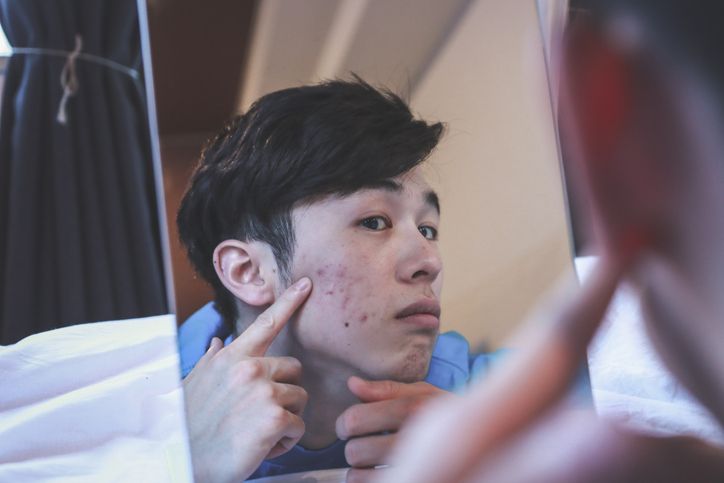
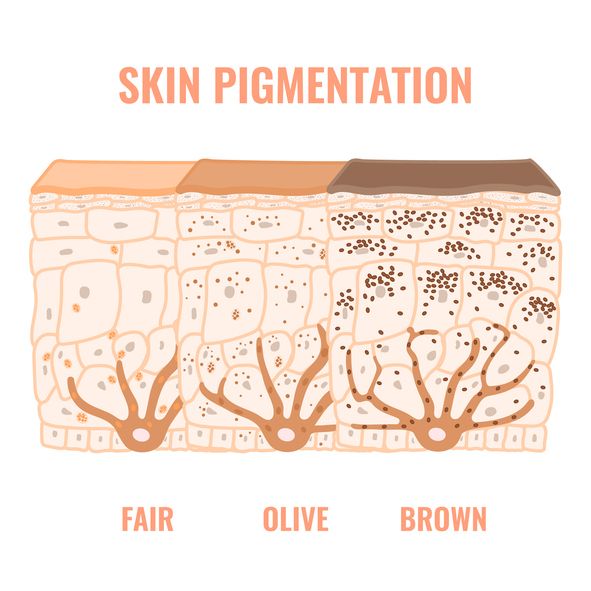
Dark acne marks are among the most common types of acne scars and are caused by melanin overproduction following skin inflammation. When acne ruptures or is squeezed, the skin produces excess melanin during the repair process, resulting in dark pigmentation.
These marks typically appear brown to dark brown and make the complexion look uneven and dull. They usually take several weeks to months to fade gradually. When paired with brightening or spot-fading skincare products, results tend to improve more noticeably.
2. Red Acne Marks (Capillary Dilation Type)
Red acne marks occur when the microcapillaries in inflamed areas have not fully recovered after acne subsides. These marks appear pink to red, feel smooth to the touch, and usually fade over time if there is no indentation.
However, repeated irritation may worsen the condition and lead to more prominent red scarring. To improve red acne marks, calming and reparative skincare or medical aesthetic laser treatments can help constrict blood vessels and even out skin tone.
3. Atrophic Acne Scars (Tissue Damage Type)
When deep skin tissue is severely damaged by inflammation, atrophic (depressed) acne scars may form. These scars are not pigment-related but result from collagen and tissue loss beneath the skin.
Atrophic scars are difficult to repair with skincare alone. Professional treatments such as picosecond lasers or collagen induction therapies are typically recommended to rebuild skin structure and improve overall texture.
4. The Difference Between Dark Acne Scars and Red Acne Scars
Many people confuse dark and red acne scars, but their causes are fundamentally different. Dark acne scars are caused by melanin deposition and are pigment-related, while red acne scars result from vascular reactions following inflammation.
Dark scars appear dull or brownish, while red scars have a pink or red tone. Understanding the distinction allows for targeted treatment and prevents ineffective skincare routines from slowing the fading process.
5. Combination Acne Marks: Red and Dark Marks Coexisting
In some cases, a single acne lesion may leave both red and dark marks behind. This indicates that the skin has experienced both inflammation and pigment deposition.
Combination acne marks take longer to fade and require a dual approach focused on calming, repairing, and brightening the skin. When combined with professional aesthetic treatments, significant improvement in skin tone and texture can often be seen within a shorter timeframe.
A Professional Breakdown of 5 Effective Treatments for Dark Acne Marks: Doctors Explain What Truly Works for Fading Pigmentation
1. Picosecond Laser: A Precision Solution for Breaking Down Melanin
Picosecond laser technology delivers ultra-short bursts of energy to shatter melanin into microscopic particles, allowing the body to metabolize and eliminate pigment more efficiently. It effectively treats both superficial and deep pigmentation.
Compared to traditional lasers, picosecond lasers cause less thermal damage to the dermis while stimulating collagen production, resulting in firmer and smoother skin. Sun exposure should be avoided before and after treatment to prevent photosensitive reactions.
2. Skin Rejuvenation Lasers and IPL: Improving Uneven Skin Tone
Skin rejuvenation laser treatments and intense pulsed light (IPL) are popular aesthetic options for correcting uneven skin tone caused by dark acne marks.
IPL works gently on the surface to fade pigmentation and brighten the complexion, while skin rejuvenation lasers penetrate deeper to break down residual melanin. When performed by experienced professionals, these treatments can significantly shorten recovery time and enhance overall radiance.
3. Azelaic Acid and Topical Retinoids: Regulating Sebum and Boosting Turnover
In addition to device-based treatments, topical medications and acids can also help improve dark acne marks.
Azelaic acid offers antibacterial benefits and inhibits melanin production while stabilizing sebum secretion and reducing inflammation. Topical retinoids accelerate skin cell turnover, helping dark marks fade gradually. These products should be used under medical guidance to avoid irritation or excessive dryness.
4. Dye Laser Combined with Picosecond Laser: Advanced Treatment for Stubborn Pigmentation
For deep or long-standing dark acne marks, a combination of dye laser and picosecond laser treatments may be recommended.
Dye lasers target vascular abnormalities and pigment irregularities, while picosecond lasers further break down deep melanin. This dual approach delivers enhanced brightening results but requires professional assessment to ensure safety based on skin condition and dermal thickness.
5. Home Care and Oral Support: Making Results Last Longer
Daily skincare plays a crucial role in maintaining treatment results. Products containing brightening and soothing ingredients such as tranexamic acid, arbutin, vitamin C, niacinamide, and azelaic acid can help reinforce fading effects.
For individuals with excessive oil production or recurrent breakouts, doctors may recommend short-term oral retinoids to stabilize skin conditions and prevent new acne marks from forming.
免費體驗
Acne Scarring Treatment
1 Minute Self-Registration
Date should not be before minimal date
5 Key Factors That Affect How Quickly Dark Acne Marks Heal! Treatment Results and Speed Depend on Individual Skin Repair Ability
1. Individual Differences: Skin Type and Metabolic Speed Matter
Skin type, metabolism, and repair mechanisms vary from person to person. Healthier skin with faster turnover eliminates melanin more efficiently, allowing dark marks to fade within weeks.
Dry, sensitive, or unstable oily skin tends to heal more slowly. Genetics and age also affect skin regeneration, making recovery timelines highly individual.
2. Depth and Size of Acne Marks: Determining Recovery Duration
The severity of acne marks plays a major role in how quickly they fade. Superficial pigmentation or mild inflammation may improve within weeks, while deep pigmentation or widespread marks can take months or longer.
Deep marks often extend into the dermis and require professional treatments or prolonged care to see visible improvement.
3. Treatment Method and Consistency: Professional Intervention Works Faster
Treatment choice significantly affects fading speed. Medical aesthetic treatments such as picosecond lasers or chemical peels typically produce faster results compared to relying on natural turnover or sporadic skincare use.
Consistent and structured treatment plans are key to achieving visible and lasting improvement.
4. Lifestyle and Daily Care: Internal and External Balance Is Essential
Even the best treatments require healthy lifestyle habits. Lack of sleep, smoking, and poor diet can slow skin metabolism and prolong healing.
Adequate rest, balanced nutrition, hydration, and sun protection help reduce oxidative stress and accelerate skin repair. Regular use of brightening skincare products also supports stable skin condition.
5. Sun Protection and Hydration: Preventing Pigment Rebound
Many people underestimate the impact of UV exposure on dark acne marks. Without proper sun protection, UV rays stimulate melanin activity, causing pigmentation to deepen and delaying fading.
Daily sunscreen use and proper hydration help maintain a healthy skin barrier and significantly speed up recovery.
Whether It’s Dark Acne Marks, Red Scars, or Uneven Texture — Perfect Medical Helps You Achieve Smoother Skin in a Short Time
Acne marks rarely disappear quickly on their own. If you’re looking for a fast and effective skin-renewal solution, Perfect Medical’s Acne Scarring Treatment is worth experiencing.
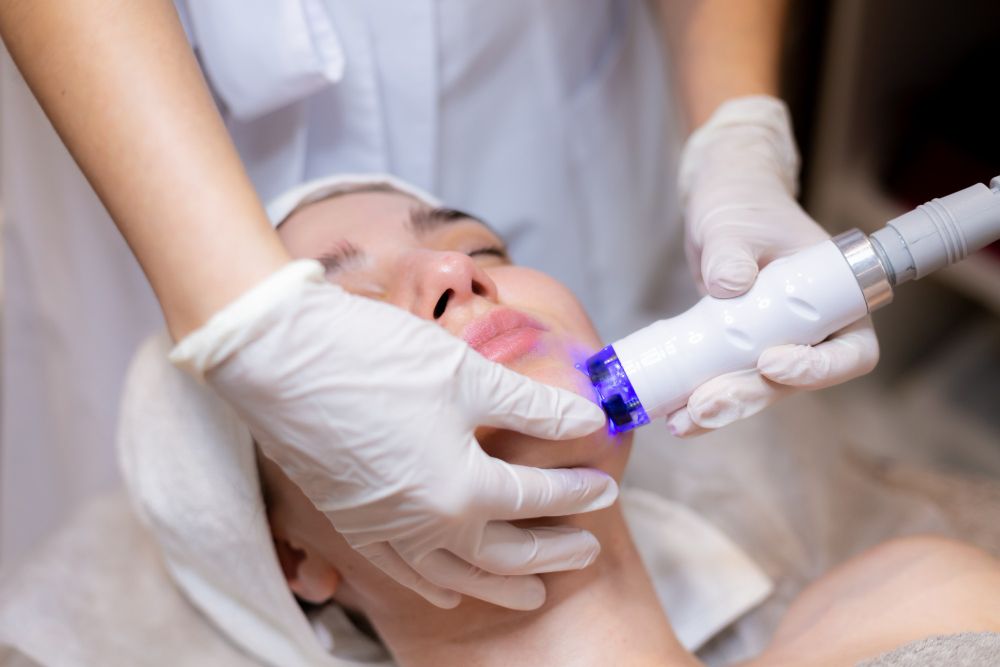
This treatment uses non-invasive, painless laser technology to target deeply embedded pigment accumulated along the basement membrane. It works from within to restore smoothness and clarity throughout the skin.
Perfect Medical’s Acne Scarring Treatment utilizes a 1064nm wavelength laser that penetrates the dermis to precisely break down melanin beneath acne marks. It effectively treats dark, brown, and red acne scars in a single course, allowing pigment fragments to be naturally eliminated through metabolism.
At the same time, the treatment stimulates collagen production, improves uneven texture and enlarged pores, reduces excess sebum, and rebalances oil and moisture from the skin’s foundation.
免費體驗
Acne Scarring Treatment
1 Minute Self-Registration
Date should not be before minimal date
FAQ

1. What is the difference between dark acne marks and red acne marks?
Dark acne marks are caused by pigment deposition, while red acne marks result from vascular dilation.
2. Can dark acne marks be completely removed?
They can usually be significantly faded, but complete removal depends on severity and individual skin type.
3. Is sun protection important for fading dark acne marks?
Yes. Sun protection is essential to prevent pigmentation from darkening.
4. Which aesthetic treatments are most effective for dark acne marks?
Laser treatments and chemical peels generally deliver the best results.
5. Does diet help improve dark acne marks?
A balanced diet provides essential nutrients that support skin repair.