- Home
- Trend
- Weight Loss Strategies
- Acne Tips
- Hair Health Information
- Blemish Removal Tips
- Acne Scar Removal Tips
- Muscle Building Techniques
- Intimate Care Tips
- Postpartum Intimate Care
- Eye Bags Wiki
- Tips for Face Slimming
- Secret of Permanent Hair Removal
- Breast Enlargement Tips
- Cure to Snoring
- Marionette Lines
- Skin-Tightening Secrets

“CO₂ laser risks” refer to the potential side effects and adverse skin reactions that may occur after undergoing fractional carbon dioxide (CO₂) laser treatment. As one of the most widely used laser technologies in medical aesthetics, CO₂ lasers are commonly applied for skin rejuvenation, hair removal, skin brightening, pigmentation treatment, acne scar repair, facial resurfacing, and stretch mark improvement. They are highly effective at stimulating collagen regeneration and improving fine lines and skin texture.
However, while CO₂ laser treatments can deliver noticeable skin-rejuvenating results, they also come with certain risks. Curious about what side effects you may face after laser treatment? This guide takes you through 5 major skin concerns suitable for CO₂ laser treatment, along with potential risks and key precautions, helping you avoid unnecessary skin complications and make informed decisions.

5 Skin Concerns CO₂ Fractional Laser Can Improve: How Does It Stimulate Collagen Production?
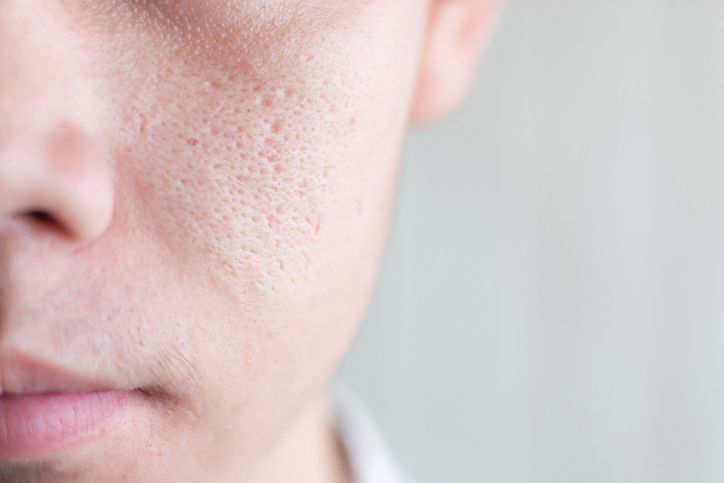
1. Acne Scars & Pitted Scars: Deep Repair for Damaged Skin
For individuals with acne scars or pitted scarring, CO₂ laser energy penetrates deep into the skin layers, breaking down damaged collagen structures and stimulating the production of new collagen to fill depressions. This process effectively smooths uneven texture and reduces the appearance of long-standing scars.
2. Enlarged Pores & Rough Skin Texture: Rebuilding Smooth Skin
CO₂ laser treatment uses high thermal energy to tighten pores and accelerate skin cell turnover, making it especially effective for enlarged pores and rough skin. After treatment, the outer skin layer gradually sheds, revealing a smoother, finer-textured complexion once new skin forms.
3. Fine Lines & Wrinkles: Collagen Regeneration from Within
As collagen naturally declines with age, fine lines and wrinkles become more prominent. CO₂ laser heat stimulates deeper skin layers, encouraging collagen and elastin fibers to reorganize. Over time, fine lines soften and wrinkles become less visible, restoring firmness and elasticity.
4. Uneven Skin Tone & Pigmentation: Brightening Dull Skin
For those troubled by uneven tone or pigmentation, CO₂ lasers help break down excess melanin and accelerate the removal of dead skin cells. This reduces dark spots and dull areas, resulting in a more even, radiant complexion.
5. Overall Skin Quality Enhancement: Full-Spectrum Skin Renewal
Beyond targeting specific concerns, CO₂ laser treatment improves overall skin quality. It can address oil granules, dermal structure weakness, skin laxity, and more. Compared with chemical peels or microneedling, CO₂ lasers deliver deeper repair, faster results, and longer-lasting improvements, making them a popular choice for modern skin resurfacing.
What to Know Before a CO₂ Laser Treatment: 5 Critical Steps in the Procedure Explained
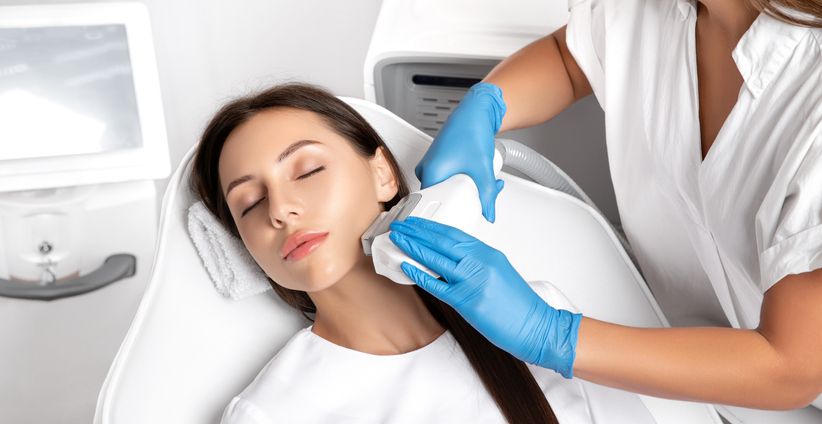
1. Pre-Treatment Preparation: Safety Starts with Self-Awareness
Before undergoing CO₂ laser or pico laser treatments, understanding your own medical and skin history is essential. Always inform your doctor about medical conditions, medication use, allergies, photosensitive drugs, past skin diseases, or a tendency to scar. This information allows physicians to adjust laser settings and avoid excessive skin reactions.
2. Professional Consultation & Assessment: Choosing the Right Plan
Selecting an experienced physician is crucial. During consultation, your doctor will assess your skin condition and recommend the most suitable laser mode—such as fractional or fully ablative CO₂ laser. They will also explain differences in laser technology, energy output, expected results, and possible reactions, ensuring full transparency.
3. Patch Testing: Reducing Allergy Risks
Some clinics perform a patch test prior to full treatment to assess skin tolerance. If abnormal reactions occur, laser settings may be adjusted or treatment postponed to maximize safety.
4. Treatment Process Explained: Precision Energy Application
During the CO₂ laser procedure, the physician adjusts wavelength and energy output according to treatment goals. The laser creates controlled micro-injuries on the skin surface, triggering collagen regeneration and natural repair. Fractional CO₂ laser affects only small, targeted areas, reducing downtime and minimizing risk.
5. Common Laser Modes & Customization
CO₂ laser systems offer multiple modes such as continuous, pulsed, or super-pulsed outputs. Physicians tailor these settings based on treatment objectives—whether for pigmentation, scars, skin resurfacing, or hair removal—ensuring effectiveness while minimizing irritation.
免費體驗
Acne Scarring Treatment
1 Minute Self-Registration
Date should not be before minimal date
CO₂ Laser Side Effects & Potential Risks: 4 Common Post-Treatment Reactions
Common Side Effects (Temporary but Require Care)
1. Redness, Swelling & Pain
These are the most common post-laser reactions. Mild redness, swelling, or a burning sensation may last 3–7 days and can be relieved with cold compresses or prescribed pain relief. Seek medical advice if symptoms worsen.
2. Post-Inflammatory Hyperpigmentation (PIH)
Due to higher melanin activity, Asian skin types are more prone to PIH after CO₂ or pico laser treatments. While usually temporary, insufficient sun protection can prolong recovery. Daily SPF 50+ sunscreen and sun avoidance are essential.
3. Dryness & Skin Sensitivity
Laser treatment temporarily disrupts the skin barrier, causing dryness and tightness. Use gentle, fragrance-free moisturizers and avoid acids or exfoliating products during recovery.
4. Risk of Infection
Improper post-treatment care—such as touching wounds or poor hygiene—can lead to infection. Follow medical instructions carefully, keep the area clean, and avoid makeup until advised.
Moderate Risks: Scarring & Delayed Healing
1. Scar Formation
Excessive laser energy or forcibly removing scabs may result in permanent scarring. Always allow natural healing and choose experienced medical professionals.
2. Delayed Recovery & Uneven Skin Tone
Some individuals may experience longer recovery periods or temporary uneven tone. These issues typically improve with hydration, repair masks, and patience.
Rare but Serious Risks
1. Eye Damage
Laser exposure can harm the eyes if protective eyewear is not worn. Always comply with safety protocols during treatment.
2. Allergic Reactions
A small number of individuals may react to laser heat or topical anesthetics. Those with sensitive skin should notify their physician and consider pre-treatment testing.
Looking for a Safer, Professional Skin Rejuvenation Option? Try Perfect Medical’s Acne Scarring Treatment
Searching for a professional, low-risk solution? Perfect Medical’s Acne Scarring Treatment offers a painless, non-invasive laser approach with no downtime or post-treatment care concerns—delivering visible results in a short time.
This treatment uses a 1064 nm laser wavelength, penetrating the dermis to target pigmentation precisely. One session can significantly reduce dark acne marks, red scars, brown pigmentation, and more. The broken pigment is naturally metabolized while collagen regeneration is stimulated, improving pitted scars, enlarged pores, and excess oil production, restoring balanced, smooth skin.
免費體驗
Acne Scarring Treatment
1 Minute Self-Registration
Date should not be before minimal date
FAQ

1. How many CO₂ laser sessions are needed to see results?
Typically 3–5 sessions are recommended.
2. When can I wear makeup after CO₂ laser treatment?
Usually after one week.
3. Can CO₂ laser cause skin darkening?
Yes, but proper sun protection significantly reduces the risk.
4. How much does CO₂ laser treatment cost?
Costs vary depending on clinic and treatment area.
5. Is CO₂ laser suitable for sensitive skin?
Generally not recommended; consult a doctor first.