- Home
- Trend
- Weight Loss Strategies
- Acne Tips
- Hair Health Information
- Blemish Removal Tips
- Acne Scar Removal Tips
- Muscle Building Techniques
- Intimate Care Tips
- Postpartum Intimate Care
- Eye Bags Wiki
- Tips for Face Slimming
- Secret of Permanent Hair Removal
- Breast Enlargement Tips
- Cure to Snoring
- Marionette Lines
- Skin-Tightening Secrets

Seborrheic dermatitis is a chronic skin condition often caused by yeast and bacterial infections — though it’s not limited to infection alone. Environmental and internal factors can also make the condition worse!
Common symptoms include flaking, itchiness, redness, and greasy skin. How many of these sound familiar to you?
Here, we’ll break down the 6 major causes of seborrheic dermatitis and share professional treatment tips to help you get your skin back on track. Read till the end — you’ll definitely find it worthwhile!

Understanding Seborrheic Dermatitis: Causes and Common Characteristics
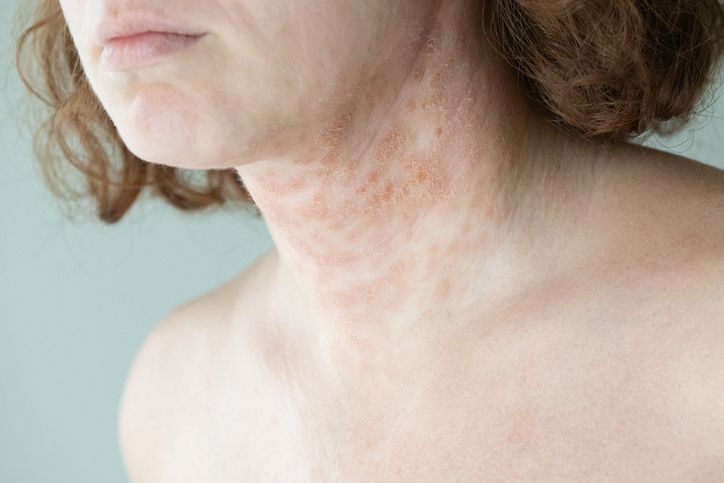
Seborrheic dermatitis is a common chronic inflammatory skin reaction, most frequently seen in areas where sebaceous glands are most active — such as the scalp, forehead, eyebrows, sides of the nose, chin, upper back, and chest.
This condition often appears as red patches, flaking, dandruff, and greasy yellowish or whitish scales. Patients may also experience persistent itching. Its development is closely related to Malassezia yeast and fungal activity, which can disrupt the skin’s barrier and trigger inflammation, making sensitive skin more reactive.
Typical symptoms appear on the forehead, eyebrows, nasal folds, chest, and scalp. By understanding the importance of maintaining the skin’s protective barrier and regulating sebum production, patients can effectively reduce itching and flaking while keeping the skin healthy and comfortable.
Common Symptoms of Seborrheic Dermatitis: See If You Have Any of These 5 Signs!
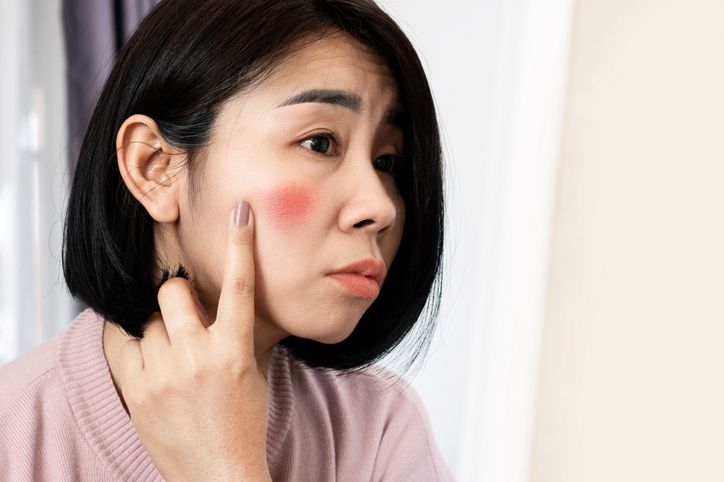
1. Redness and Patches
Seborrheic dermatitis often appears in areas with active sebaceous glands, such as the scalp, eyebrows, sides of the nose, chest, and upper back.
The redness occurs due to inflammation and increased local blood flow, making the skin more sensitive and easily irritated.
2. Flaking and Dandruff
Flaking is one of the hallmark signs of seborrheic dermatitis. Whether on the face or scalp, you may notice oily or dry flakes, especially visible on the scalp. These dead skin cells make the skin appear rough and can cause mild itching.
3. Itchiness and Discomfort
Patients often experience localized itching or a burning sensation, especially on the scalp, chest, and nose area.
Dryness, stress, or sweating may worsen the itching, leading to scratching — which in turn aggravates inflammation and creates a vicious cycle.
4. Greasiness and Excess Sebum
Affected areas often feel oily, particularly around the nose, eyebrows, and chest. Excess sebum not only feeds fungal growth but also causes flakes to stick to the skin, leaving it shiny and uncomfortable.
5. Fluctuating Symptoms and Sensitive Skin
Seborrheic dermatitis tends to flare up and calm down intermittently. Sensitive skin types are especially reactive to climate changes, stress, or certain skincare ingredients, leading to more frequent flare-ups. Understanding these triggers helps you adjust your skincare routine effectively.
免費體驗
Acne Treatment
1 Minute Self-Registration
Date should not be before minimal date
6 Major Causes of Seborrheic Dermatitis: The Culprit Behind It All — Malassezia Yeast!
1. Malassezia and Fungal Overgrowth
Seborrheic dermatitis is strongly linked to Malassezia and other yeast-like fungi that naturally live on the skin.
When these microorganisms overgrow, they release fatty acids and by-products that irritate the skin, triggering inflammation, redness, flaking, and itching.
2. Excess Sebum and Oily Skin Environment
Overactive sebaceous glands create an ideal breeding ground for yeast.
Excess sebum not only promotes microbial overgrowth but also weakens the skin’s barrier, increasing sensitivity and inflammation — explaining why seborrheic dermatitis often comes with oiliness and flaking.
3. Immune Response and Inflammation
Some individuals have heightened immune responses to yeast, causing excessive inflammation and redness.
Stress, fatigue, or irregular sleep can further disrupt immune balance, making symptoms flare more easily.
4. Genetic and Physiological Factors
Seborrheic dermatitis can run in families. If your relatives have experienced similar issues, your likelihood of developing it increases.
Skin type and sebum regulation sensitivity also influence how frequently flare-ups occur and how severe they get.
5. Environmental and Lifestyle Triggers
Seasonal changes, dry air, and temperature fluctuations can easily trigger flare-ups. Poor lifestyle habits — like chronic stress, irregular sleep, or poor diet — weaken the skin’s natural defense, encouraging yeast overgrowth and worsening inflammation.
6. Harsh Ingredients and External Irritation
Skincare or cleansing products containing strong chemicals or fragrances can strip the skin barrier, leading to irritation.
For sensitive skin, such exposure may cause redness, scaling, or inflammation — all of which can aggravate seborrheic dermatitis.
6 High-Risk Groups for Seborrheic Dermatitis: Check If You’re in One of Them!
1. People with Oily Skin
Those with overactive sebaceous glands are more prone to seborrheic dermatitis. Areas like the scalp, nose, chest, and eyebrows accumulate oil that nourishes yeast growth, increasing the risk of inflammation and flaking.
2. Sensitive Skin Types
Sensitive skin reacts strongly to environmental changes or harsh product ingredients. If you already experience redness or flaking, excess oil can make seborrheic dermatitis worse.
3. High-Stress or Irregular Lifestyle
Stress, lack of sleep, and erratic routines can throw your immune system off balance, reducing skin resilience and triggering flare-ups.
4. Genetic Predisposition
If seborrheic dermatitis or similar skin conditions run in your family, your risk is higher — especially during puberty or when sebum production spikes.
5. Certain Health Conditions
People with immune disorders, hormonal imbalances, or chronic illnesses are more susceptible, as their skin responds more strongly to yeast or oil changes.
6. Environmental Sensitivity
Those who are particularly sensitive to dry, humid, or fluctuating climates may also experience frequent flare-ups. Environmental triggers should never be ignored.
Professional Treatments & Skincare Tips for Seborrheic Dermatitis: Start with These 2 Key Steps!
Professional Medical Treatments
1. Antifungal Medication
Since fungal overgrowth is a major cause, antifungal ingredients like ketoconazole can effectively control yeast, reduce redness, flaking, and itchiness.
2. Topical Steroid Creams
Under dermatological supervision, mild corticosteroid creams can help calm inflammation and itching quickly, keeping flare-ups under control.
3. Salicylic Acid and Cleansing Products
Salicylic acid gently exfoliates dead skin and improves texture. Use it alongside antifungal or oil-control shampoos and cleansers for targeted scalp and facial care.
4. Natural Soothing Ingredients
With professional guidance, tea tree oil can be used as a supplementary treatment for its antimicrobial and calming effects on sensitive skin.
Daily Care & Lifestyle Adjustments
1. Hydration & Skin Barrier Care
Use gentle, hydrating lotions to strengthen the skin barrier, reduce dryness, and soothe irritation.
2. Oil Control & Cleansing Habits
Keep your skin clean — but don’t over-wash! Use mild, oil-balancing products to maintain sebum levels and minimize discomfort.
3. Healthy Routine & Stress Relief
Maintain a balanced diet, regular sleep schedule, and stress management habits to help your skin stay calm and resilient.
4. Avoid Harsh Chemicals
Choose low-irritant skincare and cleansing formulas to avoid secondary irritation and help stabilize your skin’s condition.
免費體驗
Acne Treatment
1 Minute Self-Registration
Date should not be before minimal date
Want Seborrheic Dermatitis to Heal Faster? Try Perfect Medical’s Acne Treatment!
There’s no fixed answer to how long seborrheic dermatitis takes to heal — since everyone’s skin type and treatment response are different. But one thing’s certain: Perfect Medical’s Acne Treatment helps you achieve smoother, clearer skin in record time!
This 100% safe, effective, and non-invasive treatment requires no downtime and is perfect for first-timers!
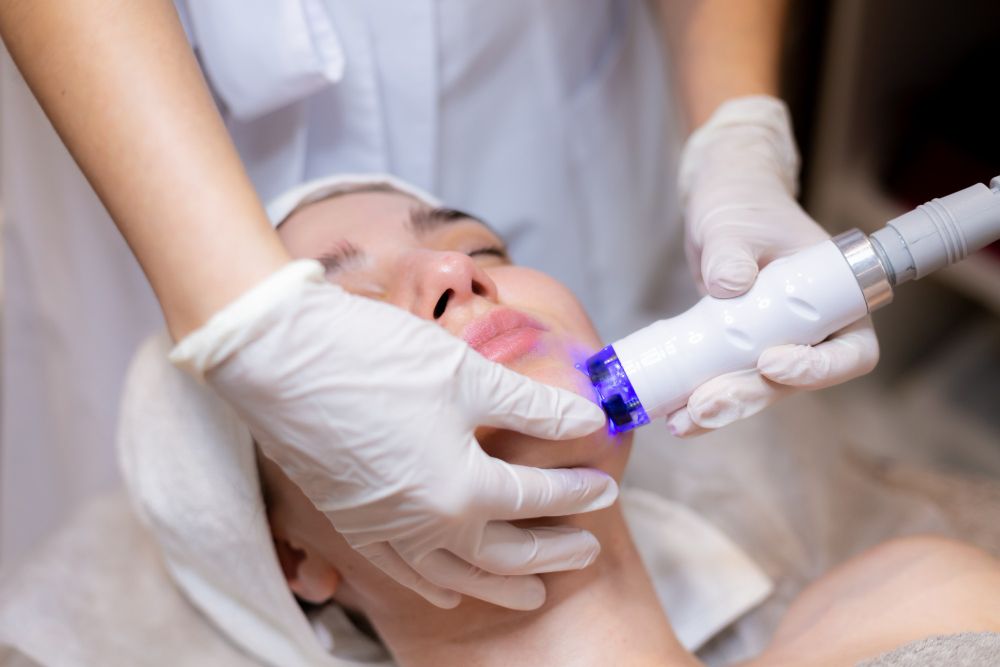
The treatment uses patented dual spiral suction and vacuum microdermabrasion technology, offering deep cleansing and pore purification without pain or irritation. It effectively treats rosacea, acne, blackheads, whiteheads, enlarged pores, rough texture, and dull skin while rebalancing oil and moisture levels for visibly healthier skin.
Come experience it for yourself — enjoy a professional skin analysis + Acne Treatment with our team today!
免費體驗
Acne Treatment
1 Minute Self-Registration
Date should not be before minimal date
FAQ

1. Is seborrheic dermatitis contagious?
No, it is not caused by infectious pathogens and cannot be spread to others.
2. Can seborrheic dermatitis be cured completely?
There’s no permanent cure, but consistent treatment and care can effectively control symptoms.
3. Is washing your hair more often helpful?
Over-washing can irritate the scalp — moderation is key.
4. Does diet affect seborrheic dermatitis?
Spicy or stimulating foods can worsen symptoms. A balanced diet helps recovery.
5. Can stress trigger seborrheic dermatitis?
Yes. Stress may cause or worsen flare-ups — stress management is essential.