- Home
- Trend
- Weight Loss Strategies
- Acne Tips
- Hair Health Information
- Blemish Removal Tips
- Acne Scar Removal Tips
- Muscle Building Techniques
- Intimate Care Tips
- Postpartum Intimate Care
- Eye Bags Wiki
- Tips for Face Slimming
- Secret of Permanent Hair Removal
- Breast Enlargement Tips
- Cure to Snoring
- Marionette Lines
- Skin-Tightening Secrets

Retinol’s benefits are a hot topic among beauty enthusiasts. Many people both love and fear this ingredient, with opinions often divided. Retinol, also known as Vitamin A1, is one of the gentler yet highly effective members of the Vitamin A derivative family. When used correctly, Retinol can tackle a wide range of skin concerns — from firming the skin to stimulating collagen production for impressive anti-aging results.
However, Retinol requires careful handling to achieve smooth, youthful skin without breakouts. This guide covers Retinol usage order, precautions, and 3 potential side effects, so you’ll know exactly how to incorporate it safely into your routine.

Understanding Retinol: The Anti-Aging Skincare Superstar
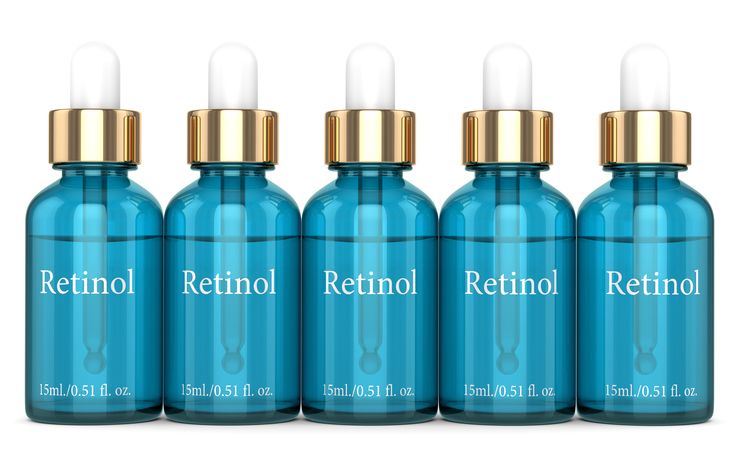
Retinol (Vitamin A1) is one of the most celebrated anti-aging ingredients. It’s a precursor to Retinoic Acid, offering gentler effects while still promoting powerful repair and renewal.
Retinol acts as a cell communication factor, helping skin cells maintain normal metabolic rhythms, encouraging collagen production, and gradually restoring firmness and elasticity.
In skincare, Retinol is commonly included in creams and specialized formulas, especially for early signs of aging, dullness, or rough texture. By promoting surface renewal, Retinol improves skin quality and radiance — making it a key ingredient for both the face and delicate eye area. In essence, Retinol is like a personal trainer for your skin cells, gently awakening a youthful glow.
The Vitamin A Family: 4 Key Members for Skin Renewal
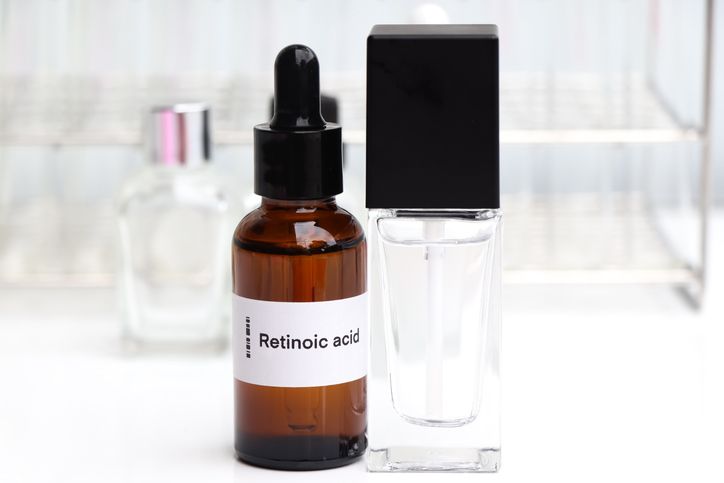
1. Retinoic Acid (Tretinoin): The Most Potent, Direct Option
Retinoic Acid is the most active form of Vitamin A. It binds directly to skin cell receptors, stimulating collagen, promoting exfoliation, and reducing wrinkles and dullness. Medical-grade and highly effective, it can cause peeling or temporary irritation, so professional guidance is essential — especially for first-time users.
2. Retinol: Gentle Yet Highly Effective
Retinol is a milder alternative to Retinoic Acid. It converts into Retinoic Acid within the skin, reducing irritation while still improving collagen production, skin smoothness, and radiance. Perfect for beginners, Retinol is widely used in daily anti-aging skincare routines.
3. Retinal / Retinaldehyde: Fast-Acting Bridge
Retinal is an intermediate between Retinol and Retinoic Acid. Its rapid conversion to Retinoic Acid delivers results faster, while remaining gentler than Retinoic Acid. Retinal is also helpful in reducing acne and breakouts, making it a favorite in high-end anti-aging products.
4. Retinyl Palmitate: Gentle Entry-Level Member
Retinyl Palmitate is ideal for sensitive skin or those new to Vitamin A. Stable and low-irritant, it converts slowly to Retinoic Acid, offering gradual results while building skin tolerance. Often included in moisturizers and eye creams, it provides a mild anti-aging effect.
Choosing the Right Vitamin A Derivative
While all these derivatives improve elasticity and radiance, their strength, conversion rate, and suitability vary. Beginners should start with Retinyl Palmitate or low-concentration Retinol, gradually moving to Retinal or Retinoic Acid as tolerance builds. Always pair with moisturizers and sunscreen to prevent dryness or sensitivity.
免費體驗
Acne Treatment
1 Minute Self-Registration
Date should not be before minimal date
5 Key Benefits of Retinol: Restore Your Skin to Its Best State
1. Boosts Collagen & Reduces Wrinkles
Retinol stimulates collagen and elastin synthesis, reinforcing skin structure for improved elasticity and firmness. Long-term use can reduce the depth of wrinkles, leaving skin smoother and more youthful.
2. Evens Skin Tone & Brightens Dullness
By accelerating cell turnover and pigment metabolism, Retinol diminishes dark spots and uneven tone. Over time, skin becomes brighter, clearer, and radiant — like a skilled artist restoring a canvas.
3. Regulates Exfoliation & Improves Acne
Poor keratin turnover and excess oil contribute to acne and blackheads. Retinol keeps pores clear, balances sebum, and reduces breakout frequency, acting as a skin manager for oily or combination skin.
4. Tightens Pores & Smooths Texture
Aging and collagen loss can enlarge pores. Retinol stimulates collagen regeneration, improving pore appearance and skin texture, leaving a soft-focus, refined finish.
5. Protects the Eye Area & Delays Aging
Thin and delicate, the eye area is prone to fine lines. Low-concentration Retinol supports gentle cell repair, improving dryness, fine lines, and dullness. Eye-specific formulas are safe and effective for brightening and anti-aging results.
Retinol Usage Order, Precautions & 3 Potential Side Effects
Correct Usage Order: Step-by-Step
1. Cleanse: Use a gentle cleanser to remove makeup and impurities.
2. Moisturize Base: Apply toner or lotion to hydrate and protect the skin before Retinol.
3. Apply Retinol: Use a pea-sized amount, evenly across the face, avoiding sensitive areas (eyes, lips, sides of the nose).
4. Wait: Let Retinol absorb for 3–5 minutes.
5. Seal with Moisture: Use a thicker cream or night cream to lock in hydration and reduce irritation.
Precautions: Protect Your Skin
• Build tolerance gradually: Start with low-concentration Retinol 1–2 times a week. Mild peeling or dryness is normal during the adaptation phase.
• Control frequency & concentration: Increase slowly as your skin adjusts. Avoid sudden high concentrations to prevent irritation.
• Pair with gentle ingredients: Hyaluronic acid and ceramides help soothe. Avoid acids or high-dose Vitamin C simultaneously.
• Always use sunscreen: Retinol increases sun sensitivity — apply SPF and avoid direct sun exposure.
3 Common Side Effects
• Dryness, tightness, mild peeling — normal adaptation response
• Redness or stinging — pause use or reduce concentration
• Allergic reaction — stop immediately and consult a dermatologist
Retinol Not Working? Try Perfect Medical’s Acne Treatment
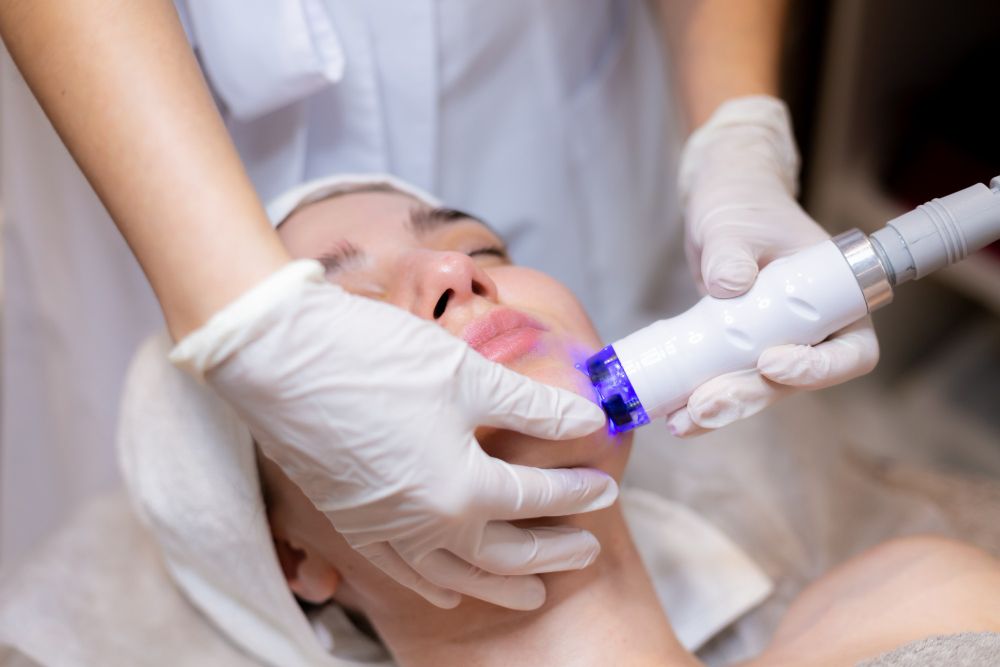
Retinol requires careful use. Improper application can fail to improve acne and may even trigger breakouts. You don’t have to rely solely on topical Retinol to achieve smooth, renewed skin — Perfect Medical’s Acne Treatment delivers professional, safe, and effective skin renewal.
Using non-invasive technology, the treatment gently removes 30–35mm of oil and dead skin cells via dual-spiral suction and vacuum micro-exfoliation, unclogs pores, balances sebum, and stimulates collagen production. Like Retinol, it enhances cell activity and accelerates metabolism, tackling imperfections at the root and achieving acne control and anti-aging results.
免費體驗
Acne Treatment
1 Minute Self-Registration
Date should not be before minimal date
FAQ

Is Retinol suitable for all skin types?
Not always. Sensitive skin should start with low concentrations.
Can Retinol be used during the day?
No — Retinol increases sun sensitivity. Use at night with strict sunscreen during the day.
Is peeling normal?
Yes, mild peeling or redness is part of the adaptation phase.
Difference between Retinol and Retinoic Acid?
Retinol is a precursor that converts into Retinoic Acid in the skin. Retinoic Acid is stronger but more irritating.
Any long-term side effects?
Long-term use is safe if paired with sunscreen and moisturization, avoiding excessive irritation.