- Home
- Trend
- Weight Loss Strategies
- Acne Tips
- Hair Health Information
- Blemish Removal Tips
- Acne Scar Removal Tips
- Muscle Building Techniques
- Intimate Care Tips
- Postpartum Intimate Care
- Eye Bags Wiki
- Tips for Face Slimming
- Secret of Permanent Hair Removal
- Breast Enlargement Tips
- Cure to Snoring
- Marionette Lines
- Skin-Tightening Secrets

Milia-removing skincare products have become increasingly popular in recent years. They help regulate sebum production, addressing the root causes of oil seeds, whiteheads, and acne. Milia — often referred to as hidden oil granules — can feel rough to the touch even if they’re not easily visible.
In this article, we’ll uncover the main causes of milia and recommend 6 affordable and effective skincare products, complete with price references. Stay tuned until the end for a secret weapon that can help eliminate acne, blackheads, and clogged pores safely and effectively!

What Are “Milia”? Understanding Their Formation and Effects
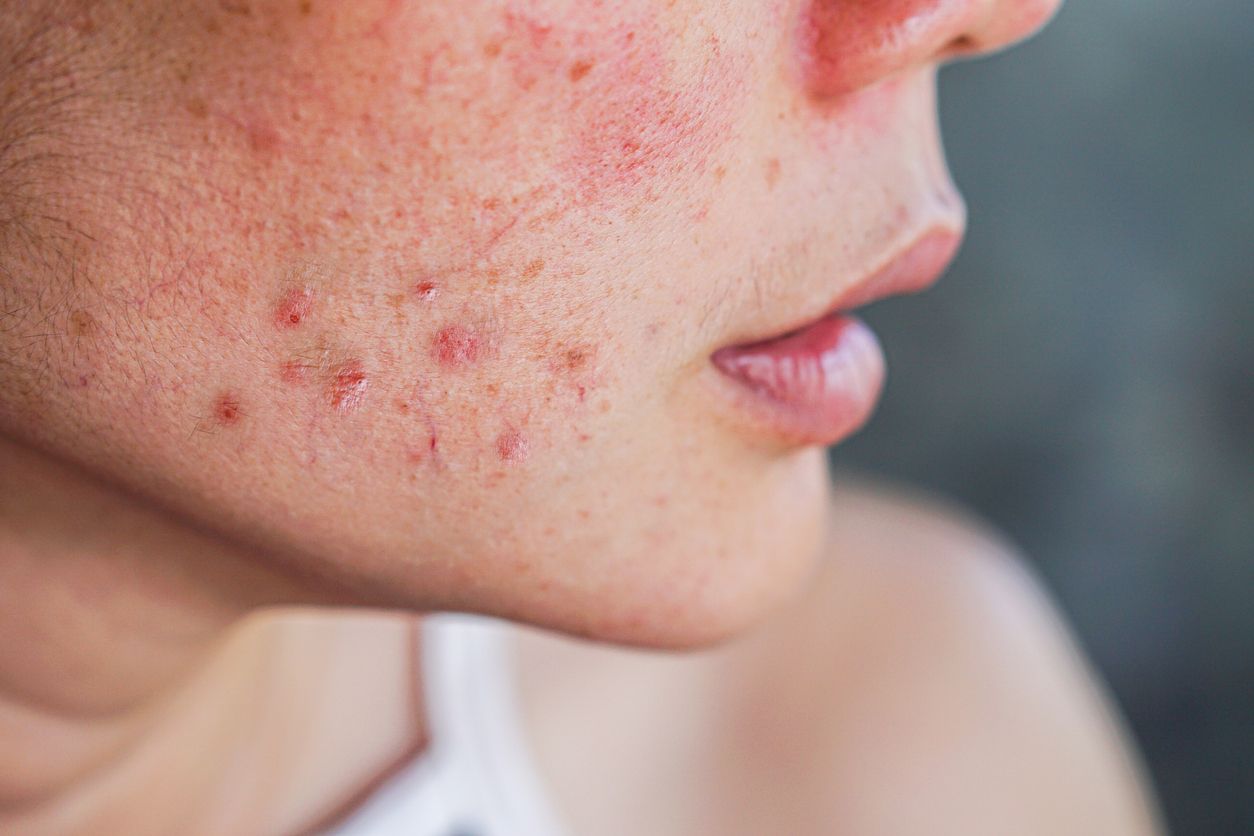
Before choosing a milia-removing product, it’s important to understand what milia actually are. In dermatology, “milia” usually refer to closed comedones (also known as whiteheads) — a mild but stubborn skin concern. They form when excess sebum and dead skin cells clog pores, but unlike blackheads, the pore opening is covered by a layer of keratin.
Because these trapped plugs are sealed off from air, oxidation doesn’t occur, so they appear white or flesh-toned — tiny, raised bumps that create an uneven skin texture when touched.
Although milia don’t cause redness or pain like inflamed acne, they can still lead to:
1. Uneven skin texture – The skin feels rough and bumpy to the touch.
2. Dull, uneven tone – Clusters of milia can make the complexion look less radiant.
3. Poor makeup adherence – Base makeup tends to cling unevenly, causing caking or patchiness.
4. Possible acne development – When oil and keratin continue to accumulate, bacteria can grow inside the pore, eventually leading to inflamed acne.
That’s why selecting effective milia-targeting products and following the correct skincare steps is essential for smooth, clear skin.
What Causes Milia? 4 Key Factors You Must Watch Out For
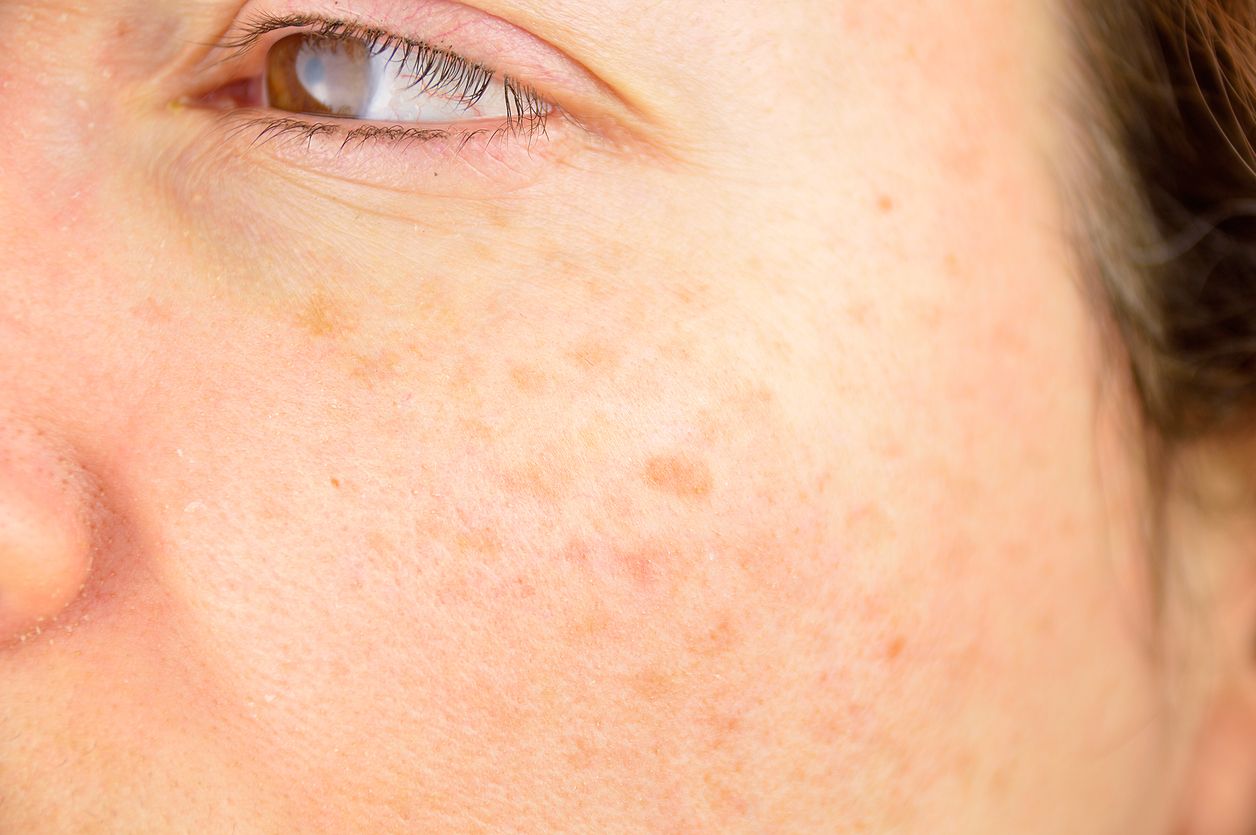
1. Overactive Sebaceous Glands
Excess oil production is the leading cause of milia. When too much sebum is produced, it accumulates around pore openings. Without timely cleansing, the sebum mixes with dust, bacteria, and dead skin, blocking pores and forming whiteheads or blackheads. Though tiny, these oil plugs are the main culprits behind rough and dull-looking skin.
2. Accumulation of Dead Skin Cells
When the skin’s renewal process slows down, dead cells build up on the surface and combine with oil to form keratin plugs. These blockages prevent sebum from being released, increasing the likelihood of milia formation.
3. Hormonal Fluctuations & Endocrine Imbalance
Hormones directly affect sebum production. During puberty, menstruation, stress, or lack of sleep, increased androgen levels stimulate oil glands. Meanwhile, irregular routines and poor diet can further disrupt hormonal balance — leading to oiliness, breakouts, and whiteheads. These hormonally driven bumps usually appear on the chin, jawline, and forehead.
4. Environmental and Lifestyle Factors
Airborne pollutants, dust mites, and prolonged exposure to humid, hot, or overly air-conditioned environments can clog and inflame pores. Habits like touching the face frequently, rarely changing pillowcases, or not cleaning your phone screen transfer bacteria to the skin, aggravating congestion. Over time, your skin’s natural repair ability weakens, causing milia to recur.
免費體驗
Acne Treatment
1 Minute Self-Registration
Date should not be before minimal date
6 Recommended Products for Treating Milia: Regulate Sebum, Remove Dead Skin, and Smooth the Skin
1. The Ordinary AHA 30% + BHA 2% Peeling Solution (30ml)
This viral “red peel” is a cult-favorite exfoliating serum combining 30% AHAs and 2% BHAs to remove dead skin, unclog pores, and refine uneven texture. You may feel a mild tingling sensation during use — apply 1–2 times per week and follow the recommended duration carefully.
2. The Ordinary Salicylic Acid 2% Masque (50ml)
Formulated for acne-prone skin, this 2% salicylic acid mask deeply cleanses pores, removing dirt and excess oil. Charcoal and clay ingredients help purify the skin and reduce congestion, leaving it fresh and matte.
3. Dr. Hsieh Mandelic Acid Renewal Essence (50ml)
Perfect for acid-exfoliation beginners, this gentle mandelic acid essence helps smooth skin texture, minimize pores, and reduce comedones. Mandelic acid’s antibacterial and anti-inflammatory properties also help prevent breakouts while promoting radiance.
4. La Roche-Posay “Blue Bottle” B5 Serum (30ml)
Enriched with Vitamin B5, this soothing serum repairs and strengthens the skin barrier, making it ideal for sensitive skin. It calms irritation from exfoliation or acid peels while enhancing the overall results of your skincare routine.
5. StriVectin Daily Resurfacing Exfoliating Pads
Designed for everyday use, these pads contain multiple AHAs and plant extracts to gently exfoliate and accelerate skin renewal. Great for improving texture and boosting brightness with minimal irritation.
6. Aesop Purifying Facial Exfoliant Paste
This cream-based exfoliant blends lactic acid with natural plant ingredients to slough off dead skin and refine texture. Use 1–2 times weekly for soft, polished skin.
How to Use Milia-Removal Products Correctly: 6 Essential Steps
Choosing the right product is only half the battle — using it properly ensures effectiveness while minimizing irritation.
1. Start with a Clean Face: Always cleanse thoroughly before applying any milia-removing product using a gentle, effective cleanser to remove surface oil and dirt.
2. Follow the Product Instructions: Different products have specific usage guidelines — always read and follow them carefully.
3. Start Slow: When using acids or retinol for the first time, begin with a lower frequency (2–3 times a week) and gradually increase as your skin adapts.
4. Hydrate Well: Exfoliating products can cause dryness — follow with a lightweight moisturizer, gel, or hydrating toner to lock in moisture.
5. Use Sunscreen Daily: Acids and retinol increase sun sensitivity. Always apply sunscreen during the day to protect your skin.
6. Avoid Over-Exfoliation: Too much exfoliation can weaken your skin barrier, making it sensitive and prone to irritation.
Still Not Seeing Results? Try Perfect Medical’s Acne Treatment!
Tried every essence and serum for milia but still not seeing improvement? It might be time to experience a non-invasive, irritation-free medical aesthetic treatment that even sensitive skin can handle!
The Perfect Medical Acne Treatment uses dual-directional spiral suction and vacuum microdermabrasion to deeply cleanse pores and remove trapped oil and dead skin. It’s safe, pain-free, and designed to:
• Unclog and purify pores
• Control oil production
• Calm inflammation
• Restore moisture balance
• Stimulate collagen renewal for smoother, refined skin
Experience professional deep cleansing, oil control, and rejuvenation — all in one treatment. Book your professional skin analysis + Perfect Medical Acne Treatment today!
免費體驗
Acne Treatment
1 Minute Self-Registration
Date should not be before minimal date
FAQ

1. What exactly are milia, and how do they differ from blackheads?
Milia are small bumps commonly found on the forehead or cheeks — including whiteheads, closed comedones, and oil seeds. Unlike blackheads or pimples, they are not inflamed or red but feel grainy when touched.
2. Do milia-removing products need to contain acids?
Not necessarily. While acids like salicylic, mandelic, and glycolic help dissolve keratin and clear pores, sensitive skin types can opt for milder formulas with enzymes, plant extracts, or PHAs.
3. Can I use milia-removing products daily?
It depends on the formula and your skin’s tolerance. Gentle exfoliating pads or serums can be used daily, but higher-concentration acids should be limited to 1–3 times weekly.
4. Can I use milia-removing products with acne medication?
If you’re using acne treatments, avoid layering multiple exfoliating actives (like retinoids and acids) at the same time to prevent dryness or peeling. Always patch-test or consult a dermatologist.
5. How long does it take to see results?
Most people see improvements within 2–4 weeks, depending on skin type and lifestyle. Consistency, proper hydration, and balanced habits are key to long-term prevention.