- Home
- Trend
- Weight Loss Strategies
- Acne Tips
- Hair Health Information
- Blemish Removal Tips
- Acne Scar Removal Tips
- Muscle Building Techniques
- Intimate Care Tips
- Postpartum Intimate Care
- Eye Bags Wiki
- Tips for Face Slimming
- Secret of Permanent Hair Removal
- Breast Enlargement Tips
- Cure to Snoring
- Marionette Lines
- Skin-Tightening Secrets

Many people have heard of using acne patches to remove blackheads, especially the nose strips applied to “strawberry noses.” Each time you peel them off, you’ll often see a noticeable amount of blackheads!
Acne patches come in many forms, not just nose strips. Most are designed for acne-prone or oily skin, whether non-medicated patches or medicated creams, helping prevent skin problems and inflammation from worsening.
Here, we’ll introduce 5 popular types of acne patches widely discussed online, as well as comprehensive methods to solve acne issues, so that by the end, you’ll know how to treat your skin effectively!

Dermatologist Insights: The Root Causes of Acne and Blackheads
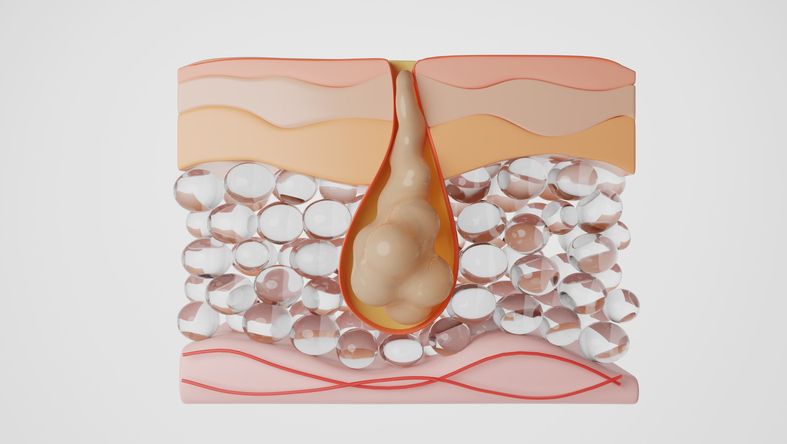
Professional dermatologists explain that acne forms mainly due to the accumulation of keratin cells that block pores. When the follicle opening is clogged with sebum and dead skin cells, it can lead to different types of comedones and inflammatory issues.
Blackheads occur when shallow blockages are exposed to air and oxidize, turning dark. Whiteheads form when the pore is completely closed.
If the blockage worsens, bacteria can proliferate, causing inflamed, pus-filled red acne, or even deeper, persistent cystic acne. Those with oily skin or chronic conditions like rosacea are particularly prone to recurring inflammation and spreading. Therefore, treatments focusing on pore cleansing, oil control, and anti-inflammatory care are especially important.
How Acne Patches Work: Topical Solutions for Pustules & Inflamed Acne
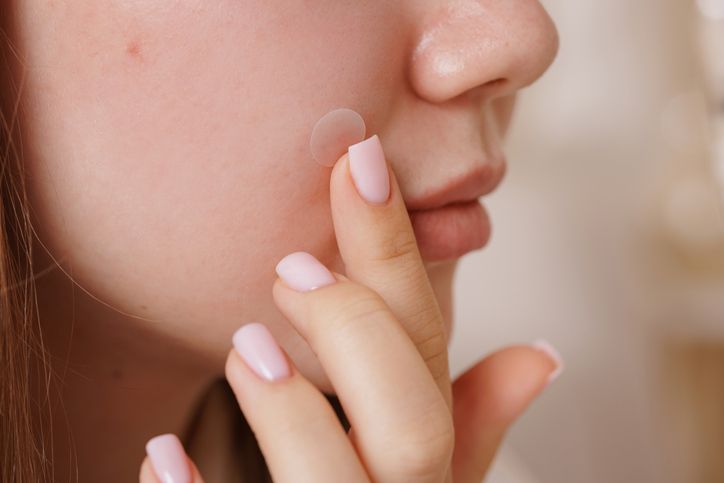
Acne patches are either medicated or non-medicated:
• Medicated patches contain active ingredients like salicylic acid or tea tree oil, which help reduce inflammation and kill acne-causing bacteria.
• Non-medicated patches mainly consist of hydrocolloid material, absorbing pus and protecting damaged acne surfaces, helping them heal faster.
Acne patches are mainly effective for surface-level pustules, while deeper cystic acne or chronic rosacea responds less. Common nose strips, although similar in appearance, target blackheads and work differently. For oily skin, combining acne patches with other oil-control and anti-inflammatory measures maximizes their benefits.
免費體驗
Acne Treatment
1 Minute Self-Registration
Date should not be before minimal date
5 Common Types of Nose Strips & Acne Patches: Choose the Right Product for Different Acne & Comedone Problems
1. Blackhead-Specific: Traditional & Exfoliating Nose Strips
Traditional blackhead strips physically remove sebum and dead skin from clogged pores. Strong adhesives are applied to the nose and peeled off, temporarily removing blackheads. Overuse or aggressive pulling may damage the skin and enlarge pores.
Exfoliating nose strips contain salicylic or fruit acids to soften keratin and prevent blockages, offering a gentler and longer-lasting effect for mild blackheads.
2. Pustule Care: Standard Acne Patches (Medicated or Non-Medicated)
For surface pustules, basic acne patches work well. Non-medicated patches use hydrocolloid to absorb pus and protect the wound, reducing infection risk. Medicated patches with tea tree oil or salicylic acid help accelerate healing through anti-inflammatory action.
3. Deep Acne Solutions: Microneedle Acne Patches
For stubborn cystic or deep inflammatory acne, traditional patches are less effective. Microneedle patches deliver active ingredients (like salicylic acid or vitamin B3) directly into the skin, targeting the inflammation core. Though more expensive, they are effective for early deep acne intervention.
4. Sensitive or Rosacea-Prone Skin: Gentle Anti-Inflammatory Patches
For sensitive or rosacea-prone skin, avoid strong irritants. Choose fragrance-free, alcohol-free patches with mild oil-control, moisturizing, and soothing herbs like centella asiatica or aloe vera to calm redness without stressing the skin.
5. Combination Skin: Using Nose Strips + Acne Patches Together
Those with blackheads on the nose and acne on cheeks or chin can combine products. Use blackhead strips with gentle exfoliation on T-zone areas, and apply acne patches to specific blemishes. Targeted care plus regular maintenance stabilizes overall skin and reduces breakouts.
4 Layers of Complete Skin-Smoothing: From Blackheads to Acne Scars
1. Removing Blackheads: Cleanse + Extract + Promote Renewal
Effective blackhead removal starts with a scientific cleansing and renewal routine. Products containing salicylic or fruit acids soften keratin and unclog pores. Clay or charcoal masks can further deep-clean, removing sebum and impurities. Gentle extraction with a blackhead tool is acceptable, but must follow strict cleansing and disinfection to avoid scarring. Blackhead serums can also soften keratin to reduce pulling damage.
2. Treating Acne: Anti-Bacterial + Anti-Inflammatory + Pore Clearing
Different acne types need different care. Pustules respond well to patches or creams containing tea tree oil, salicylic acid, or phenoxyethanol to dry pus and reduce redness. Deep cystic acne may require professional techniques (chemical peels, laser) rather than manual squeezing. Oil control and regular exfoliation are key to prevent bacterial overgrowth.
3. Fading Acne Marks: Repair with Moisture + Renewal
After acne heals, fading marks becomes the focus. Ingredients like fruit acids, tranexamic acid, and vitamin C suppress pigmentation and accelerate skin renewal. Daily moisturizing and sunscreen help prevent further dark spots. Stubborn marks may benefit from chemical peels, microneedling, or laser treatments under professional supervision.
4. Lifestyle Support: Sleep Well, Hydrate, Reduce Sugar & Oil
Good lifestyle habits are essential for acne, blackheads, and post-acne marks. Reduce fried and sugary foods, increase antioxidants and water intake, which help regulate sebum and inflammation, reducing new breakouts.
5. Summary Recommendation: Combine Tools & Treatments by Skin Concern
• Blackheads: Salicylic acid + Blackhead tool + Clay mask
• Inflamed acne: Acne cream + Extraction tool + Anti-inflammatory clinical treatment
• Post-acne pigmentation: Whitening ingredients + Laser/peel
Remember, no single product solves everything. Proper method and consistent care are key to achieving full-spectrum skin smoothing.
Professional, Pain-Free Solution for Sensitive & Acne-Prone Skin: Perfect Medical Acne Treatment Lets You Ditch Acne Patches!
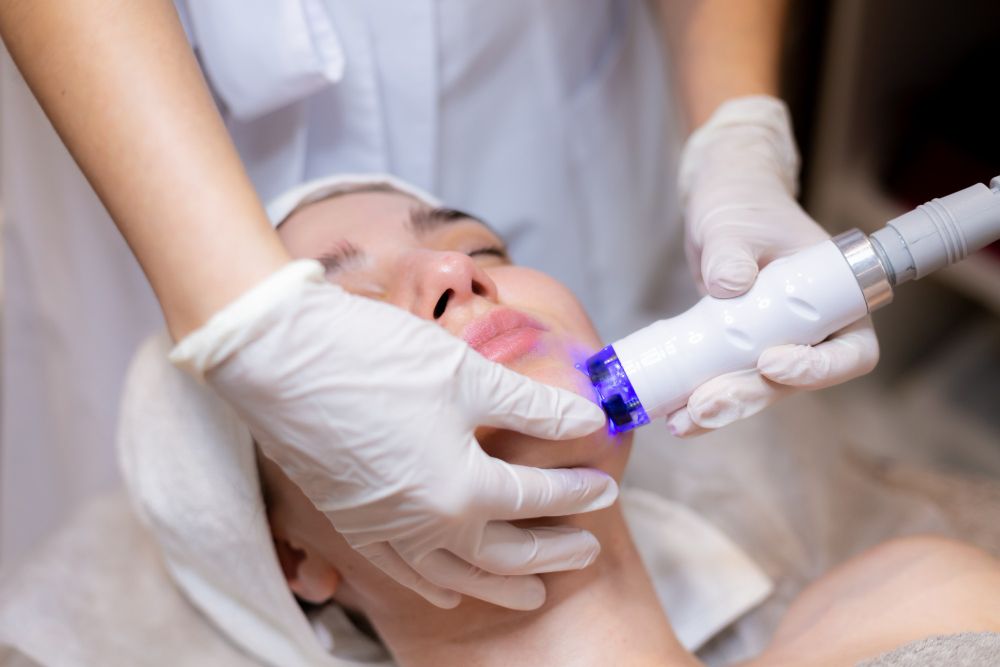
Acne patches offer temporary relief but don’t fully solve underlying problems. No need for endless dermatologist visits — try Perfect Medical’s Acne Treatment to deeply clear clogged pores, prevent new acne, blackheads, or whiteheads, and restore a clean, bright complexion.
This treatment is suitable for sensitive and oily/acne-prone skin, using patented dual spiral suction + vacuum microdermabrasion. It’s completely pain-free, non-invasive, and requires no downtime.
Benefits include:
• Deep pore cleansing
• Reducing sebum buildup
• Balancing skin oil and moisture
• Stimulating collagen production
• Addressing acne, scars, blackheads, whiteheads, uneven texture, large pores, dehydration, and dullness in one session
免費體驗
Acne Treatment
1 Minute Self-Registration
Date should not be before minimal date
FAQ

1. Can acne patches be used daily?
Not recommended — daily use may over-stimulate the skin.
2. Salicylic acid vs. fruit acid: which is better for blackheads?
Both have advantages. Salicylic acid is better for oily skin, while fruit acids are gentler.
3. Does squeezing blackheads enlarge pores?
Yes, squeezing can damage pore walls and cause enlargement.
4. Can blackheads be completely cured?
Blackheads are difficult to fully eliminate, but proper care can control and reduce them.
5. Can salicylic acid be used during pregnancy?
Not recommended — consult a doctor first.