- Home
- Trend
- Weight Loss Strategies
- Acne Tips
- Hair Health Information
- Blemish Removal Tips
- Acne Scar Removal Tips
- Muscle Building Techniques
- Intimate Care Tips
- Postpartum Intimate Care
- Eye Bags Wiki
- Tips for Face Slimming
- Secret of Permanent Hair Removal
- Breast Enlargement Tips
- Cure to Snoring
- Marionette Lines
- Skin-Tightening Secrets

Retinoic Acid, also known as Vitamin A Acid or simply A Acid, is a powerful dermatological ingredient widely prescribed for acne treatment. It helps clear acne, refine skin texture, and slow down skin ageing. However, because it’s a potent active, improper use can cause dryness, peeling, or even irritation — making many people hesitant to try it.
In this guide, we’ll explore Retinoic Acid’s key benefits, how to use it correctly, possible side effects, and safe application principles. At the end, you’ll also find a professional skin treatment that’s even better suited for most acne-prone individuals — complete with a free trial offer!

What Is Retinoic Acid? Unveiling the Science Behind the “Miracle Molecule”
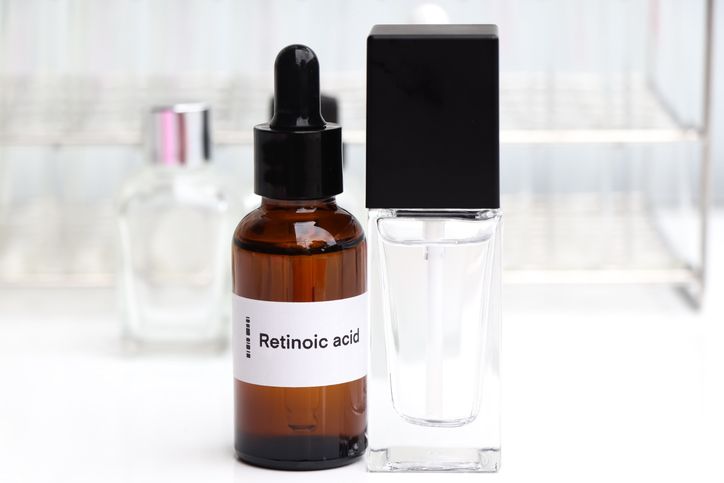
Retinoic Acid (scientific name: Tretinoin) is a derivative of Vitamin A and one of the most widely used active compounds in dermatology. Its unique chemical structure and high biological activity make it a gold-standard ingredient for treating various skin concerns.
Retinoic Acid works by binding to specific receptors in skin cells called Retinoic Acid Receptors (RARs). This interaction influences gene expression, regulates cell turnover, and accelerates the shedding of dead skin cells — helping restore a healthy cell renewal cycle and improving overall skin function.
Retinoic Acid vs. Retinol, Retinal, and Retinyl Esters — What’s the Difference?

Retinoic Acid, Retinol, Retinal, and Retinyl Esters all belong to the Vitamin A derivative family, but their potency and irritation potential differ. The conversion pathway in the skin is as follows:
Retinyl Esters → Retinol → Retinaldehyde → Retinoic Acid.
Retinoic Acid is the most active form, as it directly binds to cell receptors to stimulate renewal, refine skin texture, and treat acne. However, it’s also the most irritating and should only be used under medical supervision.
Gentler forms like Retinol and Retinyl Esters convert more slowly in the skin, resulting in milder effects — making them more suitable for sensitive or first-time users.
免費體驗
Acne Treatment
1 Minute Self-Registration
Date should not be before minimal date
Why Dermatologists Love Retinoic Acid: 4 Proven Benefits
① Treats Acne at the Root
Retinoic Acid reduces sebum production, unclogs pores, and prevents comedone buildup. It also helps regulate the follicular environment, reducing acne-causing bacteria and calming inflammation — addressing acne from multiple angles.
② Reduces Fine Lines and Wrinkles
By boosting collagen production deep within the skin, Retinoic Acid improves firmness and elasticity. It also promotes faster cell renewal, smoothing rough texture and softening fine lines caused by ageing.
③ Fades Pigmentation and Uneven Skin Tone
Retinoic Acid accelerates melanin turnover, fading dark spots and post-inflammatory hyperpigmentation (PIH). With consistent use, skin looks visibly brighter and more even-toned.
④ Minimises Enlarged Pores
By clearing debris and excess oil from pores, Retinoic Acid helps tighten their appearance and create a smoother, refined complexion.
How to Avoid the “Retinoid Purge” — 3 Key Usage Principles
Many users experience breakouts when starting Retinoic Acid — a normal process called the purge phase, where accelerated cell turnover pushes existing blockages to the surface. This usually lasts a few weeks and isn’t a cause for concern.
Correct Application
Because Retinoic Acid is photosensitive, apply it only at night. Start with a pea-sized amount for the entire face. For sensitive skin, try the “sandwich method”: moisturiser → Retinoic Acid → moisturiser. This cushions the skin barrier and reduces irritation.
Gradual Frequency Increase
• Week 1: Use 2–3 times a week.
• After 2 weeks: If tolerated, increase to every other night.
• After 1 month: Daily use is possible if the skin adapts well.
Important Precautions
• Avoid during pregnancy or breastfeeding — Retinoic Acid can cause fetal defects.
• Do not combine with other strong acids like AHAs or BHAs to prevent over-exfoliation and irritation.
With patience and proper use, your skin will gradually adapt and glow with renewed clarity. Always follow your dermatologist’s advice for best results.
Common Side Effects & How to Manage Them
① Dryness and Peeling
Because Retinoic Acid accelerates cell renewal, dryness and flaking are common. Pair with a gentle, fragrance-free moisturiser to restore hydration and strengthen the skin barrier.
② Redness and Stinging
Initial redness or mild stinging means your skin is adjusting. Pause use for a few days or reduce frequency until tolerance builds.
③ Sun Sensitivity
Retinoic Acid increases UV sensitivity. Always use SPF 30+ sunscreen during the day and protect your skin from direct sunlight.
Tip: Start with a low concentration and apply to small areas at first. Gradual introduction helps your skin adapt while minimising side effects.
免費體驗
Acne Treatment
1 Minute Self-Registration
Date should not be before minimal date
The Evolution of Retinoic Acid: What’s the Difference Between 1st, 2nd, and 3rd Generations?
First Generation: Tretinoin
Highly effective but often irritating — requires strict medical supervision.
Second Generation: Isotretinoin (Oral)
Used for severe acne, offering powerful results but with potential side effects such as elevated lipids or teratogenic risk (birth defects). Must be prescribed and monitored by a dermatologist.
Third Generation: Adapalene and Tazarotene
Newer formulations designed for better stability and lower irritation — ideal for mild to moderate acne and the preferred choice for beginners.
Choosing the Right Type: New users should start with third-generation Adapalene. Oral Isotretinoin must only be taken under strict medical guidance.
A Safer, More Effective Alternative — Perfect Medical Acne Treatment
While Retinoic Acid works, long-term use may cause skin dependency or sensitivity. For a more sustainable solution, the Perfect Medical Acne Treatment targets acne at its root — reducing blockages, excess oil, and inflammation through a multi-step medical-grade approach.
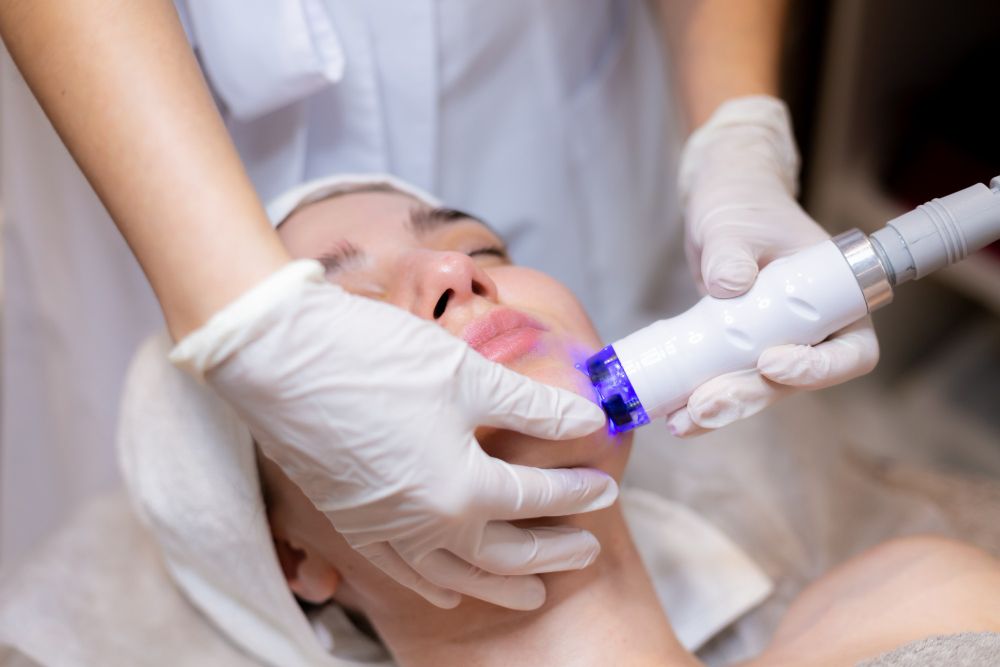
Using vacuum microdermabrasion technology, the treatment deeply cleanses pores, removes impurities, and clears out dead skin cells — all without pain or irritation. Medical-grade serums are then infused to calm inflammation, rebalance sebum, and strengthen the skin barrier to prevent recurrence.
Compared to topical Retinoic Acid, this treatment works from within to holistically improve skin health and texture. Enjoy a free trial session — limited slots available! Say goodbye to acne and hello to smooth, radiant skin.
免費體驗
Acne Treatment
1 Minute Self-Registration
Date should not be before minimal date
FAQ

1. Can Retinoic Acid lighten acne marks?
Yes, it helps fade red or dark acne spots (PIH) by accelerating cell renewal, but it has limited effect on indented scars.
2. Can I wear makeup while using Retinoic Acid?
Yes, but choose non-comedogenic and gentle formulas. Always remove makeup thoroughly to avoid clogging pores.
3. How long until results appear?
Expect some purging within 2–4 weeks and visible improvement in acne and texture within 3–6 months of consistent use.
4. Can I combine Retinoic Acid with other acids?
Avoid layering with AHAs or BHAs to prevent irritation and barrier damage.
5. Can pregnant or breastfeeding women use Retinoic Acid?
Absolutely not — it poses serious risks to the fetus or infant. Always consult a qualified doctor before use.