- Home
- Trend
- Weight Loss Strategies
- Acne Tips
- Hair Health Information
- Blemish Removal Tips
- Acne Scar Removal Tips
- Muscle Building Techniques
- Intimate Care Tips
- Postpartum Intimate Care
- Eye Bags Wiki
- Tips for Face Slimming
- Secret of Permanent Hair Removal
- Breast Enlargement Tips
- Cure to Snoring
- Marionette Lines
- Skin-Tightening Secrets

When dealing with acne, the biggest concern isn’t the pimples themselves but the stubborn acne scars or indented marks they leave behind.

4 Treatments for Depressed Scars—The Ultimate Acne Scar Solution!
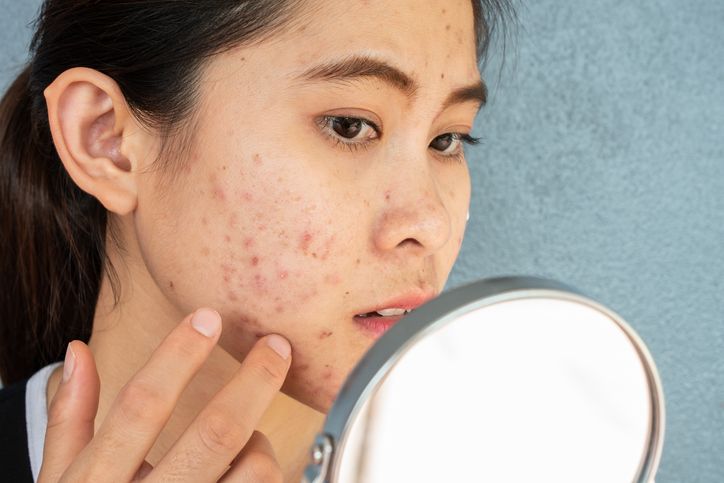
Instead of relying on makeup to cover them up, it's better to learn how to care for your skin and prevent inflammation before acne even forms!
Why Do We Get Acne Scars? Understanding Acne and Its Types
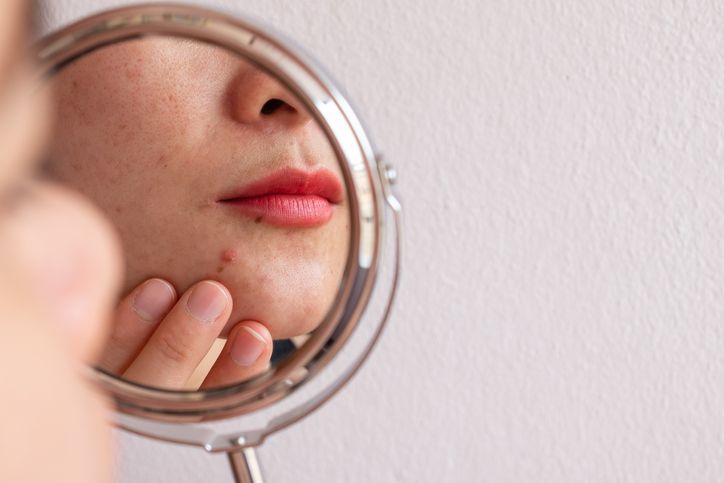
Acne scars form when inflamed pimples are not properly treated, causing damage to the dermis and rupturing tiny blood vessels. Even after the acne heals, permanent scars may remain.
Since acne is the root cause of scarring, it’s essential to understand why acne forms in the first place. Acne is an inflammatory condition that occurs in the hair follicles and sebaceous glands. For women with overactive oil glands, abnormal keratinization of follicles combined with environmental pollutants and buildup of dirt can block pores. This creates a breeding ground for acne-causing bacteria (Propionibacterium acnes), leading to breakouts.
Here are the four main types of acne:
1. Occasional Acne
Even women with smooth, non-oily skin may experience occasional breakouts due to sudden weather changes, poor sleep, hormonal imbalances, unhealthy diets, or stress. These factors can trigger adrenal hormone secretion and toxin buildup, causing breakouts.
2. Chronic Acne
Some women consistently experience acne from adolescence into adulthood. This is often due to overactive androgens stimulating excessive oil production, which clogs pores and leads to recurring inflammation and breakouts. Chronic inflammation makes the skin more prone to all types of acne and scarring.
3. Non-Cystic Acne
This milder form of acne includes blackheads, whiteheads, and clogged pores that haven’t become infected. It occurs when the skin’s natural exfoliation slows down, causing dead skin and dirt to accumulate and trigger surface-level inflammation.
4. Cystic Acne
The most severe type, cystic acne, is the main cause of scarring and pitted marks. When inflammation penetrates deep into the skin, pus builds up in the follicles, damaging the dermis and increasing the chances of red, brown marks and indented scars after healing.
免費體驗
Acne Treatment
1 Minute Self-Registration
Date should not be before minimal date
3 Common Causes of Acne Scars
Ever wonder why acne always seems to leave a mark after it heals? The main reason is improper handling, which worsens inflammation and damages the dermis. Let’s look at three common skincare mistakes:
1. Squeezing Pimples
Many women instinctively squeeze pimples, thinking it will help them go away faster. In reality, squeezing can damage the dermis and stimulate melanin production, resulting in long-lasting scars and pitted skin.
2. Improper Extractions
Some beauty salons offer extractions to remove pus and debris. But if done incorrectly, this can worsen inflammation, damage the dermis, dilate capillaries, or enlarge pores, increasing the chance of scarring.
3. Lack of Sun Protection
UV exposure can worsen pigmentation on healing acne. Without sunscreen, acne marks—especially red and brown spots—can become darker and more stubborn.
Types of Acne Scars
As we age and our metabolism slows, acne marks take longer to fade. Here's how to identify your type of acne scar for better treatment:
1. Red Acne Marks
These occur due to dilated and inflamed blood vessels during acne. Even after healing, the skin may remain red.
2. Brown Acne Marks
Inflammation can stimulate melanin production, leaving brown hyperpigmentation even after the acne heals.
3. Indented Scars (Atrophic Scars)
These are the most severe and permanent type of acne scar. Improper squeezing causes deep dermal damage, resulting in fibrotic tissue and uneven skin texture. Indented scars include ice pick, boxcar, and rolling types, with ice pick scars being the hardest to treat.
Natural Remedies for Acne Scars—Do They Work?
People often turn to DIY treatments, but are they effective? Let’s break down three popular natural remedies:
1. Rice Water
Rice water contains B and E vitamins and rice bran oil, which may help regulate oil production and unclog pores. However, dermatologists confirm it does not lighten acne scars.
2. White Sugar
Rich in vitamins B1, B2, B6, and C, sugar is believed to have whitening effects. Some apply it directly after cleansing by gently scrubbing affected areas. However, there's no scientific proof it reduces acne marks.
3. Lemon Juice
Lemon is packed with vitamin C and antioxidants, making it a popular DIY skin brightener. But undiluted lemon juice can irritate the skin, and its concentration is hard to control—potentially causing allergic reactions.
免費體驗
Acne Treatment
1 Minute Self-Registration
Date should not be before minimal date
Covering Acne Scars: Color Correcting Tips
When breakouts leave visible marks, color correctors can help conceal different types of scars:
Red Acne Marks
Use green color corrector to neutralize redness, followed by a concealer slightly darker than your skin tone to even out texture.
Scabbing Acne
Use yellow corrector to brighten dull, scabbing skin, then apply concealer using a brush at a 45-degree angle for better adhesion.
Indented Scars
While they can't be fully concealed, use a fluffy round brush to dab foundation into the indentations in circular motions for a smoother finish.
7 Daily Habits to Prevent Acne Scars
Prevention is always better than cure. Here are 7 habits to adopt:
1. Exfoliate regularly – Use scrubs or exfoliating cleansers to remove dead skin and prevent clogged pores.
2. Use sunscreen – Opt for SPF30 PA+++ or higher to block UVA/UVB rays that worsen pigmentation.
3. Increase vitamin C intake – Boost collagen and skin healing with fruits like oranges, kiwis, guavas, and tomatoes.
4. Hydrate and balance oil – Maintain water-oil balance with hyaluronic acid masks and moisturizers.
5. Don’t squeeze pimples – It increases inflammation and scarring risk.
6. Drink more water – At least 8 glasses daily to flush out toxins and promote blood circulation.
7. Eat clean – Avoid greasy, processed foods. Choose whole, unprocessed foods to reduce oiliness and breakouts.
How to Treat Acne Scars?
1. Topical Products
Acne creams with antibacterial and anti-inflammatory ingredients help speed up healing. For pigmentation, products with salicylic acid, AHAs, or brightening agents can exfoliate and improve skin texture.
2. Hyaluronic Acid Injections
For deep, indented scars caused by repeated breakouts, doctors can inject fillers like hyaluronic acid to lift and smooth the skin. However, the effect is temporary and needs to be repeated every 6 months.
3. Fractional CO2 Laser
For severe or clustered atrophic scars, CO2 fractional laser therapy resurfaces the skin by creating microscopic wounds that stimulate collagen production. Recovery takes 5–7 days. Treatments are spaced 6–8 weeks apart, with visible results after 3–4 sessions. Note: this treatment is effective but painful.
4. AHA Peels
For lighter pigmentation and shallow scars, fruit acid (AHA) treatments exfoliate old skin, boost collagen, and fade pigmentation, fine lines, and dullness.
免費體驗
Acne Treatment
1 Minute Self-Registration
Date should not be before minimal date
Say Goodbye to Acne Scars with Perfect Medical’s Acne Treatment
The best way to prevent scars is to stop acne at the source!
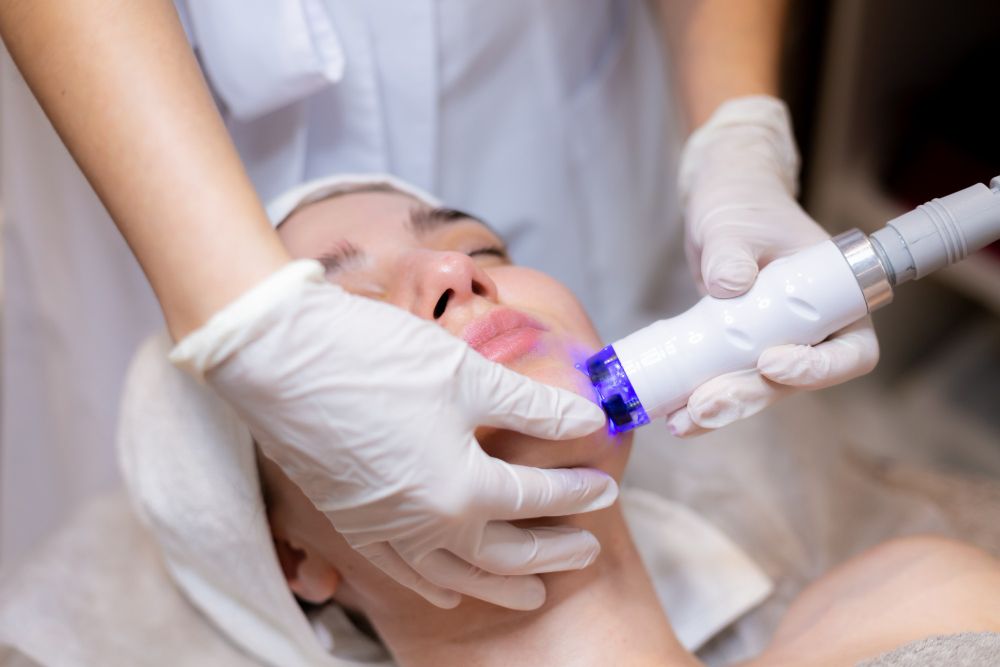
Perfect Medical’s Acne Treatment is a professional and effective solution. It uses medical-grade serums delivered deep into the skin with vacuum dermabrasion technology to clear clogged pores and balance oil production. Their exclusive purifying formula activates collagen regeneration and repairs acne marks and indented scars—without irritating your skin. It also treats cystic acne, hormonal acne, blackheads, and whiteheads—helping acne heal completely and preventing recurrence. Try it for free now—just click the link below for your exclusive trial!
免費體驗
Acne Treatment
1 Minute Self-Registration
Date should not be before minimal date
FAQ

Why does acne leave scars?
The main reason acne leaves scars is improper handling and skincare, which can worsen inflammation and damage the dermis. For example, many women try to squeeze pimples with their hands, thinking it will help them heal faster. However, this is a mistake. Improper squeezing can injure the dermis and stimulate excess melanin production, resulting in acne scars, pitted marks, and long-lasting discoloration. Likewise, incorrect extraction techniques at beauty salons—such as applying too much pressure or neglecting post-treatment pore care—can lead to enlarged pores and worsen inflammation, increasing the chances of dermal damage and indented scars. Lastly, UV exposure is a major enemy of healing skin. Without daily sunscreen use, UV rays can darken healing acne marks, causing red and brown pigmentation to deepen over time.
Are there different types of acne scars?
Yes. Acne scars are typically classified into three types: red marks, brown marks, and indented (atrophic) scars. Red marks occur when inflammation causes nearby blood vessels to dilate and swell. Even after the acne heals, residual redness can remain. Brown marks are caused by post-inflammatory hyperpigmentation. When the skin is inflamed, melanocytes produce more melanin to protect the damaged tissue, leaving behind pigmented spots even after healing. Indented scars (pitted scars) are the most severe type. They form when severe inflammation and improper squeezing damage the dermis, leading to fibrotic tissue development. This disrupts the skin’s surface, causing depressions or uneven texture.
Can rice water or white sugar really fade acne scars?
Both are considered folk remedies without scientific backing. Rice water contains vitamin B, E, and rice bran oil, which can help regulate excess oil and keep pores clear. However, it has no proven effect on fading acne scars. White sugar is believed to help lighten red and brown acne marks, but there’s no scientific evidence to support this claim.
How can I prevent acne from forming?
Daily habits play a key role in preventing acne: Exfoliate regularly – Remove dead skin cells and accelerate skin renewal to prevent blackheads and clogged pores. Use sunscreen – UV rays stimulate melanin production. Use SPF30 PA+++ or higher daily to protect your skin from UVA and UVB damage. Balance hydration and oil – Proper water-oil balance keeps pores tight and reduces acne-prone conditions. Use hydrating masks with hyaluronic acid to maintain moisture. Do NOT squeeze pimples – Even if you get acne, avoid touching or squeezing. It won’t reduce inflammation and may cause dermal damage, leading to permanent scars.
Is there a painless and fast acne treatment?
Yes! Perfect Medical’s Acne Treatment offers a professional and effective solution. It uses vacuum dermabrasion to deliver medical-grade serums deep into the skin, clearing oil and debris from pores. Their exclusive deep-cleansing formula balances oil production and stimulates rapid collagen regeneration—without irritating your skin. This treatment effectively improves acne scars and pitted marks while also targeting common acne types like cystic acne, hormonal acne, blackheads, and whiteheads. It promotes thorough healing and prevents recurrence—so you’ll never have to worry about acne marks again!