- Home
- Trend
- Weight Loss Strategies
- Acne Tips
- Hair Health Information
- Blemish Removal Tips
- Acne Scar Removal Tips
- Muscle Building Techniques
- Intimate Care Tips
- Postpartum Intimate Care
- Eye Bags Wiki
- Tips for Face Slimming
- Secret of Permanent Hair Removal
- Breast Enlargement Tips
- Cure to Snoring
- Marionette Lines
- Skin-Tightening Secrets

Acne cream is a go-to product for many women battling breakouts. Just dab it on a pimple, and it quickly shrinks. But are there any other more effective products? Let’s find out today.

Why Do We Get Acne?
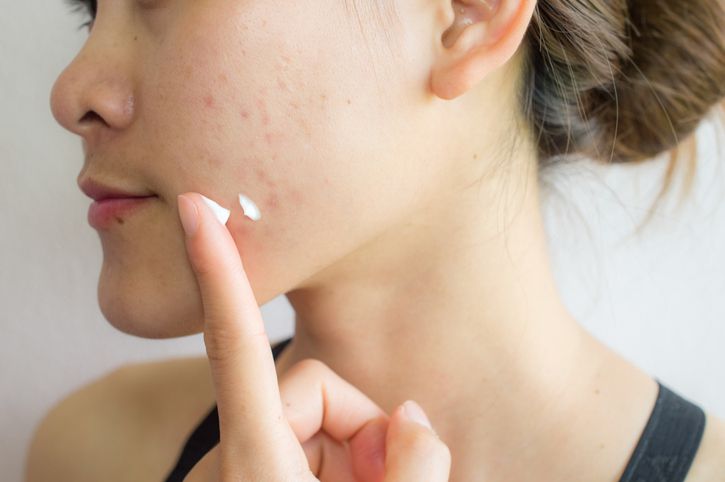
Acne can be a real nightmare for many women. Unsightly pimples on the face are difficult to conceal even with makeup, making them extremely frustrating.
There are many causes of acne, but the primary reason is excessive oil production by the skin. This leads to clogged pores, allowing bacteria to thrive in the sebaceous glands, resulting in inflammation and, ultimately, acne.
Our skin is exposed to dust and dirt daily. Combined with sweat and oil secreted by the face, if not cleaned properly, these impurities can build up and clog the pores, creating a breeding ground for bacteria. Other contributing factors include poor diet, irregular sleep, genetics, and using unsuitable skincare products.
Common Ingredients in Acne Cream
Acne creams are essential for people with acne-prone skin because they help fight acne effectively. Many women search online for the most recommended acne creams. But what makes them effective? Which ingredients work best?
1. Benzoyl Peroxide
Benzoyl peroxide is a commonly used medicinal ingredient in acne creams and highly recommended by dermatologists. Dermatologists typically advise acne-prone individuals to use keratolytic agents and antibacterials. These ingredients help exfoliate dead skin cells, kill acne-causing bacteria in the sebaceous glands, and speed up healing.
As a keratolytic agent, benzoyl peroxide accelerates skin turnover and helps slough off dead skin, allowing oil and dirt to be expelled more easily, thus preventing clogged pores and reducing inflammation. Its strong lipophilic nature allows it to penetrate deep into the skin and kill acne bacteria, effectively calming breakouts.
2. Salicylic Acid (BHA)
Salicylic acid is another common acne-fighting ingredient. Although it’s also an acid-based exfoliant, it’s gentler than alpha hydroxy acids (AHAs), making it suitable for use in facial cleansers and toners.
As a fat-soluble acid, salicylic acid not only exfoliates the surface but also penetrates deeper layers of the skin, clearing pore blockages, reducing inflammation, and preventing future breakouts.
3. Tea Tree Oil
Many acne treatment products contain tea tree oil. This essential oil is known for its antibacterial and anti-inflammatory properties, making it a common ingredient in acne creams.
Used for centuries, tea tree oil helps calm inflamed acne, heal skin ulcers, relieve pain, and reduce fatigue. For acne, it works by killing bacteria in the pores and balancing oil production. However, it should never be applied directly to the skin, as it may cause burns.
4. Herbal Extracts
More acne creams and toners now feature herbal ingredients such as centella asiatica, chrysanthemum, and seaweed extract, or even traditional Chinese medicine (TCM) components. These claim to calm the skin, reduce redness, and soothe irritation.
Herbal-based products are usually marketed as natural and free from harsh chemicals, ideal for those wanting to reduce skin stress while treating acne. However, their effects tend to be milder, and the speed and effectiveness vary by individual.
5. Probiotics
Probiotics have gained popularity in skincare and weight management. Many women now take probiotic supplements, and some acne products also incorporate them, claiming to balance the skin’s microbiome and restore a healthy complexion.
TCM also links acne to gut health. If the intestines are imbalanced, toxins may be expelled through the skin. In such cases, probiotics can help improve gut flora, leading to clearer skin.
免費體驗
Acne Treatment
1 Minute Self-Registration
Date should not be before minimal date
Why Use Acne Cream?
Acne signifies inflammation in the sebaceous glands. Squeezing pimples can worsen skin damage and leave behind scars. Once the dermis is injured, it can result in permanent acne marks. To prevent this, reducing inflammation is key to healing quickly.
Acne creams can help speed up the healing process. You can choose products that suit your skin type and condition. For those with acne-prone skin, acne creams are easy to use, store, and carry, and they help curb the urge to pop pimples.
Acne Type vs. Recommended Acne Cream
Experienced acne sufferers know that one acne cream can't handle every pimple. Some work well for typical breakouts but are ineffective for cystic acne. The key is matching the right product to the right type of acne.
1. Regular Acne
Early-stage acne often shows redness, indicating mild inflammation in the sebaceous glands. Apply acne cream before the whitehead forms, and the pimple may flatten in a few days.
Benzoyl peroxide creams are recommended for this type—they have anti-inflammatory and antibacterial properties that prevent the pimple from worsening. Even those without acne-prone skin should keep one on hand just in case!
2. Cystic Acne
Cystic acne is considered the most difficult type to treat. It occurs when dead skin builds up and traps bacteria and pus beneath the skin, forming painful nodules.
Cream alone may not be enough. Use a targeted serum with mild AHA to exfoliate the skin and clean out the pores. When cystic acne surfaces, apply a thick layer of serum for 10 minutes and rinse off. Follow up with oil-free skincare.
3. Pus-Filled Acne
These are the easiest to treat—once the pus is removed, the pimple is halfway healed. Though acne cream can help, acne patches are even better.
Acne patches shield the pimple from bacteria and dirt. After gently popping the whitehead, apply a patch. Overnight, it will absorb the pus, and the pimple will look less inflamed.
3 Key Tips When Using Acne Cream
While acne creams are effective, they’re not miracle cures. Not every ingredient suits every skin type, so keep the following points in mind:
1. Don’t Overuse
More doesn’t mean better. Many acne creams contain exfoliating and antibacterial ingredients that can dry the skin. Overuse may lead to flaking, itching, or irritation. Always follow the directions on the packaging.
2. Pair with Oil-Free Skincare
If acne cream dries out your skin, don’t try to rehydrate using oil-based products. Excess oil can clog pores and worsen acne. Opt for lightweight, water-based skincare to reduce skin stress.
3. Apply Only to Affected Areas
Some think acne cream can prevent future breakouts and apply it to large areas of skin. This is a mistake. Most acne creams dry the skin, and applying them all over may cause peeling and irritation even on healthy skin.
免費體驗
Acne Treatment
1 Minute Self-Registration
Date should not be before minimal date
Acne Cream vs. Acne Patch: Which Works Better?
These are the two most popular acne treatments, but many people don’t know when to use which.
Use acne cream for early-stage acne, inflamed cystic pimples, or acne without pus. The active ingredients help speed up exfoliation, fight bacteria, reduce inflammation, and prevent worsening.
Use acne patches only for pus-filled pimples. They absorb the pus and shield the area from external bacteria. But for non-pustular acne, patches may block airflow and worsen the condition.
How to Choose the Right Acne Cream
Before you hit “Add to Cart” on that recommended acne cream, ask yourself—does it suit your skin? Many women have had multiple breakouts and tried different creams. Here’s how to find the best one:
1. Start with a Gentle Formula
If you’re a first-time user, begin with milder ingredients like benzoyl peroxide. It reduces inflammation and speeds up healing without drying the skin too much.
Always patch-test on a discreet area before applying it directly to acne. If no reaction occurs, gradually increase the amount and frequency.
2. Read Reviews and Ratings
Look for user comments and product reviews online. They’re helpful for identifying whether the cream works for people with similar skin types or if any adverse reactions were reported.
3. Try Different Active Ingredients
If one cream doesn’t work, try another with a different active ingredient. This gives your skin exposure to a wider range of actives, which may help accelerate healing.
Tired of Constantly Using Acne Cream? Try This Once-Off Solution!
If you’re always using acne cream but breakouts persist—or if you’ve used up an entire tube with little success—it may be time to consider another option.
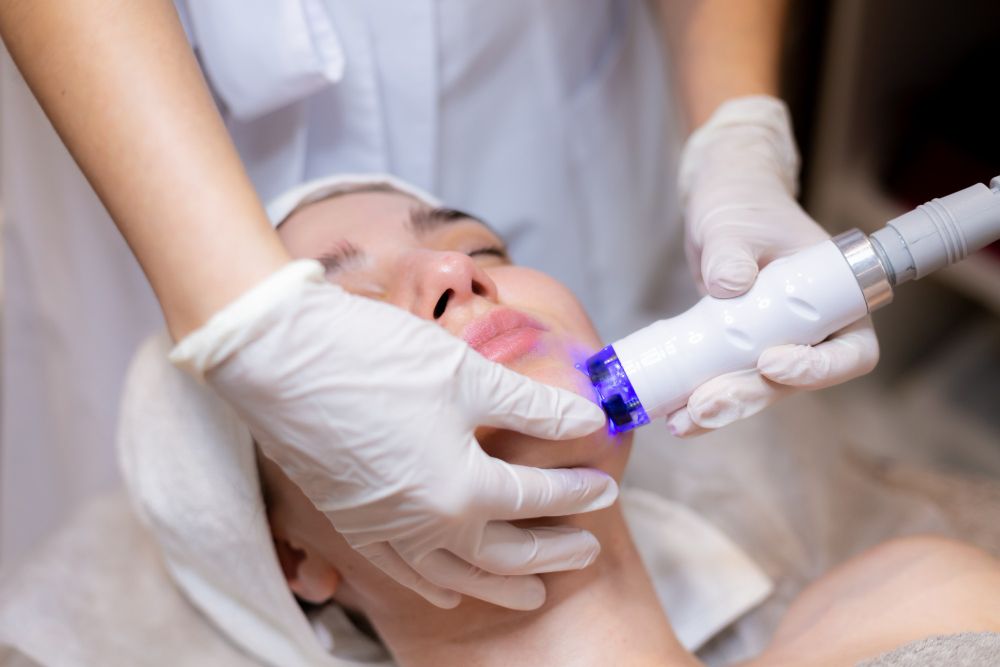
Perfect Medical’s Acne Treatment uses a dual-spiral suction drainage system. This gentle vacuum technology removes dead skin cells, clears clogged pores, and speeds up healing. It also infuses the skin with medical-grade serum, hydrates deeply, balances oil production, and stimulates collagen regeneration to repair skin and prevent scarring.
This treatment works on all types of acne, including stubborn cystic ones and early-stage pimples, helping your skin heal and smoothen out. Perfect Medical is offering a limited free trial—just register to claim your free session and professional skin analysis. Say goodbye to acne today!
免費體驗
Acne Treatment
1 Minute Self-Registration
Date should not be before minimal date
FAQ

Which acne cream ingredients are most effective?
Benzoyl peroxide is a common and dermatologist-recommended ingredient. It’s both exfoliating and antibacterial, helping to reduce inflammation and clear clogged pores.
How should I use acne cream correctly?
Use only the recommended amount. Too much can dry out your skin and cause flaking, itching, or sensitivity.
Can I apply acne cream all over my face?
No. Applying it beyond the pimple area can dry out healthy skin and cause irritation.
Should I use acne cream or acne patches?
Use cream for early-stage or inflamed acne without pus, and patches for pimples with visible whiteheads.
How can I speed up acne healing?
Try Perfect Medical’s Acne Treatment. It deeply cleanses, hydrates, balances oil, and stimulates skin repair to reduce and prevent breakouts and scarring.