- Home
- Trend
- Weight Loss Strategies
- Acne Tips
- Hair Health Information
- Blemish Removal Tips
- Acne Scar Removal Tips
- Muscle Building Techniques
- Intimate Care Tips
- Postpartum Intimate Care
- Eye Bags Wiki
- Tips for Face Slimming
- Secret of Permanent Hair Removal
- Breast Enlargement Tips
- Cure to Snoring
- Marionette Lines
- Skin-Tightening Secrets

Exfoliation is an essential part of any skincare routine — but when done incorrectly, it can easily backfire. Improper exfoliation techniques may damage the skin barrier, leading to irritation, sensitivity, or even breakouts. Instead of glowing skin, you might end up with dryness and roughness!
This guide breaks down everything you need to know — from the benefits of exfoliation and correct techniques to product selection and common misconceptions. Follow these dermatologist-backed tips to achieve smooth, radiant skin the right way. At the end, we’ll also recommend a professional acne treatment designed for breakout-prone skin — plus a free trial you won’t want to miss!

What Is Exfoliation? 4 Key Benefits for Smoother, Brighter Skin
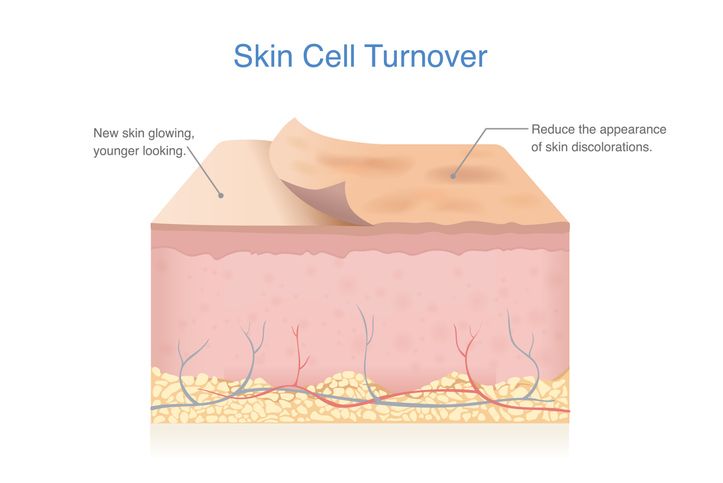
Exfoliation removes dead skin cells from the surface to reveal fresher, healthier skin underneath. It helps refine texture, boost absorption of skincare products, and restore luminosity for a youthful, radiant glow.
Benefit 1: Boosts Skin Cell Renewal
Exfoliating helps clear away built-up dead skin cells and promotes the regeneration of new ones. This process accelerates your skin’s natural renewal cycle, keeping it vibrant, supple, and healthy-looking.
Benefit 2: Enhances Skincare Absorption
When dead skin accumulates, it forms a barrier that blocks skincare products from penetrating effectively. Removing this layer allows toners, serums, and moisturizers to absorb more deeply — maximizing their benefits for visibly nourished, glowing skin.
Benefit 3: Brightens and Evens Out Skin Tone
Dullness and uneven tone often stem from dead skin buildup. Regular exfoliation smooths the skin’s surface and improves radiance, revealing a clearer and more luminous complexion.
Benefit 4: Prevents Clogged Pores and Breakouts
By clearing out excess oil, dirt, and dead cells, exfoliation keeps pores clean and reduces the risk of blackheads and acne. It also balances sebum production, keeping the skin refreshed and clear.
The Golden Exfoliation Frequency: Dermatologist Tips by Skin Type
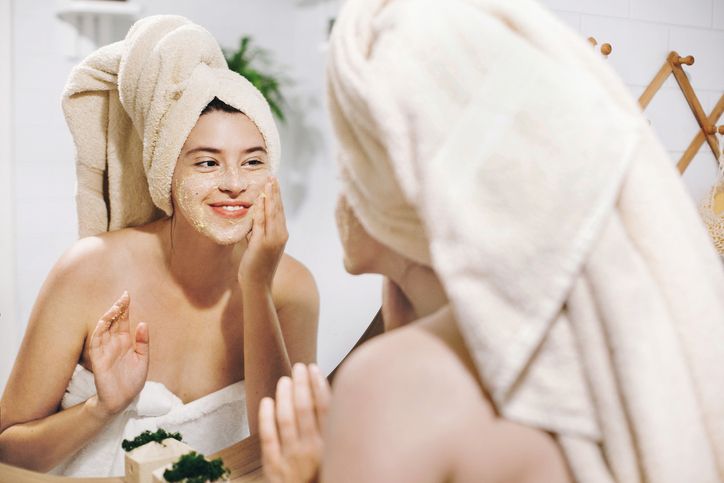
Everyone’s skin is different — and so is their ideal exfoliation routine. Overdoing it can cause dryness or irritation, while under-exfoliating may lead to dullness or congestion. Here’s how to find the right frequency for your skin type.
1. Oily Skin
Oily skin tends to accumulate more dead cells and sebum. Exfoliating 1–2 times per week helps unclog pores and prevent breakouts, especially in the T-zone where oil production is higher.
2. Dry or Normal Skin
Dry or normal skin types should exfoliate about once every two weeks to avoid stripping natural oils or weakening the barrier. Adjust based on how your skin feels — the goal is soft, smooth, not tight or flaky.
3. Sensitive Skin
Since sensitive skin has a thinner barrier, limit exfoliation to once every two weeks and choose gentle, fragrance-free formulas. Avoid any inflamed or irritated areas to minimize the risk of redness or discomfort.
免費體驗
Acne Treatment
1 Minute Self-Registration
Date should not be before minimal date
How to Exfoliate Properly
To achieve smoother, more refined skin without irritation, follow the correct exfoliation technique. Here’s how to safely exfoliate based on product type.
Physical Exfoliation Steps
After cleansing, pat your skin dry or keep it slightly damp. Avoid the delicate eye area. Apply an appropriate amount of scrub or exfoliating cream, then gently massage in circular motions with your fingertips for 30–60 seconds. Rinse thoroughly with water and follow with toner and moisturizer to rehydrate and protect the skin.
Chemical Exfoliation Steps
Start with a clean, dry face. Apply a suitable exfoliating solution using a cotton pad or your fingertips, avoiding the eyes and lips. Let the product absorb or rinse off according to its directions. Follow up with a hydrating routine and apply sunscreen the next day to protect your renewed skin.
Pro Tip: Never exfoliate over wounds, active breakouts, or sunburns — it can worsen irritation. For lips, always use a gentle lip exfoliator designed for delicate skin.
Types of Exfoliating Products
Exfoliators generally fall into two main categories: physical and chemical. Choosing the right one for your skin type is key to achieving effective yet gentle results.
1. Physical Exfoliants
These work through mild abrasion using small particles, clay masks, or exfoliating gels. Scrubs and masks with fine, rounded particles help remove dead cells effectively — ideal for oily or combination skin that can tolerate light friction. Avoid harsh, gritty textures that may scratch the skin.
Exfoliating gels are gentler, removing impurities as they form soft clumps when massaged. Some cleansers also contain mild exfoliating ingredients for everyday use.
2. Chemical Exfoliants
Chemical exfoliants use acids to dissolve the bonds between dead cells. Common types include AHAs (like mandelic acid, glycolic acid, citric acid) for surface renewal — perfect for dry or mature skin — and BHAs (like salicylic acid), which penetrate pores to remove excess oil and prevent acne.
3. Enzyme Exfoliants
Enzyme-based exfoliators use natural enzymes to digest dead skin cells gently. They’re non-abrasive and well-suited for sensitive skin, leaving it smooth and hydrated after use.
Pro Tip: Look for soothing ingredients like centella asiatica and vitamin B5 to calm irritation. Avoid products with fragrance, alcohol, or rough granules.
4 Common Exfoliation Myths — Debunked!
Exfoliation is often misunderstood. Here are four common myths — and the truths behind them.
Myth 1: The More Often, the Better
Over-exfoliating can strip your barrier and dehydrate your skin, leading to redness and sensitivity. Stick to a frequency that suits your skin type — moderation delivers better, safer results.
Myth 2: All Physical Scrubs Are Bad
Not true! Gentle scrubs with fine, rounded particles can be safe and effective when used lightly. It’s the rough, harsh ones that cause microtears and irritation.
Myth 3: Moisturizing After Exfoliating Isn’t Necessary
After exfoliation, your skin is at peak absorption — skipping hydration can cause dryness and tightness. Always follow with toner, serum, and moisturizer to restore balance.
Myth 4: You Don’t Need Sunscreen After Exfoliating
Wrong! Exfoliation makes your skin more sensitive to UV damage. Always apply SPF 30 or higher the next day to protect new skin cells and prevent pigmentation.
免費體驗
Acne Treatment
1 Minute Self-Registration
Date should not be before minimal date
Exfoliation Alone May Not Be Enough — Target Acne at Its Root with Perfect Medical’s Acne Treatment!
While exfoliation clears surface buildup, it can’t address deep-seated congestion or inflammation. For stubborn acne, you need a deeper, professional solution — Perfect Medical’s Acne Treatment.
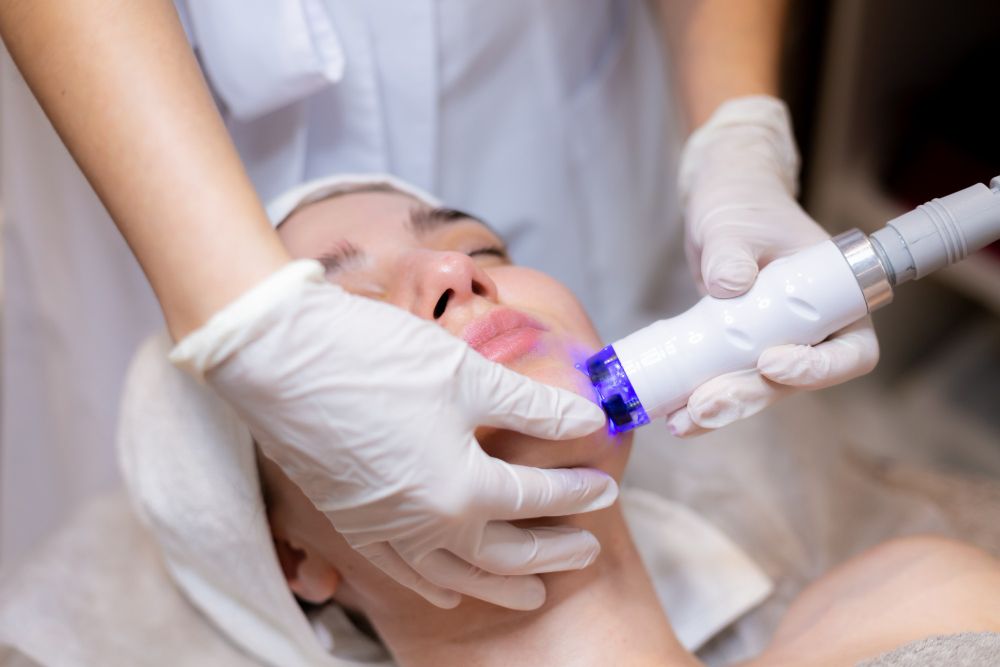
This advanced treatment uses vacuum dermabrasion technology to gently remove excess oil, impurities, and dead cells from within clogged pores — leaving skin fresh and breathable. It’s paired with medical-grade hydrating serums that penetrate deeply to calm inflammation, eliminate acne-causing bacteria, and restore barrier health.
Whether your breakouts are caused by oily skin, stress, hormones, or improper skincare, this treatment works from the root to prevent recurrence and promote long-term balance.
Limited-Time Offer: Register now for a free trial of the Perfect Medical Acne Treatment and rediscover smooth, healthy skin!
免費體驗
Acne Treatment
1 Minute Self-Registration
Date should not be before minimal date
FAQ

Can I exfoliate every day?
No. Over-exfoliating damages the skin barrier, leading to redness and sensitivity. Oily skin can exfoliate 1–2 times per week, while dry or sensitive skin should reduce frequency to avoid irritation.
What’s the difference between physical and chemical exfoliants?
Physical exfoliants (like scrubs) work through gentle friction, best for tolerant skin. Chemical exfoliants (like AHAs/BHAs) dissolve dead cells with acids — gentler and suitable for most skin types.
Is it normal to feel stinging after exfoliation?
A mild tingling may occur, but burning or sharp stinging means irritation. Stop using the product immediately and apply a soothing, hydrating moisturizer.
Can exfoliation help acne?
Moderate exfoliation clears clogged pores and helps prevent breakouts. However, avoid exfoliating inflamed or red pimples, as it can worsen irritation.
What should I apply after exfoliating?
Always follow with toner, serum, and moisturizer to lock in hydration — and don’t forget sunscreen the next day to protect your freshly renewed skin.