- Home
- Trend
- Weight Loss Strategies
- Acne Tips
- Hair Health Information
- Blemish Removal Tips
- Acne Scar Removal Tips
- Muscle Building Techniques
- Intimate Care Tips
- Postpartum Intimate Care
- Eye Bags Wiki
- Tips for Face Slimming
- Secret of Permanent Hair Removal
- Breast Enlargement Tips
- Cure to Snoring
- Marionette Lines
- Skin-Tightening Secrets

Dealing with breakouts is frustrating enough—but the real headache often comes after the pimples are gone, when acne marks and scars stubbornly linger. These red spots and uneven patches don’t just mess with your skin tone; they can make your face look like a blotchy paint palette, even if your acne is already healed.
Tried a bunch of acne mark treatments with little success? You’re not alone—and you’re not out of luck either. In this guide, we’ll break down the 4 main types of acne marks, why they form, what works (and what doesn’t) to fade them effectively. Let’s get you back to clear, even-toned skin—without wasting time.

Types of Acne Marks: What Are You Dealing With?
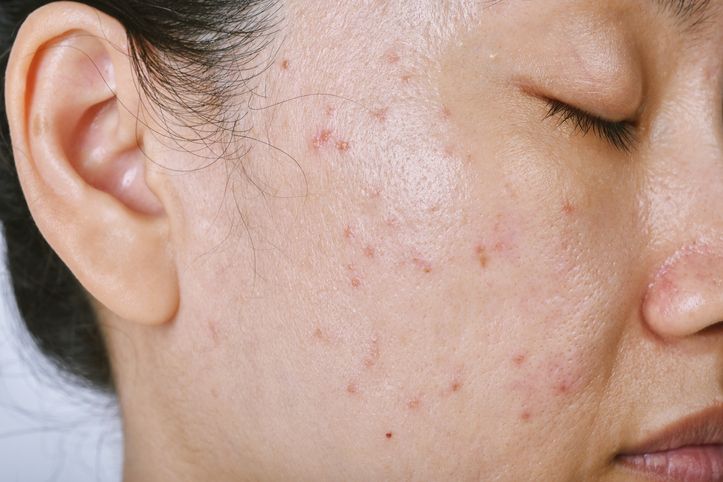
Acne marks come in all forms. Depending on the color, depth, and texture, you could be dealing with anything from mild redness to stubborn scars. Here’s what to know:
i. Red Marks (Post-Acne Erythema)
These are the most common and least severe type of acne marks. They show up right after a pimple heals, leaving behind a red or pink spot where the inflammation was.
What causes them? When a pimple forms, your body sends extra blood to the area to fight bacteria. That’s why tiny blood vessels around the spot dilate and leave a red mark even after the pimple is gone. Luckily, these usually fade within 1–2 months on their own.
ii. Brown Marks (Post-Inflammatory Hyperpigmentation)
These brown or dark purple spots often form after red marks, especially if the area is irritated or exposed to the sun. They result from melanin overproduction, which can be triggered by improper pimple popping or poor aftercare.
What do they feel like? Often a bit rough or hardened, as the skin thickens to protect itself. This is your skin’s defense response, releasing extra melanin and keratin to shield the damaged tissue.
iii. Atrophic Scars (Pitted or Indented Scars)
These are the more serious acne scars—uneven, sunken areas that don’t fade easily. They're caused by severe inflammation that damages the deeper layers of the skin. If you squeeze pimples aggressively, you increase your risk of these scars.
There are 3 common subtypes:
• Ice pick scars: Deep and narrow (most stubborn to treat)
• Boxcar scars: Wide with sharp edges
• Rolling scars: Wavy and shallow
These develop when your skin fails to produce enough collagen during healing, leaving a dip or hollow that only collagen-restoring treatments can fix.
iv. Raised (Hypertrophic) Scars
Not all scars sink—some rise above the skin. These appear when your body goes into overdrive, producing too much collagen as it tries to heal. They're more common in people with keloid-prone or sensitive skin.
Raised scars are typically tough to fade with over-the-counter products and may need professional treatments to smooth out.
Why Do Acne Marks Form?
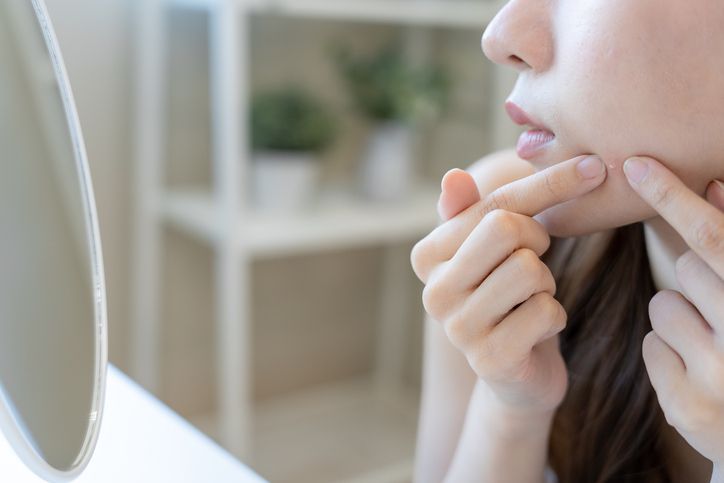
Before jumping into treatments, it helps to understand the triggers. That way, you’ll know what to avoid next time.
i. Popping Pimples
We get it—it’s tempting. But squeezing pimples with your fingers (especially unclean ones) can push bacteria deeper into the skin, causing more inflammation and worsening scarring.
Even clean hands can cause trauma through pressure alone, making acne marks more likely to form.
ii. Improper Extractions
Using tools like acne needles at home may seem effective, but if done without proper technique, they can damage skin and leave lasting marks. That’s why professional extractions are recommended for serious breakouts.
iii. UV Exposure
Sun damage is one of the biggest culprits behind lingering acne marks. UV rays accelerate melanin production and worsen pigmentation. They also weaken your skin’s ability to repair itself—leading to more discoloration and uneven texture.
iv. Sluggish Skin Renewal
As we age, our skin’s natural turnover slows down, making it harder to shed damaged cells and regenerate healthy tissue. This delay gives acne marks more time to settle and darken.
免費體驗
Acne Treatment
1 Minute Self-Registration
Date should not be before minimal date
Do Acne Mark Products Really Work?
Let’s look at the most common products on the market—and whether they actually deliver.
i. Acne Creams
Most acne creams target active breakouts but many now include ingredients that help prevent post-acne marks too. Just beware of long-term use if they contain steroids—those can cause dryness, irritation, and sensitivity.
Bottom line: Good for prevention, but not ideal as a long-term solution for fading existing marks.
ii. Scar Gels
Scar creams are formulated to soften and fade scars, often by targeting pigmentation. Some are effective at reducing surface-level discoloration, especially if they contain ingredients like niacinamide or arbutin.
However, they might not reach deeper layers of skin, making them less effective for darker or stubborn marks.
iii. Brightening Serums
Acne mark serums work by boosting skin turnover and targeting melanin buildup. They often include ingredients like vitamin C, retinol, or azelaic acid.
Keep in mind: These are cosmetic, not medicinal. You’ll need consistent, long-term use to see visible improvement.
iv. Sheet Masks for Acne Marks
Many acne-fading masks are packed with whitening agents like vitamin C and A. They create a sealed environment that helps ingredients absorb better into the skin.
Still, the results are often superficial—great for brightening, but less impactful for deep scars or pigmentation. Think of them as a supporting step, not your main treatment.
Other Ways to Fade Acne Marks
Looking beyond the usual products? Here are some expert-approved methods:
i. Exfoliation
Using acids like salicylic acid, mandelic acid, or glycolic acid can help speed up cell turnover and fade pigmentation.
Just don’t overdo it—exfoliating too often can damage your skin barrier and backfire. Always wait until your skin has fully healed before exfoliating.
ii. Brightening Skincare
Look for products with vitamin C, retinoids, niacinamide, or arbutin—these ingredients help lighten dark spots and improve tone gradually.
iii. Daily Sun Protection
Sunscreen is non-negotiable. UV exposure deepens pigmentation and slows healing. Even if you’re indoors most of the time, make SPF a habit if you want those marks to fade.
iv. Eat Vitamin C-Rich Foods
A healthy diet can support skin healing from the inside out. Foods like kiwi, tomatoes, and lemons help suppress melanin production and brighten your overall complexion.
v. Professional Treatments
Want fast, visible results? Consider in-clinic procedures like:
• Pico laser
• Collagen regeneration therapy
• Collagen BB gun treatments
These help rebuild collagen and fade even stubborn marks more effectively than any product.
Want Clearer Skin, Fast? Try Perfect Medical’s Acne Treatment
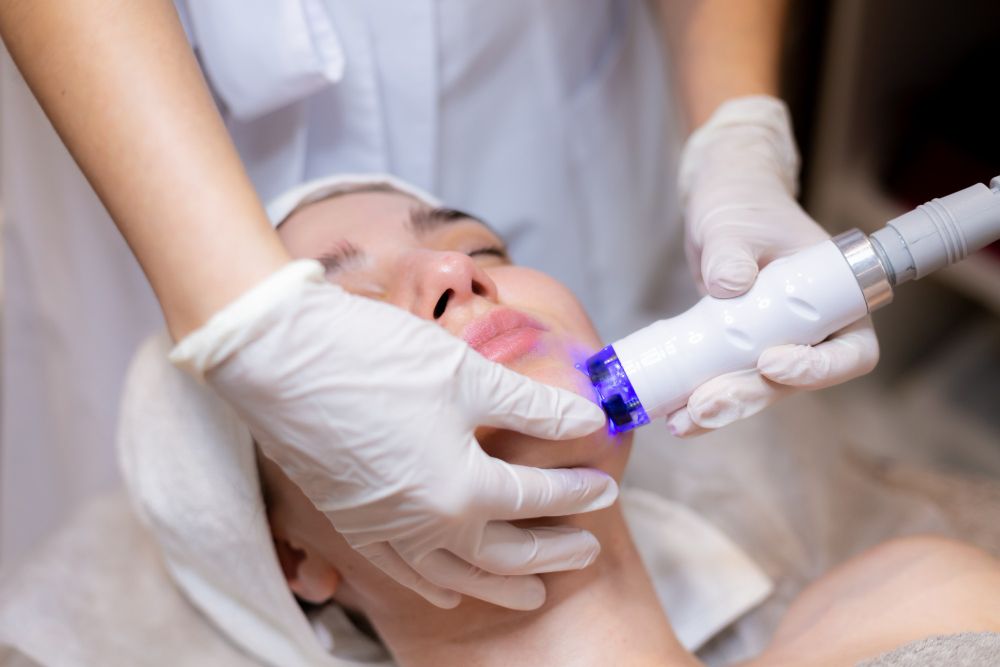
Tired of waiting for results from skincare products? Perfect Medical’s "Acne Treatment" combines vacuum microdermabrasion and medical-grade serums to tackle acne marks at the source.
Here’s what it does:
• Gently removes excess oil, dead skin, and blackheads
• Deeply hydrates and balances sebum
• Boosts collagen production to repair damaged skin
• Helps prevent future acne and mark formation
Even deep scars or pitted marks? This treatment can help reduce them over time. Bonus: Book now to get a free trial session—your skin will thank you!
免費體驗
Acne Treatment
1 Minute Self-Registration
Date should not be before minimal date
FAQ

What are acne pits (pitted scars)?
These are indented scars caused by severe tissue damage and lack of collagen during healing. The skin collapses inward, forming a hole that doesn’t fade on its own.
Does salicylic acid help with acne marks?
Yes! It exfoliates dead skin and speeds up cell turnover, helping fade pigmentation and even smooth mild textural scars.
Do acne mark products actually work?
Results vary based on the product, ingredients, and your skin type. Surface-level marks respond better than deep scars.
Are acne treatments like Pico laser effective?
Clinical treatments offer faster, more targeted results—but always choose a reputable clinic and consult a specialist to avoid skin damage.
Can sensitive skin try Perfect Medical’s treatment?
Absolutely! The treatment is designed to be gentle and non-irritating, suitable for all skin types—including sensitive skin.