- Home
- Trend
- Weight Loss Strategies
- Acne Tips
- Hair Health Information
- Blemish Removal Tips
- Acne Scar Removal Tips
- Muscle Building Techniques
- Intimate Care Tips
- Postpartum Intimate Care
- Eye Bags Wiki
- Tips for Face Slimming
- Secret of Permanent Hair Removal
- Breast Enlargement Tips
- Cure to Snoring
- Marionette Lines
- Skin-Tightening Secrets

Dealing with acne is frustrating enough — the redness, the pain, the urge to pop them — but what’s even more annoying is when the blemish finally heals… and the mark it leaves behind just won’t fade. Those stubborn red or brown acne scars can stick around for months, making you reach for concealer every morning just to cover them up. In some cases, they can even leave permanent indentations or raised scars on the skin. That’s why learning how to effectively fade acne marks has become a skincare priority for many women!

What Causes Acne Marks?
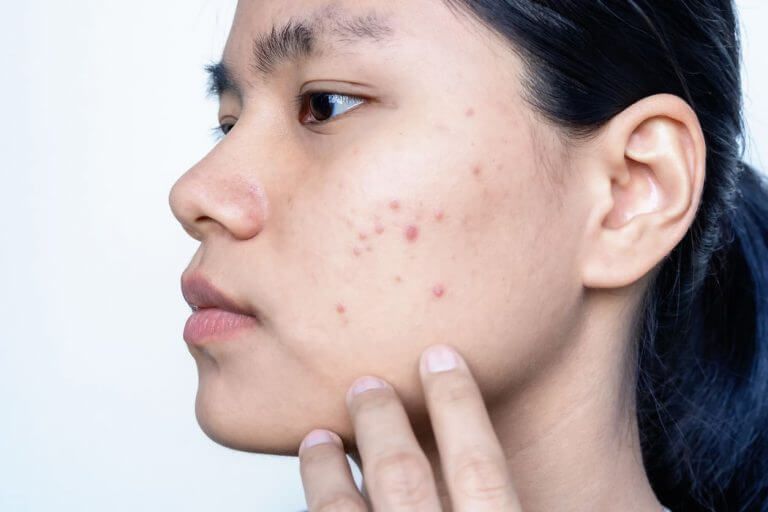
Before jumping into how to get rid of acne scars, it helps to understand how they form. These marks don’t just appear out of nowhere — they’re often caused by how the acne is treated.
Most of us are desperate to make pimples disappear as quickly as possible, but using the wrong methods — like squeezing them with your fingers or pricking them with needles — can damage deeper layers of the skin. This damage can trigger broken capillaries or melanin overproduction at the site of the acne, leading to various types of post-acne marks. These can take weeks or even months to fade naturally, depending on your skin’s metabolism and regeneration speed.
In more severe cases, improper acne handling can lead to permanent textural issues like pitted scars or hypertrophic (raised) scars, which are much harder to treat and often require laser therapy to improve.
Types of Acne Scars You Should Know
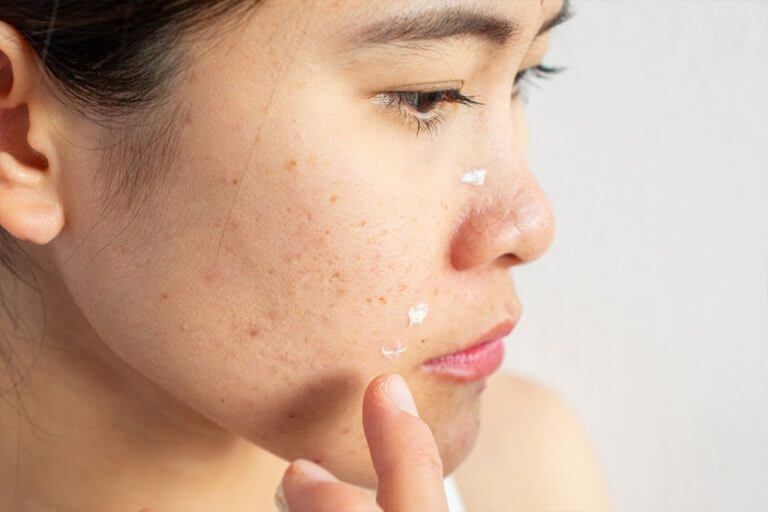
From a dermatological perspective, acne marks generally fall into four categories: red marks, brown marks, pitted scars, and raised scars. Here’s a breakdown of what each type means:
Type 1: Red Acne Marks
These are common after inflamed pimples heal. The inflammation causes nearby blood vessels to dilate and become more visible, resulting in reddish marks on the skin. As the inflammation subsides, these blood vessels gradually return to normal and the redness fades. However, if your skin’s natural renewal process is slow, it might take longer for the red marks to disappear.
Type 2: Brown Acne Marks
When acne-causing bacteria trigger an inflammatory response, your skin produces reactive oxygen species to fight it off. Unfortunately, these compounds can also harm healthy skin cells, which activates melanocytes (the cells that produce pigment). The result? Darker pigmentation at the acne site — brown marks that linger long after the pimple is gone.
Type 3: Pitted Scars (Indentations)
If you’ve ever popped a pimple or bumped it during the healing stage, you might end up with indented scars. This happens when the skin’s collagen structure is damaged, leading to a loss of tissue volume and permanent dips or craters in the skin’s surface. These types of scars are more difficult to treat and usually require clinical procedures.
Type 4: Raised Acne Scars
Not all scars are indented — some heal as raised bumps. These hypertrophic scars occur when the skin goes into overdrive trying to heal itself, producing too much collagen in the process. The result is a slightly raised, bumpy texture where the pimple used to be.
免費體驗
Acne Treatment
1 Minute Self-Registration
Date should not be before minimal date
How Long Does It Take to Fade Acne Marks?
The time it takes to fade acne scars depends on your skin’s renewal speed and your age. On average, your skin regenerates every 28 days. During this cycle, new skin cells form in the lower layers and push older, pigmented or damaged cells toward the surface, where they’re eventually shed.
However, as you age, this renewal process slows down. That’s why acne marks tend to fade more slowly over time — and why getting rid of them becomes more challenging the older you get.
To speed things up, many people turn to exfoliants and products that promote skin turnover, helping to boost cellular regeneration and reduce pigmentation more effectively.
How to Fade Acne Marks: 6 Popular Methods
Even after your acne is healed, leftover marks can be difficult to treat. Here are six methods people commonly use to reduce their appearance:
1. Exfoliation
Exfoliants like salicylic acid, mandelic acid, and AHAs (alpha hydroxy acids) help slough off dead skin cells and boost skin turnover. This can reduce pigmentation and improve the appearance of acne marks over time. But be cautious — don’t use exfoliants on active, inflamed acne, as they can further irritate the skin.
2. Sun Protection
UV exposure is one of the biggest enemies of acne-prone skin. It can worsen pigmentation and darken existing scars. To effectively fade acne marks, daily sun protection is essential. Apply sunscreen before going out and use a hat or umbrella when outdoors.
3. Brightening Products
Since acne marks are a form of pigmentation, ingredients that target melanin can help. Look for products with vitamin A, vitamin C, arbutin, or niacinamide (vitamin B3) — all known for their brightening and spot-fading effects.
4. Acne Scar Face Masks
Many sheet masks are formulated with brightening agents like vitamin C, vitamin A, and arbutin to help reduce the appearance of acne marks. While they can provide short-term hydration and some improvement, their ability to penetrate deep enough to truly erase scars is still up for debate.
5. Scar Gels
Scar creams often work by limiting blood supply to the scar tissue and reducing pigmentation. Ingredients like hydroquinone are common in these products and can be effective in preventing new dark spots from forming while fading existing ones.
6. Chemical Peels (AHAs)
Acid-based treatments, including salicylic acid, retinoic acid (retinoids), mandelic acid, and glycolic acid, are frequently used in both home and professional skincare.
These acids help speed up cell turnover by exfoliating the top layer of dead skin and breaking down pigment buildup, helping fade acne scars. However, they come with risks — overuse or incorrect application can lead to irritation, redness, or allergic reactions, especially for sensitive skin types.
How to Fade Acne Scars Through Diet: 6 Nutrients That Help
If you’re serious about fading acne scars and achieving radiant, smooth skin, skincare products alone may not be enough. A well-balanced diet packed with skin-loving nutrients can significantly enhance your results. Here are six powerful ingredients to add to your meals to help speed up acne mark recovery:
1. Lycopene
Lycopene is a type of carotenoid known for its powerful antioxidant properties. It helps inhibit tyrosinase activity (an enzyme involved in melanin production), making it great for reducing pigmentation. It also fights free radicals and slows down skin aging. Tomatoes are an excellent source of lycopene — try adding more fresh or cooked tomatoes to your daily diet.
2. Beta-Carotene
Beta-carotene is a key nutrient that converts to vitamin A in the body, which plays a major role in skin regeneration and healing pitted scars. It helps regulate sebum production and supports skin repair. Foods rich in beta-carotene include carrots and sweet potatoes — so don’t be shy about eating more of these vibrant veggies!
3. Vitamin C
Vitamin C is a superstar for brightening and repairing acne-damaged skin. It stimulates collagen production, which plumps the skin and helps reduce the visibility of acne scars. You can find it in citrus fruits like oranges and lemons, as well as in guava and pomegranates, which are also vitamin C-rich alternatives for those with sensitive stomachs (since citrus can increase stomach acid in some people).
4. Vitamin A
Vitamin A supports the body’s natural production of collagen and elastin, promoting faster healing of acne wounds and improving overall skin texture. Leafy green vegetables such as spinach and kale are great sources of vitamin A and are easy to incorporate into daily meals.
5. Zinc
Zinc is a vital trace mineral for healthy skin. It helps regulate oil production, reduces inflammation, and prevents clogged pores — a key factor in reducing acne breakouts and, by extension, acne marks. To boost your zinc intake, load up on foods like eggs, meat, fish, shellfish, animal liver, walnuts, and pumpkin seeds.
免費體驗
Acne Treatment
1 Minute Self-Registration
Date should not be before minimal date
The Ultimate Acne Scar Solution: Perfect Medical’s Acne Scar Removal Treatment
Let’s be honest — acne scars can be incredibly stubborn. Even after your acne clears, you're often left with red or brown marks, or even pitted scars that just won’t fade. While whitening foods and topical products can help over time, the process is slow — and they may not reach the deeper layers of skin where the real damage lies.
That’s where Perfect Medical’s Acne Scar Removal Treatment comes in — a non-invasive, painless laser solution that targets pigmentation at the root for visibly clearer skin.
How Does the Treatment Work?
The treatment uses lasers with various wavelengths to precisely break down melanin clusters in the dermis. This energy penetrates deep into the skin, shattering the pigmented cells that cause post-acne marks. Over time, these broken-down particles are naturally eliminated through your body’s metabolism.
The result? Faded acne marks, smoother skin, tighter pores, and improved skin tone — all in one go.
Benefits of Perfect Medical’s Acne Treatment
• Multifunctional Laser Technology: Different wavelengths are used to effectively target pigment, stimulate collagen production, and resurface skin texture — making it a comprehensive solution for red marks, brown marks, and pitted scars.
• Painless & Non-Invasive: No needles, no medication, and no downtime. The procedure feels like a gentle warmth on the skin and doesn’t cause any wounds or irritation.
• Fast Results: Many clients notice visible fading after just one session. The treatment continues to work over time as your skin metabolizes the broken-down pigment.
• Long-Lasting Effects: Unlike whitening creams that only work on the surface, this treatment penetrates deep into the skin for real, lasting improvements — and there's no rebound effect.
免費體驗
Acne Treatment
1 Minute Self-Registration
Date should not be before minimal date
FAQ

Is there a golden window for Acne Treatment?
Yes! The first two months after a pimple heals are crucial. That’s when your skin is still in active repair mode, making it the ideal time to start targeting new acne marks. Treating scars early can significantly reduce long-term damage and restore smoother skin more easily.
How many sessions are needed?
It depends on the severity and depth of your scars: Mild to moderate marks: 3–6 sessions are usually enough to see a noticeable improvement. Deep, pitted scars: Since these affect the dermis, you may need 6–12 sessions to stimulate enough collagen to fill in the indentations. Before beginning any treatment, Perfect Medical provides a professional consultation to tailor a personalized plan for your skin type and condition.
Is it safe?
Absolutely. The treatment uses 1064nm medical-grade laser wavelengths, which are safe, clinically tested, and capable of reaching deep skin layers without harming the surface. The broken melanin is safely flushed out through the lymphatic system, without damaging surrounding tissue. It’s also pain-free and downtime-free, making it ideal for busy city women who want visible results without disrupting their work or daily life.
How long do the results last?
The laser breaks down melanin and boosts collagen regeneration deep in the skin. The more sessions you have, the more your skin’s texture and pigmentation improve. Over time, the treatment helps prevent new pigmentation buildup, promotes smoother skin, and minimizes enlarged pores and oiliness — tackling not just acne scars, but also the root causes of acne itself.
Who is it for?
Anyone who’s tired of dealing with stubborn acne marks and uneven skin tone! Whether you’ve got red spots, brown patches, or textural scars, this treatment is suitable for women who want to: Regain a smooth, porcelain-like complexion. Stimulate collagen regeneration. Achieve balanced, healthy skin. Even if your acne is already gone, Perfect Medical’s treatment can help erase the lingering signs — safely, effectively, and painlessly.