- Home
- Trend
- Weight Loss Strategies
- Acne Tips
- Hair Health Information
- Blemish Removal Tips
- Acne Scar Removal Tips
- Muscle Building Techniques
- Intimate Care Tips
- Postpartum Intimate Care
- Eye Bags Wiki
- Tips for Face Slimming
- Secret of Permanent Hair Removal
- Breast Enlargement Tips
- Cure to Snoring
- Marionette Lines
- Skin-Tightening Secrets

Acne creams are a “lifesaver” for many people struggling with breakouts. When red, inflamed pimples or cystic acne appear, they can quickly reduce inflammation and kill bacteria, making them one of the most common products in acne care. However, the market offers a wide variety—from medicinal creams to essential oil-based formulations—with different ingredients and effects. Using the wrong product or applying it incorrectly may not only fail to clear acne but can even worsen your skin condition.
In this article, we’ll break down the types of acne creams, their common ingredients, and the correct ways to use them. We’ll also share 15 popular product recommendations. At the end, there’s an exclusive acne treatment offer you won’t want to miss!

What Are Acne Creams?
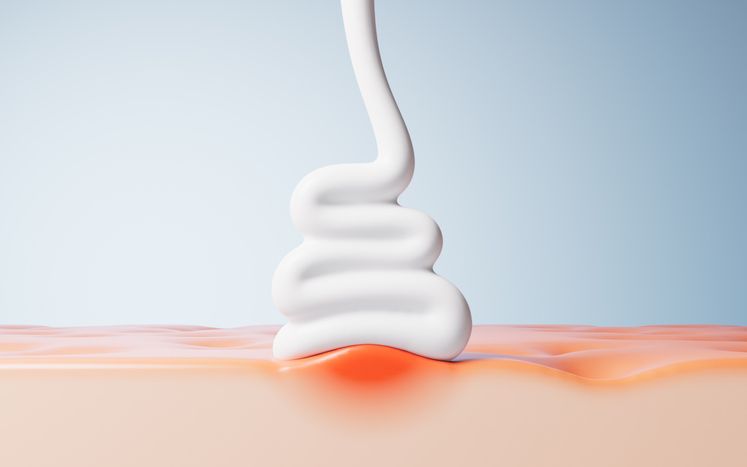
Acne creams are skincare products specifically designed to treat acne. Their primary functions include reducing inflammation, killing bacteria, controlling oil, and accelerating acne recovery. Unlike regular skincare products, acne creams contain high concentrations of medicinal or active ingredients that directly target acne-prone areas, helping reduce redness and pain while preventing acne from worsening.
Types of Acne Creams: Know the 3 Main Categories
Acne creams on the market can generally be divided into three types, each suitable for different kinds of acne:
1. Medicinal Acne Creams
These creams usually contain active medicinal ingredients such as benzoyl peroxide, retinoids, or antibiotics. They effectively kill acne-causing bacteria, reduce inflammation, and speed up recovery. These products are best used under dermatological guidance, especially for severe inflammatory acne.
2. Acid-Based Acne Creams
These contain salicylic acid, mandelic acid, or fruit acids (AHAs), which help exfoliate the skin, unclog pores, and address blackheads, whiteheads, and comedones caused by blocked pores. They are suitable for non-inflammatory acne or for acne prevention.
3. Essential Oil-Based Acne Creams
These usually include natural oils like tea tree oil, offering antibacterial and anti-inflammatory benefits. Essential oil acne creams are gentle and ideal for mild inflammatory acne and sensitive skin.
免費體驗
Acne Treatment
1 Minute Self-Registration
Date should not be before minimal date
Common Ingredients in Acne Creams: 6 Key Actives
Understanding the main ingredients in acne creams can help you choose the best product for your skin:
1. Benzoyl Peroxide
A strong medicinal ingredient that penetrates deep into hair follicles to kill acne-causing bacteria (Propionibacterium acnes) and reduce sebum production. It also has mild exfoliating effects to unclog pores. Highly effective on inflamed, red acne but may cause dryness, peeling, or redness—so moisturize when using.
2. Salicylic Acid
A lipid-soluble acid that penetrates pores to soften clogged dead skin cells and remove excess oil and comedones. It’s effective for blackheads and whiteheads and provides mild anti-inflammatory benefits.
3. Sulfur
A natural mineral with gentle antibacterial, anti-inflammatory, and oil-controlling properties. It absorbs excess sebum and helps acne dry and scab over, speeding up healing. Suitable for mild inflammatory acne, especially for oily or combination skin.
4. Azelaic Acid
A mild acid that inhibits acne bacteria growth and regulates skin cell turnover to prevent clogged pores. It reduces inflammation and helps fade post-acne marks and pigmentation, making it effective for both acne treatment and improving uneven skin tone.
5. Retinoids (Vitamin A Derivatives)
Regulate skin cell growth, prevent excessive keratinization of hair follicles, and reduce sebum production. Very effective for severe acne, cystic acne, and nodules. Must be used under dermatological supervision due to potential side effects.
6. Topical Antibiotics
Clindamycin, erythromycin, etc., effectively kill acne bacteria and reduce inflammation. Best for moderate to severe inflammatory acne, but long-term or improper use may lead to bacterial resistance—consult a dermatologist first.
4 Tips for Using Acne Creams Safely
Using acne creams incorrectly can worsen breakouts. Remember these 4 tips:
1. Avoid Sensitive Areas: Apply only on acne spots, not around eyes, mouth, or nose wings, as strong ingredients can irritate thin or sensitive skin.
2. Be Aware of Sun Sensitivity: Products with retinoids or high-concentration acids increase sun sensitivity. Apply at night and use sunscreen during the day.
3. Control Frequency: Overuse can dry out skin and damage the protective barrier, making acne worse. Follow product instructions carefully.
4. Test Your Skin First: Patch-test on your ear or inner wrist before applying to acne. If no reaction occurs after a few hours, use sparingly on acne spots.
15 Recommended Acne Creams & Toners
Choosing the right product is key to successfully managing acne. Here are 15 popular and effective options:
1. Japan Lion PAIR Medicinal Acne Cream HK$79/24g – Lightweight, forms a protective layer, reduces inflammation, safe to use under makeup.
2. Japan White Rabbit Acne Cream HK$109.9 – Softens keratin, unclogs pores, gentle and anti-inflammatory.
3. Mentholatum Acnes Anti-Pimple Gel HK$59.4 – Quick absorption, reduces mild acne inflammation, affordable for students.
4. Mario Badescu Drying Lotion HK$205 – Pink top layer: salicylic acid & tea tree oil; bottom layer: sulfur for rapid drying of pimples.
5. Oxy 10 Acne Lotion HK$97/25g – 10% benzoyl peroxide, effective on severe cystic acne; sensitive skin should consult a dermatologist first.
6. Thursday Plantation Tea Tree Gel HK$108.9 – Natural tea tree oil, anti-inflammatory and antibacterial, gentle.
7. Etude House AC Clean Up Pink Powder Spot 15ml – Salicylic acid & tea tree oil; absorbs oil, reduces inflammation, lightweight.
8. Origins Spot Remover™ Acne Treatment Gel HK$170 – Salicylic acid & red algae complex, repairs skin while reducing inflammation.
9. The Body Shop Tea Tree Oil HK$109/10ml; HK$169/20ml – Pure tea tree oil, antibacterial and anti-inflammatory.
10. PAPULEX Gel – Niacinamide, reduces sebum, anti-inflammatory, fragrance-free, suitable for sensitive acne skin.
11. Innisfree Rapid Anti-Acne Essence – Salicylic acid & tea tree oil, fast absorption, suitable for all skin types.
12. La Roche Posay Effaclar DUO(+) Unifiant – Salicylic acid & niacinamide, unclogs pores, reduces inflammation, ideal for oily/combination skin.
13. skinChemists Acne Care Serum – Mandelic acid & salicylic acid, gentle exfoliation, balances sebum, prevents future breakouts.
14. Acnes Patch (Day & Night) – Protects, absorbs pus, accelerates healing; thin daytime patches do not affect makeup.
15. Neutrogena Rapid Clear Gel – Benzoyl peroxide, kills acne bacteria, targets stubborn inflamed acne.
免費體驗
Acne Treatment
1 Minute Self-Registration
Date should not be before minimal date
Why Does Acne Keep Returning? 5 Common Causes
Simply using acne creams treats the symptoms, not the root cause. Understanding these common triggers can help you adjust your routine for better results:
1. Excess Sebum Production – Overactive sebaceous glands mix with dead skin cells, blocking pores, leading to blackheads and acne.
2. Abnormal Follicle Keratinization – Dead skin accumulates in pores due to abnormal keratinization, worsening blockages.
3. Bacterial Overgrowth – Propionibacterium acnes thrives in blocked, oxygen-poor follicles, producing inflammatory compounds.
4. Hormonal Imbalance – Hormone fluctuations during puberty, menstruation, pregnancy, stress, or irregular schedules stimulate sebum production.
5. Improper Skin Care – Over-cleansing, heavy or greasy products, or squeezing pimples causes further inflammation and scarring.
4 Situations Where Acne Creams May Backfire
1. Sensitive Skin – High concentrations of active ingredients may trigger irritation, stinging, redness, or itching.
2. Dry Skin – Oil-controlling creams can exacerbate dryness, flaking, and fine lines.
3. Widespread Acne – Large-area outbreaks require professional care like oral medications or dermatological treatments.
4. Open Wounds – Applying acne creams on broken skin can irritate, delay healing, and cause more severe scarring.
Want Long-Lasting Acne-Free Skin? Try the Perfect Medical Acne Treatment
Incorrect or unsuitable use of acne creams can worsen breakouts. For a complete solution, the Perfect Medical Acne Treatment targets the root causes: balances sebum, kills bacteria, and reduces inflammation in cystic, hormonal, or stress-related acne.
The treatment uses advanced vacuum microdermabrasion to gently remove dead skin and deliver a specialized serum deep into the skin. This unclogs pores, dissolves blackheads, and clears mask-related acne, while activating collagen repair and growth for long-lasting results. Suitable for cystic acne, hormonal acne, stress-induced acne, bumps, enlarged pores, and sebum buildup.
免費體驗
Acne Treatment
1 Minute Self-Registration
Date should not be before minimal date
FAQ

1. Can I use acne cream every day?
Not recommended. Follow product instructions or dermatological guidance, and monitor skin reactions.
2. Redness after using acne cream—is this normal?
It may indicate irritation or allergy. Stop using and consult a dermatologist if redness, stinging, or swelling occurs.
3. Can acne creams remove acne scars?
Acne creams mainly treat inflammation and pimples. For scars, use products with vitamin C, AHAs, or retinoids, or consider dermatological treatments.
4. Can acne creams and patches be used together?
Yes, but not on the same spot. Creams are for inflamed pimples without pus; patches are for pus-filled pimples, absorbing pus and protecting from contamination.
5. Do acne creams expire?
Yes. Always use within the expiry date and follow storage instructions to avoid product degradation.