- Home
- Trend
- Weight Loss Strategies
- Acne Tips
- Hair Health Information
- Blemish Removal Tips
- Acne Scar Removal Tips
- Muscle Building Techniques
- Intimate Care Tips
- Postpartum Intimate Care
- Eye Bags Wiki
- Tips for Face Slimming
- Secret of Permanent Hair Removal
- Breast Enlargement Tips
- Cure to Snoring
- Marionette Lines
- Skin-Tightening Secrets

Many women keep affordable whitening sheet masks on hand—whenever they’ve been out in the sun or notice dark spots and dull skin, these masks are a convenient and effective go-to solution. Whitening sheet masks have become a cult favorite thanks to their instant results and wide variety of formulas tailored to different skincare needs. In this article, we’ll explore the types of whitening masks available and the active brightening ingredients they contain, along with usage tips, common concerns, and a professional treatment recommendation for those looking for more intensive results.

Whitening Sheet Mask vs. Whitening Serum
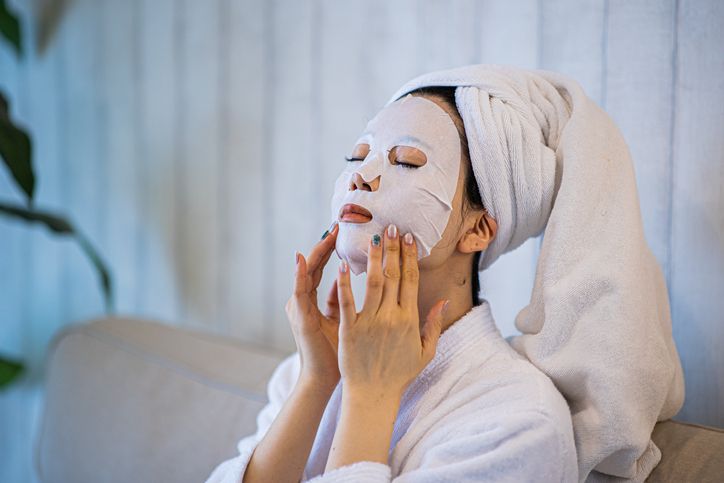
When it comes to brightening and evening out skin tone, most people first think of whitening serums before turning to sheet masks. Only when those don’t deliver do they consider clinical whitening treatments, whitening injections, or oral supplements.
Sheet masks are used by applying them to the face and removing them after a short period. During this time, active whitening ingredients—such as vitamin C and bio-cellulose—penetrate the skin to help fade spots and brighten the complexion. The benefits of whitening sheet masks are largely immediate: they can visibly brighten skin and soften minor pigmentation, making them ideal before a photo shoot or special event. Recommended usage is 1–3 times per week, depending on your skin type and needs.
Whitening serums, on the other hand, are used after toner in your daily skincare routine. They often contain concentrated ingredients like vitamin C, glutathione, arbutin, and licorice extract, and may also offer anti-aging and hydrating benefits. Their higher potency allows them to inhibit melanin production for longer-lasting brightening effects. Designed for consistent daily use—either morning and night or just at night—serums are a better fit for those seeking long-term improvements in skin tone and dark spots. However, they typically require ongoing use over time to see visible results.
Top 3 Benefits of Whitening Sheet Masks
1. Camouflaging Imperfections
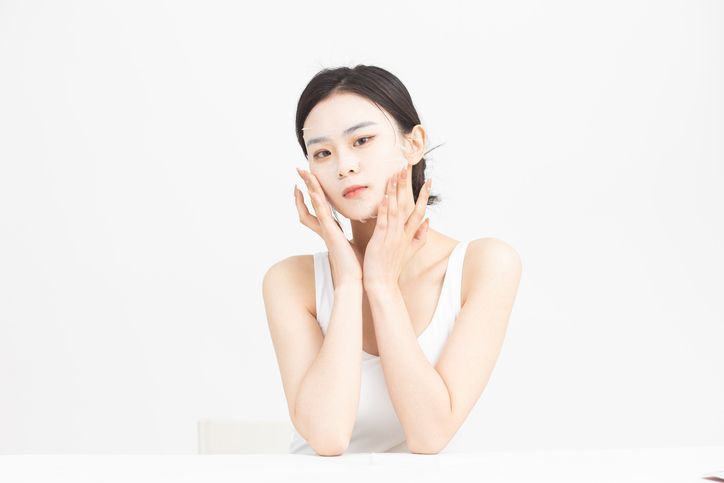
Most people have minor skin flaws like enlarged pores on the nose, blackheads, or light pigmentation such as freckles. Whitening sheet masks containing ingredients like arbutin, vitamin C, and tranexamic acid can help fade dark spots and enhance brightness, minimizing the appearance of these flaws.
2. Restoring Radiance
Thanks to their small molecule size and high absorbency—especially in paper masks—whitening sheet masks can deliver quick results, often more immediate than serums or whitening supplements.
3. Skin Repair
In addition to brightening, many mask formulas also deliver nourishment and hydration, helping to restore sun-damaged skin and reduce dullness, uneven tone, and loss of elasticity. Some users even report a softening of fine lines. Plant fiber and silk masks offer a smooth, gentle texture, enhancing the reparative experience.
免費體驗
PicoCure Pigmentation Removal Treatment
1 Minute Self-Registration
Date should not be before minimal date
Key Ingredients in Whitening Sheet Masks
1. Vitamin C
Widely used in whitening products (serums, creams, pills), vitamin C inhibits melanin production, neutralizes free radicals, and boosts collagen synthesis. It helps reduce oxidative stress and dark spots, brighten tone, and improve skin elasticity. Although vitamin C in masks tends to be stable, excessive concentrations may irritate the skin, so product selection and frequency of use should be monitored. Avoid combining vitamin C products with acids, which may trigger skin reactions.
2. Arbutin
A natural whitening agent, arbutin suppresses the enzyme tyrosinase, which is responsible for melanin production. This helps fade spots and even out skin tone. Like vitamin C, arbutin also has antioxidant and anti-aging properties. It typically appears in 2–7% concentrations in skincare, as higher levels can increase photosensitivity—making skin more reactive to sunlight and prone to redness. Therefore, products containing arbutin are best used at night.
3. Cherry Blossom Leaf Extract
This natural ingredient is rich in antioxidants and helps reduce melanin production. Ideal for those with dull or mildly uneven skin tone, it soothes redness and inflammation, making it suitable for sensitive skin. It also hydrates and improves skin texture. Few products include this rare extract, with one example being the limited-edition FANCL Whitening Mask. Be sure to choose trusted brands and follow usage instructions. Avoid layering too many whitening products at once to prevent overloading the skin.
How to Choose a Whitening Mask: Recommended Products
1. Detox Masks with Whitening Effects (not for sensitive skin)
○ FENTY SKIN COOKIES N CLEAN Whipped Clay Detox Mask
○ XOVĒ Ultra Whitening Mask
2. Gentle, Hydrating Bio-Cellulose Masks
○ Torreya Intensive Whitening Bio-Cellulose Mask
○ Skin Logic Iris Whitening Hydration Mask
3. Deep-Penetrating Brightening & Moisturizing Masks
○ Kiehl’s Clearly Corrective Clarity Booster Hydration Mask
4. Highly Moisturizing & Brightening Microcurrent Masks
○ FRANZ Skincare Jet Plus Brightening Dual Mask System
How to Use Whitening Masks Properly— And One Big No-No
1. Cleanse Your Face
Start with makeup removal, gently following facial contours. Use a mild cleanser to wash away residue and oil.
2. Apply the Mask
Evenly apply the mask, pressing lightly to ensure close contact. Lying down helps absorption. Avoid contact with eyes, nostrils, and lips.
3. Relax Your Face
Facial movement (laughing, talking) can cause the mask to shift and reduce effectiveness. Stay calm and still—many people find mask time a relaxing, spa-like experience.
4. Massage After Removal
After 15–20 minutes, remove the mask and gently massage the remaining serum into your skin to boost circulation and absorption.
5. Moisturize Afterwards
To prevent dryness and seal in moisture, apply a hydrating product afterward. Since ingredients like vitamin C can be drying, moisturizing is essential. Don’t forget daily sunscreen too!
免費體驗
PicoCure Pigmentation Removal Treatment
1 Minute Self-Registration
Date should not be before minimal date
Whitening Mask Precautions
Before Use
• Choose based on skin type and needs. Budget-friendly masks can be effective too.
• Read reviews and brand comparisons before buying. If it works for your skin without causing breakouts or sensitivity, it’s safe to continue use.
• Avoid use if you have eczema, psoriasis, fresh wounds, or have just undergone laser/chemical treatments—especially with acid-based masks, which may irritate further.
During Use
• Limit to 1–3 times per week. If dryness or irritation occurs, reduce frequency or alternate with hydrating masks.
• Do not leave on longer than 10–20 minutes to avoid dehydration or pore congestion.
• Avoid contact with eyes or mouth—rinse immediately if irritation occurs.
After Use
• Rinse off any residue and apply moisturizer.
• If breakouts, heat, or discomfort occur, stop use and consult a dermatologist.
• If no improvement is seen, try another brand.
• Always apply sunscreen after using whitening masks, especially if they contain photosensitive ingredients (like fruit acids or vitamin C). Without sun protection, even frequent mask use won’t help and could worsen pigmentation.
Still Not Seeing Results from Whitening Masks? Try Perfect Medical PicoCure Pigmentation Removal Treatment!
Whitening masks aren’t a permanent fix—they require ongoing use and only offer short-term effects. Some users experience dryness, and masks can’t address moderate to severe pigmentation, wrinkles, or sagging.
Perfect Medical’s PicoCure Pigmentation Removal Treatment offers a game-changing solution. Using cutting-edge technology, it effectively fades dark spots and evens skin tone by more than a shade. The laser also stimulates collagen, tightens pores, and smooths fine lines—leaving your skin visibly younger and more radiant.
With speeds 1,000 times faster than traditional lasers, PicoCure minimizes side effects like hyper- or hypopigmentation. It’s also adjustable for sensitive clients, offering a pain-free and ultra-comfortable experience.
Fill out the form below for a free trial session and see a dramatic difference in spot removal and skin brightness!
免費體驗
PicoCure Pigmentation Removal Treatment
1 Minute Self-Registration
Date should not be before minimal date
FAQ

Can whitening masks remove dark spots?
Some masks contain melanin-reducing ingredients like vitamin C, which can help fade spots over time with regular use. However, for deeper pigmentation, masks alone won’t be effective. Clinical treatments like PicoCure provide faster, long-lasting results.
What’s the difference between sheet masks, gel masks, and clay masks?
Sheet masks are water-based, easy to use, and offer fast penetration—most recommended. Gel masks sit on the surface and help with surface-level issues like hydration and repair. Clay masks often contain exfoliating particles and shrink pores but can dry out skin. For dry or thin skin, limit use to once or twice a month.
Are whitening masks suitable for all skin types?
Not always. People with dry, sensitive, or wounded skin should avoid whitening masks that may contain irritants (e.g., alcohol, fragrance). Instead, use hydrating masks first to restore balance, then consider whitening care. For oily skin, clay or acid-based masks can help control oil and clarify the complexion.
Do I need to do skincare after using a whitening mask?
Yes. Most whitening masks don’t hydrate enough. After use, gently pat off or rinse excess serum and apply toner or moisturizer to seal in hydration and improve glow and elasticity.
Can using a whitening mask right after sun exposure prevent tanning?
No. UV exposure triggers melanin production, and the more you’re exposed, the more pigment forms. Whitening masks can’t instantly reverse tanning. In fact, using one too soon may irritate sensitive post-sun skin. First, use calming skincare like aloe vera, let the skin recover, then return to whitening products. Always use sunscreen and keep your skin hydrated in the meantime.