- Home
- Trend
- Weight Loss Strategies
- Acne Tips
- Hair Health Information
- Blemish Removal Tips
- Acne Scar Removal Tips
- Muscle Building Techniques
- Intimate Care Tips
- Postpartum Intimate Care
- Eye Bags Wiki
- Tips for Face Slimming
- Secret of Permanent Hair Removal
- Breast Enlargement Tips
- Cure to Snoring
- Marionette Lines
- Skin-Tightening Secrets

Many people in Hong Kong struggle with tinea versicolor, a skin condition that causes uneven skin pigmentation and can affect one's appearance. Although the condition itself is not difficult to treat, it has a high recurrence rate and can lead to increasingly noticeable discoloration if not managed properly. In this article, we’ll take a closer look at tinea versicolor—its symptoms, treatment options, diet tips, and prevention methods.

What is Tinea Versicolor?
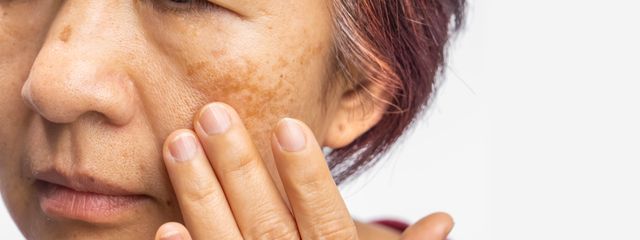
Tinea versicolor, also known as pityriasis versicolor or sun fungus, is a common skin condition caused by the overgrowth of a yeast-like fungus called Malassezia, also known as Malassezia furfur. This fungus naturally lives on the skin in small amounts and is usually harmless. However, when triggered by environmental factors such as heat, humidity, or excessive sweating, it can rapidly multiply and cause infection, resulting in tinea versicolor.
The condition typically affects oily or sweaty areas of the body, such as the chest and back, but in more severe cases, it can also spread to the neck and arms. As the fungus interferes with the skin’s melanin production, it leads to the formation of irregular brown or white patches, which can be unsightly.
Common Symptoms of Tinea Versicolor
i. Uneven Skin Tone
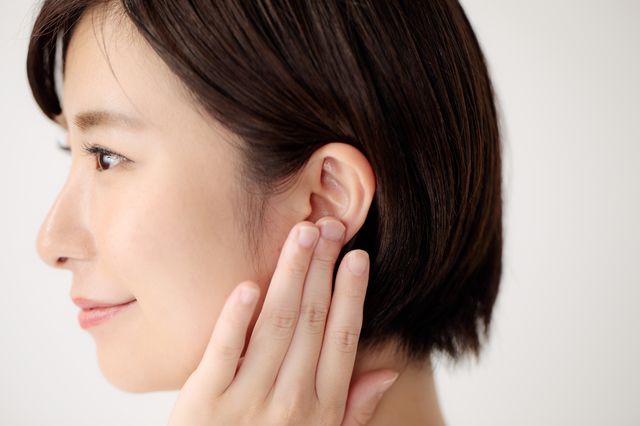
The hallmark symptom of tinea versicolor is discolored patches that appear on the skin. These may be white, pink, or light brown, usually ranging from 0.5 to 2 centimeters in size. Over time, they can expand and merge, forming large patches that contrast with the surrounding skin.
ii. Itchy Skin
The rapid growth of Malassezia produces enzymes and byproducts that irritate the skin, causing itchiness. In more severe cases, patients may also experience inflammation. The fungal infection can also dry out the skin, further intensifying the itch.
iii. Fine Flaking or Scaling
As the fungus disrupts the skin barrier, it causes fine, rough scaling on the surface. This is due to fungal byproducts weakening the bond between skin cells, leading to flaky or peeling patches, especially if the area is scratched.
免費體驗
PicoCure Pigmentation Removal Treatment
1 Minute Self-Registration
Date should not be before minimal date
Main Treatment Options for Tinea Versicolor
i. Topical Antifungal Creams
Since the root cause is a fungal infection, dermatologists typically prescribe topical antifungal creams to treat it. Among the most effective ingredients are azoles, such as Clotrimazole, Ketoconazole, and Terbinafine, which help eliminate the fungus and improve the skin condition.
However, it’s important to note that many over-the-counter creams are combination formulas that may contain steroids. Prolonged use of steroid-based creams can make the skin more fragile and worsen symptoms. Therefore, single-ingredient antifungal creams are generally safer and more effective for tinea versicolor.
ii. Oral Medication
For severe or recurring cases, topical treatments alone may not be enough. In such cases, dermatologists may prescribe oral antifungal medication like Itraconazole or Fluconazole. These must be taken strictly under medical supervision to avoid drug resistance or relapse. Never stop the medication prematurely, even if symptoms improve.
TCM Perspective on Tinea Versicolor
In Traditional Chinese Medicine (TCM), tinea versicolor falls under the category of “Zi Bai Dian Feng” (紫白癜風). TCM views the condition as the result of internal damp-heat, which disrupts the flow of qi and blood, preventing toxins from being expelled. This leads to skin eruptions and flakiness due to poor nourishment of the skin.
TCM treatment focuses on clearing heat, eliminating dampness, and improving blood circulation. For mild cases, topical herbal applications may suffice. For more widespread or persistent cases, a combination of internal and external herbal treatments is often recommended.
An example of a classic external remedy involves boiling herbs like wild chrysanthemum, sophora root, stemona root, cortex dictamni, kochia fruit, and honeysuckle. After boiling for 30 minutes and straining, the warm decoction can be used as a wash or compress. However, this is not suitable for individuals with open wounds or allergies to herbal ingredients.
TCM doctors may also prescribe herbal formulas tailored to the individual’s constitution. Common ingredients include Smilax glabra, scrophularia, honeysuckle, red peony root, moutan bark, cortex dictamni, tribulus terrestris, licorice, dandelion, and forsythia.
Diet Tips to Support Tinea Versicolor Recovery
i. Winter Melon Soup
Winter melon helps eliminate toxins, reduce heat, and relieve dampness.
Ingredients: Winter melon (with skin), 30g coix seeds, 30g poria, 60g fresh lotus leaf (or 30g dried), 1 lotus seed pod, 30g stir-fried hyacinth bean, 20g red beans, 10 strands of rush pith, 10g alisma.
Instructions: Wash all ingredients. Cut winter melon into chunks. Boil everything together over medium heat, then simmer for 1 hour. Add a pinch of salt before serving.
ii. Coix Seed Water
Also known as Job’s tears water, it helps clear heat, improve digestion, and support water metabolism.
Instructions: Soak cleaned coix seeds in cold water for 3 hours. Boil with rock sugar and 1L of water over medium heat until soft. Serve warm.
iii. Mung Bean Soup
A popular summer remedy, mung beans help detoxify, cool the body, and remove dampness.
Instructions: Soak mung beans in hot water for 40 minutes. Drain, then boil with enough water to cover the beans. Skim off foam, then simmer for 30–40 minutes. Add rock sugar once beans are soft and "burst open".
免費體驗
PicoCure Pigmentation Removal Treatment
1 Minute Self-Registration
Date should not be before minimal date
4 Daily Habits to Prevent Tinea Versicolor
i. Keep Your Skin Dry
Fungi like Malassezia thrive in warm, humid environments, so keeping your skin dry—especially after sweating—is key. Use tissues or blotting paper to remove sweat and excess oil.
ii. Wear Breathable Clothing
Tight, non-breathable clothes trap sweat and heat, increasing the risk of fungal growth. Opt for loose, breathable fabrics like cotton or quick-dry athletic wear, especially in summer or humid weather.
iii. Change Clothes After Sweating
After exercising, change out of sweaty clothes promptly to prevent moisture buildup that can encourage fungal growth.
iv. Avoid Oily Skincare Products
Heavy, oily creams can clog pores and trap moisture, making it easier for fungi to thrive. Use lightweight, non-greasy skincare products to avoid burdening the skin.
Dealing with Pigmentation Left by Tinea Versicolor? Try Perfect Medical’s PicoCure Laser Treatment!
Even though tinea versicolor is treatable, it can leave behind discolored patches due to disrupted melanin production. While these may fade over time, some pigmentation may linger.
If you’re concerned about post-fungal pigmentation, Perfect Medical’s PicoCure Pigmentation Removal Treatment offers a safe and non-invasive solution for a clear, even complexion.
PicoCure first uses nanosecond laser energy to break pigment particles into gravel-sized pieces. It then follows with picosecond laser pulses to shatter these particles into dust-like fragments, which the lymphatic system can then absorb and remove naturally. It’s highly effective not only for pigmentation from tinea versicolor but also for freckles, melasma, age spots, and sun spots.
Perfect Medical is now offering a free first trial of the PicoCure treatment. Click the link below to book your consultation!
免費體驗
PicoCure Pigmentation Removal Treatment
1 Minute Self-Registration
Date should not be before minimal date
FAQ

What is tinea versicolor?
Also called pityriasis versicolor, it’s a common skin condition caused by Malassezia fungus overgrowth on the skin, particularly in warm, humid, or sweaty environments. Common areas affected include the chest, back, neck, and arms.
Is tinea versicolor contagious through physical contact?
No. It’s usually triggered by the overgrowth of your own skin’s natural fungus and is not spread through contact with others.
How long does it take to recover from tinea versicolor?
Mild cases typically resolve within two weeks of topical treatment. However, the discolored patches may take 1–2 months or longer to return to normal skin tone.
Is tinea versicolor caused by internal heat or dampness?
From a TCM perspective, it’s caused by internal damp-heat buildup, which disrupts blood and qi flow, leading to imbalanced skin health and visible patches.
How can I prevent it from returning?
Keep your skin dry, wear breathable clothing, change clothes promptly after sweating, and avoid heavy skincare products that trap oil and moisture.