- Home
- Trend
- Weight Loss Strategies
- Acne Tips
- Hair Health Information
- Blemish Removal Tips
- Acne Scar Removal Tips
- Muscle Building Techniques
- Intimate Care Tips
- Postpartum Intimate Care
- Eye Bags Wiki
- Tips for Face Slimming
- Secret of Permanent Hair Removal
- Breast Enlargement Tips
- Cure to Snoring
- Marionette Lines
- Skin-Tightening Secrets

Sunspots are a common skin concern for many women. These stubborn spots tend to appear in areas frequently exposed to UV rays, becoming more prominent as temperatures rise. Even with daily use of sunscreen and diligent sun protection, sunspots can still persist. To tackle this widespread issue, it’s essential to first understand what causes sunspots and how to treat them effectively. In this article, we’ll dive into the causes of sunspots and explore proven ways to fade them, so you can finally say goodbye to uneven skin tone!

Learn to Tell the Difference in 1 Minute: Freckles vs. Sunspots – Can You Get Sunspots Without Sun Exposure?
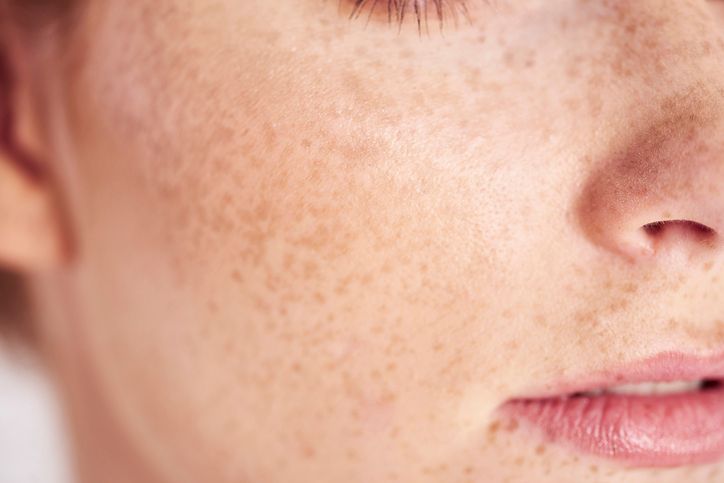
Both freckles and sunspots are superficial pigmentation issues that form in the epidermis, making them types of surface-level spots. However, they differ in origin and characteristics. Freckles are usually genetic. People who carry the freckle gene are more likely to develop reddish-brown spots on their cheeks and nose when exposed to sunlight. Freckles typically appear in childhood or adolescence and may lighten with age. Their color may also vary with the seasons.
In contrast, sunspots (also known as solar lentigines) are commonly associated with sun exposure, but they aren’t always caused directly by UV rays. Instead, they’re more strongly linked to skin aging. These spots tend to be yellowish or deep brown, irregular in shape, and develop after years of accumulated UV damage, typically surfacing in later adulthood. Sunspot treatment can be more challenging and carries a risk of post-treatment hyperpigmentation (darkening). Additionally, some spots that resemble sunspots may actually be signs of melanoma. That’s why it’s important to consult a medical professional for a proper diagnosis and treatment plan.
The First Step to Fading Sunspots: Identify the 6 Common Causes

When people think of sunspots, they usually blame sun exposure. While UV damage is indeed a major factor, it’s not the only one. Here are six key causes that contribute to sunspot formation:
1. Ultraviolet (UV) Exposure
Sunspots are a superficial defense mechanism triggered by the skin. Melanocytes in the basal layer of the epidermis absorb and combat UV damage. UV rays fall into two main types:
• UVA: Long-wave rays that penetrate deeper into the dermis, contributing to skin aging, pigmentation, and wrinkles.
• UVB: Short-wave rays that mainly affect the epidermis, causing sunburn, sunspots, and inflammation.
When exposed to either UVA or UVB (commonly referred to as photoaging), melanocytes ramp up melanin production, leading to pigmentation on areas like the face, neck, and arms.
2. Genetics
Your genes also play a role. Some people are simply more prone to developing sunspots due to inherited traits that influence skin type and melanin response. Families with a history of sunspots tend to pass this predisposition down through generations.
3. Use of Photosensitive Whitening Ingredients
Some whitening products contain ingredients like retinoic acid or arbutin, which make skin more sensitive to sunlight. While these ingredients encourage skin renewal, they also increase susceptibility to UV damage—potentially leading to sunspots, itching, or even burns. It’s crucial to pair such products with strong sun protection.
4. Lack of Antioxidants in Skincare Products
Antioxidants like Vitamin C derivatives, Niacinamide (Vitamin B3), and peptides help fortify the skin’s defenses and reduce UV-induced pigmentation. When choosing brightening products, look for formulas enriched with these ingredients for optimal spot-fading results.
5. Poor Sleep and Sleep Deprivation
Insufficient sleep disrupts the skin’s repair cycle, making it harder to recover from UV damage. This not only accelerates aging but also increases the likelihood of developing sunspots. The National Sleep Foundation recommends 7–9 hours of sleep per night for adults to support healthy, youthful skin.
6. Lack of Dietary Antioxidants
A poor diet low in antioxidants—like Vitamins C and E—weakens the skin’s natural protection against UV rays. This makes it easier for melanin to accumulate, resulting in sunspots. A well-balanced diet rich in antioxidants is essential for preventing and repairing pigmentation.
Other factors like age, hormonal changes (e.g., during pregnancy), and hormone therapies can also aggravate sunspot formation. Beyond UV exposure, your biological and environmental conditions both contribute to how and why sunspots appear.
免費體驗
PicoCure Pigmentation Removal Treatment
1 Minute Self-Registration
Date should not be before minimal date
Got Spots? 4 Dermatologist-Approved Ways to Fade and Prevent Sunspots Fast
Many women have spent time and money on ineffective treatments. But don’t worry—here are four dermatologist-recommended strategies to fade and prevent sunspots effectively:
1. Proper Sun Protection
When it comes to fading pigmentation like dark spots, acne marks, and dull skin, sunscreen is your first line of defense. UVB rays may not penetrate deep, but they can still cause surface damage and trigger melanin production.
Look for sunscreens with:
• SPF 25 or higher
• Broad-spectrum (UVA + UVB) protection
UVA rays (longer wavelengths) can darken and age your skin, while UVB rays cause surface-level damage. A sunscreen with a critical wavelength of 370nm or more is ideal for broad-spectrum coverage. Look for labels that include “Broad Spectrum” in English or Chinese.
Also, check for PA ratings or star indicators:
• PA++++ = highest UVA protection
• 4–5 stars = strong UVA protection
Apply sunscreen evenly and reapply throughout the day to maintain its protective effects. This helps prevent melanin buildup and keeps your skin healthy and radiant.
2. Use Skincare and Medications with Antioxidant Ingredients
Since melanin is part of the skin’s free radical defense, antioxidants help regulate pigmentation. Effective brightening ingredients include:
• Vitamins E, C, and A (Retinol)
• Curcumin, green tea extract (catechins), broccoli sprout extract, carotenoids
• Azelaic acid, arbutin, ellagic acid
Always follow a dermatologist’s guidance, especially for prescription creams that may contain hydroquinone, steroids, or retinoic acid. Improper use can damage skin, so consult a professional first.
Additionally, support your skin from within by consuming antioxidant-rich foods like seasonal fruits, vegetables, and supplements containing beta-carotene (Vitamin A), Vitamin C, and Vitamin E.
3. Avoid Excessive Heat Exposure
High heat environments like saunas, hot yoga, steam rooms, or even overly warm indoor spaces can dilate blood vessels and stimulate melanocytes, increasing melanin production. This worsens pigmentation.
Maintain skin at a stable temperature (~35°C) and avoid spicy foods like chili, garlic, and ginger, which can increase facial blood circulation and skin temperature—interfering with fading efforts.
4. PicoCure Pigmentation Removal Treatment
Laser treatments are one of the most effective ways to remove spots. Two common options are:
• Q-switched lasers: Target freckles, birthmarks, age spots, and tattoos with high-energy pulses.
• Picosecond lasers: Use ultra-short pulses (trillionths of a second) to shatter melanin more effectively, treating spots, wrinkles, scars, and tattoos.
A common question: “Is there a cost-effective treatment you’d recommend?”
Absolutely! Perfect Medical’s PicoCure Pigmentation Removal Treatment from the U.S. is one of the best. It’s the world’s only system that combines four wavelengths and merges picosecond and nanosecond technologies to break down pigmentation at the root.
The four wavelengths precisely target pigment at various depths, removing multiple types of spots in a single session while stimulating collagen production. It outperforms single-wavelength devices, with safe, non-invasive, and painless treatments—perfect for busy city dwellers.
Bonus: There’s a FREE trial available for everyone! Click the link to register and book your appointment. You’ll also receive a free professional skin analysis on the day of your treatment—no charge, no risk. Don’t miss out!
免費體驗
PicoCure Pigmentation Removal Treatment
1 Minute Self-Registration
Date should not be before minimal date
FAQ

What everyday habits help fade sunspots?
Eat antioxidant-rich foods like leafy greens, fruits, nuts, and fish. Vitamins C and E (found in guava, kiwi, avocado, and broccoli) boost the skin’s defenses. Prioritize quality sleep and regular exercise. If weekday schedules are hectic, get more rest on weekends—especially before midnight. This helps avoid chronic fatigue, oxygen deficiency, and immune imbalance, all of which contribute to free radical buildup and spot formation. Also, try foods rich in Vitamin B6 and calcium (like yogurt, bananas, fish, and honey) to improve sleep quality and skin tone.
Can exfoliation quickly fade sunspots?
Since sunspots are on the surface, chemical exfoliation can help by removing dead skin cells and surface pigment. However, over-exfoliating or using the wrong products may cause irritation. Follow product directions carefully or consult a skincare expert. Excessive exfoliation can damage your skin barrier, leading to dryness or inflammation. Healthy skin renews every 28 days, so consistent care and patience yield better results.
Will sunspots come back?
Even after laser treatments, there’s no guarantee sunspots won’t return. Without proper protection, UV damage will accumulate again, triggering new spots. Prevention is key to long-lasting results.
Do natural remedies help fade sunspots?
Some people try lemon juice or aloe vera, but results vary. Citrus juices can irritate or burn the skin—especially sensitive types. Always patch-test first and use with caution.
What’s the difference between sunspots and age spots (melasma)?
Sunspots are caused by UV exposure and usually appear on sun-exposed areas like the face, neck, and arms. They’re small, scattered, and light brown with irregular shapes. Age spots or melasma are more common with age or genetics, tend to be larger and more defined, and usually appear on the face, hands, or arms. The causes and treatment approaches differ, so consult a skin specialist for a proper diagnosis.