- Home
- Trend
- Weight Loss Strategies
- Acne Tips
- Hair Health Information
- Blemish Removal Tips
- Acne Scar Removal Tips
- Muscle Building Techniques
- Intimate Care Tips
- Postpartum Intimate Care
- Eye Bags Wiki
- Tips for Face Slimming
- Secret of Permanent Hair Removal
- Breast Enlargement Tips
- Cure to Snoring
- Marionette Lines
- Skin-Tightening Secrets

Physical sunscreen offers excellent protection against UV rays. As an exceptional UV absorber, it works immediately upon application—no need for your skin to absorb it. The ingredients and particles of physical sunscreens provide long-lasting UV protection, making them perfect for sensitive skin or acne-prone skin! While the debate between physical and chemical sunscreens is ongoing, each has its own advantages and disadvantages. Let’s break down the differences between physical and chemical sunscreens, explain how they work, and recommend 5 physical sunscreen products along with tips for their correct use. Plus, we’ll introduce a secret weapon for reducing UV damage at the end!

Why Do We Need Physical Sunscreen? UV Damage Has 3 Main Types!
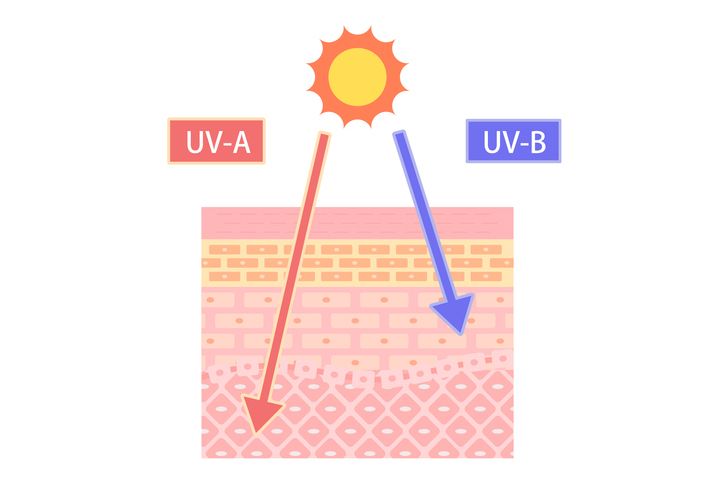
Before diving into physical sunscreen, let's first understand the various ways UV rays can damage our skin! UV (ultraviolet) rays are invisible to the naked eye and present in sunlight. They are divided into three types based on their wavelength: long-wave UVA, medium-wave UVB, and short-wave UVC. These rays penetrate the atmosphere and reach our skin, causing varying degrees of harm.
1. Long-Wave UVA: The Aging Culprit
Long-wave UVA accounts for about 95% of UV rays. It has a strong penetrating power and can pass through clouds and glass, reaching the dermis and damaging collagen and elastin fibers. This is why you need sunscreen indoors too! Prolonged exposure to UVA can lead to:
○ Skin aging (photoaging)
○ Wrinkles
○ Dull, uneven skin tone
2. Medium-Wave UVB: The Sunburn Instigator
UVB rays, while unable to penetrate deep into the skin, cause strong damage to the epidermis, leading to sunburn, redness, and peeling. UVB intensity is highest during summer or midday hours and can increase the risk of:
○ Skin cancer
○ Pigmentation
○ Skin irritation and inflammation
3. Short-Wave UVC: Mostly Blocked by the Atmosphere
UVC rays have the shortest wavelength and the most energy. Fortunately, almost all UVC is absorbed by the Earth's ozone layer and doesn’t reach the surface. So, under normal circumstances, we don’t need to worry about UVC damage.
Physical Sunscreen vs. Chemical Sunscreen: 5 Key Differences!
What is Physical Sunscreen?
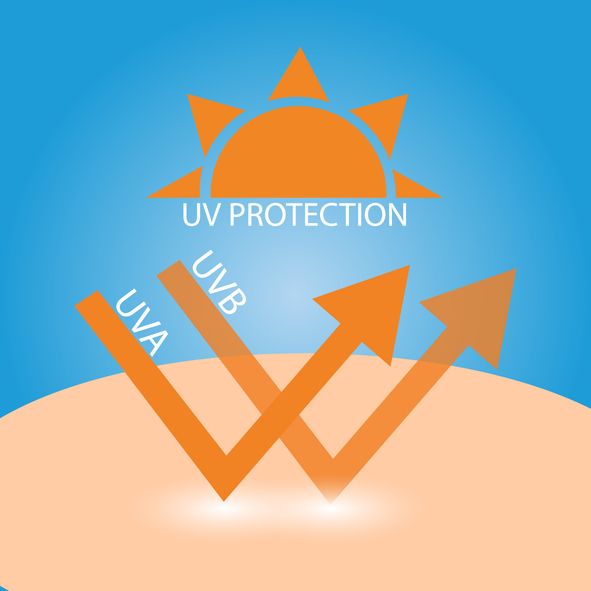
Physical sunscreen, also known as mineral sunscreen or pure physical sunscreen, works by forming a barrier on the skin’s surface that directly reflects UV rays (both UVA and UVB). It's like a mirror that blocks the rays from penetrating the skin. The main ingredients are naturally sourced minerals, such as:
• Zinc Oxide
• Titanium Dioxide
These particles are stable, won’t break down easily, and don’t penetrate the skin, making them low in irritation and relatively safe. They are especially suitable for sensitive skin, pregnant women, and children.
What is Chemical Sunscreen?
Unlike physical sunscreens, chemical sunscreens absorb UV rays and convert them into heat, which is then released from the skin, providing protection. Chemical sunscreens contain a variety of chemical ingredients such as:
• Avobenzone
• Octocrylene
• Octisalate
Chemical sunscreens are typically lightweight, non-greasy, and don’t leave a white residue, making them great for natural makeup looks or as a base for full makeup. However, because of the nature of some chemical components, they may cause irritation or allergic reactions, especially for sensitive skin.
5 Main Differences Between Physical and Chemical Sunscreens
1. Action Method: Physical sunscreen reflects UV rays, while chemical sunscreen absorbs and transforms UV rays.
2. Ingredient Source: Physical sunscreen uses natural mineral particles, while chemical sunscreen relies on synthetic chemical ingredients.
3. Irritation: Physical sunscreen is gentle and low in irritation, while chemical sunscreens may cause sensitivity.
4. Texture: Physical sunscreen may feel thicker and leave a white cast, while chemical sunscreens are light and provide a natural makeup finish.
5. Environmental Impact: Physical sunscreens are often eco-friendly, while some chemical sunscreen ingredients may harm marine life, particularly coral reefs.
免費體驗
PicoCure Pigmentation Removal Treatment
1 Minute Self-Registration
Date should not be before minimal date
5 Popular Mineral Sunscreen Products Available in Hong Kong: Suitable for Most Sensitive Skin!
1. Hada Labo Hydrating Physical Sunscreen SPF50+ PA++++
Brand: Hada Labo
SPF: SPF50+ PA++++
Texture: Light and watery, non-greasy
Main Ingredients: Physical sunscreen agents, hyaluronic acid, ceramide, niacinamide
Benefits: Provides strong sun protection while keeping the skin hydrated. Suitable for sensitive skin.
Usage: For face and body
Feature: Purely physical formula, gentle, suitable for daily use.
2. Salt & Stone SPF 50 Natural Mineral Sunscreen Lotion
Brand: Salt & Stone
SPF: SPF50
Texture: Lotion-like, easy to absorb, no white residue
Main Ingredients: Non-nano zinc oxide, hyaluronic acid
Benefits: Provides broad-spectrum UVA/UVB protection while moisturizing the skin.
Usage: For face and body
Feature: Fragrance-free, suitable for sensitive skin, water and sweat-resistant.
3. ANESSA Perfect UV Sunscreen Aqua Booster SPF50+ PA++++ (NA 5X Version)
Brand: ANESSA (Shiseido)
SPF: SPF50+ PA++++
Texture: Lotion-like, refreshing, non-greasy
Main Ingredients: Combination of physical and chemical sunscreen agents, with added moisturizing ingredients
Benefits: Offers high-level sun protection, ideal for outdoor activities
Usage: For face and body
Feature: Waterproof, sweat-resistant, perfect for hot climates.
4. La Roche-Posay Anthelios Mineral Sunscreen SPF50+ PA++++
Brand: La Roche-Posay
SPF: SPF50+ PA++++
Texture: Smooth lotion, refreshing, non-oily
Main Ingredients: Zinc oxide, titanium dioxide, La Roche-Posay thermal spring water, hyaluronic acid
Benefits: Provides broad-spectrum UVA/UVB protection while soothing sensitive skin and reducing external irritants.
Usage: For face, suitable for sensitive skin and pregnant women
Feature: Fragrance- and alcohol-free, dermatologically tested for ultra-sensitive skin.
5. Allie Extra UV Facial Gel SPF30 PA++++ (Upgraded Version)
Brand: Allie (Kanebo)
SPF: SPF30 PA++++
Texture: Lightweight, gel texture
Main Ingredients: "Smooth Protect" technology, zinc oxide, plant-based moisturizers
Benefits: Physical UV protection while keeping skin moisturized
Usage: For face and body
Feature: Upgraded formula reduces friction and prevents makeup from smudging, doubles as a primer for makeup.
Correct Usage of Physical Sunscreen Products: Double the Protection!
When to Apply:
• Apply sunscreen 20–30 minutes before going outside to allow the ingredients to properly adhere to your skin.
• Even on cloudy days or indoors, sunscreen is necessary as UV rays still reach us.
Amount to Use:
• Generally, you need about the size of a coin for the face.
• Apply a sufficient amount to other exposed body areas.
How to Apply:
• Evenly distribute sunscreen on the face, neck, arms, legs, and other exposed areas.
• Gently pat or massage to help the sunscreen absorb.
Reapplication:
• Reapply every 2–3 hours, especially after sweating or swimming.
• Even water-resistant sunscreens require reapplication after prolonged exposure to water.
Removing Physical Sunscreen:
• Since physical sunscreens can be thick, ensure thorough removal to prevent clogged pores.
• Use makeup remover oil or milk to gently massage and dissolve the sunscreen.
• Follow with facial cleanser to remove any residue and avoid redness or peeling.
Skin Damage from Failed Sunscreen? Save Your Skin with the Perfect Medical PicoCure Pigmentation Removal Treatment!
Why are you still getting dark spots after using physical sunscreen? Your sun damage savior is here! The Perfect Medical PicoCure Pigmentation Removal Treatment offers high safety, is painless, and requires no recovery time. Whether you have oily, dry, or sensitive skin, this treatment is suitable for all skin types. One session shows visible improvement, effectively reversing UV damage!
The PicoCure laser uses four different wavelengths of pico- and nanosecond lasers to address various skin concerns. The laser targets stubborn melanin spots, breaking them down into fine particles, which are then naturally eliminated through metabolism. The result is brighter, more even skin tone, improved skin texture, and reduced pores. Start reversing aging and skin issues now with this non-invasive treatment!
Sign up now for a free consultation and experience the Perfect Medical PicoCure Pigmentation Removal Treatment!
免費體驗
PicoCure Pigmentation Removal Treatment
1 Minute Self-Registration
Date should not be before minimal date
FAQ

Does physical sunscreen clog pores?
If not properly removed, physical sunscreens can clog pores. Ensure thorough cleansing.
Does physical sunscreen need to be removed?
Yes, physical sunscreen needs to be removed. Use a makeup remover oil or milk for thorough cleansing.
Can I use both physical sunscreen and a primer?
Yes. It’s recommended to apply sunscreen first, then apply a primer afterward.
Is a higher SPF always better?
Not necessarily. Choose SPF according to your specific needs. An excessively high SPF may put unnecessary strain on the skin.
Can babies and children use adult physical sunscreens?
It’s not recommended. Babies and children should use sunscreens specifically formulated for them with gentler, safer ingredients.