- Home
- Trend
- Weight Loss Strategies
- Acne Tips
- Hair Health Information
- Blemish Removal Tips
- Acne Scar Removal Tips
- Muscle Building Techniques
- Intimate Care Tips
- Postpartum Intimate Care
- Eye Bags Wiki
- Tips for Face Slimming
- Secret of Permanent Hair Removal
- Breast Enlargement Tips
- Cure to Snoring
- Marionette Lines
- Skin-Tightening Secrets

Melasma isn’t something most young women or men are familiar with—it tends to appear more commonly in older women, especially mothers and aunts in the family. Of all types of dark spots, melasma is often the most stubborn and difficult to treat. And as we age, many of us may eventually have to face it. But what exactly is melasma, and how should we deal with it? Whether you already have melasma or simply want to understand more about it, this comprehensive guide will walk you through everything—from its traits and causes to prevention and treatment methods.

The Truth About Melasma: A Women’s Skin Concern, Not a Liver Problem
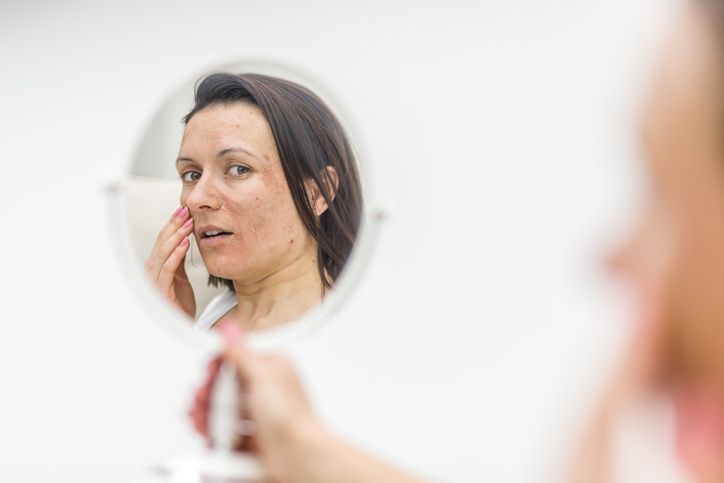
Melasma, also known as chloasma or the “butterfly mask,” is a pigmentation disorder that appears due to melanin accumulation in the skin. Though its exact cause remains unclear, doctors have observed that it typically shows up as irregular, symmetrical patches of gray-brown to yellow-brown pigmentation with poorly defined borders. These patches often form a butterfly-like pattern across areas such as the forehead, cheeks, cheekbones, eyelids, upper lip, and chin—regions that stick out and are more exposed to sunlight. Unsurprisingly, UV exposure plays a major role.
Despite the term “melasma” in Chinese including the character for “liver” (肝), melasma has nothing to do with liver health. It was so named simply because the patches resemble the color of cooked pig liver. In reality, melasma is mostly linked to age, sun exposure, and genetics. Protecting the skin from UV rays is crucial, and treatment options include laser procedures, topical medications, and cosmetic solutions.
Melasma is particularly common in people with darker skin tones—such as Asians, Latinos, and African Americans—and affects women far more often than men. Around 90% of melasma cases occur in women, with a significant number appearing during or after pregnancy due to hormonal fluctuations. Studies estimate that 15% to 50% of pregnant women develop melasma, making it commonly known as the “pregnancy mask.” Men can get it too—though they account for only about 10% of cases, many are unaware due to paying less attention to facial pigmentation.
What Causes Melasma? 2 Hallmarks + 7 Key Triggers

Although there is no universally agreed explanation for melasma’s exact mechanism, histological studies reveal two consistent features: an increased number of melanocytes (melanin-producing cells) and higher melanin levels in affected areas. Inflammation and an increased number of mast cells suggest a chronic inflammatory process. Researchers have identified seven main contributing factors:
1. UV Exposure
UV light from the sun, lamps, or tanning devices is a primary trigger. Both UVA and UVB rays stimulate melanin production. UVA penetrates deep into the skin, directly activating melanocytes, while UVB affects the outer layer but also promotes melanin synthesis.
2. Hormonal Imbalance
Hormonal fluctuations—especially increased estrogen levels—play a critical role. Triggers include oral contraceptives, hormone therapy, pregnancy, and other endocrine shifts.
3. Genetics
A family history of melasma increases risk. Genetics can make melanocytes more reactive to UV light, resulting in excess pigment.
4. Medications
Certain drugs like oral contraceptives, hormonal therapies, and anti-epileptics are associated with melasma. Photosensitizing medications—such as tetracyclines, NSAIDs (like ibuprofen), antidepressants, and diuretics—can worsen the condition when combined with sun exposure.
5. Incorrect Use of Skincare or Cosmetics
Improper skincare routines (e.g. excessive exfoliation, using irritating ingredients, lack of sun protection) can damage the skin and increase pigmentation risk. Choose gentle, non-irritating products with SPF and stop using anything that causes reactions.
6. Thyroid Dysfunction
Both hyperthyroidism and hypothyroidism can disrupt metabolism and hormone balance, affecting skin pigmentation. For example, hyperthyroidism accelerates metabolic stress and may trigger melanin production; hypothyroidism may reduce circulation, leading to pigment buildup.
7. Stress and Emotional Strain
Chronic stress affects hormone regulation—particularly cortisol levels—and weakens the skin’s defenses against UV damage. Stress can also increase melanocyte activity. Healthy emotional habits, rest, a nutritious diet, and exercise help reduce melasma risk.
免費體驗
PicoCure Pigmentation Removal Treatment
1 Minute Self-Registration
Date should not be before minimal date
3 Simple Everyday Habits to Prevent Melasma
Prevention isn’t complicated. These three habits can significantly reduce your melasma risk:
1. Prioritize Sun Protection
Melasma-prone skin is more reactive to UV rays. No matter what treatment you use, good sun protection is essential to prevent relapse. Here are three practical tips:
• Physical barriers: Use umbrellas, wide-brimmed hats, and UV-protective clothing—dark colors block UV more effectively.
• Broad-spectrum sunscreen: Choose products with SPF 30+ and PA+++ to shield against both UVA and UVB.
• Reapply regularly: Sunscreen wears off with sweat and face-touching. Reapply every 2–3 hours.
2. Hydrate and Use Gentle Skincare
Melasma-affected skin is often dry and sensitive. Avoid harsh cleansers or exfoliants and focus on moisturizers with mild, fragrance-free formulas. Stay away from harmful ingredients like mercury and strong fragrances.
3. Eat Vitamin C & E-Rich Foods
Boost your skin from within. Vitamin C helps lighten pigmentation and supports collagen production. Vitamin E protects against free radical damage and pigmentation. Good sources include guava, citrus fruits, kiwi, spinach, lettuce, avocados, and okra.
Avoid oily or fried foods to reduce inflammation. Limit photosensitizing foods like lemon, mint, celery, coriander, and basil when spending time in the sun.
How to Treat and Manage Melasma: 4 Effective Options + High-Value Aesthetic Treatments
Because melasma often recurs, long-term treatment usually requires a combination of methods under a dermatologist’s care. Here are four main options:
1. Topical Creams
• Triple Combination Cream: Contains hydroquinone, a mild corticosteroid, and retinoic acid. It’s a widely used brightening treatment. Results appear after 4–6 weeks, with more visible improvement in 3–6 months. However, due to the steroid component, it’s not for long-term use.
• Azelaic Acid Cream: Inhibits tyrosinase, the enzyme behind melanin production. It’s milder and safer (even during pregnancy), but results are slower and best for mild cases. Consult a dermatologist before use.
2. Oral Medication
Tranexamic acid is the most common oral melasma treatment. It reduces melanocyte activity and enhances the effect of treatments like low-level light therapy and laser. Treatment usually lasts 3–4 months, with visible results after 2 months. However, it’s not a cure and should be combined with other therapies. Possible side effects include GI discomfort and menstrual changes. Not recommended for patients with hormone-related conditions or a history of blood clots.
3. PicoCure Pigmentation Removal Treatment by Perfect Medical
Pico lasers use ultra-short pulses to shatter pigment with minimal heat damage. Perfect Medical’s PicoCure combines picosecond and nanosecond technology to break down melanin into tiny particles that are flushed out by the body’s metabolism. It uses four wavelengths (1064nm, 650nm, 585nm, 532nm) to target pigmentation at different skin depths. Compared to traditional lasers, it’s up to 1000 times faster and provides better precision and lasting results. They also offer a free trial treatment—just register via the link to claim your first session at no cost.
免費體驗
PicoCure Pigmentation Removal Treatment
1 Minute Self-Registration
Date should not be before minimal date
FAQ

Is melasma treatment permanent?
No, melasma often recurs due to UV exposure, hormonal changes, and genetics. Long-term maintenance (sun protection, skincare, follow-up treatments) is necessary to prevent relapse.
How is melasma different from age spots?
Melasma appears as large, irregular patches (especially on the face) and is hormone- and sun-related. Age spots are usually smaller and appear on areas like the hands, face, or shoulders due to aging and sun exposure.
Are there side effects from melasma treatments?
Yes, possible side effects include redness, irritation, itching, and temporary skin darkening/lightening. Skin may also become more sun-sensitive after treatment.
Who should avoid melasma treatments?
Pregnant or breastfeeding women should avoid intensive treatments. Individuals with underlying hormone disorders or certain health conditions (e.g., heart disease, autoimmune disorders) should consult a doctor beforehand.
Are there natural remedies for melasma?
Natural remedies like aloe vera, lemon juice, and honey may offer mild benefits but are usually not strong enough for melasma. Professional treatment tends to be more effective for stubborn cases.