- Home
- Trend
- Weight Loss Strategies
- Acne Tips
- Hair Health Information
- Blemish Removal Tips
- Acne Scar Removal Tips
- Muscle Building Techniques
- Intimate Care Tips
- Postpartum Intimate Care
- Eye Bags Wiki
- Tips for Face Slimming
- Secret of Permanent Hair Removal
- Breast Enlargement Tips
- Cure to Snoring
- Marionette Lines
- Skin-Tightening Secrets

Melanin buildup is a common concern for beauty lovers. Whether it manifests as dark spots, under-eye circles, or dull, sallow skin, hyperpigmentation often leads to anxiety over appearance. While many see it as nothing more than pigment accumulating on the surface, the reality is more serious. Excess melanin can increase the risk of skin conditions like melanoma. If you're into tanning, take note—sunbeds could raise your skin cancer risk!
Below, we break down the 3 key causes of melanin accumulation and dermatologist-approved remedies. Bonus: a secret weapon for fading pigmentation and brightening your skin is revealed at the end!

What Is Melanin?
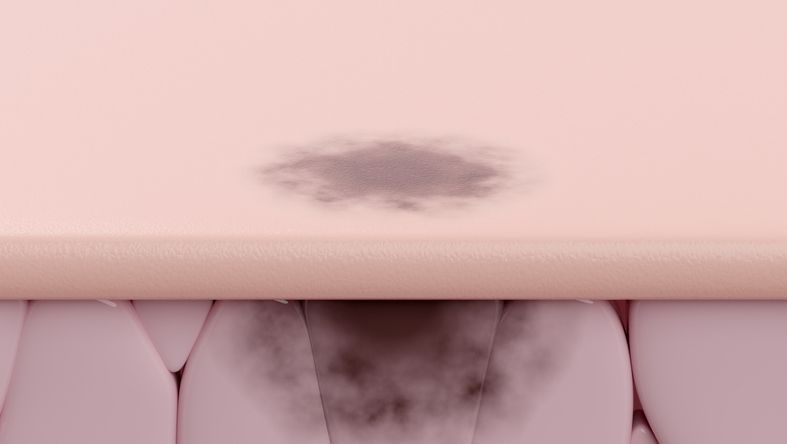
Melanin is a natural pigment produced by melanocytes and found in the skin, hair, and eyes. It determines our coloring and plays a critical protective role by absorbing UV rays, shielding our DNA from UV-related damage.
2 Types of Melanin: The Real Reason Skin Darkens
• Eumelanin: Brown-black pigment, more common in darker skin tones, with strong UV-protective effects.
• Pheomelanin: Red-yellow pigment, found in lighter skin or red-haired individuals, offers lower UV protection.
The ratio between the two types influences both your skin tone and your sensitivity to sunlight.
How Melanin Forms: The Full Process Behind Skin Darkening
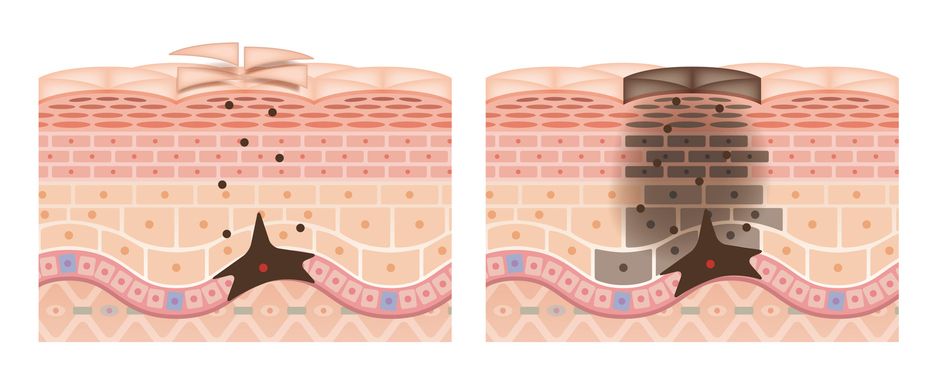
When skin is exposed to UV light, melanocytes—located at the junction of the epidermis and dermis—become activated and start producing melanin. Here's how:
1. Tyrosinase Activation: UV exposure activates tyrosinase, an enzyme that converts tyrosine into dopaquinone.
2. Melanin Synthesis: Dopaquinone undergoes a series of chemical reactions, turning into either eumelanin or pheomelanin.
3. Melanosome Transfer: Melanin is stored in melanosomes, which are transferred to surrounding keratinocytes.
4. Skin Color Changes: These pigment-filled cells gradually migrate to the skin’s surface, leading to visibly darker skin.
免費體驗
PicoCure Pigmentation Removal Treatment
1 Minute Self-Registration
Date should not be before minimal date
Common Signs of Melanin Buildup: 5 Types You Should Know
1. Tanning (Post-Sun Exposure): UV exposure stimulates melanin production to protect the skin, resulting in a brown or darker tone. This is a natural defense mechanism, but repeated exposure can lead to long-term pigmentation and uneven skin tone.
2. Acne Marks & Scarring: Inflammation from acne activates melanocytes, leaving behind brown or dark marks—this is known as post-inflammatory hyperpigmentation (PIH). Severe damage can cause stubborn pigmentation in scar tissue.
3. Dark Spots & Uneven Skin Tone: Uneven melanin distribution leads to freckles, sunspots, melasma, and age spots. These typically appear due to sun damage, hormonal fluctuations, or aging, and can make the skin look dull and blotchy.
4. Changes in Moles & Risk of Melanoma: If a mole changes in color, shape, or size, or begins to bleed, it could be an early sign of melanoma. This is especially true for acral melanoma, which is more common among Asians and often appears on the hands, feet, or under nails. Those with a family history should monitor their skin closely.
5. Melanocyte Abnormalities & Skin Cancer Risk: Uncontrolled melanocyte activity or mutation can result in malignant melanoma. This is often linked to genetics, UV exposure, or chronic skin damage. Watch for unusual pigment changes, raised lesions, or irregular dark patches, and consult a dermatologist if needed.
Top 3 Causes of Melanin Accumulation
1. UV Exposure: The leading external cause. UV rays activate melanocytes to produce melanin, helping to shield the dermis. Without proper sun protection, melanin can build up excessively, causing dark spots or an overall darker complexion.
2. Genetics & Family History: Your genes influence how active your melanocytes are. If your family has a history of freckles, pigmentation, or melanoma, you're more likely to experience melanin buildup—even with minimal UV exposure.
3. Immune System Disorders: Conditions like lupus or chronic inflammation can overstimulate melanocytes, leading to patchy pigmentation. Injuries or autoimmune dysfunctions also increase the risk of melanin overproduction.
Dermatologist-Recommended Ways to Prevent Melanin Overproduction
1. Daily Sun Protection: Rain or shine, indoors or outdoors—SPF is a must. Choose SPF 30+ with PA+++ or higher. Physical sunscreens are gentler on sensitive skin, while chemical sunscreens are lighter in texture. Apply 20 minutes before sun exposure and reapply every 2–3 hours, especially after sweating or water exposure.
2. Effective Brightening & Spot-Reducing Ingredients
○ Vitamin C: Antioxidant and brightening, especially in stable forms like ascorbyl glucoside.
○ Niacinamide (Vitamin B3): Inhibits melanin transfer and suitable for long-term use.
○ Tranexamic Acid: Targets melasma and pigmentation; often found in prescription creams.
○ Arbutin & Licorice Extract (Glabridin): Gently inhibit tyrosinase activity.
○ AHAs: Help shed dead skin cells and speed up pigmentation fading.
3. Prescription or Specialist-Recommended Formulas
Dermatologists may prescribe:
○ Hydroquinone: A long-used pigment reducer (may irritate sensitive skin).
○ Tretinoin (Retinoic Acid): Promotes skin renewal and melanin turnover.
○ Triple Combination Therapy: Hydroquinone + Retinoic Acid + Corticosteroid—effective for stubborn dark spots.
4. Lifestyle Adjustments
Eat a balanced diet rich in vitamin C, vitamin E, and beta-carotene (e.g., kiwi, nuts, spinach), get adequate sleep, and avoid late nights to keep hormones and pigment production balanced.
免費體驗
PicoCure Pigmentation Removal Treatment
1 Minute Self-Registration
Date should not be before minimal date
Your Secret to Eliminate Melanin Buildup: Perfect Medical PicoCure Pigmentation Removal Treatment
Ignoring melanin buildup won’t make it disappear. For fast, effective results, try the Perfect Medical PicoCure Pigmentation Removal Treatment from the USA. This non-invasive, pain-free treatment uses advanced technology to lighten pigmentation, brighten the complexion, and improve overall skin tone—all while you relax!
PicoCure uses patented picosecond and nanosecond lasers with four different wavelengths to target melanin at multiple skin depths. It treats dark spots, dullness, uneven tone, large pores, and even tightens the delicate eye area. The treatment also offers powerful anti-aging and antioxidant benefits.
Sign up now to enjoy a free consultation and trial session, including a professional skin analysis + a complete Perfect Medical PicoCure Pigmentation Removal Treatment!
免費體驗
PicoCure Pigmentation Removal Treatment
1 Minute Self-Registration
Date should not be before minimal date
FAQ

How long does it take for tanned skin to return to normal?
It depends on the severity and your skin’s regeneration rate. Usually a few weeks to several months.
Is higher SPF always better?
Not necessarily. Choose a level that suits your daily exposure needs.
Is Pico laser painful?
Pain levels vary, but most find it tolerable. Numbing cream can be applied beforehand.
What foods help with whitening?
Eat fruits and vegetables high in vitamin C—like lemons, oranges, and kiwis.
How can I prevent acne marks?
Avoid squeezing pimples, reduce inflammation early, and keep the skin moisturized.