- Home
- Trend
- Weight Loss Strategies
- Acne Tips
- Hair Health Information
- Blemish Removal Tips
- Acne Scar Removal Tips
- Muscle Building Techniques
- Intimate Care Tips
- Postpartum Intimate Care
- Eye Bags Wiki
- Tips for Face Slimming
- Secret of Permanent Hair Removal
- Breast Enlargement Tips
- Cure to Snoring
- Marionette Lines
- Skin-Tightening Secrets

Many wonder if scar gels and scar patches can truly treat acne scars. Let’s take a look into that as well as other effective scar treatments.

Understanding Scars: Why Do Scars Form? (Acne Scars, Wound Scars)
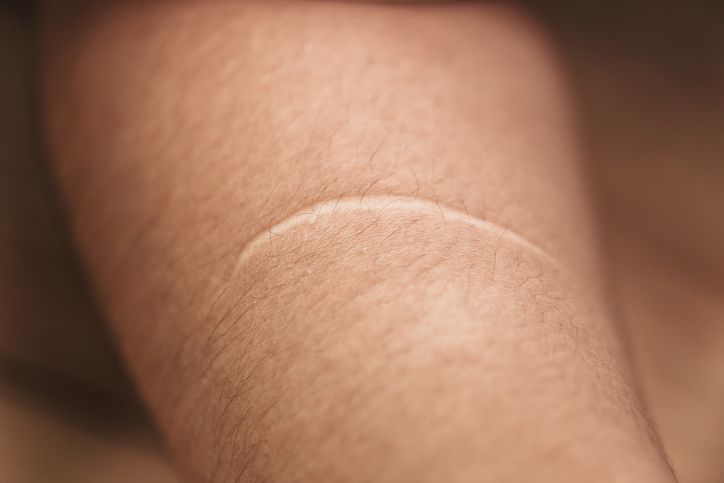
Before starting any scar treatment, it’s essential to understand how scars form. The most common type people worry about is acne scars—especially since they appear on the face. Many wonder if scar gels and scar patches can truly treat acne scars. First, let’s look at how scars are formed.
When the skin is injured—whether by burns, cuts, scrapes, or bruising—the immune system is activated. Blood vessels in the wounded area dilate and expand to deliver repair agents as quickly as possible. At the same time, melanin increases to protect the fragile skin, often leading to pigmentation. Collagen is produced rapidly to repair the damaged tissue. However, when collagen production is excessive or disorganized, various types of scars can form.
Does Every Injury Leave a Scar?
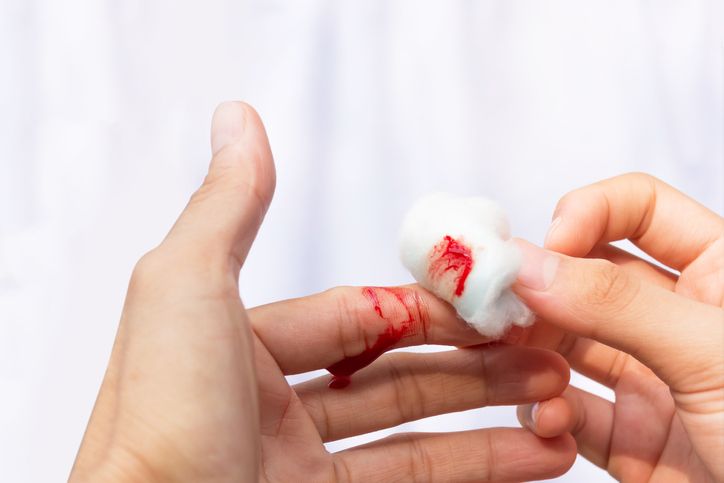
Whether a wound leaves a scar depends on several factors:
• Wound location: The body's metabolism is slower than the face’s, so even mosquito bites can leave long-lasting marks on the body.
• Cause of injury: Abrasions tend to leave more stubborn scars.
• Wound depth and inflammation: Even small cuts on fingers can scar if deep enough.
• Scar care: Poor post-injury care can lead to repeated inflammation and increase the risk of permanent scarring.
免費體驗
PicoCure Pigmentation Removal Treatment
1 Minute Self-Registration
Date should not be before minimal date
Three Main Types of Scars
Scars generally fall into three categories, each requiring different treatment approaches:
1. Superficial Scars – Acne Marks, Pigmentation
These are the most common and only affect the epidermis or superficial dermis. Examples include acne marks, skinned knees, minor cuts, or scratches. These scars don’t leave raised or sunken areas but may cause discoloration due to inflammation. Acne marks (red, brown, or black spots) on the face can fade over months with proper care, while superficial body scars might take months to years depending on one’s metabolism.
2. Atrophic Scars – Depressions or “Ice Pick” Scars
Atrophic scars result when an injury damages the dermis, leading to collagen and elastic fiber loss. The newly formed collagen and muscle fibers become entangled and pull the epidermis inward, creating pitted scars. To prevent this, scar treatment should begin as soon as the wound heals. Once formed, atrophic scars typically require medical treatments like microneedling, fractional lasers, or picosecond lasers.
3. Hypertrophic Scars & Keloids – Raised Scars
These appear as raised or enlarged scars—often from acne or wounds. People with a genetic tendency for hypertrophic scarring may experience excessive collagen buildup, causing the scar to grow or spread. Laser resurfacing and IPL (Intense Pulsed Light) therapy can help improve these scars' appearance.
How to Remove Scars: Dermatologist Tips
1. Start During the Healing Phase
Begin scar treatment right after the wound has fully healed or stitches are removed. Early intervention helps prevent scar tissue from forming or worsening. Never apply scar products to unhealed wounds as this can worsen inflammation.
2. Use Products for at Least 3–6 Months
Dermatologists recommend using scar gels or patches consistently for at least 3 to 6 months during the collagen remodeling phase to regulate collagen growth and improve its structure.
3. Support Recovery Through Diet
Consume more foods rich in vitamins A and C to support skin repair, prevent collagen from aging, and promote hydration and skin renewal. Avoid alcohol and smoking as both accelerate collagen breakdown and skin aging.
4. Daily Sun Protection
Scars are vulnerable to UV damage during the healing and pigment stabilization phase. Use sunscreen and sun-protective clothing to avoid worsening pigmentation or scar texture.
5. Choose Silicone-Based Scar Products
Modern silicone-based gels and patches are waterproof, hydrate the skin, reduce itchiness, and apply pressure to regulate collagen formation. Transparent gels are suitable for facial use, especially for acne scars.
Tailored Scar Treatments by Scar Type
1. Superficial Scars – Use Pico Laser + Exfoliation
For pigmentation and acne marks not involving the dermis, keep the skin moisturized and protected from UV rays. Skincare with Vitamin C, E, A, and AHAs can speed up cell turnover and fade discoloration. Exfoliating gently after the wound has healed can also help.
2. Atrophic Scars – Use Picosecond Laser or RF Microneedling
For depressed scars, start scar treatment as soon as inflammation subsides. If gels or patches don’t improve the appearance, consider medical procedures like microneedling, fractional CO₂ laser, RF microneedling, or honeycomb picosecond laser to stimulate collagen renewal and lift the scar.
3. Hypertrophic Scars & Keloids – Use Pressure Therapy + Laser
These are the most difficult to treat. Combine consistent moisturizing with pressure therapy using silicone gel sheets and pressure patches. For persistent scars, steroid injections or cryotherapy can shrink and soften the tissue.
免費體驗
PicoCure Pigmentation Removal Treatment
1 Minute Self-Registration
Date should not be before minimal date
Scar Prevention Starts with Proper Wound Care
According to dermatologists, proper wound care is the first step in preventing scarring. Prevent infection and inflammation by managing the wound properly.
5 Key Wound Care Tips:
1. Follow your doctor’s instructions for dressing changes. Don’t stop medication early.
2. Keep the wound dry—avoid getting it wet until fully healed.
3. Avoid vigorous activity if the wound is near joints or often under tension.
4. Avoid spicy, heavy-flavored foods that can trigger inflammation.
5. Quit smoking and alcohol to prevent premature collagen damage and skin aging.
Scar Gels vs Scar Patches: How to Choose?
| Category | Silicone Scar Patch | Scar Gel |
|---|---|---|
| Best For | Small hypertrophic/keloid scars on the body; can be cut to size | Large or facial scars, joints, or frequently moved areas |
| Features | Some are reusable after washing; acne patch-style ones absorb fluid but are not reusable | Onion extract helps reduce tissue growth; allantoin promotes healing |
| Use | Apply only to healed wounds (no scabs or infection). Use ≥10 hrs/day for 3–6 months | Follow product instructions; apply 1–3 times daily |
| Advantages | Applies stronger pressure—ideal for raised or stubborn scars | More convenient, breathable, and facial-friendly |
| Risks | May clog pores or cause folliculitis with prolonged use | May trigger allergies if it contains parabens, sorbic acid, fragrance, or colorants |
In summary: For large or raised scars, scar patches provide more pressure to flatten and improve appearance. For facial scars or joints, gels are easier to use and allow skin to breathe. Whichever method you choose, consistency is key—especially for post-surgical scars, which often require 3–6 months of treatment to see results.
Top 4 Recommended Scar Gels & Patches
1. Kobayashi Scar Gel (Japan)
Contains allantoin and dipotassium glycyrrhizate to hydrate skin and soften scar tissue. Helps fade pigmentation and supports healing, suitable for small scars—not for facial use or acne marks.
2. Contractubex Scar Gel
Penetrates the dermis with a formula that includes aloe vera, vitamin E, and B3 to moisturize and fade scars. Designed for surgical scars, burns, and stretch marks. For acne scars, try their specific acne scar formula.
3. ScarAway Silicone Patches
Made with medical-grade silicone, suitable for fading both new and old scars, including post-surgery and raised scars. Comes in various sizes, and can be washed and reused.
4. Strataderm Scar Gel
Uses CPX technology for easy spreading and fast absorption. Includes a vitamin C ester to block UV rays and prevent pigmentation. Softens and reduces the appearance of scars like burns or C-section scars.
免費體驗
PicoCure Pigmentation Removal Treatment
1 Minute Self-Registration
Date should not be before minimal date
Scar Gel & Patch Not Working? Try PicoCure Laser!
If acne marks, pitted scars, or post-surgical scars don’t improve with over-the-counter scar treatments, it may be time to consider a more advanced solution.
PicoCure Pigmentation Removal Treatment offers a 30-minute session to target both new and old scars and pigmentation. Using four wavelengths (1064nm, 650nm, 585nm, 532nm), this laser penetrates both the superficial and deep dermis to shatter pigment and resurface skin.
The laser also stimulates collagen regeneration by first breaking down hardened collagen and fibrous tissue, then encouraging the formation of youthful, well-organized collagen fibers to lift and smooth depressed scars.
Looking to fade pigmentation and boost collagen in one go? PicoCure is the answer. Perfect Medical is now offering a free trial session of PicoCure treatment, including a complimentary professional skin analysis. Click the link below to learn more!
免費體驗
PicoCure Pigmentation Removal Treatment
1 Minute Self-Registration
Date should not be before minimal date
FAQ

Why do scars form? What are the different types of scars?
When the skin is damaged—by burns, cuts, scrapes, or bruises—the immune system kicks into action. Blood vessels at the wound site dilate and proliferate to increase oxygen supply and support healing, often causing redness and swelling. Melanin production increases to protect fragile skin, resulting in pigmentation. Meanwhile, collagen production ramps up to repair tissue. However, excessive or disorganized collagen growth can lead to different types of scars. Scars are generally classified into three types: Superficial scars, such as acne marks or minor scrapes, mainly involve pigmentation without changes in skin texture. Atrophic scars (e.g. pitted acne scars or chickenpox marks) form when the dermis is damaged, causing loss of collagen and elasticity, leading to sunken, depressed skin. Hypertrophic scars and keloids occur when collagen is overproduced, creating raised and sometimes spreading scars.
Do all injuries leave scars?
Not necessarily. Whether a wound scars depends on: Location: The body heals slower than the face, so scars and pigmentation fade more slowly. Injury type: Abrasions tend to be more stubborn. Depth and inflammation: Even small cuts on fingers can scar if deep or inflamed. Post-injury care: Improper wound care can lead to repeated infection, increasing the likelihood of pigmentation and permanent scarring.
How can I prevent scars and speed up scar fading?
According to dermatologists, the key is early intervention. Start using scar treatment products right after the wound fully heals or stitches are removed—the earlier, the better. Use consistently for at least 3 to 6 months. If results are unsatisfactory, consider professional treatments such as microneedling, radiofrequency microneedling, or honeycomb picosecond lasers. Also: Support skin renewal by eating foods rich in vitamins A and C. Quit smoking and alcohol, which accelerate collagen damage. Always apply sun protection to prevent pigmentation from worsening.
What are the best treatments for different types of scars?
Superficial scars: Use skincare with vitamins C, A, and AHAs to fade pigmentation and promote renewal. Protect from UV exposure and consider picosecond lasers for quicker results. Atrophic scars: Once the wound is fully healed, start with scar gel and use for at least 3 months. If ineffective, turn to fractional lasers, microneedling, RF microneedling, or honeycomb picosecond lasers to rebuild collagen and smooth the skin. Hypertrophic scars and keloids: Use scar patches and pressure dressings to suppress blood vessel growth and collagen overproduction. Treatments like laser resurfacing, steroid injections, and cryotherapy can also soften and flatten the scar tissue.
How does picosecond laser remove new and old scars or pigmentation?
If scar gels and patches aren't producing visible results—especially when used too late after wound healing—it may be time for a more powerful solution. Perfect Medical’s PicoCure Pigmentation Removal Treatment targets both new and old scars, as well as pigmentation caused by acne or injury. It uses four different wavelengths (1064nm, 650nm, 585nm, 532nm) to penetrate both superficial and deep dermal layers, shattering pigment deposits at various depths. This treatment also stimulates collagen regeneration using a “break down and rebuild” mechanism. It first breaks apart hardened, tangled collagen and tight fibrous tissue, then encourages the growth of youthful, neatly arranged collagen to fill in atrophic scars and smooth skin texture.