- Home
- Trend
- Weight Loss Strategies
- Acne Tips
- Hair Health Information
- Blemish Removal Tips
- Acne Scar Removal Tips
- Muscle Building Techniques
- Intimate Care Tips
- Postpartum Intimate Care
- Eye Bags Wiki
- Tips for Face Slimming
- Secret of Permanent Hair Removal
- Breast Enlargement Tips
- Cure to Snoring
- Marionette Lines
- Skin-Tightening Secrets

Pigmentation is the #1 enemy of many women—not only is it stubborn to remove, but it can also make you look ten years older in an instant. Fortunately, thanks to advances in aesthetic medicine, various beauty treatments have emerged to combat pigmentation. Among the most common are laser pigmentation treatments.
Many beauty clinics now offer laser treatments to remove dark spots. However, not all treatments are equally safe or effective—some picosecond lasers can even cause post-inflammatory hyperpigmentation (PIH). That’s why it’s essential to choose the right and safest treatment. In this article, we’ll walk you through the most widely used laser technologies for pigmentation removal, their effects, and potential side effects. We’ll also compare other non-laser pigmentation removal methods, highlighting their pros and cons.

Types of Laser Pigmentation Treatments
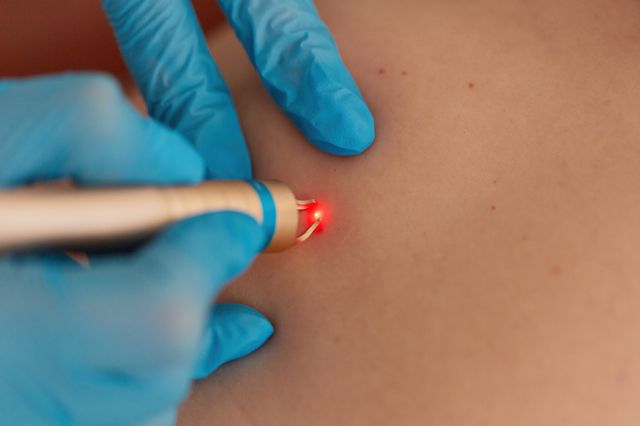
While all laser pigmentation treatments work by breaking down melanin in the deeper skin layers, there are several types of laser technologies on the market, each with different principles and benefits.
i. Nanosecond Laser
Nanosecond laser is one of the most traditional laser technologies. "Nanosecond" refers to the pulse duration of the laser energy—one nanosecond equals one-billionth of a second. This technology primarily works through photothermal effect: it targets melanin cells in the skin, which naturally absorb heat, using high-energy laser pulses to break them down. These pigment particles are then either absorbed by the body or metabolized through the lymphatic system.
However, because the laser energy must stay in the skin longer to effectively break down melanin, this increases the risk of thermal damage. As a result, nanosecond lasers often cause redness, dryness, and PIH (darkening) after treatment.
ii. Picosecond Laser
Picosecond laser is one of the most popular and advanced options today. Like nanosecond, "picosecond" is also a unit of time—one picosecond is one-trillionth of a second. Compared to nanosecond lasers, picosecond pulses are much shorter, allowing energy to reach melanin cells more quickly and efficiently.
Unlike the nanosecond’s heat-based approach, picosecond lasers rely more on the photomechanical (shockwave) effect. This high-energy pulse shatters pigment clusters into dust-like particles, which are easier for the body to absorb or eliminate. Because the energy lingers on the skin for a much shorter time, it greatly reduces the risk of thermal damage and lowers the chances of side effects.
iii. Honeycomb Picosecond Laser
Recently, Honeycomb Picosecond Laser has gained popularity as an upgraded version of the standard picosecond laser. It incorporates a special MLA (Micro Lens Array) honeycomb lens, which disperses the laser energy into multiple microbeams before targeting the skin. This helps minimize skin irritation and damage, reducing the affected surface area.
At the same time, this pattern creates LIOB (Laser-Induced Optical Breakdown) in the dermis, triggering the skin’s natural repair process and stimulating collagen production. This makes honeycomb picosecond lasers excellent not only for removing pigmentation, but also for improving skin texture and elasticity.
Why Are Laser Pigmentation Treatments So Popular?
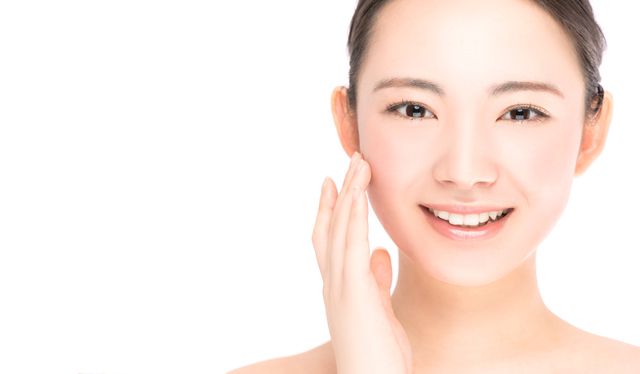
Because they offer multiple skin benefits beyond just spot removal!
i. Melanin Elimination
The primary function of laser treatments is to eliminate melanin. Since melanin strongly absorbs laser energy, it’s easy for the laser to track and target the pigment. Once located, the pulsed laser shatters the pigment clusters, which are then absorbed or metabolized by the body. Once the melanin is gone, spots like melasma, sunspots, and age spots naturally fade away.
ii. Brighter, More Even Skin Tone
Sometimes melanin builds up in the deeper layers of skin without yet surfacing, making the complexion look dull. Over time, these hidden pigments can rise to the surface as visible spots. Laser treatments address both existing and hidden melanin, helping to brighten dull skin and prevent future pigmentation.
iii. Skin Texture Improvement
As we age, collagen naturally depletes, causing sagging, fine lines, and rough skin. Laser energy doesn’t just remove pigment—it also stimulates fibroblasts to boost collagen regeneration, reorganizing skin structure and filling in fine lines and uneven texture for smoother, firmer skin.
iv. Fades Acne Scars
When acne forms, the skin produces excess melanin and blood vessels to repair the damage, leaving behind post-inflammatory hyperpigmentation (PIH). Laser treatments can target and break down these acne marks, while also stimulating collagen to improve pitted scars and overall skin texture.
免費體驗
PicoCure Pigmentation Removal Treatment
1 Minute Self-Registration
Date should not be before minimal date
But Laser Isn’t a Cure-All—These Side Effects Are Real!
i. Redness & Swelling
Even with safer picosecond lasers, laser treatments still involve high-energy light. Mild redness and swelling are common post-treatment reactions and usually subside within a week with proper aftercare.
ii. Dryness & Peeling
Laser-stimulated cell turnover increases the skin’s demand for hydration. Without adequate aftercare, skin can become dry, tight, itchy, or start to peel. Post-treatment hydration is key.
iii. Post-Inflammatory Hyperpigmentation (PIH)
Laser heat may also crust the treated skin. These scabs or tiny blisters are normal and should be left to fall off naturally. Forcefully picking at them may trigger increased melanin production, worsening pigmentation instead of removing it.
iv. Hypopigmentation (Over-Whitening)
A more severe side effect, though rare, is hypopigmentation—white patches where pigment-producing cells are permanently destroyed. This is harder to reverse and has been observed in patients who received intense light or traditional laser treatments.
Alternatives to Laser Pigmentation Treatments
i. Spot-Correcting Creams
Topical creams with Vitamin C, kojic acid, or antioxidants can help improve pigmentation. However, formulas vary, and since they only work on the surface, their effectiveness is limited—especially for deeper spots.
ii. Brightening Serums
Many serums claim to fade spots using ingredients like Vitamin C, arbutin, or niacinamide. With long-term use, they may brighten the complexion, but their ability to remove existing pigmentation is far less effective than laser treatments.
iii. IPL (Intense Pulsed Light) Treatments
These use broad-spectrum light to target different skin layers and break down pigment via heat. However, IPL treatments carry higher risk due to wider radiation spread and longer heat exposure. This increases the likelihood of burns, scabs, swelling, and PIH, so a dermatologist’s consultation is recommended before undergoing IPL.
How to Prevent Side Effects After Laser Treatment
i. Use Sunscreen
Always apply sun protection before going out. UV rays stimulate melanin production, which may reverse the treatment’s results. Daily sunblock is essential post-treatment.
ii. Moisturize Diligently
Hydration supports skin healing and reduces chances of peeling or irritation. Use hydrating serums and moisturizers to replenish moisture and speed up recovery.
iii. Avoid Irritants
In the first week post-treatment, avoid exfoliants, alcohol-based or fragranced skincare, hot water, or rubbing the skin. Stick to gentle, non-irritating products to support healing.
免費體驗
PicoCure Pigmentation Removal Treatment
1 Minute Self-Registration
Date should not be before minimal date
PicoCure Picosecond Laser — Highly Effective with Fewer Side Effects!
There are countless laser pigmentation treatments out there, but finding one that’s both effective and low-risk isn’t easy. Luckily, Perfect Medical’s PicoCure Pigmentation Removal Treatment offers the best of both worlds.
PicoCure combines the advantages of both nanosecond and picosecond lasers, using four different wavelengths to penetrate deep into the skin and comprehensively break down melanin. First, nanosecond technology breaks pigment into pebble-sized particles, then picosecond laser further pulverizes them into dust. This dual mechanism allows faster absorption and elimination through the body’s natural systems.
Aside from removing pigmentation, PicoCure also boosts collagen production to improve skin texture, fade fine lines and acne scars, and reveal radiant, even-toned skin.
And right now, Perfect Medical is offering a FREE first-trial session—perfect for those curious but cautious about laser treatments. Don’t miss this opportunity—click the link below to book your trial now!
免費體驗
PicoCure Pigmentation Removal Treatment
1 Minute Self-Registration
Date should not be before minimal date
FAQ

What types of pigmentation are there?
Freckles (genetic), melasma (hormonal), and sunspots (UV damage) are the most common.
What laser technologies are used in pigmentation treatments?
Nanosecond lasers, picosecond lasers, and honeycomb picosecond lasers.
How do traditional lasers work?
They use photothermal energy to heat and destroy melanin cells, but may cause scabbing or burning.
What is PIH (post-inflammatory hyperpigmentation)?
It’s a side effect where skin becomes darker after treatment. Picking at scabs increases the risk.
Can you use face masks after picosecond laser?
Yes—hydrating masks are helpful to relieve dryness and speed up skin recovery.