- Home
- Trend
- Weight Loss Strategies
- Acne Tips
- Hair Health Information
- Blemish Removal Tips
- Acne Scar Removal Tips
- Muscle Building Techniques
- Intimate Care Tips
- Postpartum Intimate Care
- Eye Bags Wiki
- Tips for Face Slimming
- Secret of Permanent Hair Removal
- Breast Enlargement Tips
- Cure to Snoring
- Marionette Lines
- Skin-Tightening Secrets

Is scalp eczema driving you crazy? When eczema strikes the scalp, the itching can feel unbearable! Not only does it affect your comfort and quality of life, but it can also trigger inflammation — and in severe cases, even lead to hair loss. Many people feel helpless when faced with redness, flaking, and irritation, but don’t worry — we’re here to help!
In this guide, we’ll go over the symptoms of scalp eczema, the underlying causes, and most importantly, effective ways to care for and treat your scalp. If you’re tired of scratching nonstop and want to regain a healthy, comfortable scalp, keep reading — and don’t miss our recommended “Scalp Revitalization Treatment” at the end, designed to help you restore naturally strong, healthy hair!

Scalp Itching Out of Control? A Dermatologist Explains 4 Major Symptoms of Scalp Eczema
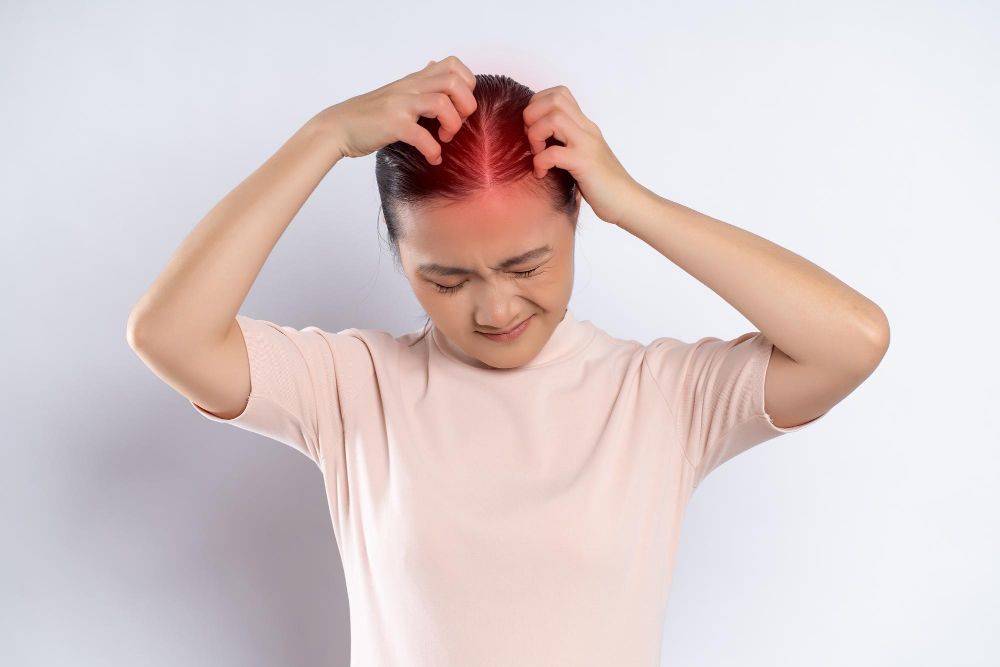
Does your scalp feel itchy, red, and flaky? These are classic signs of scalp eczema. Understanding the common symptoms and triggers can help you identify the condition and find effective ways to relieve the discomfort.
Symptom 1: Intense and Persistent Itching
The hallmark of scalp eczema is relentless itching that can even disrupt your sleep at night. Scratching may temporarily relieve the itch but can damage the scalp, cause inflammation, and worsen the problem — creating a vicious cycle that’s hard to break.
Symptom 2: Redness and Rash
Affected areas of the scalp often become red and inflamed, sometimes with small bumps or blisters. In more severe cases, these may burst and ooze fluid before forming yellow or white crusts. Redness and visible inflammation are key signs that you may be experiencing eczema.
Symptom 3: Excessive Flaking or Dandruff
Another telltale sign of scalp eczema is increased dandruff — often yellowish, oily flakes or large, dry white scales. This can be mistaken for regular dandruff but may actually signal seborrheic dermatitis, a related scalp condition.
Symptom 4: Oozing or Scabbing on the Scalp
When eczema flares up badly, the scalp may ooze and form hard crusts as it dries. Repeated scratching can worsen damage and raise the risk of fungal or bacterial infection. If you notice this, it’s important to seek professional advice promptly.
The 6 Common Causes of Scalp Eczema
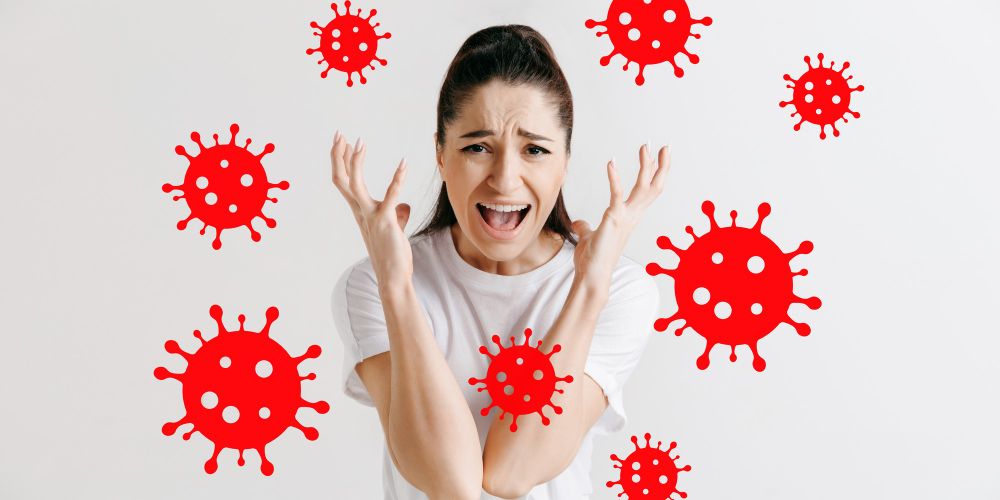
Scalp eczema isn’t just about itching — the underlying causes can be more complex than you think. From lifestyle factors to environmental changes, even small habits can play a major role. Let’s look at the most common triggers.
Cause 1: Genetic or Atopic Tendencies
People with allergic tendencies — such as eczema, asthma, or allergic rhinitis — are more prone to scalp eczema due to a sensitive skin barrier. Seasonal and environmental changes can easily trigger flare-ups.
Cause 2: Immune System Imbalance
An overactive immune response can cause inflammation in the skin. Scalp eczema may also be linked to other immune-related conditions, requiring a holistic treatment approach.
Cause 3: Environmental Triggers
Temperature fluctuations, humidity changes, air pollution, UV exposure, and contact allergens (like hair dye or fragrance) can all worsen scalp eczema. These external factors directly affect scalp health.
Cause 4: Lifestyle and Stress
Chronic stress, sleep deprivation, and irregular routines disrupt hormonal balance and immune function — all of which increase eczema risk. Learning to manage stress can help prevent flare-ups.
Cause 5: Harsh Haircare Products
Using shampoos or conditioners containing sulfates (SLS), alcohol, or strong fragrances can damage the scalp’s natural barrier, causing irritation or allergic reactions. Choosing mild, scalp-friendly products is essential.
免費體驗
F8 Hair Regrowth Treatment
1 Minute Self-Registration
Date should not be before minimal date
Scalp Eczema vs. Seborrheic Dermatitis: What’s the Difference?
These two scalp conditions are often confused because they share symptoms like itchiness, flaking, and redness. However, their root causes and affected areas differ slightly.
Seborrheic dermatitis is linked to excess oil production and fungal overgrowth (especially Malassezia), typically affecting oily areas like the crown, hairline, or around the ears. Stress, hormonal changes, and humid weather can all worsen symptoms.
Scalp eczema, on the other hand, is more closely related to allergic or immune reactions — often triggered by irritants, dryness, or environmental sensitivity. Identifying your exact condition is key to proper treatment and long-term control.
How to Stop the Itch: 4 Medical-Grade Treatments & Care Methods for Scalp Eczema
Struggling with persistent scalp irritation? Here are four dermatologist-approved ways to relieve itching, calm inflammation, and restore scalp balance.
Treatment 1: Medicated Shampoos
Dermatologists often recommend shampoos containing tar, salicylic acid, ketoconazole, or selenium sulfide to reduce inflammation, remove buildup, and combat fungal growth. Follow your doctor’s advice for usage frequency and leave-on time to maximize results.
Treatment 2: Prescription Medication
For more severe eczema, topical corticosteroid creams can quickly calm inflammation and itching. Oral antihistamines may also help reduce nighttime irritation. In certain cases, doctors may prescribe oral steroids or immune suppressants for short-term control, alongside supplements like vitamin D or zinc to strengthen the skin barrier.
Treatment 3: Healthy Daily Habits
Gentle scalp care is key. Use fragrance-free, alcohol-free, and dye-free shampoos, and avoid scratching with fingernails. Always rinse thoroughly to remove residue. Getting enough sleep, exercising regularly, and managing stress through meditation or yoga can all help regulate immunity and prevent flare-ups.
Treatment 4: Nutrition and Diet
A balanced diet helps fight inflammation from within. Replace refined carbs with whole grains, eat more green vegetables and brightly colored fruits, and avoid sugary, greasy, or spicy foods. Nutrients like vitamin D, B vitamins, zinc, probiotics, and omega-3 fatty acids support scalp health and reduce inflammation.
Scalp Care Don’ts — What to Avoid with Scalp Eczema
• Avoid washing with hot water — it worsens irritation.
• Skip shampoos with strong fragrances or harsh chemicals.
• Don’t scratch — it can damage the scalp and cause infection.
• Always rinse thoroughly to prevent product buildup.
Treat Scalp Eczema from the Root — Perfect Medical F8 Hair Regrowth Treatment
Daily shampooing and care can only go so far. To truly restore scalp health, Perfect Medical’s F8 Hair Regrowth Treatment targets the root causes of scalp eczema using advanced low-energy laser technology. It deeply purifies hair follicles, improves blood circulation, and repairs the damaged scalp barrier for lasting balance.
Combining world-class hair growth serums, this non-invasive, pain-free treatment helps control eczema symptoms while revitalizing follicles, activating hair papilla cells, and enhancing scalp microcirculation. The result? Stronger, denser, and more resilient hair.
With regular sessions and proper home care guided by professionals, you can effectively manage scalp eczema, restore scalp balance, and elevate both hair quality and confidence.
Start your scalp transformation journey for $0 today — book a free trial now!
免費體驗
F8 Hair Regrowth Treatment
1 Minute Self-Registration
Date should not be before minimal date
FAQ

1. Is scalp eczema contagious?
No. Scalp eczema is not contagious — it’s usually caused by genetic, immune, or environmental factors.
2. Can I wash my hair every day during flare-ups?
Yes, as long as you use a gentle, non-irritating shampoo and lukewarm water. Avoid hot water and scratching.
3. Can stress trigger scalp eczema?
Absolutely. Chronic stress weakens immune balance and often triggers or worsens eczema.
4. How is scalp eczema different from scalp psoriasis?
While symptoms may appear similar, psoriasis produces thicker, silver-white scales with more defined borders. Diagnosis should be made by a dermatologist.
5. If eczema causes hair loss, can hair grow back?
In most cases, yes — once inflammation is treated early and effectively. However, if follicles are severely damaged, regrowth may be limited.