- Home
- Trend
- Weight Loss Strategies
- Acne Tips
- Hair Health Information
- Blemish Removal Tips
- Acne Scar Removal Tips
- Muscle Building Techniques
- Intimate Care Tips
- Postpartum Intimate Care
- Eye Bags Wiki
- Tips for Face Slimming
- Secret of Permanent Hair Removal
- Breast Enlargement Tips
- Cure to Snoring
- Marionette Lines
- Skin-Tightening Secrets

Postpartum hair loss is a common concern for new mothers. Just when you’re basking in the joy of welcoming your newborn, you notice handfuls of hair falling out — a truly anxiety-inducing sight! But don’t worry — postpartum hair shedding is a completely normal physiological response as your body readjusts after pregnancy and childbirth.
In this article, we’ll walk you through the root causes, effective daily care tips, and hair-boosting dietary recommendations to help you restore your hair health quickly. And don’t miss the exclusive Perfect Medical F8 Hair Regrowth Treatment offer at the end of this article!

How Long Does Postpartum Hair Loss Last? Understanding the Golden Recovery Timeline
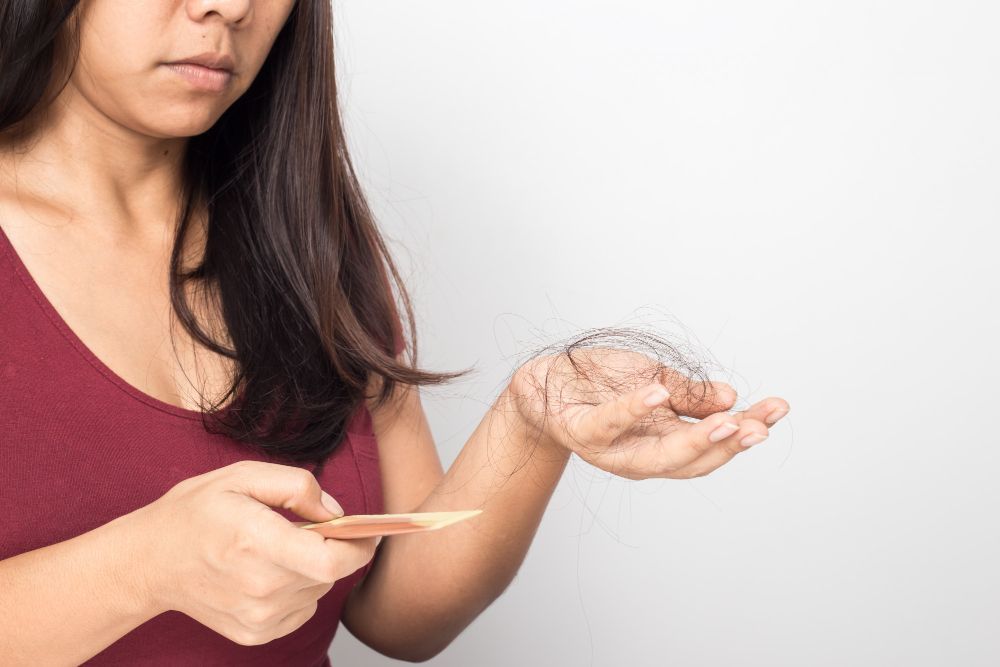
Postpartum hair loss — medically known as telogen effluvium — happens when hormonal changes disrupt your hair’s natural growth cycle. Knowing the typical timeline can help new moms stay calm and avoid unnecessary stress.
1. Hair Loss Onset
Hair shedding usually begins 2 to 4 months after giving birth. During pregnancy, high estrogen levels extend the hair growth phase, keeping more strands on your head. After childbirth, estrogen levels drop sharply, causing many hairs to enter the resting (shedding) phase all at once.
2. Peak Shedding Period
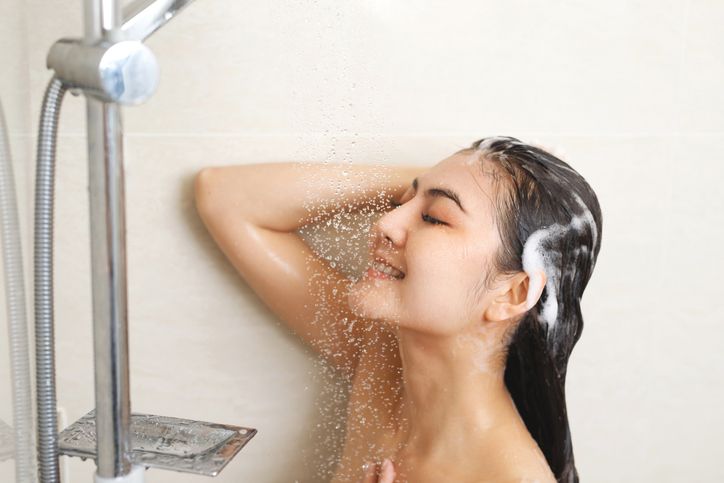
Hair loss typically peaks between 4 to 6 months postpartum. During this time, you might notice more hair falling when washing or brushing, or even clogging your shower drain. This is normal — your follicles are simply releasing the hairs that entered the resting phase earlier.
3. Recovery Phase
Most mothers regain normal hair density within 6 to 12 months. As your hormones stabilize, your growth cycle returns to balance, and your hair gradually regains its original volume and vitality.
Why Does Postpartum Hair Loss Happen? The 3 Main Causes
Postpartum hair loss stems from major physiological and hormonal changes after childbirth. Understanding the causes helps you target them more effectively.
1. Hormonal Changes
The biggest culprit! During pregnancy, estrogen and progesterone levels surge, keeping hair in the growth phase longer — which is why many expectant moms enjoy thicker, shinier hair. But after delivery, hormone levels drop rapidly, sending a large number of hairs into the resting phase, resulting in noticeable shedding 2–4 months postpartum.
2. Nutrient Depletion & Postpartum Anemia
Pregnancy and childbirth deplete essential nutrients like iron and folate. Without timely replenishment, your hair becomes undernourished and weak. These nutrients are vital for keratin production — the protein that forms hair structure. A deficiency can accelerate shedding and delay regrowth.
3. Postpartum Stress
Caring for a newborn, sleep deprivation, body changes, and emotional strain can cause severe stress, disrupting hormone balance and worsening hair loss. Prolonged stress creates a vicious cycle that further weakens the scalp and follicles.
免費體驗
F8 Hair Regrowth Treatment
1 Minute Self-Registration
Date should not be before minimal date
Who’s More Likely to Experience Severe Postpartum Hair Loss?
While most women experience some shedding, certain individuals are more prone to pronounced hair loss. Watch out if you fall into these categories:
1. Genetic Predisposition
If your family — especially female relatives — has a history of postpartum or pattern hair loss, you’re at higher risk. This is linked to hormone receptor sensitivity in your genes, making follicles react more strongly to hormonal fluctuations.
2. Pre-existing Hormonal Imbalance
Women with conditions like irregular periods, PCOS, or thyroid disorders before pregnancy may experience more severe postpartum shedding. Their bodies struggle to stabilize hormones after delivery, disrupting the hair growth cycle more intensely.
How to Improve Postpartum Hair Loss? 5 Expert Haircare Tips
Proper care can significantly reduce postpartum shedding. Hair experts recommend these simple but effective steps:
1. Avoid Dyeing or Perming
For at least six months postpartum, avoid chemical treatments. Hair dye and perm solutions can irritate the scalp and weaken follicles during recovery.
2. Be Gentle with Your Hair
Handle your hair gently when washing or brushing. Use your fingertips to massage the scalp to boost circulation. Avoid tight hairstyles like ponytails or buns that pull on the scalp.
3. Keep the Scalp Clean
Use mild, non-irritating shampoos. Overwashing can strip natural oils, but poor hygiene can clog follicles and trigger inflammation. Aim for a balanced routine.
4. Maintain a Positive Mood
Stress triggers hair loss. Take time to relax — chat with friends, read, listen to music, or take short walks. A calm mind helps regulate hormones.
5. Get Enough Sleep
Sleep is essential for recovery and cell regeneration. Try to rest 7–9 hours a day, and share nighttime duties with your partner or family to ensure quality rest.
Eat to Regrow! 8 Foods That Support Healthy Hair Growth
Balanced nutrition is key to reversing postpartum hair loss. These eight foods are rich in nutrients essential for strong, healthy hair:
1. Mulberries – Nourish blood, rich in vitamin C and anthocyanins to boost iron absorption and protect follicles.
2. Black Goji Berries – Potent antioxidants that combat aging and nourish follicles.
3. Black Sesame – A TCM favorite for nourishing the liver and kidneys, promoting thick, lustrous hair.
4. Walnuts – Packed with vitamin E, zinc, and biotin to strengthen follicles.
5. Black Beans – Provide high-quality protein and iron to build keratin.
6. Seaweed/Nori – Rich in iodine and minerals that support thyroid function and prevent hair loss.
7. Spinach – Excellent source of iron and folate to fight anemia-related shedding.
8. Sweet Potatoes – Contain vitamin A to maintain a healthy scalp barrier.
免費體驗
F8 Hair Regrowth Treatment
1 Minute Self-Registration
Date should not be before minimal date
Key Nutrients to Replenish: 6 Essential Micronutrients for Hair Recovery
Hair growth depends on consistent nutrient supply. Make sure to include these six key nutrients in your postpartum diet:
1. Iron – Prevents anemia and ensures oxygen delivery to follicles.
2. Folic Acid – Supports cell renewal and healthy hair growth.
3. Vitamin B Complex – Helps synthesize keratin for strong, shiny hair.
4. Vitamin C – A powerful antioxidant that aids iron absorption and collagen formation.
5. Protein – The building block of keratin — crucial for new hair formation.
6. Zinc – Promotes cell repair and scalp health, reducing hair shedding.
TCM’s Perspective: Hair Loss Linked to Qi & Blood Deficiency
Traditional Chinese Medicine (TCM) views postpartum hair loss as a sign of Qi and blood depletion or kidney deficiency.
In TCM, “Hair is the reflection of blood,” meaning healthy hair depends on the proper nourishment of the liver, kidneys, and blood. Childbirth consumes large amounts of Qi and blood, and if the body isn’t replenished, the hair loses nourishment and falls out.
Treatment focuses on tonifying Qi, nourishing blood, and strengthening the liver and kidneys to restore balance from within.
1. Herbal Remedies
Common herbs include He Shou Wu, Dang Gui, and Shu Di Huang — prescribed to improve circulation and nourish the scalp.
2. Scalp Acupuncture
By stimulating specific acupoints, acupuncture enhances blood flow and activates follicles to encourage regrowth.
3 TCM-Inspired Hair-Nourishing Recipes
Recipe 1: Black Sesame & Walnut Paste
• Benefits: Nourishes kidneys, enriches blood, darkens hair.
• Ingredients: Black sesame, walnuts, and black beans.
• How to make: Roast and grind ingredients into powder. Mix with hot water or milk to form a paste.
Recipe 2: Dang Gui & Red Date Chicken Soup
• Benefits: Replenishes Qi and blood, regulates circulation.
• Ingredients: Chicken, Dang Gui, red dates, and goji berries.
• How to make: Boil until the chicken is tender. Helps restore vitality and reduce hair loss caused by deficiency.
Recipe 3: Spinach & Pork Liver Congee
• Benefits: Nourishes liver, boosts iron and folate.
• Ingredients: Rice, pork liver, spinach.
• How to make: Cook into porridge; add seasoned pork liver and spinach before serving.
免費體驗
F8 Hair Regrowth Treatment
1 Minute Self-Registration
Date should not be before minimal date
Early Treatment Is Key! Regrow with Perfect Medical’s F8 Hair Regrowth Treatment
Perfect Medical’s F8 Hair Regrowth Treatment focuses on the three pillars of hair health: Nourish, Revive, and Regrow.
1. Nourish – Deeply purifies scalp pores, removing dead skin and residue.
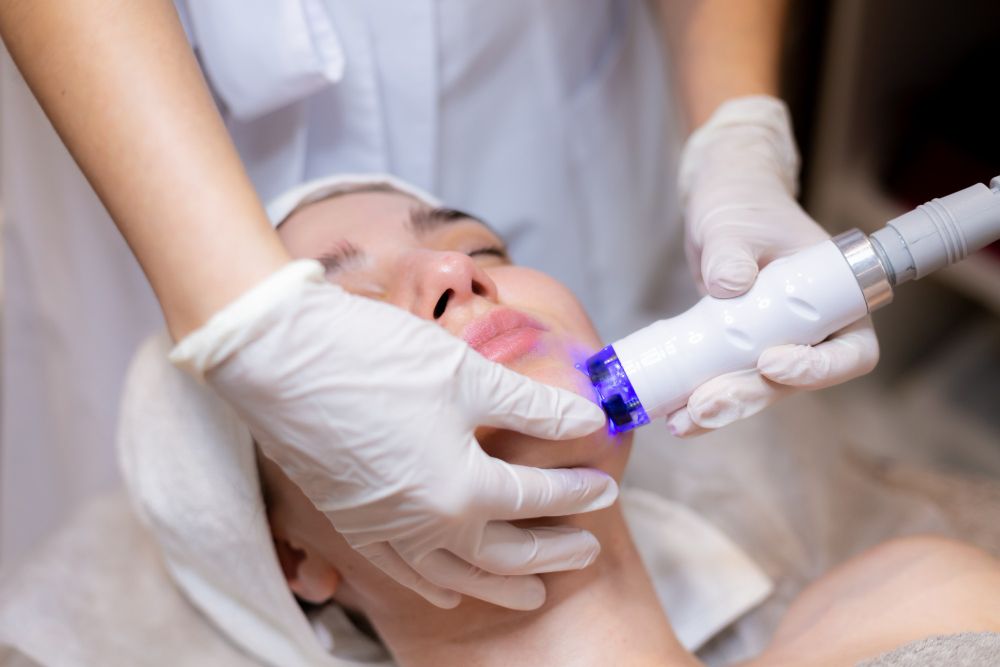
2. Revive – Uses medical-grade laser technology to deliver growth factors, rejuvenating hair follicles.
3. Regrow – Activates stem cells and microcirculation, promoting rapid cell regeneration for stronger, healthier hair.
This holistic approach restores scalp vitality, shortens the hair’s resting phase, and helps postpartum moms regain their confidence with fuller, thicker hair.
Book a Trial Here: Perfect Medical F8 Hair Regrowth Treatment免費體驗
F8 Hair Regrowth Treatment
1 Minute Self-Registration
Date should not be before minimal date
FAQ

1. Will postpartum hair loss make me bald?
No — postpartum hair loss is temporary. Most women see regrowth within a year.
2. Does breastfeeding worsen hair loss?
No. Breastfeeding doesn’t directly cause hair loss, but poor nutrition during nursing can make shedding worse.
3. Is it normal to lose a lot of hair when washing?
Yes. You’re simply shedding hairs that are already in the resting phase — it’s part of the natural cycle.
4. Do hair tonics help?
Postpartum shedding is hormonal and temporary, so topical products may have limited effect. Focus on nutrition and lifestyle first.
5. Can I use conditioner during postpartum hair loss?
Yes — conditioner helps protect and smooth hair. Just apply it to mid-lengths and ends, not the scalp, to avoid buildup.