- Home
- Trend
- Weight Loss Strategies
- Acne Tips
- Hair Health Information
- Blemish Removal Tips
- Acne Scar Removal Tips
- Muscle Building Techniques
- Intimate Care Tips
- Postpartum Intimate Care
- Eye Bags Wiki
- Tips for Face Slimming
- Secret of Permanent Hair Removal
- Breast Enlargement Tips
- Cure to Snoring
- Marionette Lines
- Skin-Tightening Secrets

Are there early signs of female pattern hair loss? What are its symptoms? And how can you prevent hair thinning from getting worse? Find out here.

Can Women Go Bald Too? Understand 5 Causes of Female Pattern Hair Loss + 3 Easy Ways to Spot the Signs Yourself
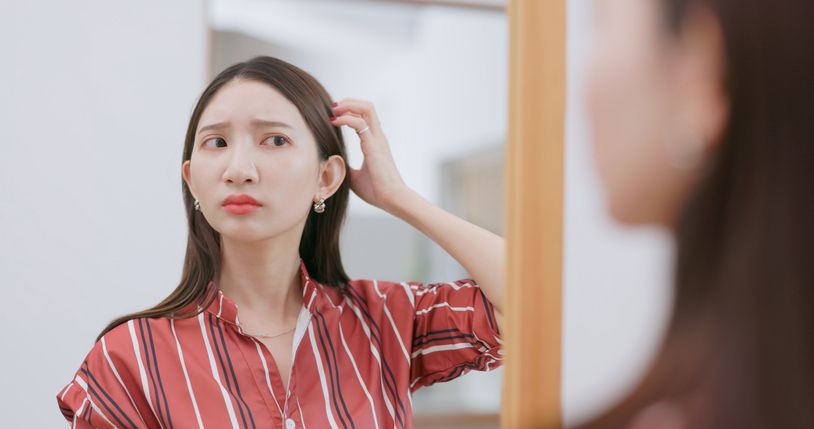
Can women really go bald? Unfortunately, yes! If you notice your parting getting wider, your scalp becoming more visible, and increased hair shedding when looking in the mirror, these may be early signs of female pattern hair loss. But what are its symptoms? And how can you prevent hair thinning from getting worse?
Can Women Go Bald? First, Understand What Pattern Hair Loss Is
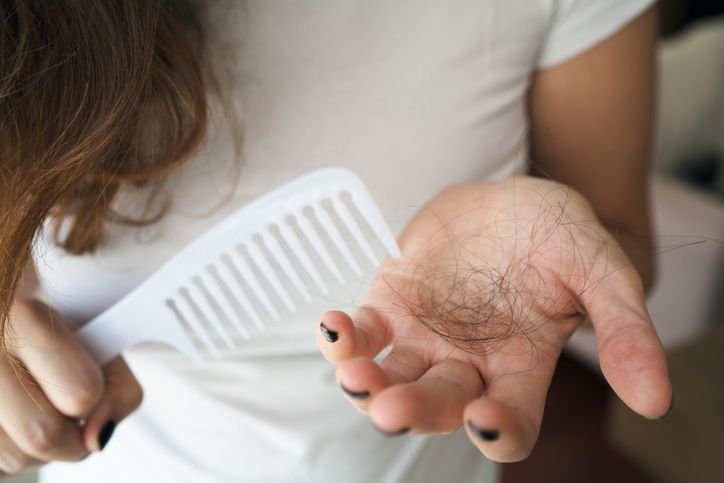
The main cause of hair loss in women is androgenetic alopecia, also known as female pattern hair loss. Despite the term "androgenetic" sounding male-centric, this type of hair loss can affect women too.
Androgenetic hair loss occurs when the body produces excess androgens (male hormones). Women naturally have lower androgen levels, so even those with a genetic predisposition may not always experience hair loss. However, women affected by genetics, gynecological issues such as polycystic ovary syndrome (PCOS), or hormonal imbalances may have elevated androgen levels. This can result in denser body, armpit, and pubic hair—but paradoxically, thinner scalp hair.
Studies show that individuals with androgenetic hair loss tend to have higher levels of 5-alpha-reductase, an enzyme that converts testosterone into DHT (dihydrotestosterone). DHT harms hair follicles by shortening the hair growth cycle, depriving hair of nutrients. New strands become finer and weaker until follicles eventually shrink and die, leading to noticeable thinning at the crown or a widening part.
免費體驗
F8 Hair Regrowth Treatment
1 Minute Self-Registration
Date should not be before minimal date
Hair Growth 101: Understanding the Hair Cycle
Before diving deeper into female hair loss, it’s important to understand the hair growth cycle.
Hair grows in three stages: anagen (growth), catagen (transition), and telogen (rest). At the end of the growth phase, hair stops actively dividing and enters a resting stage. The hair you shed when brushing or washing is usually in the telogen phase. Once this phase ends, new hair starts to grow again.
In a healthy scalp, around 85% of hair is in the growth phase. For women experiencing hair loss, a higher percentage of hair may enter the resting phase, leading to increased shedding and reduced hair density.
Do You Have Signs of Hair Loss? The 3 Stages of Female Pattern Baldness
Female hair loss doesn’t follow the same pattern as male hair loss. Men typically recede from the forehead in an “M” shape, while women tend to lose hair at the crown or parting. Female pattern baldness generally progresses through three stages:
Stage 1: Mild Thinning
Hair starts to thin at the parting or crown. You may notice your part widening and the front hairline becoming more sparse and defined.
Stage 2: Noticeable Thinning
Hair at the crown becomes visibly thinner and finer. The scalp starts to show through the hair—an early sign of balding.
Stage 3: Severe Thinning
Only fine, thin hair remains on top of the head, with the white scalp clearly visible. Most of the hair at the crown has already been lost.
The 2 Main Types of Female Hair Loss
Hair loss can be broadly categorized into:
1. Scarring Alopecia
This occurs due to inflammatory scalp conditions that leave behind permanent scar tissue, preventing hair from regrowing even after healing.
2. Non-Scarring Alopecia
This is usually temporary and doesn’t damage the follicles. With proper treatment, hair can regrow.
免費體驗
F8 Hair Regrowth Treatment
1 Minute Self-Registration
Date should not be before minimal date
How to Tell If You Have Female Pattern Hair Loss: 3 Easy Self-Checks
Worried about hair loss? Try these simple self-checks to spot the early signs:
1. Hair Shedding Count
It’s normal to lose about 50–100 strands a day. If you notice more than that—like your shower drain constantly clogging with hair—it might be time to take a closer look.
2. Post-Wash Hair Check
Insert your fingers at the roots and gently tug downward. Healthy hair shouldn’t fall out easily. If you lose more than 10 strands during this light tug, it could indicate abnormal shedding.
3. Scalp Inspection
Take a close look in the mirror. If you notice uneven patches, areas where hair isn’t growing at all, or excessive visibility of your scalp, you may be experiencing early-stage hair loss.
The 5 Main Causes of Female Pattern Hair Loss
Aside from genetics, here are 5 common causes of female hair loss:
1. Genetics
Family history plays a major role. While most assume hair loss genes come from the father’s side, maternal relatives like your grandfather or uncle can also pass them on. Women with this trait have follicles that are hypersensitive to androgens, which can cause them to shrink and stop producing hair.
2. Hormonal Imbalance
Stress, irregular sleep, and menopause can cause estrogen levels to drop, letting androgens rise unchecked—leading to hair loss. Hormonal issues like PCOS can also trigger insulin resistance, disrupting menstrual cycles, increasing weight, and causing thinning hair.
3. Autoimmune Disorders
Immune system problems can lead to alopecia areata (spot baldness), where the body mistakenly attacks healthy follicles. Other triggers include thyroid disorders and lupus, both of which can disrupt the hair growth cycle.
4. Stress and Poor Sleep
Chronic stress narrows the blood vessels that feed the follicles, cutting off their nutrient supply. This causes hair to enter the resting phase prematurely, resulting in more shedding.
5. Poor Diet
Hair needs nutrients to grow. Crash diets and extreme calorie restrictions can cause nutritional deficiencies and even anemia, both of which harm hair health. High-fat, high-sugar diets can also over-stimulate scalp oil glands, clogging follicles and impairing growth.
How to Improve Receding Hairlines and Thinning Hair: 4 Practical Tips
A full, thick head of hair is important to many women—not just for aesthetics but for confidence. The good news is: hair loss isn’t irreversible. With consistent care and lifestyle changes, you can turn things around. Try these 4 tips:
1. Boost Iron and Protein Intake
Hair is made mostly of protein, and iron helps deliver oxygen to follicles. Women are especially prone to iron deficiency due to menstruation or dieting. Aim for 15mg of iron per day, and include palm-sized portions of protein per meal. Good sources include:
• Iron: beef, liver, seafood
• Protein: eggs, dairy, chicken, salmon, legumes
2. Prioritize Sleep
Poor sleep reduces growth hormone production. Since hair is made from keratin, which is formed during deep sleep, getting 7–9 hours of rest daily is essential for hair regeneration.
3. Gentle Scalp Cleansing
Some women avoid washing their hair to prevent shedding, but this can backfire. Washing helps remove excess oil and buildup that can clog follicles. Use mild shampoos and massage with your fingertips—not nails—for best results.
4. Scalp Massage
Stress leads to tight scalps, which restrict blood flow. Regular massage boosts circulation, helping nutrients reach the roots. Use a wooden brush to stimulate the scalp, or massage in small circular motions during shampooing.
免費體驗
F8 Hair Regrowth Treatment
1 Minute Self-Registration
Date should not be before minimal date
What If It Gets Worse? Medical Treatments for Female Hair Loss
If lifestyle changes aren’t enough, a dermatologist may recommend one of the following treatments:
1. Topical Minoxidil (Hair Growth Serum)
For mild to moderate cases, 5% Minoxidil solution is often prescribed. It improves blood flow to follicles and extends the growth phase. Results take at least 2 months, but hair loss often resumes if discontinued. Side effects may include contact dermatitis or burning sensations on the scalp.
2. Oral Finasteride
This medication blocks the conversion of testosterone to DHT. Reducing DHT levels helps protect follicles from damage. However, Finasteride can cause side effects and isn’t suitable for everyone, especially women who are pregnant or planning to conceive.
3. Hair Transplant Surgery
For severe cases, transplants move healthy follicles (usually from the back of the head) to bald areas. While effective, it’s a minor surgical procedure with risks like infection, scarring, and in some cases, failure of the transplanted hair to grow.
4. Low-Level Laser Therapy (LLLT)
An increasingly popular non-invasive option, LLLT uses 650nm soft laser to stimulate dormant follicles, promote blood circulation, and support hair regrowth. It’s painless, low-risk, and suitable for those who want visible results without downtime.
Rebuild Healthy Scalp, Reverse Hair Loss: Try the F8 Hair Regrowth Treatment
The Perfect Medical F8 Hair Regrowth Treatment uses medical-grade 650nm low-level laser technology to reach deep into the scalp and stimulate follicle activity. It’s non-invasive, pain-free, and requires no downtime, making it ideal for busy women.
This treatment follows a three-step process:
1. Nourish – Deep-cleanse the scalp to remove buildup and dead skin.
2. Activate – Use medical laser therapy to awaken dormant follicles.
3. Regrow – Apply high-potency serum to trigger stem cell regeneration and strengthen hair from the roots.
It’s designed to target receding hairlines, thinning at the crown, and overall hair loss in women. Right now, Perfect Medical is offering a free trial session—don’t wait until it’s too late!
Get it Now: Perfect Medical F8 Hair Regrowth Treatment免費體驗
F8 Hair Regrowth Treatment
1 Minute Self-Registration
Date should not be before minimal date
FAQ

Can women get male-pattern baldness too?
Yes, the main cause of hair loss in women is androgenetic alopecia—commonly referred to as female-pattern hair loss, but it’s actually the same underlying condition as male-pattern baldness. Women are just as likely to face hair thinning or balding due to elevated levels of androgens (male hormones). Factors like genetics, gynecological conditions (e.g. polycystic ovary syndrome, PCOS), or hormonal imbalances can raise androgen levels. As a result, body hair, armpit hair, and pubic hair may become more prominent, while scalp hair becomes thinner. Research shows that individuals with androgenetic hair loss have a higher concentration of 5-alpha-reductase in the scalp. This enzyme converts testosterone into DHT (dihydrotestosterone), a hormone that damages hair follicles by shortening the growth phase. New hair becomes increasingly fine and brittle, and over time, the follicles may die—leading to visible thinning, M-shaped hairlines, and widening partings.
What causes hair loss in women?
Hair loss in women can be triggered by multiple factors, including genetics, hormonal imbalances, medical conditions, stress, and lack of proper rest. If a woman carries the gene for hereditary hair loss, her hair follicles may be especially sensitive to androgens. When exposed to certain levels of these hormones, the follicles begin to shrink, preventing new hair from growing. Hormonal disorders, such as PCOS, can cause insulin resistance, leading to irregular periods, weight gain, and hair thinning. Prolonged stress can cause the capillaries supplying nutrients to follicles to constrict, reducing blood flow and pushing hair into the resting phase prematurely. Finally, a poor diet high in sugar and fat can overstimulate the scalp’s oil glands, causing sebum buildup that clogs hair follicles and disrupts healthy hair growth.
How can hair loss be improved?
To improve hair thinning, you can start by adjusting your daily lifestyle habits: Increase your intake of iron and protein. Protein is the main building block of hair, and iron helps your body produce blood and deliver oxygen to the scalp. Iron-rich foods: beef, organ meats, seafood. Protein-rich foods: eggs, milk, chicken, salmon, legumes. Get enough sleep. Hair grows best during deep sleep, when growth hormone levels are at their peak. Aim for 7–9 hours of quality sleep per night to allow your body to regenerate hair and reduce shedding. Clean your scalp properly. Use gentle shampoos and massage with your fingertips (not your nails) to remove excess oil and debris. This helps prevent follicle blockages and improves scalp health. Scalp massage during shampooing can also boost blood circulation, helping nutrients reach the roots more effectively and promoting healthier hair growth.
Does hair growth serum have side effects?
Yes, hair growth serums, especially those containing Minoxidil, are commonly used to treat androgenetic alopecia. They work by improving blood circulation to the follicles, keeping them healthy and extending the hair growth phase while shortening the resting phase. However, results usually take at least two months of consistent use, and if you stop using it, hair loss may resume. While effective, it’s not a permanent solution. Some users may experience side effects, such as contact dermatitis or local burning sensations on the scalp.
Are there safer alternatives for promoting hair growth?
Yes! The Perfect Medical F8 Women’s Hair Regrowth Treatment is a non-invasive and safe option for hair restoration. It uses 650nm low-level laser therapy (LLLT) to deliver energy directly to the follicles—100% painless, with no wounds or downtime. You can return to work or school right after the session, making it ideal for busy urban women. This medical-grade soft laser technology activates dormant follicles, boosts scalp blood circulation, and accelerates ATP production to revitalize the follicles and dermal papilla. It’s particularly effective for those with thinning crowns or widening partings, encouraging regrowth and improving both scalp and hair health. The goal is to achieve thicker, fuller hair, while also preventing further progression of androgenetic hair loss.