- Home
- Trend
- Weight Loss Strategies
- Acne Tips
- Hair Health Information
- Blemish Removal Tips
- Acne Scar Removal Tips
- Muscle Building Techniques
- Intimate Care Tips
- Postpartum Intimate Care
- Eye Bags Wiki
- Tips for Face Slimming
- Secret of Permanent Hair Removal
- Breast Enlargement Tips
- Cure to Snoring
- Marionette Lines
- Skin-Tightening Secrets

Tempted to try a hair regrowth treatment? Hair loss is a common concern for city dwellers, but do products claiming to prevent hair loss and regrow hair really work? Which treatments are actually effective? Let’s explore the latest in hair regrowth solutions.

Do You Need Hair Regrowth Treatment? Simple Ways to Check Your Hair Loss Level
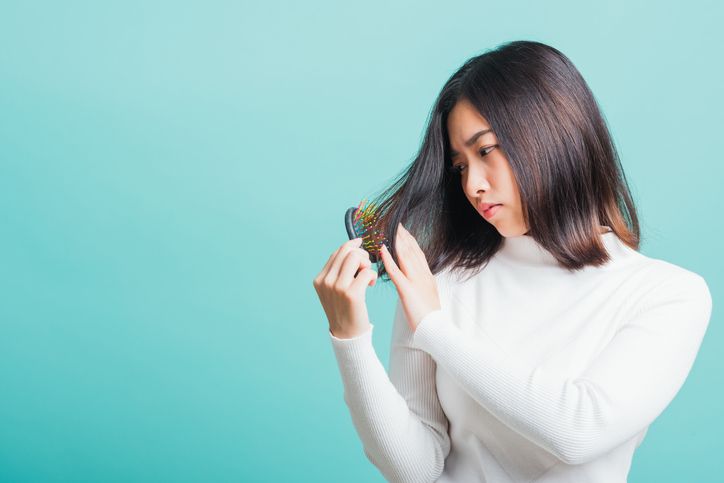
We all know treating hair loss isn't something to take lightly. Choosing the right treatment or method can significantly improve your scalp health and hair condition. But when is the right time to seek professional help? It depends on how severe your hair loss is.
Here are some simple ways to check:
1. Hair-Pulling Test
Gently grasp a few strands of hair near the roots and comb downward with your fingers. If you only lose 1–2 hairs, that’s normal. But if you see 8–10 strands falling out every time, it's time to take your hair loss seriously.
2. Daily Hair Shedding Observation
Hair naturally goes through growth, regression, and resting phases. When too many hairs are in the latter two stages, excessive shedding occurs.
On average, losing 50–100 strands a day is normal. Anything significantly beyond that could mean your follicles are weakening and need support.
3. Forehead Width Test
A receding hairline, often a sign of male-pattern baldness, can lead to an aging appearance. Measure the width of your forehead with your fingers—3 to 4 fingers wide is normal. If it's more than 4, your hairline may be receding.
Common Types of Hair Loss – Can Regrowth Treatments Help?
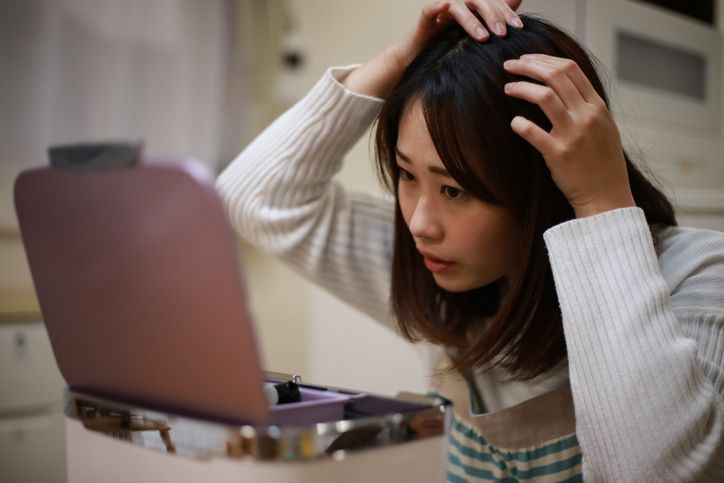
In the past, many women were too embarrassed to talk about hair loss, leading to missed opportunities for early treatment. Once the follicles shrink too much, regrowth becomes nearly impossible.
To treat hair loss effectively, you need to understand what type you have. Here are four common types for women:
1. Genetic Hair Loss
About 90% of hair loss cases are hereditary. If both parents experience hair loss, your risk increases.
While many assume only men suffer genetic hair loss, women are also affected—especially in cases of female-pattern baldness. However, early intervention can still slow progression.
2. Seborrheic Hair Loss
Triggered by excess oil production due to poor diet or stress, it causes clogged follicles and weakens hair strands. Often begins at the crown with oily, sticky roots. To treat it, you need to balance scalp oil levels and unclog pores.
3. Stress-Related Hair Loss
High stress levels can cause muscle tension in the scalp, disrupt blood flow, and weaken follicles. The solution? Stress management. Hobbies, relaxation, and emotional release all help support healthy hair.
4. Postpartum Hair Loss
Many new moms suffer from thinning hair due to blood loss during childbirth, fatigue, and stress. Slowed metabolism and lack of nutrients worsen the problem. Recovery requires rest, nutrition, and sometimes targeted treatments to avoid long-term damage.
免費體驗
F8 Hair Regrowth Treatment
1 Minute Self-Registration
Date should not be before minimal date
Truth About At-Home Hair Regrowth Products – Can Shampoo and Conditioner Really Regrow Hair?
Not ready to visit a clinic just yet? Many people turn to over-the-counter shampoos, tonics, and serums when they notice hair thinning. But how effective are these products?
1. Caffeine Shampoo
Caffeine shampoos are popular for their claimed ability to stimulate hair growth. They need to sit on the scalp for at least two minutes for full effect.
While some studies suggest caffeine may help, there’s no solid clinical evidence proving its long-term effectiveness. It may also irritate sensitive scalps, potentially making hair loss worse.
2. Conditioner
If your hair is dry and brittle, conditioner can help by moisturizing the strands and reducing breakage.
However, many conditioners contain silicones and mineral oils that can clog follicles—especially for those with oily scalps—so results vary by hair type.
3. Hair Tonic (Minoxidil)
Popular among men, hair tonics containing minoxidil are also suitable for women. This drug helps dilate blood vessels in the scalp to increase circulation and promote hair growth.
That said, women are advised not to use formulas with more than 2% minoxidil, and a doctor should evaluate suitability. Long-term use is needed for results—once you stop, hair loss often returns.
4. Hair Growth Serums
These products often contain ingredients like coconut oil, vitamin B, and ginger to stimulate scalp circulation. While claims like “reverse grey hair” are popular, most serums lack strong clinical backing. Results are inconsistent and may not work for everyone.
Choosing a Hair Regrowth Clinic – 6 Things You Must Check
If home products aren't enough, it might be time to seek professional treatment. With so many clinics offering hair regrowth solutions, how do you choose the right one?
Here are six tips to help you avoid common pitfalls:
1. Choose a Reputable Clinic
Check online reviews and social media. Be wary of clinics using aggressive sales tactics or unlicensed equipment. Look for transparent customer feedback and a solid track record.
2. Insist on Certified Equipment
Only clinics using original, certified devices can guarantee safety. Avoid those using knock-off or uncertified machines.
3. Transparent Pricing
Hidden fees are common complaints. Always review the terms and conditions before committing to any treatment package, and make sure the clinic offers after-sales support.
4. Scalp and Follicle Analysis
This diagnostic step helps assess hair growth cycles, follicle health, and hair loss severity. It allows for a personalized treatment plan with better long-term results.
5. Professional Specialists
Choose clinics led by qualified trichologists or doctors. Avoid treatments performed entirely by sales staff or general technicians, as poor handling may worsen your condition.
6. Free Trial Offers
Many clinics offer free or discounted trial sessions. While one session won’t yield instant results, it lets you assess the staff’s professionalism, hygiene standards, equipment safety, and overall service.
5 Popular Hair Regrowth Treatments – Which One’s the Best?
Hair regrowth isn’t just about invasive procedures like transplants. Today’s non-invasive or minimally invasive options are gaining popularity for their effectiveness and safety.
Let’s compare 5 trending treatments:
1. Laser Hair Regrowth Therapy
FDA-approved soft laser technology penetrates deep into the follicles, stimulating blood flow and revitalizing hair from the root.
This non-invasive treatment strengthens hair, improves scalp health, and is especially popular due to its safety and convenience.
Perfect Medical’s F8 Laser Hair Regrowth Treatment uses medical-grade lasers combined with premium serums to regulate oil production, activate follicles, and promote fuller, healthier hair.
You can now try a full session for free—including a professional scalp analysis and complimentary laser hair comb—by registering online.
2. Chinese Medicine Hair Regrowth Therapy
This method uses herbal remedies and topical applications to treat underlying health issues like poor digestion or blood deficiency, which contribute to hair loss.
External treatments include herbal washes and steaming, sometimes paired with acupuncture or plum blossom needling to stimulate growth-related pressure points.
3. Deep Cleansing Scalp Treatment
Excess oil and buildup on the scalp can block follicles. Deep cleansing therapies use steam, serums, or ultrasound technology to thoroughly clear out debris, reducing seborrheic hair loss risk.
4. Stem Cell Hair Regrowth
This minimally invasive treatment involves extracting vascular cells from the scalp, processing them into “hair seeds,” and injecting them into thinning areas.
It encourages dormant follicles to re-enter the growth cycle. While results are promising, the procedure may not be suitable for everyone.
5. Bioelectric Hair Regrowth Therapy
This uses low-frequency microcurrents and infrared light to stimulate scalp circulation and follicle regeneration. It’s a pain-free, tech-driven solution that promotes stronger hair growth from within.
免費體驗
F8 Hair Regrowth Treatment
1 Minute Self-Registration
Date should not be before minimal date
FAQ

Can at-home products truly fix hair loss?
They may help in mild cases, but results vary widely. Misusing the wrong products can worsen hair loss, so it’s best to consult a professional.
Why do prices differ between clinics offering the same treatment?
Each clinic may use proprietary formulas or technology. Higher prices don’t always mean better results—focus on treatment quality and compatibility with your hair loss type.
Why is a scalp analysis important?
It reveals growth patterns, follicle health, and loss severity—essential data for tailoring effective treatment plans.
How can I avoid getting scammed by a clinic?
Look for clinics that offer free trials, clear pricing, certified equipment, and strong customer reviews. Always read the fine print before signing up.
How does laser hair regrowth therapy work?
It uses FDA-approved low-level lasers to boost circulation and awaken dormant follicles, promoting healthy, stronger hair. It’s pain-free, drug-free, and works best if follicles haven’t fully deteriorated.