- Home
- Trend
- Weight Loss Strategies
- Acne Tips
- Hair Health Information
- Blemish Removal Tips
- Acne Scar Removal Tips
- Muscle Building Techniques
- Intimate Care Tips
- Postpartum Intimate Care
- Eye Bags Wiki
- Tips for Face Slimming
- Secret of Permanent Hair Removal
- Breast Enlargement Tips
- Cure to Snoring
- Marionette Lines
- Skin-Tightening Secrets

What does healthy hair truly look like? Many beauty lovers pay close attention not only to their appearance but also to the condition of their hair. However, both external factors and internal changes can gradually weaken hair health — from chemical treatments, UV exposure, and pollution, to issues related to the hair-growth cycle that cause increasing hair fall.
To help you maintain thick, glossy, resilient hair, we’ve put together the 4 biggest reasons your hair deteriorates — plus the correct hair-care techniques for different situations. When used properly, hair-care products can truly shine and help you restore smooth, silky, beautifully healthy hair.

What Does Healthy Hair Look Like? Understand Your Own Hair Condition

Healthy hair is more than just a shiny, smooth appearance — it’s a state of internal and external balance. It starts with healthy follicles, a well-balanced scalp environment, and proper nutritional support through daily care. When the cuticles lie flat and aligned, hair naturally reflects light and looks glossy. Strong, elastic hair fibers are also less prone to breakage and fall.
Equally important is understanding the hair-growth cycle (anagen, catagen, and telogen phases). Many chemical ingredients can disrupt the hair structure, and overuse can damage the cuticles and deplete nutrients. Choosing the right products, avoiding harsh ingredients, and ensuring adequate nourishment are all essential steps to growing truly healthy hair.
The 5 Common Hair Types & Signs Your Hair Is Becoming Unhealthy
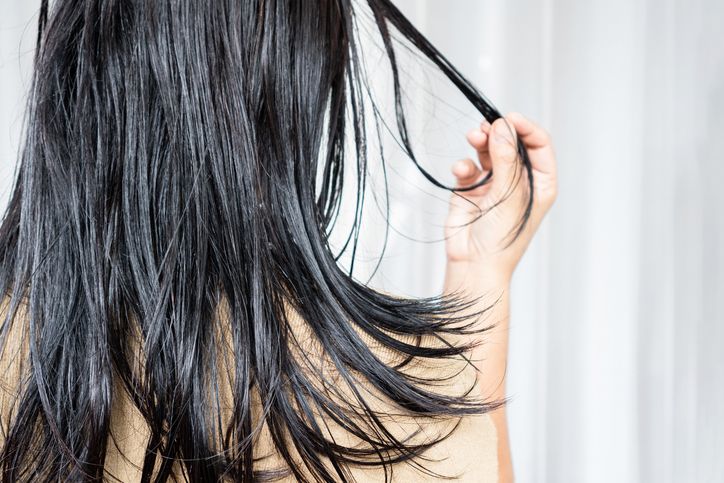
Before improving hair quality, the first step is identifying the signals that your hair is deteriorating based on its type. Here’s how each hair type typically behaves when problems arise:
1. Oily Hair
The scalp produces excess sebum, making the roots look flat and greasy. When oil accumulates, it may cause scalp odor or clogged follicles.
2. Dry Hair
Lacking natural oils, hair easily becomes dry and frizzy. Split ends, breakage, and loss of elasticity are common, causing dullness overall.
3. Combination Hair
Oily scalp but dry ends — common among people with long hair. Without targeted care for different zones, both greasiness and frizz can occur at the same time.
4. Normal Hair
The ideal balanced scalp-hair relationship. However, neglect, sun exposure, dyeing, perming, or chronic stress can still damage it over time.
5. Fine Hair
Strands are naturally thin and lack structural support, making hair limp and difficult to style. If excessive breakage or thinning occurs, it indicates damage.
Understanding your hair type and its warning signs is the essential first step toward choosing the right care routine.
免費體驗
F8 Hair Regrowth Treatment
1 Minute Self-Registration
Date should not be before minimal date
4 Key Factors That Damage Healthy Hair — Hidden in Everyday Habits!
Healthy hair doesn’t rely on products alone — lifestyle and daily behavior matter just as much. Ignoring these small details can silently damage your hair, worsen texture, or even trigger hair loss. Here are the most common causes:
1. Excessive Chemical Processes Damage Hair Structure
Frequent use of curling irons, or chemical treatments such as dyeing, perming, and bleaching, break down keratin in the hair shaft. This leads to loss of elasticity, dryness, brittleness, breakage, and split ends.
2. Poor Diet Affects Hair Health
Lacking vitamins, protein, zinc, iron, and other nutrients can weaken hair, making it fragile. A balanced diet is crucial for hair growth and strength.
3. UV Damage from Sun Exposure
Prolonged sun exposure depletes moisture, fades color, and damages the cuticles. UV rays can be highly destructive when accumulated over time.
4. Lifestyle Habits Impact Scalp & Follicles
Staying up late, high stress, and irregular routines disturb scalp metabolism. This leads to thinning, finer strands, and disruptions in the growth cycle.
4 Popular Types of Hair-Care Products + How to Use Them Correctly for Maximum Results
Choosing the right hair-care products is an important step in maintaining healthy hair. With so many options — shampoos, conditioners, treatments, and styling products — understanding how each one works is essential.
1. Shampoo
Primarily cleanses the scalp and hair. Choose according to scalp type:
• Oily scalp → oil-control, refreshing formulas
• Dry scalp → gentle, hydrating formulas
• Combination scalp → balanced formulas or zone-cleansing to avoid dry ends or greasy roots
2. Conditioners & Hair-Care Creams
Applied from mid-length to ends to smooth and repair.
• Fine hair → lightweight formulas to avoid weighing hair down
• Damaged hair → richer formulas for enhanced nourishment and moisture
3. Hair Masks
A deep-treatment product recommended 1–2 times weekly to repair dry, split, and damaged strands. Ideal for dry or bleached hair. Apply on towel-dried hair from mid-length to ends, leave for 10–15 minutes, then rinse.
4. Heat-Protectant Products
Essential before using curling irons, flat irons, or blow dryers. Suitable for all hair types, especially damaged hair, as they reduce heat-induced moisture loss and breakage.
4 Habits to Build for Healthy Hair: Adjusting Your Diet Can Bring Back Natural Shine!
1. Gentle Cleansing + Moisture & Repair
Choose gentle, non-irritating shampoos to avoid disrupting scalp balance. Massage with fingertips to promote blood circulation. Follow with conditioner or hair masks to replenish moisture and nutrients. Dry or split ends may benefit from regular hair oil to seal and nourish.
2. Prioritize Scalp Health
A healthy scalp equals healthy hair. Exfoliate once weekly to remove dead skin and excess oil, preventing buildup that leads to odor and hair fall.
3. Consume Balanced Nutrition
Hair is primarily made of protein — but nutrients fuel its growth. Ensure adequate intake of:
Vitamin C: enhances iron absorption, boosts follicle oxygenation, protects against oxidative stress.
Sources: citrus fruits, berries, leafy greens.
B Vitamins: vital for cell metabolism and follicle activity; B7 (biotin) and B12 are especially important.
Sources: nuts, whole grains, legumes, eggs.
Vitamin E: boosts scalp microcirculation and oxygenation, strengthens roots, delays aging.
Sources: plant oils, avocados, nuts.
4. Maintain Regular Sleep & Healthy Routine
Good sleep is closely tied to hair growth. Nighttime is the body’s repair period — chronic late nights disrupt nutrient delivery and metabolism, harming hair texture. Regular sleep schedules support healthy hair growth.
免費體驗
F8 Hair Regrowth Treatment
1 Minute Self-Registration
Date should not be before minimal date
Want Shiny, Smooth, Healthy-Looking Hair Fast? Try Perfect Medical’s F8 Hair Regrowth Treatment — One Session Delivers Visible Results!
Regardless of whether you have oily or dry hair, if your hair is showing signs of sub-health, we’re here to help! The Perfect Medical F8 Hair Regrowth Treatment is non-invasive and painless, and just one session can deliver visible improvements in scalp condition, promoting strong, healthy new growth.
This patented treatment uses low-energy medical-grade soft laser technology — safe for sensitive scalps and designed to activate follicle cells, regulate growth cycles, restore a healthy environment, and rebalance scalp oil and hydration. It effectively improves common issues such as:
• diffuse thinning
• receding hairline
• telogen effluvium
• seborrheic hair loss
• postpartum hair loss
• stress-related shedding
Register now to enjoy a professional scalp analysis + Perfect Medical F8 Hair Regrowth Treatment!
免費體驗
F8 Hair Regrowth Treatment
1 Minute Self-Registration
Date should not be before minimal date
FAQ

1. How much daily hair fall is normal?
Losing 50–100 strands a day is normal.
2. What should I do if stress is causing hair loss?
Practice relaxation, get adequate sleep, and exercise regularly.
3. How do I choose the right shampoo?
Choose based on your hair type and ensure the formula is gentle.
4. How should I care for hair after dyeing or perming?
Use color-protecting shampoos and conditioners, hydrate well, and avoid heat tools.
5. What should I eat to support hair growth?
Ensure enough protein, vitamins, minerals, green vegetables, fruits, and nuts.