- Home
- Trend
- Weight Loss Strategies
- Acne Tips
- Hair Health Information
- Blemish Removal Tips
- Acne Scar Removal Tips
- Muscle Building Techniques
- Intimate Care Tips
- Postpartum Intimate Care
- Eye Bags Wiki
- Tips for Face Slimming
- Secret of Permanent Hair Removal
- Breast Enlargement Tips
- Cure to Snoring
- Marionette Lines
- Skin-Tightening Secrets

A widening hair part is a common concern shared by both men and women. When the part becomes more visible and the hair on the crown looks sparse, it creates the illusion of thinning from multiple angles — sometimes even making the hairline appear as though it’s slowly receding. Men worry about thinning around the crown swirl, while women stress over widening parts that show more scalp. Social platforms like Xiaohongshu and Instagram are filled with anxious discussions about this issue.
Here’s a full breakdown of the 5 major causes of a more noticeable hair part, plus the most comprehensive ways to fix and prevent widening. You won’t regret reading through to the end!

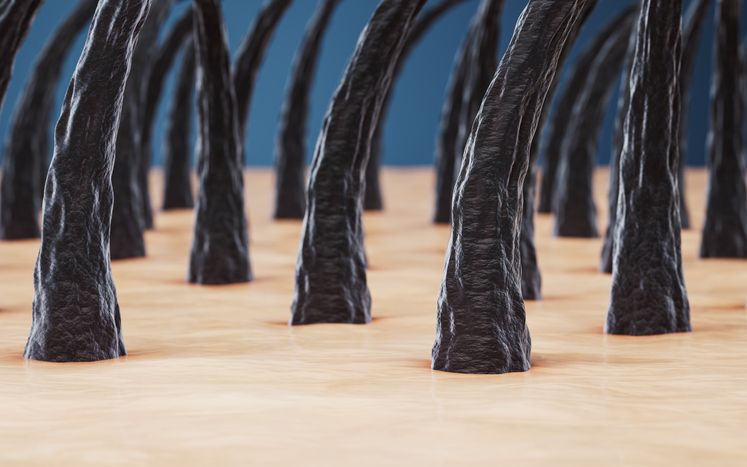
Five Major Causes of a Visible Hair Part: A Reflection of Internal and External Health
1. Irregular lifestyle habits
Chronic late nights, high stress, and disrupted routines can lead to hormonal imbalance and poor blood circulation, affecting scalp and follicle health. This disrupts the hair growth cycle, making thinning at the part or the crown more likely.
2. Incorrect parting habits
Keeping the same part for a long time places constant tension and pressure on the same scalp area. Over time, this weakens circulation and limits nutrient delivery, causing thinning along that line and making the part look wider.
3. Follicle inflammation
An unhealthy scalp environment can trigger folliculitis. When follicles become inflamed or weakened, hair falls out more easily — especially at the crown or part — making the part increasingly visible.
4. Crown thinning caused by androgenetic alopecia (male or female pattern hair loss)
Both male and female pattern hair loss tend to be hereditary. Men typically thin from the crown or hairline; women often notice widening along the part. If hair thinning runs in your family, early monitoring is key to preventing further progression.
5. Poor diet and damaging haircare habits
A lack of protein, zinc, iron, or overuse of harsh shampoos, perms, and dyes can disrupt the scalp barrier and damage follicles, making the part look wider and potentially leading to more extensive crown thinning.
Daily Fixes: 4 Lifestyle Habits That Can Help Restore a Natural-Looking Part

1. Change your parting direction + try volumizing hairstyles
Using the same part long-term compresses and weakens the same follicle group. Rotate your part weekly or monthly to give that area a break. Try:
• Z-shaped parting: Creates instant volume and helps camouflage visible scalp.
• Hairline micro-shading: Adds visual density near the part or hairline.
• Natural parting or all-back styles: Reduces constant pulling on one area.
2. Use suitable hair growth products
Choose scalp serums that strengthen roots and support growth — such as caffeine, peptides, or botanical extracts. These help improve the follicle environment and slow hair shedding. Avoid overly harsh formulas that may irritate the scalp.
3. Proper washing, haircare, and scalp massage
A clean, balanced scalp is essential for thicker-looking roots.
Use gentle, silicone-free shampoo and avoid aggressive scrubbing. After washing, try:
• Light fingertip pressure along the part and crown
• Circular scalp massage
• Gentle tapping to loosen tension
These help stimulate circulation and support follicle nourishment.
4. Build a healthy routine
Even the best haircare products won’t help if stress and lifestyle habits continue damaging the follicles. Aim for 7–8 hours of sleep nightly, and incorporate stress-relief activities like exercise or meditation.
免費體驗
F8 Hair Regrowth Treatment
1 Minute Self-Registration
Date should not be before minimal date
After Home Care, Your Part Still Looks Wider? Time to Seek Medical Help
Watch for these 4 red flags
If your part continues widening or shedding worsens even after careful home care, seek professional evaluation — especially if you notice:
• A sudden spike in daily hair loss
• Redness, irritation, or pain on the scalp
• Family history of severe hair loss
• Suspicion of underlying health issues (thyroid disorders, anemia, etc.)
Three Professional Treatment Options: A Full Overview
1. Oral medication: working from within
Common options include:
• Minoxidil (oral): Improves blood flow to the follicle and supports regrowth.
• Finasteride: Reduces DHT levels to slow hair loss progression.
Important: Must be prescribed by a doctor. Long-term use is needed. Hair loss may return after stopping. Finasteride is not suitable during pregnancy.
2. Topical treatments
Includes serums or solutions with:
• Minoxidil
• Botanical extracts
• Peptides
• Caffeine
These encourage follicles to enter the growth phase and improve density directly where applied.
3. Hair transplant surgery
When follicles are no longer functional, transplantation may be the last resort.
• FUE: Single follicle extraction
• FUT: Strip extraction for large grafts
Looking for a Fast, Effective Solution? Try Perfect Medical’s F8 Hair Regrowth Treatment — 100% Painless, Non-Invasive, and Suitable Even for Sensitive Scalps
If your part grows wider by the day, you’re definitely not alone. Luckily, there is a quick and effective solution: Perfect Medical’s F8 Hair Regrowth Treatment — a painless, non-invasive hair revitalization experience that works while you simply lie back and relax.
The F8 system uses low-energy medical-grade soft laser technology that works deep within the scalp without irritation. It enhances circulation, improves follicle activity, balances oil levels, and creates a healthier scalp environment overall.
It helps address:
• General thinning
• Widening parts
• Receding hairlines
• Postpartum hair loss
• Telogen effluvium (stress-related shedding)
• Seborrheic hair loss
• Androgenetic hair loss
Sign up now to enjoy a professional scalp analysis + Perfect Medical F8 Hair Regrowth Treatment!
Sign Up Here: Perfect Medical F8 Hair Regrowth Treatment免費體驗
F8 Hair Regrowth Treatment
1 Minute Self-Registration
Date should not be before minimal date
FAQ

1. Can stress really cause hair loss?
Yes — stress affects hormones and can disrupt the growth cycle.
2. Is losing hair in the shower normal?
Losing 50–100 strands per day is typical.
3. What nutrients help with hair growth?
Protein, vitamins, and minerals all support healthy follicles.
4. Is hair transplant surgery painful?
Modern techniques cause only mild, manageable discomfort.
5. How long does topical Minoxidil take to work?
Usually 3–6 months of consistent use.