- Home
- Trend
- Weight Loss Strategies
- Acne Tips
- Hair Health Information
- Blemish Removal Tips
- Acne Scar Removal Tips
- Muscle Building Techniques
- Intimate Care Tips
- Postpartum Intimate Care
- Eye Bags Wiki
- Tips for Face Slimming
- Secret of Permanent Hair Removal
- Breast Enlargement Tips
- Cure to Snoring
- Marionette Lines
- Skin-Tightening Secrets

As we age, it’s common to notice a decline in hair quality, often accompanied by an increase in hair concerns. For women especially, one of the most frequent issues is frizz—making hair hard to manage and affecting one’s overall appearance. While some people have naturally coarse or unruly hair that’s prone to frizz no matter how they brush it, others develop frizz due to lifestyle or environmental factors.
So, what causes frizz, and more importantly—how do we fix it? In this article, we break down the 7 key causes of frizz and share practical, science-backed solutions to help you achieve soft, shiny, and healthy-looking hair.

Why Is My Hair So Frizzy? 7 Common Causes Explained
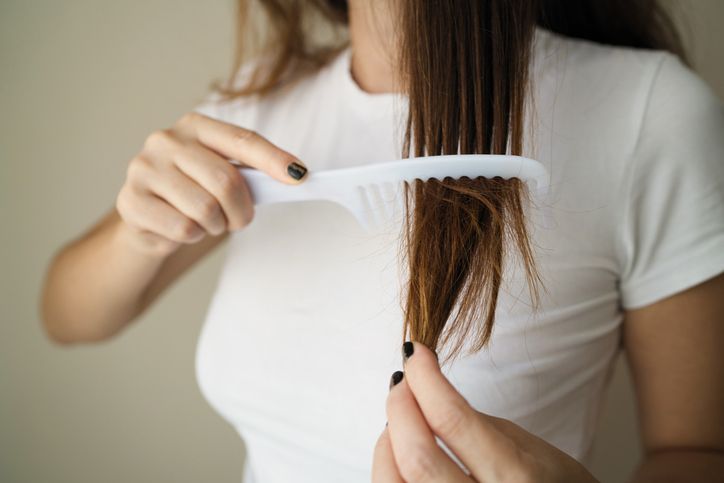
Frizz is something nearly everyone deals with—yes, even celebrities like Kendall Jenner. Although a certain degree of frizz is natural, many of us still dream of smooth, polished locks. Yet, even after applying hair oil or smoothing serums, dryness, frizz, and flyaways can persist.
Frizz happens when the hair becomes dry or damaged. More specifically, when the hair cuticle (the outer protective layer) is raised or rough, moisture penetrates the hair shaft, causing it to swell. As the moisture escapes, the hair becomes frizzy and hard to control—especially in humid conditions.
But what causes hair to dry out or become damaged in the first place? Let’s find out:
1. Naturally curly or fine hair
The curlier your hair, the more prone it is to dryness and frizz. Curly hair tends to be drier and lacks the natural oils that smooth straight hair. Similarly, fine hair is more susceptible to frizz. Because curls are lightweight, gravity doesn’t pull them flat, often leading to a messy appearance.
2. Showering with very hot water
Hot showers feel great—but scalding water can strip your hair of moisture. High temperatures open up the hair cuticles, causing essential hydration to escape, leaving your hair dry and frizzy. You don’t need to switch to cold showers, but opt for warm—not hot—water to help maintain your hair’s moisture balance.
3. Using the wrong shampoo
Many shampoos contain harsh ingredients such as drying alcohols and sulfates that can dehydrate your hair. Look for sulfate-free shampoos with glycerin, which helps lock in moisture and smooth the cuticle. No need to scan every label—just keep this rule of thumb in mind when shopping.
4. Washing your hair too often
Even shampoos designed for frizzy hair can dry out your strands if used too frequently. Washing every day—or multiple times a day—can strip your hair of its natural oils. Try limiting shampooing to 3–4 times a week. When you do shampoo, always follow with a conditioner. You can also use dry shampoo between washes to keep your scalp fresh—just make sure to choose one that’s gentle and eco-friendly.
5. Excessive use of straighteners or hot tools
Frequent heat styling with flat irons, curling wands, or hair dryers opens the hair cuticles and dehydrates the strands. Once the cuticle is raised, hair becomes more vulnerable to humidity, making frizz worse. Always use a heat protectant before styling—it forms a barrier that shields your hair from heat damage and helps retain moisture and shine.
6. Drying hair with cotton towels
That fluffy cotton towel might feel nice, but it can rough up the hair cuticle and increase frizz. Instead, opt for smoother fabrics that are more hair-friendly (we’ll get to those shortly).
7. Over-brushing
While brushing helps detangle and distribute natural oils, overdoing it can raise the cuticle and dry out your hair. Limit brushing to twice a day, and be extra gentle—especially when your hair is wet. Wet hair is more fragile and prone to breakage. If you must detangle wet hair, use a wide-tooth comb, detangling brush, or your fingers.
Frizz Emergency? Try These 8 Proven Remedies
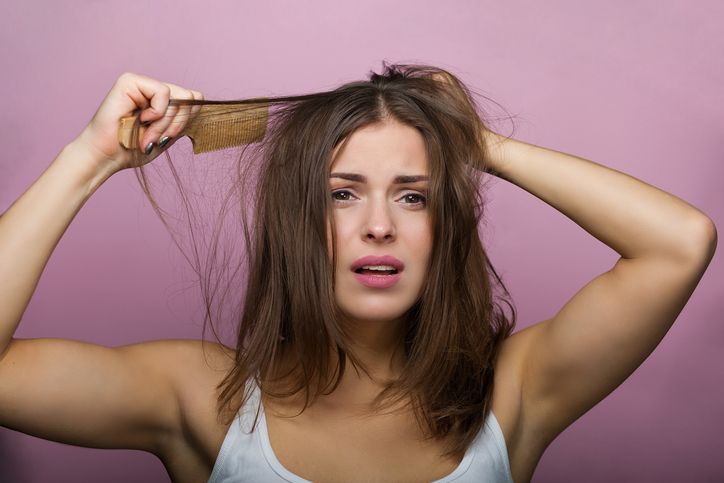
Whatever the cause of your frizz, these 8 strategies can help you restore smooth, shiny hair.
1. Start with a frizz-friendly haircut
Regular trims help remove split ends, which can travel up the hair shaft and make frizz worse. If you live in a humid climate, consider a blunt haircut to weigh hair down and reduce frizz.
2. Use a shampoo made for frizzy hair
Many shampoos contain strong surfactants like SLS or SLES, which can irritate sensitive scalps and dry out your hair. While there’s no conclusive link between SLS and skin allergies, those with reactive skin may want to avoid these ingredients. Choose shampoos with moisturizing agents like glycerin and Aquaxyl™. And remember—don’t use hot water.
3. Never skip conditioner
Even the gentlest shampoo can strip moisture. Conditioner restores hydration, seals the cuticle, and keeps frizz at bay. Look for formulas with aloe vera, cocoa butter, jojoba oil, or pomegranate extract for added nourishment.
4. Treat your hair with a hydrating mask
Once a week, use a deep-conditioning mask to rehydrate your hair. Apply to damp hair, leave on for 5–10 minutes, then rinse thoroughly. Ingredients like aloe, almond oil, and jojoba oil are especially beneficial for coarse or curly hair.
5. Ditch the cotton towel—use a bamboo hair wrap
Bamboo fabric is smoother and more absorbent than cotton, making it gentler on hair. It also dries your hair faster and reduces frizz—and it's more eco-friendly, too.
6. Upgrade your pillowcase
Just like towels, cotton pillowcases can cause friction and rob your hair of moisture. Try switching to a smooth bamboo pillowcase to help keep your hair sleek while you sleep. Bonus: it’s also great for your skin!
7. Use a leave-in conditioner
To keep your hair sleek throughout the day, use a leave-in conditioner with anti-frizz and heat-protectant ingredients. And don’t over-rely on heat styling—give your hair a break whenever you can.
8. Apply an overnight anti-frizz balm or wax
For very frizzy hair, consider using a rich hair balm before bed. Look for nourishing ingredients like shea butter, organic olive extract, jojoba oil, almond oil, and sunflower seed oil. These not only hydrate and strengthen your hair but also leave it smoother and shinier.
免費體驗
F8 Hair Regrowth Treatment
1 Minute Self-Registration
Date should not be before minimal date
Blow-Dry Smarter, Not Harder: 5 Mistakes That Cause Frizz
Blame your hairdryer all you want, but frizz is often the result of how you blow-dry—not what you use. Even the most expensive dryer can’t save your hair if you’re making these common mistakes:
1. Rubbing your hair dry with a towel
Roughly towel-drying your hair right after a shower can damage the cuticle and worsen frizz. Hairstylist Joe explains, “Hair is most fragile when wet—rubbing it with a towel opens up the cuticles and causes damage.” Instead, wrap your hair and gently press out excess water.
2. Blow-drying upside down
Flipping your head upside down to dry your roots may feel fast—but it roughs up the cuticle and increases frizz. Always blow-dry in the direction of hair growth, from roots to ends. Section your hair and dry from the bottom layers upward for better control.
3. Holding the dryer too close to your scalp
Blasting your scalp with heat can damage both your roots and your strands. Keep the dryer at least 15–20 cm away from your head and move it continuously to prevent heat buildup.
4. Drying hair without direction
Blow-drying hair in random directions or focusing too long on the ends can cause uneven texture. Instead, use your fingers to gently lift and guide the hair as you blow-dry. Once hair is about 80% dry, switch to cool air and smooth it from roots to ends.
5. Using only one heat setting
Only using hot air can make hair brittle over time. Hair is made of keratin, which is sensitive to high heat. Keep the temperature around 60°C, and once hair is mostly dry, switch to a cool setting. Finish with a pearl-sized amount of hair oil from mid-lengths to ends for added shine and softness.
Pro tip: If you wake up every morning with wild, frizzy hair, dampen the top layer with water, reshape using your fingers, and finish with a touch of hair oil. It’ll reduce frizz and add volume.
Frizz-Fighting Hero: The F8 Hair Regrowth Treatment from Perfect Medical
Many people are familiar with Perfect Medical’s F8 Hair Regrowth Treatment, thanks to its reputation for promoting hair growth and preventing hair loss. However, what’s less commonly known is that this treatment is also effective in reducing frizz.
By creating an optimal environment for healthy hair growth, the F8 treatment helps restore hair to its best possible condition. So whether you’re struggling with frizz, oily scalp, or any type of hair loss—like thinning at the crown, receding hairline, M-shaped hairline, or male-pattern baldness—this treatment can be an effective solution.
The F8 Hair Regrowth Treatment is one of the few modern options that uses a painless, non-invasive approach to address hair concerns. It combines low-level soft laser therapy with world-class growth serums to deeply and evenly stimulate the scalp. This improves scalp blood circulation and metabolism, accelerates capillary regeneration, and energizes both the hair papilla and follicles. The result? A strong, healthy scalp environment that brings hair follicles back to life.
Worried about the cost?
A common concern is that such a treatment might be pricey—but surprisingly, the F8 Hair Regrowth Treatment is very affordable, making it accessible even for those on a tighter budget. And here's some good news: you can try it for free! Just click the link below to register and schedule your complimentary trial session.
免費體驗
F8 Hair Regrowth Treatment
1 Minute Self-Registration
Date should not be before minimal date
FAQ

What foods help reduce frizz?
Healthy hair starts from within. In addition to proper daily hair care, your diet plays a crucial role in hair health. Here are some dietary tips to nourish your hair from the inside out: Protein- and vitamin-rich foods like milk, fish, eggs, and meat help reduce split ends and breakage. Antioxidant-rich foods such as broccoli, pomegranates, strawberries, and blueberries help combat dryness and frizz. In summer, consume more vitamin C-rich fruits like oranges, kiwis, and grapefruits to aid collagen production and strengthen hair. Vegetables like tomatoes and carrots support natural hair repair. Nuts and seeds (like flaxseeds, almonds, and walnuts) provide vitamin E, which protects hair from sun damage and supports growth. Iron-rich foods (e.g., red meat, leafy greens, whole grains, eggs) ensure your scalp and hair roots get sufficient nutrients. Zinc-rich seafood (like oysters, crab, and lobster) helps strengthen hair structure. Finally, eat plenty of leafy greens, which are loaded with B vitamins, vitamin C and E, potassium, calcium, iron, and magnesium for overall nourishment.
What haircare products help manage frizz?
To reduce frizz, consider using the following types of products: Hair oils: Rich in natural oils and vitamins, they deeply repair and smooth damaged strands. Repair masks: These restore moisture and protein to dry, frizzy hair. Moisturizing shampoos and conditioners: Look for ingredients like olive oil, coconut oil, argan oil, glycerin, lanolin, or hyaluronic acid. Anti-static conditioners: These reduce flyaways and friction between hair strands. Leave-in conditioners and serums: These offer extra hydration and protection throughout the day. Heat protectant sprays: Prevent damage from styling tools. Products with plant-based extracts: These soothe and fortify hair naturally. Keep in mind: everyone’s hair is different. You may need to try a few options to find the one that suits your hair best. And remember, healthy hair always starts with good nutrition and daily habits.
What lifestyle habits help reduce frizz?
Get enough sleep: This allows your body—and your hair—to repair and regenerate. Manage stress: Chronic anxiety or emotional stress can lead to hair damage and frizz. Avoid smoking and limit alcohol: Both can weaken hair over time. Exercise moderately: Regular physical activity improves circulation, delivering more nutrients and oxygen to your scalp. But don’t overdo it—extreme exercise can also stress your body and hair. In short, a healthy lifestyle—balanced diet, quality sleep, regular exercise, and good emotional health—contributes significantly to vibrant, healthy hair. Hair is often a reflection of your overall wellbeing.
Does weather affect frizz?
Yes, dry weather can strip your hair of moisture, making frizz more noticeable. In such conditions, using hydrating products is essential. Choose shampoos and conditioners with natural moisturizers like argan oil, glycerin, aloe vera, or coconut oil to keep your hair smooth and shiny even in dry climates. Weekly use of deep-conditioning masks also helps lock in moisture and protect hair from environmental dryness by forming a hydrating barrier.
Do silicone-based products help reduce frizz?
Yes—silicones can smooth the hair and reduce frizz in the short term by coating the strands. However, long-term or excessive use may lead to buildup, leaving hair dull, heavy, and lifeless. To prevent this, alternate between silicone and silicone-free products, and use a clarifying shampoo regularly to remove buildup. This keeps your hair breathable, clean, and healthy.