- Home
- Trend
- Weight Loss Strategies
- Acne Tips
- Hair Health Information
- Blemish Removal Tips
- Acne Scar Removal Tips
- Muscle Building Techniques
- Intimate Care Tips
- Postpartum Intimate Care
- Eye Bags Wiki
- Tips for Face Slimming
- Secret of Permanent Hair Removal
- Breast Enlargement Tips
- Cure to Snoring
- Marionette Lines
- Skin-Tightening Secrets

Dandruff often falls without warning, leaving your shoulders covered and seriously affecting your personal image — making you hesitant to wear dark clothing? Anti-dandruff shampoos are the most common and convenient solution. When dandruff or scalp issues appear, the first instinct is often to switch shampoos — but choosing the wrong one can make things worse! This article combines Consumer Council reports, ingredient breakdowns, and product recommendations to help you find the perfect dandruff-fighting solution.

Say Goodbye to Snowfall on Your Hair and Shoulders: The Complete Anti-Dandruff Shampoo Guide
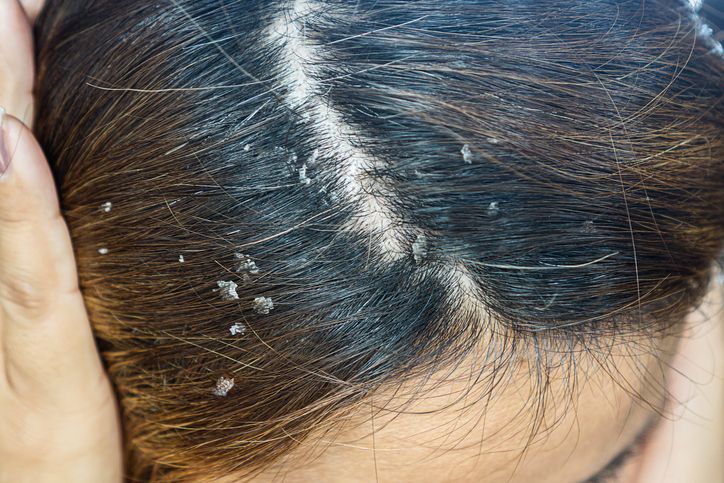
Have you experienced this? You put on a dark top, and instantly tiny white flakes appear on your shoulders — super embarrassing! You wash your hair every day, yet your scalp is so itchy you can’t stop scratching, sometimes even causing annoying scalp pimples. Today, let’s dive into the causes of dandruff, the types of anti-dandruff shampoos available, and how daily care can help you get rid of the “snowfall” problem.
Where Does Dandruff Come From? Causes of Dandruff
The causes of dandruff are actually quite complex and not due to a single factor. Understanding the root cause helps you choose the most suitable anti-dandruff shampoo. Here are some common causes:
• Overgrowth of Malassezia: Malassezia is a fungus naturally found on healthy scalps. When it overgrows, it can irritate the scalp, causing skin cells to shed faster, forming visible dandruff.
• Excess Sebum Production: People with oily scalps are more prone to dandruff because excess sebum feeds Malassezia, promoting its growth.
• Dry Scalp: On the flip side, a very dry scalp can also cause dandruff. Lack of moisture makes the scalp’s outer layer flake, forming fine, dry dandruff.
• Irritating Products: Shampoos, styling products, or hair dyes with harsh ingredients can irritate the scalp, causing inflammation and dandruff.
• Stress: Long-term stress can affect the immune system, making the scalp more susceptible to fungal infections and dandruff.
• Diet: An unbalanced diet — especially excessive oily or spicy foods — may worsen dandruff.
Other skin conditions may also trigger dandruff:
• Seborrheic Dermatitis: A common chronic skin condition affecting areas rich in sebaceous glands, such as the scalp, face, and chest. Dandruff from seborrheic dermatitis is often greasy and may be accompanied by redness and itchiness.
• Psoriasis: A chronic autoimmune condition that can affect the skin, nails, and joints. Scalp psoriasis leads to thick red patches covered with silvery scales.
• Eczema: A common inflammatory skin reaction caused by allergies, irritants, or genetics. Scalp eczema causes itching, dryness, and flaking.
Dandruff affects more than appearance — it can also cause:
• Itchy Scalp: The most common symptom, making you want to scratch. Scratching can spread flakes (“snowfall”) and may damage the scalp, even leading to infections.
• Redness and Inflammation: Severe dandruff can cause scalp redness, inflammation, and even pain.
• Impact on Appearance and Social Life: Flakes on your shoulders can be embarrassing, affecting confidence and social interactions. Sporadic “snowfall” may leave you feeling self-conscious, impacting personal hygiene perception.
Are Anti-Dandruff Shampoos Effective? What Are Their Active Ingredients?

There are many anti-dandruff shampoos on the market — but do they really work? The answer is yes, if you choose a product with effective active ingredients. These ingredients work differently. Here are some common ones:
| Active Ingredient | Function | Notes |
|---|---|---|
| Zinc Pyrithione | Antibacterial, inhibits Malassezia growth | Banned in rinse-off products in the EU due to potential fetal development risks, eye irritation, and contact dermatitis. |
| Piroctone Olamine | Highly effective, low irritation, inhibits fungal growth, reduces dandruff | Relatively mild, but check for personal allergies. |
| Salicylic Acid | Exfoliates, removes dead skin cells on the scalp | Highly irritating, not suitable for sensitive scalps; may cause dryness. |
| Climbazole | Used as an anti-dandruff ingredient | Follow usage instructions. |
When choosing an anti-dandruff shampoo, always read the ingredient label carefully and understand which active components are included. Also consider your scalp type:
• Oily scalp: Opt for shampoos with oil-control ingredients like salicylic acid or tea tree oil.
• Dry scalp: Choose shampoos with moisturizing ingredients such as glycerin or aloe vera.
• Sensitive scalp: Select fragrance-free, colorant-free, low-irritation shampoos with soothing ingredients like chamomile or oat extract.
Important reminder: If any allergic reactions occur, such as redness, itchiness, or stinging, stop using the product immediately and consult a doctor.
免費體驗
F8 Hair Regrowth Treatment
1 Minute Self-Registration
Date should not be before minimal date
Hong Kong Consumer Council Report: Anti-Dandruff Shampoo Buying Guide
The Hong Kong Consumer Council regularly tests haircare products and publishes results to guide consumers. Referring to their reports when choosing anti-dandruff shampoos helps avoid harmful ingredients and ensures safety and efficacy.
Their testing and rating criteria include:
• Dandruff Removal Efficacy: How well the product removes dandruff.
• Safety: Whether the product contains harmful or banned ingredients.
• pH Level: Extremely acidic or alkaline products may irritate the scalp.
• Ingredient Labeling: Whether the ingredients are fully and clearly listed.
Key points from the report:
• Highly Rated Brands: Some products from Sebamed, KLORANE, Sunsilk, Ryo, and LUX have received high ratings in past tests.
• Banned Ingredients: Some products from Hair Corner, Petal Fresh Pure, CLEAR, Philip B., etc., were found to contain banned zinc pyrithione. Consumers should be cautious.
• Salicylic Acid Content: Products labeled as containing salicylic acid may vary in concentration; check the label carefully.
How Do Sunsilk, Eco Garden, L’Oréal, and KLORANE Ginger Anti-Dandruff Shampoos Perform?
The table below summarizes some Consumer Council findings (for reference only):
| Product Name | Brand | Dandruff Removal | Safety | Overall Rating | Notes |
|---|---|---|---|---|---|
| Sebamed Anti-Dandruff Shampoo | Sebamed | Good | Safe | 4★ | Suitable for sensitive scalp |
| KLORANE Ginger Anti-Dandruff Shampoo | KLORANE | Good | Safe | 4★ | Gentle and effective |
| Sunsilk Anti-Dandruff Shampoo | Sunsilk | Average | Safe | 3★ | Affordable |
| Ryo Nourishing & Strengthening Shampoo | Ryo | Average | Safe | 3★ | Suitable for fragile hair |
| LUX Anti-Dandruff Shampoo | LUX | Average | Safe | 3★ | Pleasant fragrance |
Editor’s Picks: Anti-Dandruff Shampoos by Scalp Type (Dandruff + Hydration)
Based on scalp type and personal needs, here are highly rated online anti-dandruff shampoos, balancing dandruff control and hydration:
Oily Scalp
• L’Oréal Paris Tea Tree Purifying Anti-Dandruff Shampoo: Contains tea tree oil for oil control and deep scalp cleansing.
• CLEAR Men Anti-Dandruff Shampoo – Refreshing Oil Control: Designed for men; deeply cleanses scalp and removes excess oil.
Dry Scalp
• KERASTASE Hydra-Anti-Dandruff Shampoo: Gently cleanses while adding moisture to soothe dryness.
• APIVITA Parsley & Propolis Anti-Dandruff Shampoo: Contains natural parsley and propolis; gently soothes scalp while removing dandruff.
Sensitive Scalp
• Sebamed Anti-Dandruff Shampoo: pH 5.5 mild acidic formula, gentle and non-irritating.
• BIODERMA Node DS+ Purifying Scalp Care Shampoo: Soothes scalp, reduces itchiness and irritation.
Normal or All-Scalp Types
• KLORANE Ginger Anti-Dandruff Shampoo: Gentle and effective for all scalp types.
• LUX Anti-Dandruff Soothing Shampoo: Cleanses scalp, relieves itching, and leaves hair smooth and shiny.
免費體驗
F8 Hair Regrowth Treatment
1 Minute Self-Registration
Date should not be before minimal date
Red Flag Ingredient: Zinc Pyrithione
Avoid products containing:
Zinc Pyrithione: Banned in rinse-off products in the EU due to potential fetal development risks, eye irritation, and contact dermatitis.
Always read ingredient labels carefully to avoid harmful products.
Are There 100% Vegan Anti-Dandruff Shampoos?
Yes. Eco Garden offers an anti-dandruff shampoo. According to the Consumer Council, their Ginger & Tea Tree Anti-Dandruff Shampoo is 100% vegan, uses natural ginger and tea tree extracts, and has been dermatologically tested. It helps reduce dandruff and control flaking, promoting a healthy scalp. This product is especially suitable for oily hair and dandruff-prone hair types.
Correct Hair-Washing Techniques for Dandruff: Maximize Results
Using the right shampoo is important, but proper washing technique also helps combat dandruff.
Steps and Tips
1. Rinse hair with lukewarm water — avoid very hot or cold water.
2. Lather shampoo in hands before applying to scalp.
3. Massage scalp with fingertips to promote circulation.
4. Rinse thoroughly to avoid residue.
5. Use conditioner on hair ends.
6. Pat hair dry with a towel — avoid rubbing vigorously.
7. Avoid long, direct blow-drying on the scalp; keep the airflow moving and use low heat to prevent dryness and itchiness.
Washing Frequency: Adjust based on scalp type. Generally, wash every 2–3 days. Oily scalps can wash daily; dry scalps, every 2–3 days.
免費體驗
F8 Hair Regrowth Treatment
1 Minute Self-Registration
Date should not be before minimal date
Daily Scalp Care: Healthy Habits to Reduce Dandruff
Beyond shampoo and washing technique, daily scalp care is key:
• Balanced Diet: Eat more fruits and vegetables to supply vitamins and minerals for scalp health.
• Avoid Late Nights: Adequate sleep helps regulate the immune system.
• Manage Stress: High stress worsens dandruff. Relieve stress with exercise, meditation, etc.
• Limit Styling Products: Excess styling products can irritate the scalp.
• Change Pillowcases Regularly: Pillowcases harbor bacteria; regular changes help reduce dandruff.
Consistency can improve dandruff and maintain a healthy, refreshed scalp.
Can Persistent Itch and Excess Dandruff Lead to Hair Loss?
Yes. Long-term scalp itching and heavy dandruff, if untreated, can contribute to hair loss.
These symptoms are often linked to poor scalp health — excess oil, clogged follicles, fungal infection, or chronic inflammation (e.g., seborrheic dermatitis). Inflamed or stressed follicles weaken hair growth, leading to thinner strands or hair shedding. Frequent scratching also physically damages follicles, worsening hair loss. Proper scalp care, using suitable products, and maintaining scalp cleanliness are crucial. Seek professional advice if issues persist.
More Than Dandruff? Hair Loss Too? Shampoo Alone Isn’t Enough — Consider This Hair Growth Treatment
We’ve covered many anti-dandruff methods and recommended shampoos for men and women. While choosing the right shampoo helps, it may not restore scalp health fully. An unhealthy scalp can trigger or worsen hair loss.
If dandruff persists and hair thinning appears, consider medical aesthetic treatments, such as the F8 Hair Regrowth Treatment, which improves scalp health using professional medical techniques, helping you eliminate dandruff and prevent hair loss — no more “snowfall”!
Professional Low-Level Light Therapy: Gently Awakens Follicle Vitality
Uses low-level light waves to penetrate the scalp, stimulating follicle cell metabolism and growth cycles, enhancing microcirculation, and promoting nutrient supply. This technique revitalizes dormant follicles, creating a stable environment for hair growth.
Comfortable, Non-Invasive, and Pain-Free: Fits Women’s Daily Routines
Non-invasive, pain-free sessions require no recovery time and won’t affect daily activities or appearance. Suitable for working professionals, homemakers, or busy lifestyles.
Noticeable Results from the First Session; Visible Hair Regrowth in Three Months
Within weeks, scalp condition improves; new hair growth is observable from three months onward, with thicker, stronger, and healthier strands.
This treatment leverages medical science to address hair loss caused by follicle aging and poor growth, restoring a healthy scalp environment and gradually regaining full, strong hair — helping you feel confident and relaxed every day. Free trial spots are available — take a minute to register and experience hair transformation firsthand!
免費體驗
F8 Hair Regrowth Treatment
1 Minute Self-Registration
Date should not be before minimal date
FAQ

1. Do I need to wash my hair daily to keep my scalp clean?
Not necessarily. Adjust based on scalp type. Dry or normal scalp: every 2–3 days. Oily scalp: daily.
2. Can dandruff be completely cured?
Dandruff may not be fully curable but can be controlled with proper care.
3. How long until a new shampoo shows results?
Typically 2–4 weeks of consistent use to see noticeable effects.
4. Does stress really increase dandruff?
Yes. Stress affects the immune system, making the scalp more prone to fungal infections.
5. Can worsening dandruff lead to hair loss?
Possibly. Chronic itching, excess oil, and poor scalp hygiene can cause inflammation or follicle damage, potentially leading to hair loss. Prompt attention is essential.