- Home
- Trend
- Weight Loss Strategies
- Acne Tips
- Hair Health Information
- Blemish Removal Tips
- Acne Scar Removal Tips
- Muscle Building Techniques
- Intimate Care Tips
- Postpartum Intimate Care
- Eye Bags Wiki
- Tips for Face Slimming
- Secret of Permanent Hair Removal
- Breast Enlargement Tips
- Cure to Snoring
- Marionette Lines
- Skin-Tightening Secrets

Dark circles—commonly known as panda eyes—refer to the discolored area beneath the eyes, extending to the orbital bone. These days, nearly everyone seems to have them, though the severity varies. For some, they’re faint; for others, they’re stubborn and dark.
Despite being a common condition, dark circles are widely misunderstood. Most people think they’re just a sign of poor sleep. While it’s true that sleep quality affects their appearance, that’s only one of many potential causes. To effectively fade dark circles, we first need to understand what’s causing them. Only then can we take targeted action and restore bright, refreshed-looking eyes.

What Causes Dark Circles?

Think dark circles are just a result of not getting enough sleep? You’re not alone. Maybe you’ve tried fixing your sleep habits—going to bed early, getting a solid eight hours a night—but those pesky shadows under your eyes still won’t go away. What gives?
While irregular sleep patterns and late nights do often contribute to dark circles—especially in younger people—the truth is, many other factors can also play a role. If your sleep is on track but the circles remain, it might be due to something else entirely. Let’s break down the most common causes.
Cause 1: Natural Aging
One of the most common causes is aging. According to the American Academy of Ophthalmology, collagen loss around the eyes is a natural part of the aging process. As collagen depletes, fat can shift downward under the eyes, creating shadows and dullness—aka dark circles.
With age, the thin layer of fat beneath the eye also diminishes, making underlying blood vessels more visible. When collagen and fat loss become more severe, the orbital bone can start to show through, creating a hollow appearance. Under certain lighting, this casts a deeper shadow, making dark circles appear even darker.
Cause 2: Pigmentation
In many cases, dark circles are the result of pigmentation on the skin around the eyes. Some people are born with naturally darker skin under the eyes due to genetics or a predisposition to melanin buildup.
Other triggers include excessive eye rubbing, lack of sun protection, long-term UV exposure, and incomplete removal of eye makeup. These habits can lead to pigment buildup and darker, more noticeable under-eye circles over time.
Cause 3: Vascular Issues
Dark circles aren’t just about pigmentation—some stem from blood vessels showing through thin under-eye skin. The skin around our eyes is especially delicate and packed with tiny blood vessels. When these vessels expand or multiply, the pooled blood becomes visible as dark shadows.
This is often seen in people with allergic rhinitis, nasal congestion, or chronic sinusitis. Since the eyes and nose are connected via the nasolacrimal duct, nasal allergies or infections can disrupt blood circulation in the eye area. The resulting congestion or vessel dilation beneath the eyes then shows up as dark circles.
Cause 4: Temporary Circulation Problems
In addition to allergies, several other factors can cause temporary blood vessel prominence under the eyes—things like poor sleep, overuse of digital devices, high stress, crying, eating too much salt, menstruation, or pregnancy. All of these can hinder blood flow around the eyes, leading to darker under-eye areas and even puffiness or eye bags.
The good news? Once the root cause is removed, the dark circles often improve on their own.
Cause 5: Rough or Dehydrated Skin
Dry, rough skin around the eyes can also make dark circles look worse. Because the skin in this area is naturally thin and prone to dehydration, it lacks strong moisture retention. If not addressed, dry skin can become dull and textured, worsening the appearance of darkness.
According to dermatologists, people with conditions like atopic dermatitis, hives, or eczema often have rougher skin texture and a tendency to develop hyperpigmentation on both the upper and lower eyelids, making dark circles more pronounced.
How to Tell What Type of Dark Circles You Have? Try These Simple Self-Tests
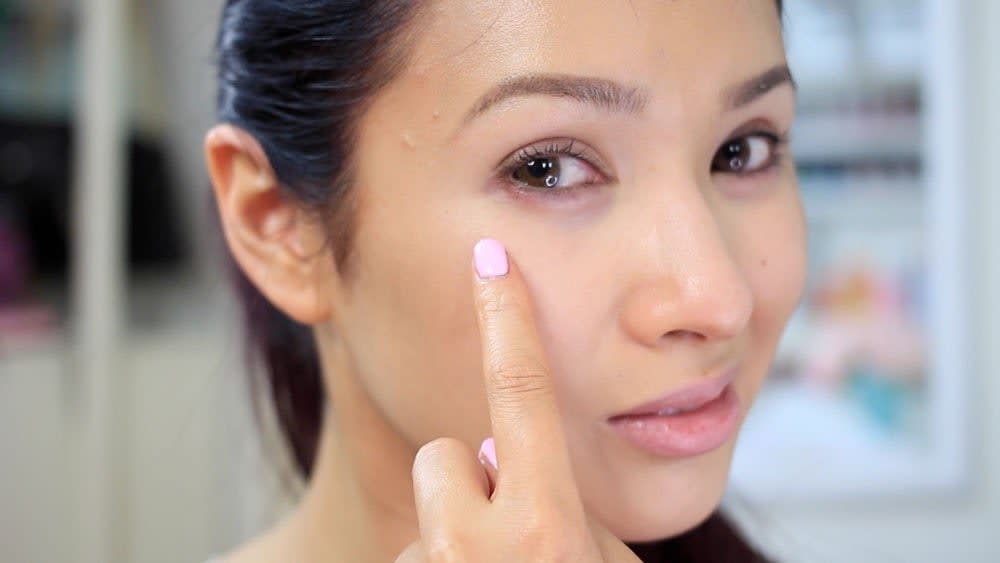
Now that you know the main causes of dark circles, the next step is figuring out which type you have. Why is this important? Because different causes require different treatments—and what works for one type might do nothing for another.
Let’s break it down into the four most common types of dark circles and how to spot them.
Type 1: Vascular Dark Circles
These are bluish-purple in color and tend to look worse when you’re tired, stressed, or sick. They’re caused by poor blood circulation or congested blood vessels under the eyes.
Self-Test: Use your fingers to gently stretch the under-eye skin outward.
• If the dark color fades or disappears, it’s likely vascular.
• If it stays the same, it may be pigmented or structural.
Common Causes:
• Poor sleep
• Stress
• Allergies or nasal congestion
• Long screen time
Tip: Focus on improving circulation with eye massages, hot compresses, or targeted eye creams that boost microcirculation.
Type 2: Pigmented Dark Circles
These appear brown or tan and are caused by melanin deposits—basically, pigmentation buildup on the skin.
Self-Test: Use your fingers to gently stretch the skin under your eyes.
• If the color stays the same, it’s likely pigmentation.
• If it fades, it may be vascular.
Common Causes:
• Genetics
• UV damage
• Incomplete makeup removal
• Frequent rubbing of the eyes
Tip: Use brightening eye creams with ingredients like vitamin C, niacinamide, or arbutin, and always wear sunscreen—even around the eyes.
Type 3: Structural or Shadow-Based Dark Circles
These are more about shadows than discoloration. They’re caused by the shape of your facial structure—especially hollow tear troughs or protruding eye bags that cast shadows under certain lighting.
Self-Test: Look straight ahead into a mirror under bright light, then tilt your head slightly downward.
• If the darkness shifts or disappears depending on the angle, it’s likely caused by shadows from your bone structure or fat pads.
Common Causes:
• Genetics
• Aging (loss of collagen and volume)
• Fat displacement or sagging
Tip: Makeup can only do so much. Consider professional treatments like dermal fillers, tear trough injections, or energy-based skin tightening for long-term improvement.
Type 4: Mixed-Type Dark Circles
Many people have more than one type. For example, someone may have both pigmentation and vascular issues, or structural hollowness combined with darkened skin.
Self-Test: If you’ve tried the above tests and more than one seems to apply to you, chances are you have a mixed type.
Tip: You’ll need a combination approach—hydration, circulation-boosting techniques, pigmentation correction, and possibly professional treatments to get real results.
免費體驗
R6 Miracle Eye Rescue Treatment
1 Minute Self-Registration
Date should not be before minimal date
To Treat It Right, Know Your Type
There’s no one-size-fits-all fix for dark circles. What matters most is understanding the underlying cause and tailoring your treatment to match. For example:
• Vascular dark circles respond better to massage, warmth, and better sleep.
• Pigmented dark circles need brightening skincare and gentle handling.
• Structural shadows may need more than skincare—such as in-office procedures.
• Mixed types benefit from a layered strategy.
If you’ve tried many methods without seeing results, you might’ve been treating the wrong type all along. Don’t just cover up with concealer—target the root cause.
How to Prevent and Treat Different Types of Dark Circles
Dark circles are generally harmless to your health and don’t usually require medical treatment. However, they can seriously affect your appearance, often giving off an impression of fatigue or low energy. That’s why many people are keen to get rid of them for aesthetic reasons.
So, how can you effectively tackle different types of dark circles? Here's a practical, step-by-step guide:
For Vascular Dark Circles
Main causes: Allergies (e.g. allergic rhinitis, nasal congestion, chronic sinusitis), lack of sleep, eye strain, high salt intake, and poor circulation around the eyes.
Prevention & Treatment Tips:
1. Manage allergic reactions or treat allergic rhinitis to reduce inflammation.
2. Stick to a consistent sleep schedule—go to bed early and ensure sufficient rest.
3. Avoid overusing your eyes. For every 30 minutes of screen time, take a 5-minute break by closing your eyes or looking at something green in the distance.
4. Cut back on salty or heavily seasoned foods to prevent puffiness around the eyes.
5. Try gentle eye massages. Focus on acupressure points like Jingming (inner eye corner), Sibai (under the eye), and Tongziliao (outer eye). This promotes blood circulation and eases eye fatigue—just be sure to do it consistently.
6. Apply warm compresses to boost blood and lymph flow, relieving fatigue. Cold compresses can help shrink under-eye vessels—just make sure the temperature is right. Once a day is ideal.
For Pigmented Dark Circles
Main causes: Genetics, sun exposure, incomplete makeup removal, frequent eye rubbing, and skin conditions like eczema, dermatitis, or hives.
Prevention & Treatment Tips:
1. Always wear sunscreen and protect the eye area from UV rays—this is crucial!
2. Avoid harsh cosmetics, and remove makeup thoroughly—especially eyeliner and mascara—to prevent residue buildup.
3. Stop rubbing your eyes. This habit can irritate and darken the delicate skin around them.
4. Use mild, gentle eye creams or masks to keep the under-eye area hydrated and prevent dryness.
5. Treat any skin conditions early and manage inflammation to reduce the risk of pigment buildup.
For Structural or Sunken Dark Circles
Main causes: Facial or orbital bone structure (sunken eye sockets, prominent eye bags, deep tear troughs, large fat pads under the eyes, or loss of cheek volume), skin aging, collagen loss, or naturally thin under-eye skin.
Prevention & Treatment Tips:
1. If under-eye fat pads are too large or fine lines are prominent, Botox can help smooth the area.
2. For deep tear troughs, fillers like hyaluronic acid or collagen can help restore volume and soften shadows.
3. If your eye bags are too pronounced, surgical removal may help even out the area and reduce shadowing.
4. Issues like hollow eye sockets, sunken cheeks, or collagen loss are harder to fix. Fillers may help, but prevention is key. Delaying eye area aging is the most effective way to prevent this type of dark circle.
Important Reminder
Although dermal fillers and eye bag removal surgery can structurally improve dark circles, all invasive treatments come with risks. Common side effects include bruising, swelling, and asymmetry. In severe cases, complications like lumps, uneven texture, or infections may occur.
Keep in mind that the results of any injectable treatment are not permanent. To maintain the effects, regular top-up sessions are needed. How long results last depends on factors like the type of filler, injection site, dosage, your age, skin type, lifestyle, and aftercare routine—so results vary from person to person.
Before undergoing any cosmetic treatment, be sure to weigh the risks carefully, make informed decisions, and choose a qualified, reputable clinic. Always consult your doctor thoroughly beforehand.
Bottom line?
The best way to fight dark circles is to start with your lifestyle:
• Maintain a consistent sleep schedule
• Exercise regularly
• Eat a healthy diet
• And most importantly—wear sunscreen (say it three times—it’s that important!)
Pair this with gentle skincare for the eye area, and you can boost circulation, prevent pigmentation, and slow skin aging. That’s how you tackle dark circles at the source.
That said, lifestyle-based methods take time and aren’t instant fixes. They’re more effective for preventing dark circles than removing them. On the other hand, cosmetic procedures offer faster results—but only work well on structural dark circles.
The reality is, most people have mixed-type dark circles—so relying on just one method won’t fully solve the issue.
To truly get rid of dark circles, a more comprehensive approach is needed. In the next section, we’ll introduce one of the most popular non-invasive treatments that tackles multiple types of dark circles safely and effectively.
Target All Types of Dark Circles at Once: Perfect Medical’s R6 Eye Bag Removal Treatment
Perfect Medical’s R6 Eye Bag Removal Treatment uses three levels of radiofrequency energy to tighten the superficial, mid, and deep layers of the under-eye skin. It also improves microcirculation around the eyes and dissolves excess fat to comprehensively treat eye bags, dark circles, and fine lines.
Click the link below to book your appointment online — and enjoy a free trial of the R6 Eye Bag Removal Treatment. Why not experience the results for yourself before committing?
Click to Register: Perfect Medical R6 Miracle Eye Rescue Treatment免費體驗
R6 Miracle Eye Rescue Treatment
1 Minute Self-Registration
Date should not be before minimal date
FAQ

What Are the Different Types of Dark Circles?
Dark circles generally fall into four main categories: vascular, pigmented, structural, and mixed-type. Vascular Dark Circles: These appear bluish or purplish due to the visibility of congested or dilated blood vessels under the thin skin below the eyes. Poor circulation is the main culprit, often linked to issues like nasal allergies, congestion, or chronic sinusitis—since the blood flow around the eyes and nose is closely connected. Other common triggers include crying, lack of sleep, eye strain, and a high-salt diet. Pigmented Dark Circles: These look brown or tan and are caused by melanin buildup around the eyes. Genetics play a role, but external factors like sun exposure, frequent eye rubbing, or improper makeup removal (especially eyeliner and mascara) can worsen pigmentation over time. Structural Dark Circles: These are caused by the anatomy of the eye area. When there’s a natural hollow under the eyes or pronounced eye bags, shadows form due to how light hits the face. Age-related changes like sagging cheeks, deep tear troughs, or sunken eye sockets can make these shadows even more noticeable over time. The result may not be actual discoloration, but the area looks dark due to shadowing. Mixed-Type Dark Circles: Most people actually have a mix of the types above. If you have two or more causes at once—say, both pigmentation and vascular issues—it’s considered mixed-type dark circles, which require a combination of treatment strategies.
What’s the Difference Between Dark Circles and Eye Bags?
Dark circles refer to the discolored or shadowed area from the lower lash line to the orbital bone, while eye bags are the bulging fat pads below the eyes, specifically beneath the area known as plump lower eyelids, also called 卧蚕 (a small fat pad just under the lash line that appears when smiling). Eye bags are usually two to three times thicker than plump lower eyelids and remain prominent even when you're not smiling. It’s worth noting: dark circles don’t always come with eye bags, but eye bags almost always make dark circles look worse. As mentioned earlier, structural dark circles are often related to eye bags. If your eye bags are too puffy, too sunken, or there’s a deep groove between the eye bag, tear trough, and 卧蚕, a visible shadow can form—this gives the illusion of dark circles even if the skin itself isn’t discolored.
Do Dark Circles Come in Different Colors?
Despite the name, dark circles aren’t always black. Their color can vary depending on the underlying cause—and according to traditional Chinese medicine (TCM), different shades can also reflect imbalances in various organs: Black dark circles are associated with kidney issues. You may also experience lower back or knee soreness, cold hands and feet, or constant fatigue. Blue or bluish-purple circles relate to liver imbalances. People with this type often feel emotionally unstable, suffer from mood swings, insomnia, or irregular menstruation. Brown dark circles are linked to the spleen and stomach. These individuals may have poor appetite, bloating, or frequent burping. Purple circles point to lung-related problems. Weak lung qi can lead to allergic rhinitis, nasal congestion, inflamed nasal membranes, or a runny nose—all of which affect microcirculation around the eyes.
Can Nasal Allergies Cause Dark Circles?
Yes, they can. Allergic rhinitis is actually one of the most common causes of dark circles. When your nose is constantly inflamed, it disrupts blood flow in the surrounding areas—including under the eyes. Inflammatory substances can also cause blood vessels to dilate or overgrow, leading to blood pooling under the thin skin and giving the under-eye area a blue or purplish hue.
How Does the R6 Miracle Eye Rescue Treatment Improve Dark Circles?
The R6 Miracle Eye Rescue Treatment uses a triple-frequency radiofrequency technology to tighten the superficial, mid, and deep layers of skin around the eyes. It boosts microcirculation and targets excess fat deposits that contribute to eye bags, offering a comprehensive solution for dark circles, under-eye puffiness, and fine lines. By breaking down unwanted fat, stimulating blood flow, and promoting collagen production all at once, this non-invasive treatment helps reduce melanin buildup, improve lymphatic drainage, and firm the delicate eye area. That means it can effectively treat all types of dark circles—including vascular, pigmented, and structural—while also reducing eye bags, tear troughs, and wrinkles.