- Home
- Trend
- Weight Loss Strategies
- Acne Tips
- Hair Health Information
- Blemish Removal Tips
- Acne Scar Removal Tips
- Muscle Building Techniques
- Intimate Care Tips
- Postpartum Intimate Care
- Eye Bags Wiki
- Tips for Face Slimming
- Secret of Permanent Hair Removal
- Breast Enlargement Tips
- Cure to Snoring
- Marionette Lines
- Skin-Tightening Secrets

Breast hyperplasia is one of the most common gynecological conditions among women. It happens when breast tissue grows excessively and thickens. While mild hyperplasia is generally considered a benign bodily change, it can sometimes signal the beginning of more serious breast issues.
Many women feel embarrassed to talk about breast pain or cysts, but in reality, regular self-checks — and seeking medical advice at the first sign of trouble — are key to maintaining long-term breast health. In this article, we’ll break down different types of breast conditions, share a simple 3-step self-exam method, review medical treatment options, and even recommend a non-invasive solution for improving breast symmetry.

What Is Breast Hyperplasia and Why Should You Take It Seriously?
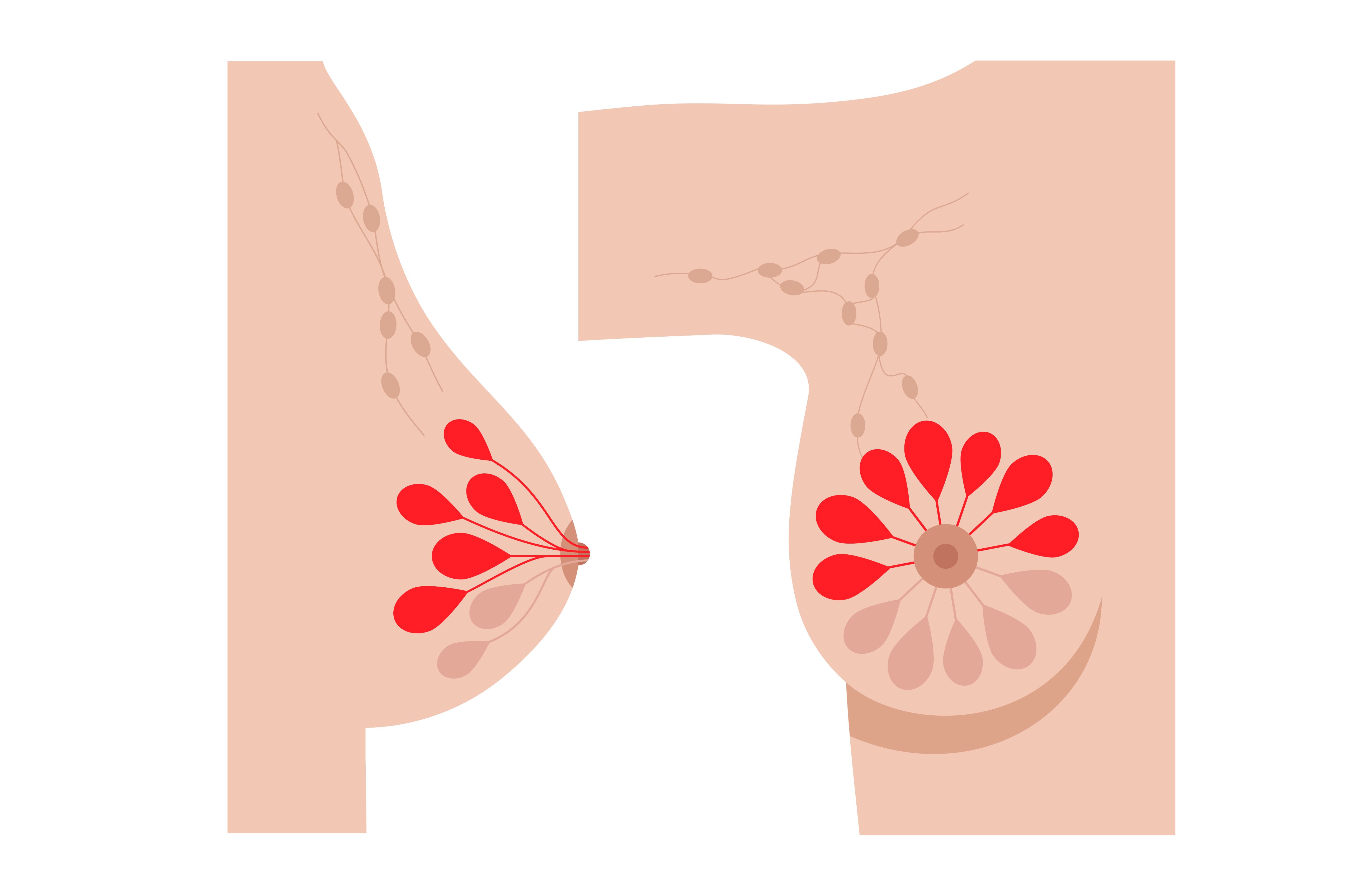
In simple terms, breast hyperplasia refers to the benign overgrowth of breast glandular tissue, often accompanied by breast pain, lumps, or discomfort. It’s not classified as a disease on its own, but rather a common physiological state that is closely related to fluctuations in female hormone levels.
Throughout the menstrual cycle, changes in estrogen, prolactin, and progesterone can cause breast connective tissue and epithelial cells to grow and regress repeatedly. When these hormones become imbalanced — especially if estrogen levels remain relatively high — breast glandular and fibrous tissues may overgrow, resulting in structural changes known as breast hyperplasia.
3 Symptoms of Breast Hyperplasia: Warning Signs to Watch Out For

1. Breast pain and lump changes
The most common symptom is breast pain, which tends to worsen before menstruation and ease afterward. The pain may be cyclical or persistent. On self-exam, you may notice lumps that vary in size and feel either soft or firm, often with unclear boundaries.
2. Nipple discharge or abnormalities
Some women may experience abnormal nipple discharge that appears clear, milky, or pale yellow. While usually painless, persistent discharge should be checked by a doctor.
3. Lumps affecting one side or radiating to the back
umps often appear in the upper outer quadrant of the breast or near the armpit. Some women feel discomfort more on one side, sometimes extending to the shoulder or back due to thickened tissue or fibrous tension.
免費體驗
B6 Bust Enhancement Treatment
1 Minute Self-Registration
Date should not be before minimal date
Three Common Breast Conditions (Including Hyperplasia) You Shouldn’t Ignore
1. Breast hyperplasia — hormone-related benign changes
A benign condition linked to hormonal fluctuations, especially common among women of reproductive age. Symptoms include breast tenderness, cyclical or persistent pain, palpable nodules or cords, and sometimes nipple discharge. While benign, atypical hyperplasia can increase the risk of breast cancer if left unchecked.
2. Breast cysts — fluid-filled sacs
Cysts are common benign sacs within the breast, often seen in women around their 40s due to degenerative tissue changes. They can be single or multiple, vary in size, and typically feel round, soft, and mobile. They may cause discomfort, especially before menstruation. Most cysts are harmless, but if they enlarge, contain bloody fluid, or become irregular, medical evaluation is necessary.
3. Breast cancer — a malignant tumor requiring early detection
The most common malignant tumor in women. Early stages often have no obvious symptoms, making early detection critical. Warning signs include hard, immovable lumps with unclear borders, nipple retraction, skin dimpling (orange peel texture), abnormal bleeding, or asymmetry in one breast. Unlike hyperplasia or cysts, breast cancer is invasive and can spread if untreated.
Causes of Breast Hyperplasia: 4 Lifestyle and Health Factors
1. Hormonal imbalance — High estrogen or low progesterone often triggers overgrowth of glandular tissue. Common during irregular cycles, hormone therapy, puberty, or menopause.
2. Stress and emotional factors — Chronic anxiety, tension, or depression disrupt hormone regulation, worsening hyperplasia.
3. Age and life stages — Puberty, pregnancy, breastfeeding, and menopause are high-risk phases due to sharp hormonal shifts.
4. Lifestyle and genetics — Poor sleep, high-fat diet, lack of exercise, and family history of breast conditions all increase risk.
How to Self-Check for Breast Hyperplasia: A 3-Step Guide
Perform self-exams once a month, ideally 3–5 days after your period, when breast tissue is least tender.
Step 1: Visual check
Stand before a mirror and look for asymmetry, dimpling, orange peel-like skin, or nipple changes.
Step 2: Palpation (standing)
• Raise one arm. Use the opposite hand to feel the breast in circular motions from outer to inner areas.
• Gently squeeze the nipple to check for discharge.
Step 3: Palpation (lying down)
Lie on your back so the breast tissue spreads out, making it easier to feel deeper lumps.
When to see a doctor:
Seek medical help if you notice:
• Persistent or worsening breast pain unrelated to your cycle
• Hard lumps with unclear borders that don’t subside after menstruation
• Bloody or coffee-colored nipple discharge
• Visible changes like skin dimpling, redness, or nipple inversion
• Swelling or tenderness in the armpit
• Family history of breast cancer and abnormal self-exam findings
Diagnostic option: Mammography can help detect small lumps, calcifications, and early-stage abnormalities.
免費體驗
B6 Bust Enhancement Treatment
1 Minute Self-Registration
Date should not be before minimal date
Medical Treatments for Breast Hyperplasia: Consult a Doctor First
If symptoms significantly affect daily life, doctors may recommend:
• NSAIDs (e.g. ibuprofen, naproxen): To relieve pain.
• Oral contraceptives: To regulate hormones and ease symptoms.
• Tamoxifen: A selective estrogen receptor modulator that suppresses tissue overgrowth. However, it has side effects and must be used under strict medical supervision.
Concerned About Breast Asymmetry? Try Perfect Medical’s B6 Breast Enhancement Treatment
Hyperplasia can sometimes lead to uneven breast size. If you’re struggling with sagging, underdeveloped, or asymmetrical breasts, Perfect Medical’s B6 Breast Enhancement Treatment offers a non-invasive, pain-free solution to restore confidence.
This treatment uses manual massage techniques to stimulate acupressure points in the breast area — no needles, no downtime, no side effects. All you need to do is lie back, relax, and enjoy the process while experiencing visible, immediate improvements in breast contour and fullness.
Book your trial session today and enjoy:
• A professional skin analysis
• Perfect Medical’s B6 Breast Enhancement Treatment
免費體驗
B6 Bust Enhancement Treatment
1 Minute Self-Registration
Date should not be before minimal date
FAQ

Can breast hyperplasia go away on its own?
Mild cases may resolve naturally, but severe ones require medical attention.
Does it require surgery?
Generally no, unless malignant changes are suspected.
Can supplements help?
Some may, but always consult a healthcare professional first.
Will it affect pregnancy?
Usually not, though consulting a doctor before pregnancy is recommended.
Can I exercise with hyperplasia?
Yes, moderate exercise can help regulate hormones and improve symptoms.