- Home
- Trend
- Weight Loss Strategies
- Acne Tips
- Hair Health Information
- Blemish Removal Tips
- Acne Scar Removal Tips
- Muscle Building Techniques
- Intimate Care Tips
- Postpartum Intimate Care
- Eye Bags Wiki
- Tips for Face Slimming
- Secret of Permanent Hair Removal
- Breast Enlargement Tips
- Cure to Snoring
- Marionette Lines
- Skin-Tightening Secrets

The harsh truth of breast injections: many women regret it — fillers can fuse into breast tissue and muscle, causing unbearable pain and sometimes even requiring breast removal!
When it comes to breast injections, most people think of hyaluronic acid. But that’s not the full story — some also contain PAAG (polyacrylamide hydrogel). Once injected, PAAG can migrate into the mammary glands or muscle, or even shift to the underarm or abdomen. This can trigger severe inflammation, fluid buildup, and excruciating pain. In many cases, surgery is needed to remove the foreign material — and sometimes the entire breast must be cut away. Here’s your quick guide to the risks behind breast injections.

Breast Injections Aren’t Just Hyaluronic Acid
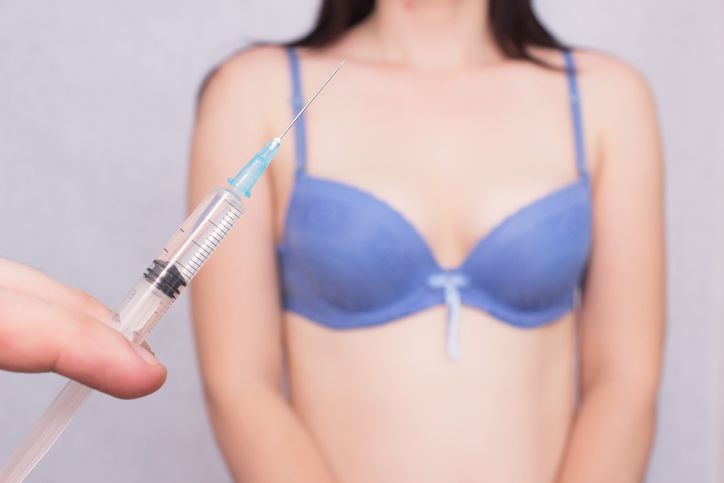
For many women, having a fuller chest is a dream. After trying breast creams, lymphatic massage, and other remedies with no results, some turn to breast injections in hopes of going up 1–2 cup sizes instantly.
But what exactly is injected into the breasts? Are the effects permanent? And what are the potential side effects and risks? Let’s break it down.
Breaking News in Hong Kong: Injection Migrated Into Muscle, Causing Severe Pain
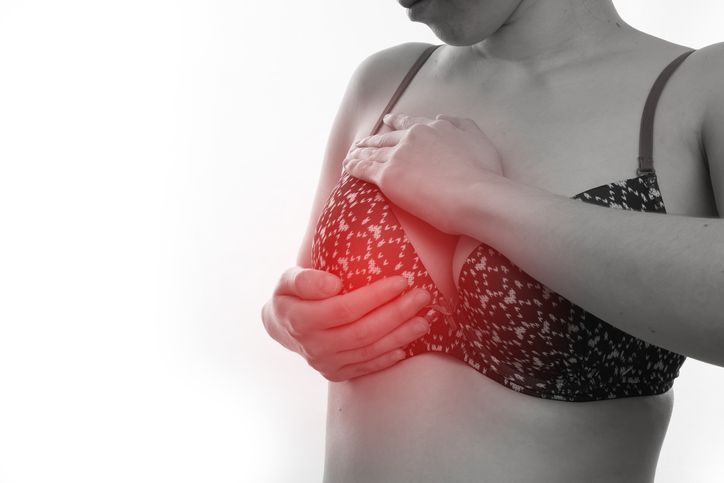
Cases of breast injection complications have been on the rise. One well-known incident involved Ms. Chan, who received injections from an unlicensed beauty clinic. Shortly afterward, she experienced extreme pain in her left breast. The staff dismissed it as “normal,” but within a week she was relying on painkillers just to cope.
An MRI later revealed that the injected material had migrated into her chest muscles. To make matters worse, the substance wasn’t the hyaluronic acid she was promised — it was actually PAAG, which carries far greater risks. Doctors urged her to undergo immediate surgery to remove the foreign material before it caused further inflammation or complications.
Sadly, Ms. Chan’s case is not unique. Many women in Hong Kong have fallen into the breast injection trap. When substances shift, or are injected into the wrong place, the results can be devastating: uneven breasts, chronic pain, severe infections — and ultimately, the need for surgery to remove the fillers.
免費體驗
B6 Bust Enhancement Treatment
1 Minute Self-Registration
Date should not be before minimal date
What Exactly Is Injected — and Does It Ever Disappear?
The materials used in breast injections vary, but the most common are:
• Hyaluronic Acid (HA): A naturally occurring substance in the human body. However, the large-molecule HA used for breast injections doesn’t last forever — it breaks down over time and is absorbed, usually within a year.
• PAAG (Polyacrylamide Hydrogel): A synthetic gel-like substance that is not absorbed by the body. It can migrate, fuse with tissue, and remain permanently inside unless surgically removed.
• Autologous Fat (Fat Transfer): Fat is taken from areas like the thighs or abdomen, then purified and injected into the breasts. While it sounds “natural,” the fat may not survive, and can calcify into hard lumps.
In short: once a foreign material is injected into the breasts, it does not simply vanish. Depending on the filler, it can either dissolve too quickly (like HA), or linger in the body permanently (like PAAG or calcified fat), often leading to complications.
Breast Injections Using Autologous Fat
One option involves using your own fat. Under general anesthesia, fat is extracted from areas like the abdomen, hips, or thighs using a long needle. After purification, the fat is injected into different layers of the breast, usually increasing cup size by about half to one cup.
Side effects & recovery: Since this involves both liposuction and injections, patients are left with multiple wounds. Long-term painkillers and antibiotics are required, and compression garments must be worn on the liposuction areas. Recovery is lengthy, and infection can lead to serious consequences.
Fat Transfer Gone Wrong: Calcified “Breast Stones”
Some influencers have publicly shared their horror stories of fat transfer. Don’t assume the injected fat will simply stay in place or be reabsorbed safely. The best-case scenario? The fat is quickly absorbed, leaving you with no visible results.
The worst-case scenario? The fat calcifies into multiple hard lumps — sometimes 10 or more “breast stones.” These must be surgically removed along with scar tissue. Not only is this costly, but it also leaves the chest uneven, with dents and irregularities. Even after multiple surgeries, the fat can calcify again, leading some women to require breast implants later on.
免費體驗
B6 Bust Enhancement Treatment
1 Minute Self-Registration
Date should not be before minimal date
Breast Injections with Hyaluronic Acid
For those who want a quick size boost, hyaluronic acid (HA) injections are heavily marketed as safe and simple. The process takes only 10–30 minutes, with immediate results.
Side effects & recovery: Since HA is naturally broken down into water and carbon dioxide, results only last about a year. It’s not recommended for breastfeeding mothers, women with a family history of breast cancer, or those with chronic illnesses. Importantly, the procedure should only ever be performed by a licensed doctor.
The Risk of Misplaced HA Injections: Vascular Blockage
HA might sound harmless, but multiple injections are required to maintain results — increasing the risk of complications. Injection wounds can become infected, leading to nodules, scar tissue, or even necrosis of breast skin.
If HA is accidentally injected into a blood vessel, it can cause blood clots, cutting off circulation to vital organs. In severe cases, this can trigger heart attacks or strokes.
PAAG / Gana Fill X Body Injections
One of the most controversial materials is PAAG, sometimes combined with HA in products like Gana Fill X Body (imported from Korea). Marketed as “semi-permanent” with no surgery required, PAAG quickly gained popularity in recent years.
But unlike HA, PAAG is not absorbed by the body. Once injected, it can shift into muscle or breast tissue, migrate to the underarm or abdomen, and trigger severe complications.
免費體驗
B6 Bust Enhancement Treatment
1 Minute Self-Registration
Date should not be before minimal date
PAAG Is Banned in China — and Hong Kong’s Health Department Warns Against It
Initially, results may look promising. But over time, many women experience hardening, deformation, or uneven breasts as PAAG moves within the body.
Surgical removal is often required, sometimes involving cutting out necrotic tissue or even part of the breast. Worse still, PAAG can leak into breast milk, making it unsafe for mothers to breastfeed.
China has already banned PAAG for cosmetic use, and Hong Kong’s Department of Health strongly advises against it.
What to Do If You Feel Pain After Breast Injections
If you’ve had breast injections and later experience stabbing pain, hard lumps, uneven swelling, or changes in size or shape, seek medical help immediately. Ultrasound or MRI scans can detect whether fillers have migrated or fused into breast tissue or muscle.
In serious cases, fluid may need to be drained, or surgery performed to remove both the injected material and damaged tissue.
Bottom line: Breast injections may promise a quick boost, but the risks are very real — and sometimes irreversible. Always think twice before taking the plunge.
Risks of Breast Injection – Multiple Revision Surgeries, a Long and Painful Journey
Breast injections are just like nose surgery—once you go under the knife or inject foreign substances into your body, you might spend a lifetime trying to fix it. Both financially and emotionally, the toll is huge. The term “breast injection” sounds more harmless and friendly compared to “rhinoplasty,” but the harm to the body is no less severe. In many cases, women are forced to have large parts of their breasts removed.
• Autologous fat injection: Fat injected into the body is easily absorbed, causing the breast-enlarging effect to disappear within a year. The fat that doesn’t get absorbed often calcifies into “breast stones.” Once calcified, surgery is required to remove them. Worse still, the remaining fat may continue to calcify, leading to repeated surgeries to remove new “stones.” Many patients eventually end up having to get silicone implants.
• Hyaluronic acid injection: The effect lasts only about one year. To avoid the embarrassment of breasts suddenly looking bigger then smaller, women must keep paying for yearly injections. But with every additional injection, the risks accumulate. A single misplaced shot can cause the substance to enter blood vessels, block them, and even lead to skin or organ necrosis.
• PAAG injections: This was once the most popular material, claimed to work together with hyaluronic acid to maintain results for up to two years while being “safe” and even stimulating collagen growth. However, PAAG has been banned in China. Even if injected correctly, it tends to migrate and integrate into tissues, forming fibroma-like masses, causing inflammation, severe breast pain, swelling, or fluid buildup. Surgical removal is the only solution, often requiring excision of infected or fused tissues. Even if PAAG does not migrate into muscle or mammary tissue, it may still form hard lumps in the breast.
免費體驗
B6 Bust Enhancement Treatment
1 Minute Self-Registration
Date should not be before minimal date
Side Effects of Breast Injections
1. Short-lived cup size increase: The effect is never permanent. At best, it lasts two years. Fat injections last the shortest—within a year, breasts often return to their original size, and the gain is usually just half to one cup at most. Too much injected fat also risks calcification. Hyaluronic acid lasts around a year, and PAAG about two.
2. Fat calcification and severe wound pain: For women using fat injections, the best outcome is when the fat is fully absorbed and simply disappears. Unfortunately, much of the fat actually dies and calcifies into stones, encapsulating necrotic fat. The liposuction wounds themselves can also be extremely painful. One patient even reported that her left breast, where PAAG had fused into the muscle, was in such pain that she needed daily painkillers.
3. Organ necrosis and death risks: The worst-case scenario is systemic infection leading to multiple organ failure. There was a case of a Chinese businesswoman who died after fat transfer breast injections due to bacterial infection spreading to her organs. Any contaminated wound, instrument, or injected substance—combined with misplacement or migration—can trigger deadly complications like thrombosis or organ failure. Even if not fatal, many women end up losing part or all of their breasts due to repeated corrective surgeries.
Who Should Avoid Breast Injections
1. Women who are pregnant or plan to breastfeed: Since PAAG may migrate and fuse with breast tissues, women who’ve undergone breast injections should not breastfeed. Furthermore, during pregnancy, breasts naturally enlarge 2–3 cup sizes due to hormonal changes, and after breastfeeding they often remain fuller by 1–2 cup sizes. This natural “second growth” is a much safer form of breast enhancement.
2. Women with poor blood clotting: Teenagers, women with anemia, poor coagulation, kidney disease, or diabetes should never attempt breast injections. The procedure creates multiple wounds, and poor clotting means excessive bleeding, internal hemorrhage, slow healing, and higher infection risks.
3. Women with heart or respiratory conditions: Fat transfer breast injections require general anesthesia, which carries its own risks of injury or death. For women with cardiovascular or respiratory issues, the danger is even greater. Many cases of patients dying on the operating table under anesthesia have been reported—it’s not worth risking your life for just one extra cup size.
4. Women with kidney or liver disease: Both organs are vital for detoxification and metabolism. For those with impaired function, breast injections can be disastrous. If complications like calcification or PAAG migration occur, multiple surgeries will be necessary, and reconstruction with implants may be unavoidable. Without strong health and immunity, the recovery will be extremely difficult and may trigger severe complications.
“Instant Cup Upgrade”? The Price Is Your Breast Health
Advertisements make breast injections sound easy, safe, and painless. Many even disguise PAAG under names like “hydrogel” or “collagen stimulator.” But think carefully: if only hyaluronic acid were injected, how could the effect last two years or more? What exactly is the foreign substance that “stimulates collagen”?
Online forums are filled with horror stories from women who regret their breast injections. Take this as a warning: never allow unknown substances to be injected into your body, never trust shady beauty salons, and never risk your health with a so-called “doctor” who may disappear the next day.
免費體驗
B6 Bust Enhancement Treatment
1 Minute Self-Registration
Date should not be before minimal date
A Friend’s Experience with Hyaluronic Acid Breast Injections – Why She Backed Out
My friend and I are both members of the “flat chest club,” but she was braver than me—she had been saving up for hyaluronic acid breast injections since high school! But in the end, she didn’t go through with it. Why?
Because, as I mentioned earlier, even when clinics advertise “hyaluronic acid,” there’s always the fear that the injection isn’t pure and may be mixed with PAAG or other unknown chemicals. Sometimes, even the staff don’t know what’s inside the syringe. Afraid of lifelong complications and endless corrective surgeries, she decided to walk away.
When she asked me if there were safer alternatives, I recommended the Perfect Medical B6 Breast Enhancement Treatment.
I had personally tried it. Having always struggled with a small chest, I was eager to test their non-invasive B6 program, which uses breast enhancement devices to stimulate acupoints and activate hormone secretion. For me, it was very effective! At the same time, I also took herbal medicine prescribed by a trusted TCM doctor, which I believe amplified the results.
It wasn’t an overnight miracle. I noticed results after about 2–3 months—my bras started fitting better, with less gapping. Unlike injections, the progress was gradual but natural, with zero side effects. Plus, I felt healthier overall—better appetite, more energy, and improved nutrient absorption, which probably also contributed to my cup increase.
I’ve since recommended it to many flat-chested friends, and they all found it helpful. If you’re considering breast enhancement, I strongly suggest trying a free trial session first instead of committing immediately. See for yourself if it works for you!
Click the link below to book! Perfect Medical now offers a special first-time trial at a limited-time discount!
免費體驗
B6 Bust Enhancement Treatment
1 Minute Self-Registration
Date should not be before minimal date
FAQ

What is a breast injection? What does it contain?
The most common substances are: Autologous fat (requires liposuction first). Hyaluronic acid. Polyacrylamide hydrogel (PAAG). This invasive procedure involves injecting these materials into the chest muscles or breast tissue, claiming to increase size by 1–2 cups.
Are there non-invasive breast injections?
No. By definition, a breast injection requires needles and invasive procedures. Any so-called non-invasive breast injection is simply a marketing gimmick, usually just creams, oils, or gels. Applying hyaluronic acid onto the skin has no effect on breast enlargement.
What are the risks and side effects?
Fat injections: carry the highest risk, since liposuction and general anesthesia are required. Risks include fat absorption (losing results), fat calcification, and multiple corrective surgeries. Hyaluronic acid: if injected improperly, it can block blood vessels, cause thrombosis, and result in tissue necrosis. PAAG: longer-lasting results but highly dangerous. It does not absorb, can migrate to other areas (even armpits or abdomen), cause inflammation, necrosis, or fluid accumulation, and requires surgical removal.
Can breast injections be reversed?
Hyaluronic acid may be dissolved with specific enzymes if caught early, but complications like necrosis require urgent medical care. Fat calcification (breast stones), PAAG, or mixed compounds require surgical removal, often along with infected or necrotic tissues. Some women lose part or all of their breasts.
What is the Perfect Medical B6 Breast Enhancement Treatment?
A non-invasive, non-surgical, drug-free, and painless treatment. It uses specialized equipment to stimulate acupoints, activate hormones, improve blood circulation, and nourish breast tissue. It helps breasts grow naturally while also correcting asymmetry, sagging, or side-breasts. Perfect Medical experts calculate your ideal proportions to give you fuller, perkier, and youthful-looking breasts.