- Home
- Trend
- Weight Loss Strategies
- Acne Tips
- Hair Health Information
- Blemish Removal Tips
- Acne Scar Removal Tips
- Muscle Building Techniques
- Intimate Care Tips
- Postpartum Intimate Care
- Eye Bags Wiki
- Tips for Face Slimming
- Secret of Permanent Hair Removal
- Breast Enlargement Tips
- Cure to Snoring
- Marionette Lines
- Skin-Tightening Secrets

Injectable breast enhancement—does it have side effects? While there are many reported success stories, concerns about complications and long-term safety remain. As one of the medical approaches to breast enlargement, injections are considered a minimally invasive alternative to surgery. Although controversial, many women still choose this method to achieve fuller curves.
In this article, we’ll break down the two common types of injectable breast fillers, what to expect after the procedure, potential risks, and finally introduce a safer, non-invasive alternative for natural breast enhancement.

How Injectable Breast Enhancement Works
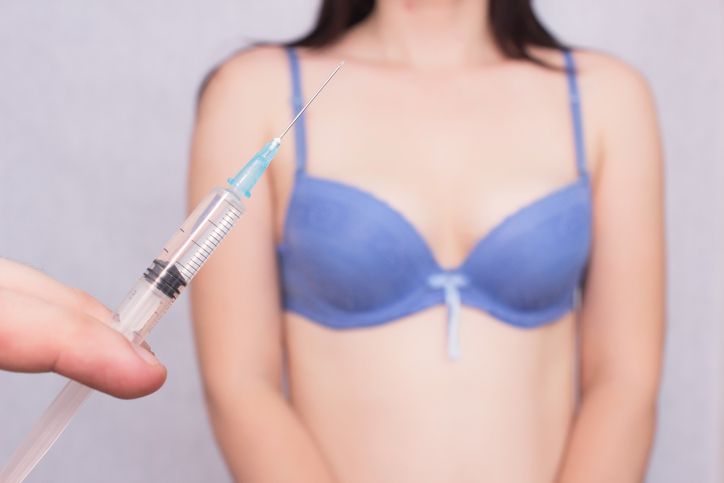
Injectable breast enhancement is a non-surgical method where fillers are injected directly into breast tissue to stimulate fat cell growth or collagen production. This creates a fuller, plumper appearance without the need for implants.
Common injectables include:
• Hyaluronic acid (HA)
• Autologous fat (your own body fat)
• Collagen
While the concept sounds straightforward, it involves injecting substances into the body—so choosing a licensed medical clinic is crucial to reduce risks.
Comparing Breast Injection Fillers: Hyaluronic Acid vs. Autologous Fat
Hyaluronic Acid Breast Injections (HA Filler)
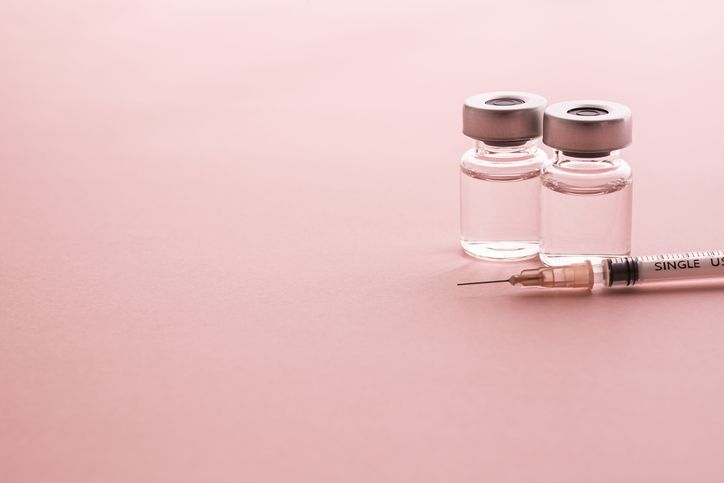
Hyaluronic acid (HA) is a naturally occurring substance in the skin and joints, known for its hydrating and volumising effects. In breast enhancement, HA is injected under the skin to create immediate fullness.
Pros:
• Quick results – noticeable improvement in 30–60 minutes.
• Minimal downtime – recovery in just a few days.
• Scar-free – only tiny injection points.
• Natural feel – soft texture, similar to natural tissue.
Cons:
• Temporary – lasts about 6–12 months.
• Costly – requires regular maintenance.
• Risk of migration – filler can shift or clump in some cases.
Best for:
• Women with a good natural breast shape needing minor enhancement.
• Those wanting a quick, non-surgical solution.
• First-timers curious to try breast fillers.
Autologous Fat Transfer (Fat Injection Breast Augmentation)
This method uses your own fat, usually harvested from the abdomen or thighs. After purification, it’s reinjected into the breasts to achieve a fuller, natural look.
Liposuction areas:
• Abdomen
• Thighs
• Other fatty regions
Injection process:
The processed fat is carefully injected into breast tissue in layers, blending with natural tissue for softness and shape.
Compression garment (post-lipo):
After liposuction, patients must wear special compression garments on treated areas to minimise swelling, tighten skin, and ensure smooth fat distribution.
Pros:
• Natural & safe – uses your own fat, no foreign materials.
• Longer-lasting – results can last years if fat survives.
• Two-in-one benefit – body contouring plus breast enhancement.
• Realistic feel – integrates with breast tissue.
Cons:
• More complex – requires liposuction and fat transfer.
• Partial absorption – some fat may not survive.
• Longer recovery – swelling, bruising, and healing needed.
• Compression wear required – must wear garments for weeks.
• Possible repeat sessions – may need touch-ups for best results.
Best for:
• Women with sufficient body fat.
• Those seeking natural, long-lasting results.
• Patients comfortable with surgery and recovery.
• Those avoiding synthetic implants or fillers.
Other Fillers: Hydrogel (Outdated & Risky)
In the past, hydrogel was used as an injectable filler. However, due to safety concerns—such as migration and hard lumps—it is now rarely used and banned in many regions.
免費體驗
B6 Bust Enhancement Treatment
1 Minute Self-Registration
Date should not be before minimal date
Risks & Side Effects of Injectable Breast Enhancement
Both HA and fat transfer injections carry risks. Careful pre- and post-treatment management is essential.
Pre-procedure precautions:
• Choose a certified medical clinic with sterile facilities.
• Undergo chest scans, blood tests, and allergy assessments.
• Discuss expectations and risks clearly with your doctor.
Post-procedure care:
• Keep the area clean and dry.
• Avoid pressure on the breasts.
• Wear supportive bras.
• Attend regular follow-ups.
Possible complications include:
• Infection & abscesses – redness, pus, or tissue necrosis.
• Bruising & bleeding – due to damaged blood vessels.
• Fat necrosis (fat transfer) – dead fat forming lumps or calcification.
• Asymmetry – uneven absorption or filler migration.
• Hard lumps & fibrosis – scar tissue formation.
• HA migration – filler shifting due to pressure or gravity.
• Breast cancer screening issues – calcifications may mimic cancer in scans.
• Rare but severe cases – fat embolism or vascular blockage, which can be fatal.
A Safer, Non-Invasive Alternative: Perfect Medical B6 Breast Enhancement Treatment
If you’re looking for a safer and pain-free way to boost your cup size, consider the Perfect Medical B6 Breast Enhancement Treatment.
Unlike injections or implants, this method involves:
• Hands-on massage techniques stimulating acupressure points.
• A relaxing, spa-like experience with no pain or downtime.
• Visible improvement in sagging, asymmetry, flat chest, or side breast issues.
• Long-lasting effects with no wounds, no scarring, and no recovery period.
Just lie back, relax, and enjoy—safe enhancement with natural results. Book now to enjoy a professional skin analysis + Perfect Medical B6 treatment trial.
免費體驗
B6 Bust Enhancement Treatment
1 Minute Self-Registration
Date should not be before minimal date
FAQ

Does injectable breast enhancement hurt?
Slight stinging during injection, but generally tolerable.
How long is recovery?
HA injections: a few days. Fat transfer: 1–2 weeks.
Can I breastfeed after breast injections?
Not recommended during breastfeeding.
How long does HA last?
Around 6–12 months.
How much fat is absorbed in fat transfer?
Fat survival varies—typically 50–70%.