- Home
- Trend
- Weight Loss Strategies
- Acne Tips
- Hair Health Information
- Blemish Removal Tips
- Acne Scar Removal Tips
- Muscle Building Techniques
- Intimate Care Tips
- Postpartum Intimate Care
- Eye Bags Wiki
- Tips for Face Slimming
- Secret of Permanent Hair Removal
- Breast Enlargement Tips
- Cure to Snoring
- Marionette Lines
- Skin-Tightening Secrets

Facial redness is a common skincare concern that many people face daily. From flushed cheeks to an all-over red complexion, it not only affects your appearance but may also signal that your skin is in distress. Many assume redness means an allergic reaction, but the causes are often far more complex.
In this article, we’ve combined insights from dermatologists and skincare experts to break down the 8 most common causes of facial redness, and share 7 practical solutions ranging from daily care tips to professional treatments. Discover how to restore balance and achieve healthy, radiant skin — and don’t miss the exclusive skincare treatment offer at the end!

Why Is My Face Red? 8 Common Causes of Facial Redness
Facial redness can arise from a mix of physiological, environmental, and skin-related factors — it’s rarely caused by a single issue. Understanding what’s behind your redness is the first step to calming it effectively.
Cause 1: Sudden Temperature Changes
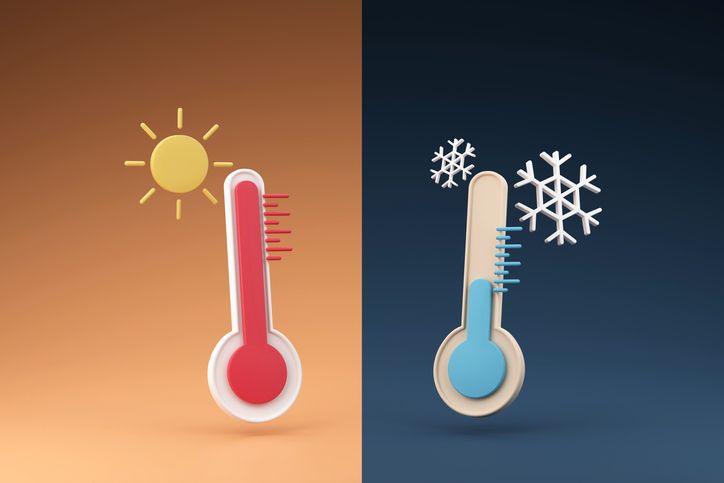
Environmental shifts are one of the most common causes of temporary redness. When your skin moves from a cold outdoor environment into a warm indoor space, blood vessels dilate rapidly to regulate body temperature, causing your cheeks to flush and feel warm. Likewise, moving from warm to cold settings can also trigger short-term discomfort or redness.
Cause 2: Sun Exposure
UV rays are a leading cause of facial redness. Both UVA and UVB damage the skin’s outer layer, leading to sunburn or sun-triggered irritation. This type of redness is often accompanied by heat, stinging, or dryness — your skin’s way of sounding the alarm.
Cause 3: Dehydrated, Dry Skin
When the skin lacks moisture, its natural barrier weakens, leaving it vulnerable to irritation. A compromised barrier makes your skin more reactive to external stimuli, resulting in redness, itchiness, and discomfort.
Cause 4: Clogged Pores
Excess sebum and dead skin buildup can clog pores and trigger inflammation. This inflammation not only causes acne but also contributes to visible redness across the face.
Cause 5: Acne
Acne is an inflammatory skin condition that can leave affected areas red and irritated. When breakouts worsen, redness becomes more pronounced and may linger as post-acne marks.
Cause 6: Lack of Moisture
Adequate hydration is essential for maintaining a strong skin barrier. When moisture levels drop, your skin becomes fragile and more prone to redness or irritation from external stressors.
Cause 7: Sensitive Skin
Sensitive skin types have naturally weaker barriers and react easily to temperature changes, certain skincare ingredients, or environmental triggers. This often manifests as flushed cheeks, stinging, or discomfort.
Cause 8: Diet and Emotions
Spicy food, alcohol, and emotional fluctuations can temporarily dilate facial blood vessels, causing short-lived redness that fades once the trigger subsides.
What Does Facial Redness Look and Feel Like?
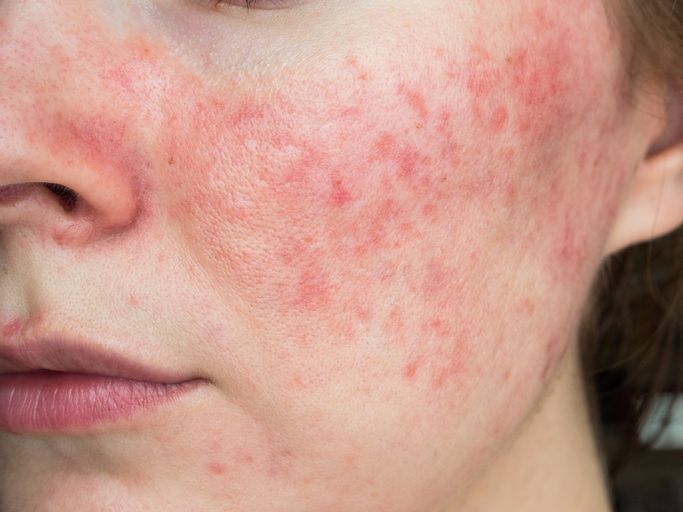
Facial redness is often accompanied by other symptoms that indicate irritation or barrier damage. Recognizing these signs helps you understand your skin’s condition:
• Red patches or blotches on the cheeks, forehead, or chin
• Warmth or burning sensation, similar to mild sunburn
• Itching or dryness, caused by moisture loss and irritation
• Flaking or peeling, especially in severe dryness or sensitivity
免費體驗
Acne Treatment
1 Minute Self-Registration
Date should not be before minimal date
Skin Allergy vs. Sensitive Skin — What’s the Difference?
Many people confuse allergies with sensitive skin, but they are not the same. Here’s how to tell them apart:
1. Skin Allergy
A skin allergy occurs when the immune system overreacts to allergens such as pollen, dust mites, seafood, or certain skincare ingredients. The skin may swell, itch, or develop hives. Allergic reactions are reversible and typically improve when exposure stops or with appropriate medication.
2. Sensitive Skin
Sensitive skin is a skin condition or type, not a disease. It’s caused by a weak or damaged barrier that reacts easily to external factors, leading to redness, burning, or stinging. Managing sensitive skin requires long-term gentle care and consistent hydration to strengthen the barrier.
Emergency Remedies for Redness: 5 Soothing Solutions for Sensitive Skin
When facial redness flares up suddenly, identifying the cause is important — but knowing how to calm it is even more crucial. Here are 5 practical emergency tips to relieve redness and prevent it from worsening:
1. Avoid Prolonged Sun Exposure
Gentle cleansing is the first step to calming red skin. Use mild, non-irritating cleansers and avoid over-exfoliating or using harsh formulas. Keep water lukewarm (around 25–30°C) to prevent dilating blood vessels further.
2. Stay Away from Allergens
UV exposure is one of the main triggers of redness. Always apply a gentle, physical (mineral) sunscreen before going out, and use hats or umbrellas to shield your skin.
3. Choose Anti-Redness Skincare
If you suspect an allergic reaction, stop all new skincare products immediately and review anything you’ve recently used. If symptoms persist, consult a dermatologist to identify the allergen.
4. Gentle Cleansing Comes First
Opt for skincare products that contain soothing and repairing ingredients such as licorice root extract, chamomile, or centella asiatica (Cica). These help calm inflammation, reduce redness, and relieve discomfort.
5. Simplify Your Routine
During sensitivity flare-ups, keep your skincare minimal — just cleansing, moisturizing, and sun protection. Avoid layering multiple actives or fragranced products to reduce irritation and give your skin time to recover.
Choosing Products for Red or Sensitive Skin — 3 Key Tips & 6 Recommended Ingredients
The right skincare can make all the difference when treating redness. Keep these three rules and six key ingredients in mind when choosing products:
3 Key Tips
1. Mild and Non-Irritating – Avoid alcohol, fragrances, dyes, fruit acids, and salicylic acid. These can damage the skin barrier and worsen redness. Choose products labeled “for sensitive skin.”
2. Soothing and Anti-Inflammatory – Look for calming ingredients that reduce heat, stinging, and inflammation.
3. Hydrating and Moisturizing – Hydration helps restore your barrier and keeps skin soft and resilient.
6 Recommended Ingredients
1. Licorice Root Extract — Powerful anti-inflammatory that blocks redness and calms irritation at the source. Ideal for inflamed or reactive skin.
2. Chamomile — A natural calming agent known for its soothing and anti-allergy effects. Great for sensitive or sun-exposed skin.
3. Aloe Vera — Rich in polysaccharides, aloe hydrates and cools the skin while reducing redness from dryness or sunburn.
4. Centella Asiatica (Cica) — Promotes collagen production and repairs damaged barriers, strengthening skin resilience.
5. Hyaluronic Acid — Deeply hydrates and locks in moisture to relieve dryness-induced redness.
6. Edelweiss — Packed with antioxidants that protect the skin from environmental stress while providing gentle soothing care.
免費體驗
Acne Treatment
1 Minute Self-Registration
Date should not be before minimal date
Redness and Acne Flare-Ups? Your Skin Is Sending a Warning! Try the Perfect Medical Acne Treatment
If your redness is linked to acne, a targeted treatment can help address both issues at once.
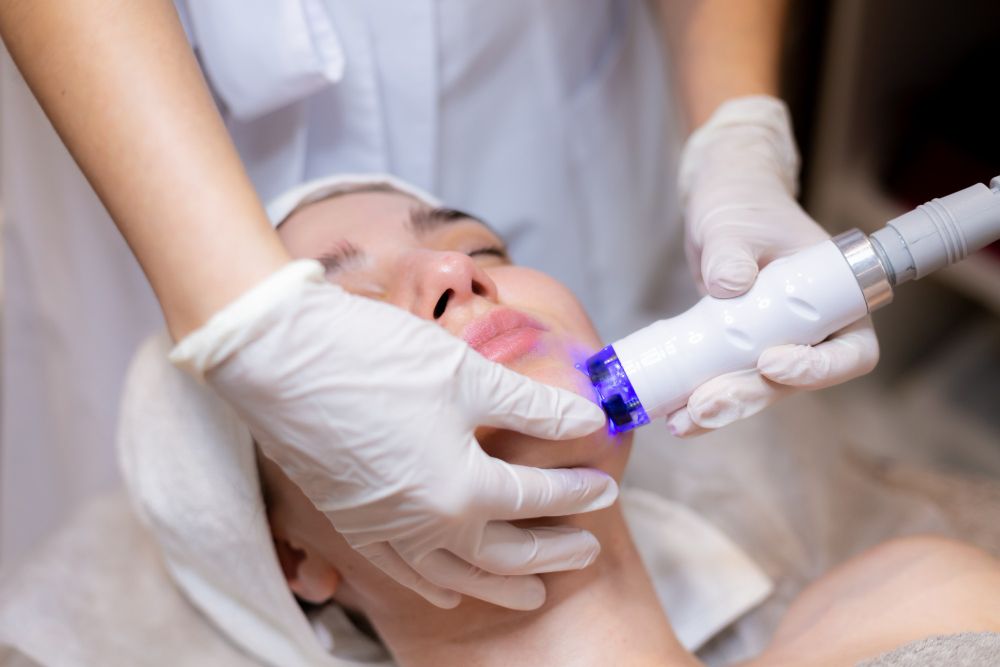
Perfect Medical’s Acne Treatment uses advanced vacuum microdermabrasion to gently and painlessly remove dead skin cells, restoring smoother, refined texture. Combined with a purifying serum infusion, the treatment deeply nourishes the skin, balances oil production, clears pores, and dissolves blackheads.
With strong penetration technology and vacuum suction, active ingredients are delivered deep into the skin to trigger collagen repair and regeneration, improving inflamed, rough, or acne-prone areas. The result? Softer, smoother, healthier skin from within.
This all-in-one treatment targets acne, blackheads, and cystic breakouts — perfect for anyone struggling with persistent redness or irritation. Enjoy a Free Trial of the Perfect Medical Acne Treatment — Limited Slots Available!
免費體驗
Acne Treatment
1 Minute Self-Registration
Date should not be before minimal date
FAQ

1. Can I use a face mask if my skin is red?
Yes, but choose masks with simple, hydrating, and soothing formulas. Avoid exfoliating, brightening, or complex ingredient masks to prevent irritation.
2. How do I tell redness apart from rosacea?
Redness is a symptom, while rosacea is a chronic condition that often affects the cheeks, nose, forehead, and chin, sometimes with visible blood vessels or bumps. Persistent redness should be checked by a dermatologist.
3. Can I wear makeup if my skin is red?
It’s best to avoid makeup during flare-ups, but if necessary, use gentle, non-comedogenic, fragrance-free base products and remove them thoroughly afterward.
4. What ingredients should I avoid with redness-prone skin?
Avoid alcohol, fragrance, dyes, fruit acids, and salicylic acid — they can disrupt your barrier and worsen irritation.
5. Why does my face get redder in cold weather?
Cold temperatures constrict facial blood vessels, which then rapidly expand in warmth — this sudden change causes temporary redness and heat, a normal physiological response that usually fades on its own.