- Home
- Trend
- Weight Loss Strategies
- Acne Tips
- Hair Health Information
- Blemish Removal Tips
- Acne Scar Removal Tips
- Muscle Building Techniques
- Intimate Care Tips
- Postpartum Intimate Care
- Eye Bags Wiki
- Tips for Face Slimming
- Secret of Permanent Hair Removal
- Breast Enlargement Tips
- Cure to Snoring
- Marionette Lines
- Skin-Tightening Secrets

Acne-fighting foods are a go-to secret for many who struggle with breakouts. You might have heard that to prevent acne, you should watch your diet and eat more fruits and vegetables. In fact, dietary habits are closely linked to acne. Many people assume skincare products alone are enough to improve acne, but internal health is just as important. This article delves into how diet affects your skin from a nutritionist’s perspective and provides a list of 11 acne-fighting foods along with 6 key nutrients. By eating the right foods, you can improve acne from the inside out and regain clear, healthy skin! Plus, stay tuned for an exclusive acne treatment offer at the end.

What to Eat for Acne? Nutritionist Recommends 11 Acne-Fighting Foods
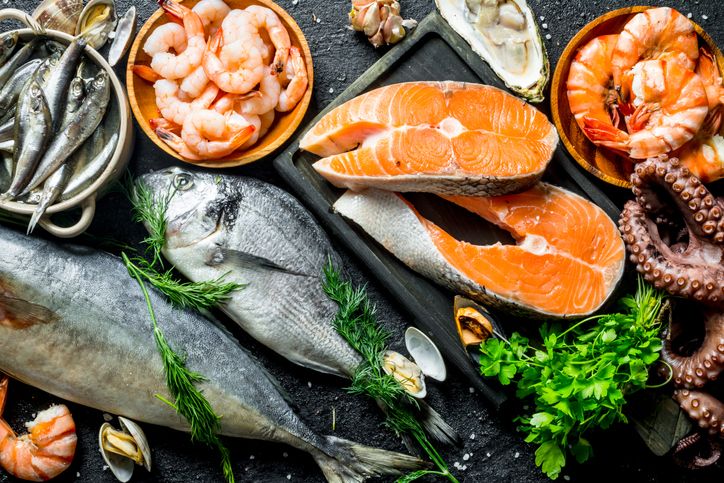
Improving acne isn’t just about skincare—healthy eating habits are fundamental. Here are 11 acne-fighting foods recommended by nutritionists. Packed with nutrients essential for skin health, they help balance your skin from within and reduce acne breakouts.
1. Deep-sea Fish
Salmon, mackerel, and other deep-sea fish are rich in Omega-3 fatty acids, a powerful natural anti-inflammatory. Omega-3 can reduce internal inflammation, easing redness and pain from acne, especially effective for inflammatory acne.
2. Chia Seeds
Chia seeds are not only rich in Omega-3 but also high in dietary fiber, which promotes digestion and detoxification. This helps improve acne caused by poor gut health. They also stabilize blood sugar, reducing excess sebum production triggered by blood sugar fluctuations.
3. Nuts
Nuts like walnuts and almonds contain Omega-3, vitamin E, and zinc. Vitamin E is a potent antioxidant that protects skin cells from free radical damage, while zinc regulates hormones and inhibits acne-causing bacteria.
4. Prebiotic & Probiotic Foods
Gut health is closely linked to skin health. Foods like yogurt and kimchi contain probiotics that balance gut microbiota, reduce systemic inflammation, and positively affect acne. A healthy gut also enhances nutrient absorption, improving overall skin condition.
5. Berries
Blueberries, strawberries, and other berries are packed with vitamin C and antioxidants, which combat free radicals and promote collagen production, aiding skin repair. Vitamin C also helps fade acne marks and scars.
6. Cruciferous Vegetables
Broccoli, cauliflower, and other cruciferous vegetables are rich in vitamins A and C, as well as dietary fiber. Vitamin A regulates skin cell growth, reduces excess keratinization, and prevents clogged pores, helping to prevent acne.
7. Olive Oil
Olive oil is rich in monounsaturated fats, which help reduce inflammation and provide healthy fats to maintain skin barrier function, minimizing redness from inflammation.
8. Avocado
Avocado contains vitamin E, vitamin C, and healthy fats. Vitamin E offers antioxidant protection, aiding skin repair, while healthy fats keep the skin hydrated and prevent dryness-related breakouts.
9. Green & Yellow Vegetables
Spinach, tomatoes, and carrots are rich in vitamins and antioxidants. Vitamin A and carotenoids regulate sebum production, reducing acne formation.
10. Antioxidant-Rich Foods
Foods like tomatoes and green tea are high in antioxidants, combating free radicals, reducing cellular damage, and soothing inflammation—essential for overall skin health.
11. Citrus Fruits
Lemons, oranges, and other citrus fruits are high in vitamin C, promoting collagen synthesis and aiding skin repair. Vitamin C is also effective in lightening acne marks and scars.
6 Key Nutrients to Target Acne from Within
Besides eating acne-fighting foods, understanding and supplementing these six essential nutrients can help address acne at its root and improve overall results.
1. Vitamin C
Vitamin C is a powerful antioxidant that protects skin from free radical damage and reduces inflammation. It’s also essential for collagen synthesis, helping repair damaged skin tissue and fading acne scars, restoring smooth, healthy skin.
2. Vitamin A
Vitamin A is crucial for skin cell growth and differentiation. It regulates sebum production, reduces excess oil, and prevents clogged pores. Its derivatives, like retinoids, are commonly used by dermatologists to treat acne. Sources include carrots, sweet potatoes, and spinach.
3. Zinc
Zinc is highly beneficial for acne-prone skin. It regulates hormones, reduces excessive sebum production, has anti-inflammatory and antibacterial properties, and promotes skin repair. Sources include oysters, pumpkin seeds, and cashews.
4. Water
Adequate hydration supports all bodily functions, including skin health. Drinking water helps flush toxins, maintain skin hydration, and prevent excessive oil production. Balanced hydration reduces acne occurrence.
5. Omega-3 Fatty Acids
Omega-3s are natural anti-inflammatories. They reduce internal inflammation, alleviating redness and pain from acne. Foods rich in Omega-3, such as deep-sea fish, chia seeds, and walnuts, help fight inflammatory acne from within.
免費體驗
Acne Treatment
1 Minute Self-Registration
Date should not be before minimal date
Foods That Trigger Acne: 6 Types to Avoid
Besides eating acne-fighting foods, avoiding “acne-promoting” foods is crucial. Certain foods increase inflammation and oil production, worsening acne. Nutritionists recommend avoiding these six types:
1. High-GI / Refined Carbs
High-glycemic foods spike blood sugar, triggering insulin surges. This increases insulin-like growth factor, stimulating sebum production and clogging pores. Avoid white bread, cakes, white rice, and sugary drinks.
2. Dairy Products
Milk, especially skim milk, can worsen acne. Whey protein and growth factors in dairy may stimulate insulin and hormone changes, exacerbating breakouts. Some people see improvement when eliminating dairy.
3. Highly Seasoned Foods
High-salt foods can burden the body, slow metabolism, and worsen acne. Excess salt may also increase inflammation.
4. Alcohol
Alcohol impairs immunity, intensifies inflammation, dilates blood vessels, and can make skin look red and swollen. It also affects sleep, which can trigger acne.
5. High-Fat Foods
Fried foods, fries, and chocolate can directly stimulate sebum production, clog pores, and lack skin-beneficial nutrients.
6. “Heating” Foods (According to TCM)
Spicy, fried, grilled foods, and red meats may increase the body’s “heat,” worsening acne. While modern science hasn’t confirmed this, such foods can increase inflammation risk.
4 Simple Acne-Fighting Recipes
Improving acne isn’t just about knowing what to eat—it’s about incorporating these foods into daily meals. Here are four simple, anti-inflammatory recipes to help you combat acne from within.
1. Avocado & Salmon Salad
• Ingredients: Smoked salmon, avocado, mixed greens (arugula, spinach), chia seeds, lemon juice, olive oil
• Method: Mix all ingredients, drizzle with lemon juice and olive oil
• Benefits: Rich in Omega-3s for anti-inflammatory effects. Avocado’s healthy fats and vitamin E boost antioxidant protection
2. Berry Yogurt Oat Cup
• Ingredients: Unsweetened yogurt, mixed berries, oats, small amount of chia seeds
• Method: Layer oats and chia seeds in a cup, then yogurt and berries. Chill for several hours or overnight
• Benefits: Berries provide vitamin C and antioxidants, promoting collagen and repairing acne marks. Yogurt’s probiotics improve gut health and reduce breakouts
3. Stir-Fried Broccoli with Pumpkin Seeds
• Ingredients: Broccoli, pumpkin seeds, garlic, olive oil
• Method: Blanch broccoli, sauté garlic in olive oil, add broccoli and pumpkin seeds, season lightly
• Benefits: Broccoli provides vitamins A & C to regulate skin cells. Pumpkin seeds are rich in zinc, inhibiting acne bacteria
4. Carrot & Apple Juice
• Ingredients: Carrots, apples, lemon (optional)
• Method: Blend all ingredients, add lemon to taste
• Benefits: Packed with vitamins A & C and antioxidants to fight inflammation, repair skin, and fade acne scars
5 Main Causes of Acne
Acne is caused by multiple factors. To effectively improve acne, it’s essential to address root causes beyond diet:
1. Excess Oil Production
Overactive sebaceous glands mix oil with dead skin cells, clogging follicles and forming blackheads, creating an ideal environment for acne bacteria and inflammation.
2. Hormonal Changes
Hormonal fluctuations during puberty, menstruation, or pregnancy stimulate oil production, worsening acne. Stress also affects hormones, triggering breakouts.
3. Improper Cleansing
Over-cleansing damages the skin barrier, making skin dry and prompting excess oil production. Inadequate cleansing leaves residue that clogs pores. Using salicylic-acid-containing cleansers can help improve skin.
4. Stress / Poor Sleep
High stress or insufficient sleep affects hormones and immunity, making acne more likely and harder to heal. Adequate sleep is crucial for overall skin health.
5. Poor Diet
High-GI, high-fat, and sugary foods stimulate insulin and hormone activity, increase sebum, and worsen acne. Poor diet also harms gut health, increasing systemic inflammation reflected on skin.
免費體驗
Acne Treatment
1 Minute Self-Registration
Date should not be before minimal date
When Diet Isn’t Enough: Acne Treatment
Acne-fighting foods work gradually. If breakouts persist, targeted treatments like the Acne Treatment may help.
Perfect Medical’s Acne Treatment uses painless, non-invasive techniques: deep anti-inflammatory and antibacterial action, sebum regulation, and rapid collagen repair. Its exclusive infusion formula unclogs pores, dissolves blackheads, and treats mask-related acne in one session. It’s effective for most acne types, including cystic, stress-induced, hormonal, comedonal acne, large pores, and milia.
Vacuum Dermabrasion Technology gently removes dead skin, while the infusion formula delivers nutrients deep into the skin, balancing oil, unclogging pores, and dissolving blackheads effectively.
免費體驗
Acne Treatment
1 Minute Self-Registration
Date should not be before minimal date
FAQ

1. Will spicy food cause acne?
Spicy food doesn’t directly cause acne, but it can increase blood flow, heat, and sweat, potentially worsening inflammation. Traditional Chinese medicine suggests spicy foods may aggravate acne.
2. Will sugar always cause acne?
Not necessarily, but high-sugar, high-GI foods stimulate insulin, increasing oil production and worsening acne. Reduce sugary and refined carb intake to manage breakouts.
3. How to know if I’m sensitive to dairy?
Try eliminating dairy for a period. If acne improves, you may be sensitive. Consult a dermatologist or nutritionist for guidance.
4. How long to see results from acne-fighting foods?
Dietary improvements take weeks to months. Long-term commitment to healthy eating is necessary to see stable skin improvements.
5. Other than diet, how to improve acne?
Combine proper skincare, sufficient sleep, exercise, and stress management. Consult a dermatologist for professional treatment if needed.