- Home
- Trend
- Weight Loss Strategies
- Acne Tips
- Hair Health Information
- Blemish Removal Tips
- Acne Scar Removal Tips
- Muscle Building Techniques
- Intimate Care Tips
- Postpartum Intimate Care
- Eye Bags Wiki
- Tips for Face Slimming
- Secret of Permanent Hair Removal
- Breast Enlargement Tips
- Cure to Snoring
- Marionette Lines
- Skin-Tightening Secrets

Looking for a dermatologist specializing in acne treatment? Before consulting a doctor, it’s helpful to understand why acne forms and why skin sometimes resembles the surface of the moon.
Whether it’s facial or back acne, acne occurs when inflammation combines with excess oil and dirt, triggering an infection response.
Here, we introduce Dr. Hu Huifu, a local male dermatologist, and his recommended methods to relieve and treat acne, along with 4 common acne skin problems. At the end, there’s a secret solution that can tackle both acne and pitted scars!

Dermatologist’s Breakdown: 4 Key Acne Problems
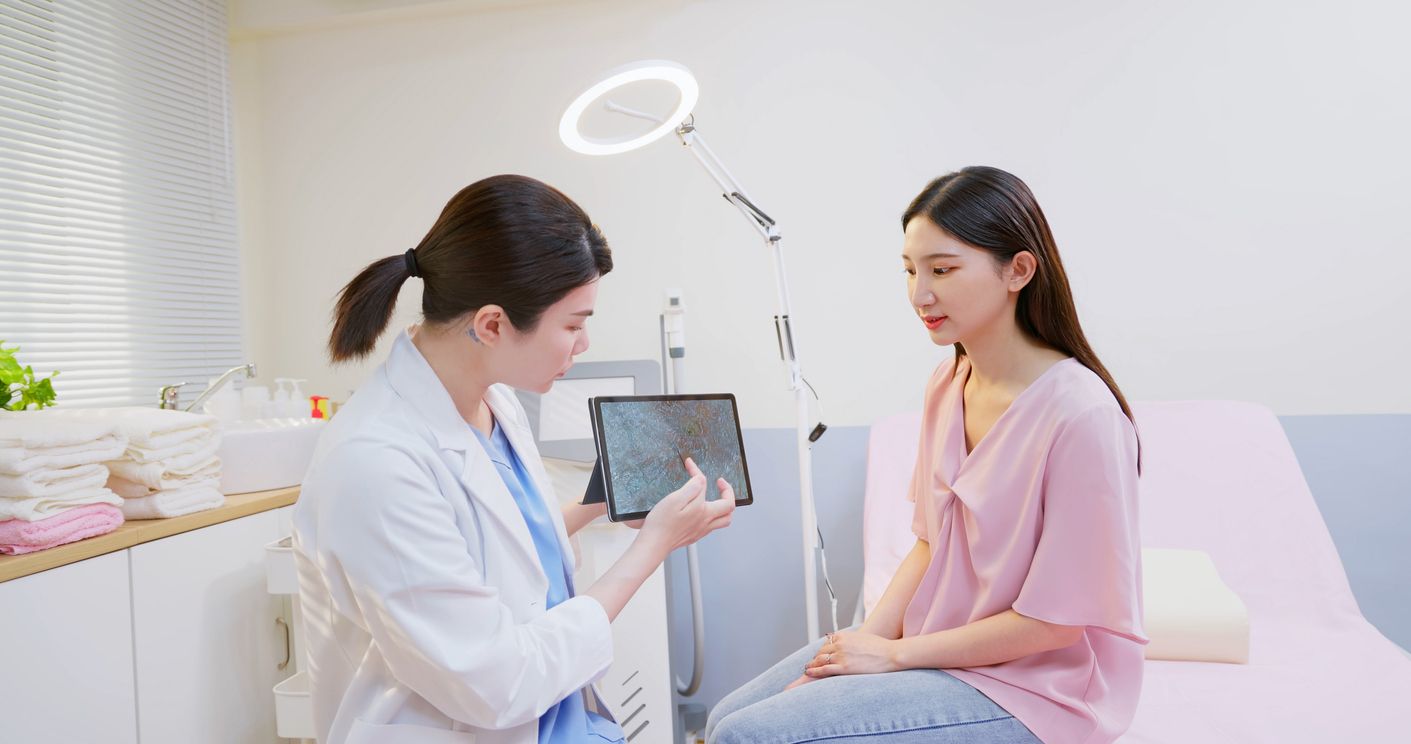
Based on acne type and severity, dermatologists usually classify acne into four main categories:
1. Comedones
Comedones are non-inflammatory acne, commonly appearing in the T-zone, and represent the earliest stage of acne. There are two forms:
• Whiteheads (Closed Comedones): Sebum is trapped inside the pore, forming small white bumps without an opening.
• Blackheads (Open Comedones): Pore openings are exposed to air, causing sebum oxidation and black dots. Usually non-inflammatory, but if untreated, they can progress to inflammatory acne.
2. Papules
Mildly inflamed acne appearing as small red, raised bumps. Slightly painful to touch, indicating inflammation in the pore, but no pus has formed yet.
3. Pustules
Moderate inflammatory acne with white pus at the center and red swelling around it. If squeezed incorrectly, it may leave pigmentation or pitted scars.
4. Nodules / Cysts
Severe acne, usually larger and deeper, feeling firm under the skin with significant pain and inflammation. Healing takes longer, and scars or pits are common. Dermatologist intervention is recommended.
6 Major Causes of Acne: Hormonal Imbalance Included
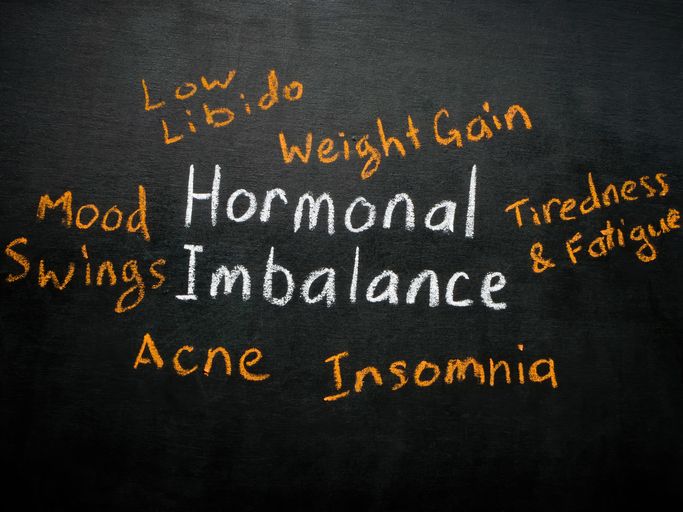
1. Excess Sebum and Clogged Pores
Sebaceous glands produce oil to protect skin, but overproduction—especially during puberty or in oily skin—mixes with dead skin cells, blocking pores and forming comedones.
2. Abnormal Keratin Metabolism
If keratinocytes don’t shed properly, debris accumulates at pore openings, causing blockages and worsening inflammation.
3. Propionibacterium acnes (P. acnes) Infection
These bacteria thrive on sebum. When pores are clogged, they multiply, triggering immune responses, redness, pain, and forming papules, pustules, or nodules.
4. Hormonal Imbalance and Endocrine Issues
Testosterone or androgen-estrogen imbalance can increase sebum production. Acne outbreaks often appear during puberty, premenstrual periods, or stress. Conditions like PCOS may cause long-term hormonal disruption.
5. Acne on Back and Body
The back has dense sebaceous glands, and wearing non-breathable clothing or sweating can block pores, promoting bacterial growth and inflammation, often worsening after exercise or in humid weather.
6. Diet and Lifestyle
High sugar, high fat, or dairy intake can stimulate sebum production. Irregular sleep, stress, and poor lifestyle habits disrupt hormones and skin repair, causing recurrent acne.
免費體驗
Acne Treatment
1 Minute Self-Registration
Date should not be before minimal date
Dermatologist Acne Treatment Strategies: Topical vs Oral Medications
Topical Treatments: Mild to Moderate Acne
Common first-line options include:
• Topical Retinoids (Tretinoin, Adapalene): Promote cell turnover, unclog pores, reduce oil. Use sunscreen during the day to prevent photosensitivity.
• Benzoyl Peroxide: Antibacterial and anti-inflammatory; effective for pustules and papules.
• Topical Antibiotics (Clindamycin, Erythromycin): Reduce local bacterial infection and inflammation.
• Azelaic Acid: Anti-inflammatory, oil-regulating, and pigment-fading; gentle on sensitive skin.
• Salicylic Acid: Penetrates pores to remove oil and dead cells; improves comedones and mild inflammatory acne.
Oral Treatments: Moderate to Severe or Recurrent Acne
When topical treatments are insufficient, oral medications may be prescribed:
• Oral Antibiotics (Doxycycline, Minocycline): Suppress bacteria and inflammation, often used with topical treatments. Sun protection is important.
• Oral Isotretinoin: Targets severe acne by reducing sebum production and improving pore structure. Side effects include dry lips/skin, mood changes, and requires strict contraception in women due to teratogenicity.
• Oral Contraceptives: Useful for acne caused by female hormonal imbalance (e.g., PCOS), helping regulate sebum and inflammation.
Common Cosmetic Procedures for Acne
1. AHA Chemical Peels – Gently remove dead skin, unclog pores, and improve mild acne; follow up with hydration and sun protection.
2. Mandelic Acid Peels – Mild exfoliation, oil control, pigmentation reduction; suitable for sensitive or inflamed acne.
3. Laser Therapy – Specific wavelengths kill P. acnes, reduce inflammation, and promote skin repair. Improves papules, pustules, and acne scars; mild redness may occur post-treatment.
4. Advanced Laser Therapy (e.g., Pulsed Dye, IPL, Fractional) – Penetrates dermis to suppress sebaceous activity, suitable for moderate to severe acne, recurrent breakouts, or enlarged pores. Skin may temporarily redden or peel.
5. Photodynamic Therapy (PDT) – For moderate to severe acne unresponsive to traditional methods; applies photosensitizer then light to kill bacteria, shrink sebaceous glands, and reduce inflammation. Skin becomes photosensitive post-treatment.
6. Microneedling – Creates micro-injuries to stimulate collagen for acne scars and pigmentation. Avoid irritants, maintain hydration and sun protection.
No Need for a Dermatologist! Easy Acne & Scar Solution
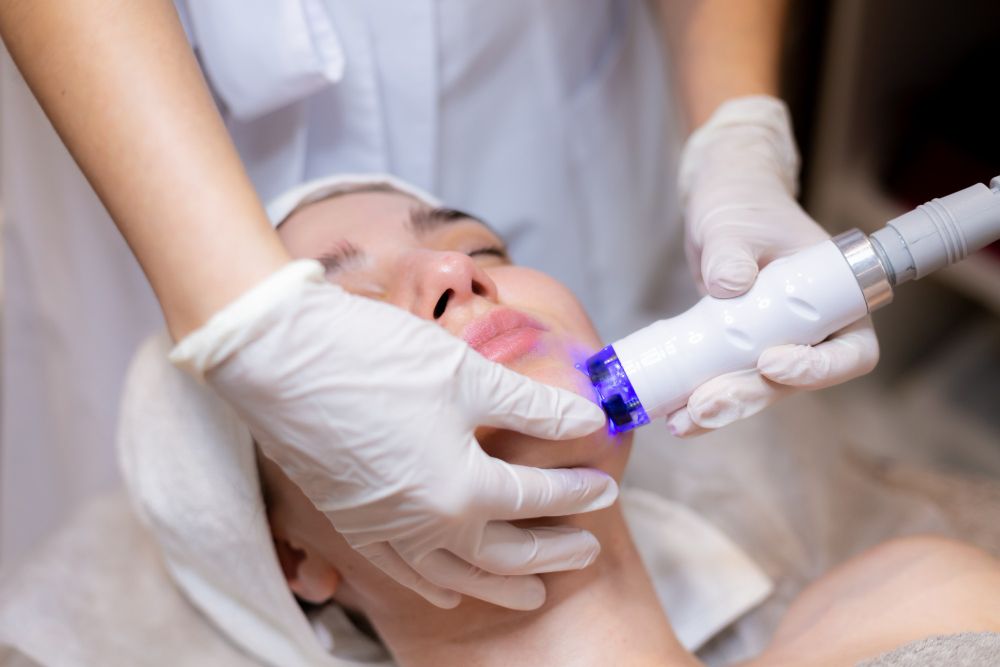
You don’t always need a dermatologist for persistent acne. For oily, acne-prone skin, try Perfect Medical Acne Treatment.
• Non-invasive and painless, no downtime required.
• Addresses acne, acne scars, blackheads, comedones, pits, large pores, dehydration, and dull skin.
• Uses patented dual-spiral suction + vacuum microdermabrasion, unclogging pores, balancing oil and water, reducing inflammation, and introducing serums to boost collagen and skin texture.
Sign up now for your professional skin analysis + Perfect Medical Acne Treatment!
Instant Booking: Acne Treatment免費體驗
Acne Treatment
1 Minute Self-Registration
Date should not be before minimal date
FAQ

1. Can acne be completely cured?
No, but it can be controlled through treatment and prevention.
2. Will acne heal on its own?
Mild acne may self-heal, but severe acne requires treatment.
3. Which foods trigger acne?
High sugar, oily, or spicy foods may exacerbate acne.
4. Will squeezing acne leave scars?
Yes, squeezing can cause infection, worsen inflammation, and leave scars.
5. How to remove acne marks?
Medical treatments like lasers or microneedling can reduce acne marks.