- Home
- Trend
- Weight Loss Strategies
- Acne Tips
- Hair Health Information
- Blemish Removal Tips
- Acne Scar Removal Tips
- Muscle Building Techniques
- Intimate Care Tips
- Postpartum Intimate Care
- Eye Bags Wiki
- Tips for Face Slimming
- Secret of Permanent Hair Removal
- Breast Enlargement Tips
- Cure to Snoring
- Marionette Lines
- Skin-Tightening Secrets

Enlarged pores are a common skincare concern — not just for oily skin types. Regardless of skin type, everyone dreams of achieving refined, poreless skin. There are many reasons pores can appear larger, and in some cases, those visible cheek “pores” might actually be lingering acne scars.
Let’s break down 6 causes of enlarged pores, followed by 3 dermatologist-recommended treatments and skincare tips. And at the end, discover a secret weapon to help you achieve that smooth, makeup-free, “boiled-egg” glow!

Before You Treat It — 6 Main Causes of Enlarged Pores
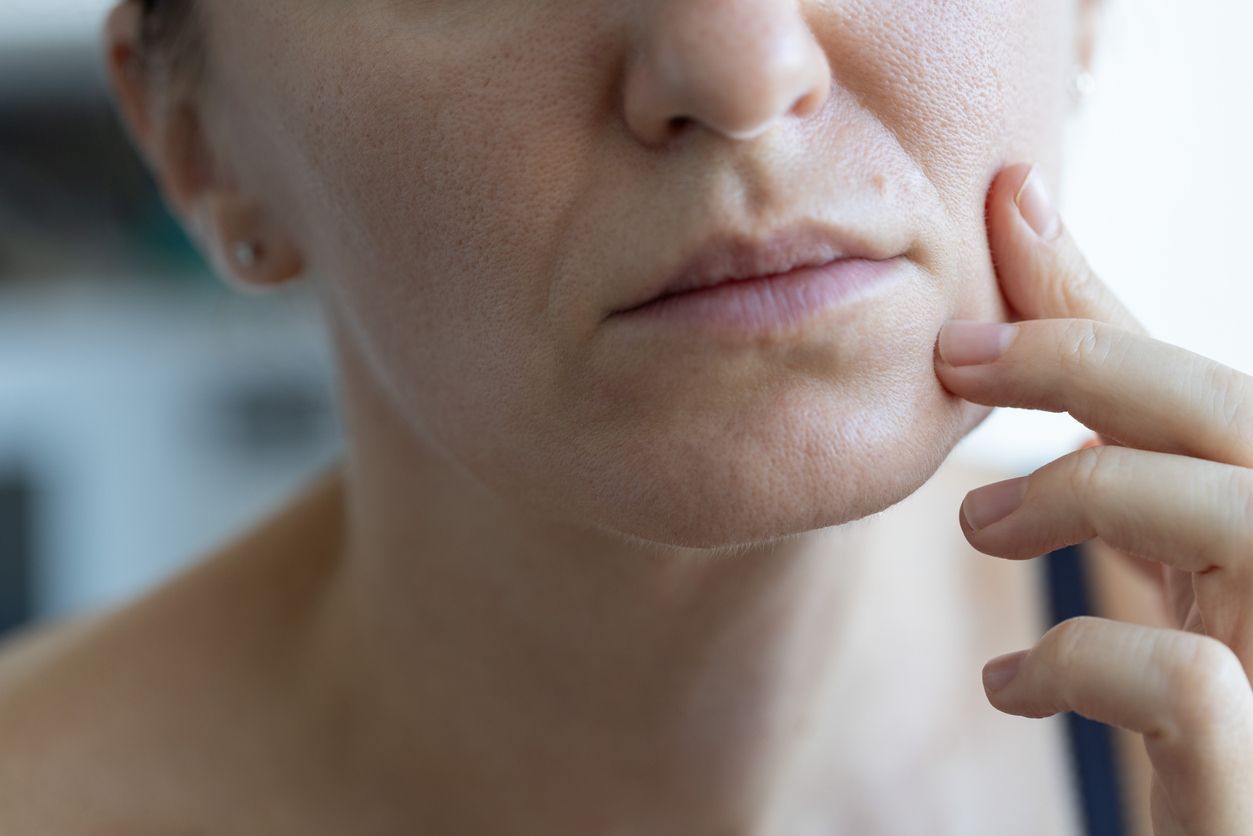
Pores are essential for skin respiration and oil regulation. However, several factors can cause them to expand and become more visible. To fix the problem, you must first understand what’s causing it.
1. Genetic Factors
Some people are simply born with larger pores — it’s mostly hereditary. If your parents have visibly enlarged pores, you’re likely to inherit that trait too. Still, with the right skincare and professional care, even genetically large pores can be visibly improved.
2. Environmental and Lifestyle Factors
Excess Sebum Production
Sebum acts as a natural moisturizer, but when too much oil builds up inside the pores, it stretches them open. During puberty or hormonal fluctuations, sebaceous glands become overactive. Stress, diet, and climate also play major roles.
Hot weather further stimulates sebum production, which is why pores often look larger in summer or humid environments.
Improper Cleansing
Cleansing is the foundation of healthy skin. Incomplete cleansing leads to clogged pores filled with dirt, oil, and dead skin cells, forming blackheads and whiteheads — which eventually make pores look bigger.
3. Unhealthy Habits and Diet
Late nights, high-sugar foods, and fried snacks are all bad news for your skin. Lack of sleep disrupts hormonal balance, stimulating sebum production; excess sugar accelerates skin aging; and greasy foods worsen congestion, making pores appear rougher and larger.
4. Insufficient Sun Protection
UV exposure is one of the biggest culprits of skin aging. Prolonged sun exposure breaks down collagen and elastin, weakening pore support and making them appear wider.
5. Aging and Collagen Loss
As we age, collagen and elastin in the skin gradually diminish, reducing firmness around pores and causing them to sag and look more prominent.
6. Over-Exfoliating or Squeezing Pimples
Aggressively squeezing blackheads or exfoliating too often can damage the skin barrier and even the dermal layer. This can lead to inflammation and scarring, leaving pores larger and more irregular in shape.
4 Common Types of Enlarged Pores — Identify Yours!
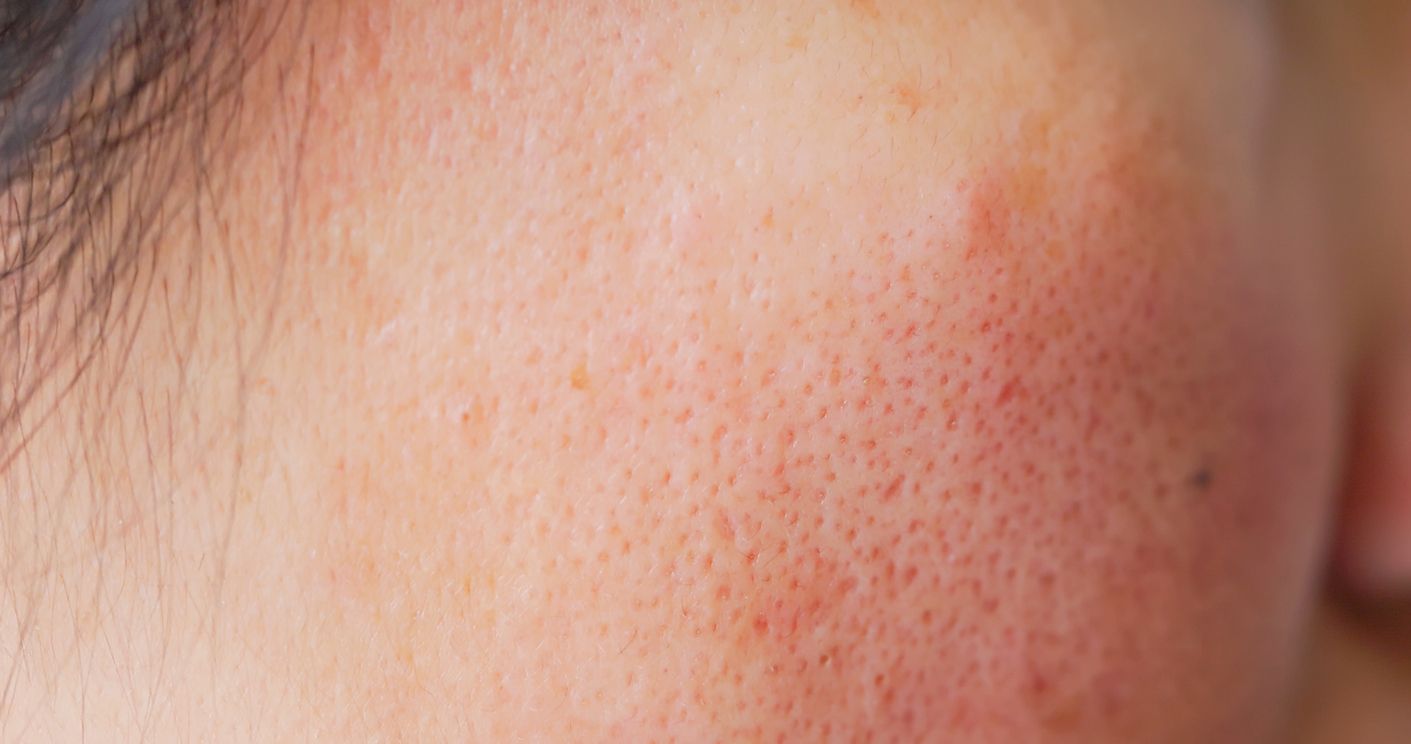
Not all enlarged pores are the same. Depending on the cause and appearance, they can be grouped into four main types:
1. Oily Type (Teardrop- or Oval-Shaped)
Common in the T-zone (forehead, nose, chin). Excess oil stretches pores into visible teardrop or oval shapes.
2. Clogged Type (Blackheads and Whiteheads)
Formed when oil, dirt, and dead cells block pores, resulting in blackheads (open comedones) or whiteheads (closed comedones). The buildup expands pores, making skin look rough and uneven.
3. Aging Type (U-Shaped or Sagging Pores)
As collagen decreases with age, skin loses elasticity around pores, creating a U-shaped, sagging appearance — especially on the cheeks and near the eyes.
4. Dehydrated Type (Drooping Pores)
When skin lacks hydration, the outer layer becomes rough and loses support, causing pores to look more pronounced.
Self-Check Tips
Observe the Shape
○ Teardrop/Oval → Oily Type
○ Black or White Dots → Clogged Type
○ U-Shaped/Sagging → Aging Type
○ Dry Surrounding Skin → Dehydrated Type
Touch the Skin
○ Rough texture → Clogged Type
○ Loss of bounce → Aging Type
○ Tight and dry → Dehydrated Type
Monitor Oil Production
○ Excess oil in T-zone → Oily Type
免費體驗
Acne Treatment
1 Minute Self-Registration
Date should not be before minimal date
The Complete Guide to Refining Pores — From At-Home Care to Professional Treatments
Once you identify your pore type, you can choose the right strategy to improve it.
1. At-Home Skincare Routine
Proper Cleansing – Use a gentle, non-stripping cleanser and wash with light circular motions. Avoid over-cleansing, which can disrupt the natural barrier. Always remove makeup thoroughly to prevent residue from clogging pores.
Regular Exfoliation – Helps remove dead skin cells and clear out congested pores. You can choose physical scrubs or chemical exfoliants like glycolic acid or salicylic acid. Don’t over-exfoliate — moderation is key.
Oil-Control Formulas – For oily pore types, look for skincare with sebum-regulating ingredients like niacinamide or tea tree extract to balance oil production.
Don’t Skip Hydration – Even oily skin needs moisture! Choose lightweight hydrating products or pore-tightening serums to maintain the skin’s water-oil balance.
2. Professional Aesthetic Treatments
(For reference only — consult a qualified aesthetic clinic or dermatologist.)
AHA/BHA Chemical Peels – Alpha or mandelic acid treatments promote skin renewal and unclog pores, revealing smoother texture.
Laser Treatments – Options like fractional laser, Pico laser, or Q-switched laser can stimulate collagen production and tighten skin around pores.
• Fractional Laser: Accelerates skin repair with micro-beams.
• Pico Laser: Targets deep pigment and uneven texture.
• Q-Switched Laser: Improves dullness and uneven tone for refined, luminous skin.
Microneedling – Uses fine needles to create micro-channels that trigger collagen regeneration, minimizing enlarged pores.
Collagen or Hyaluronic Acid Injections – Fill and smooth uneven skin texture, tightening the look of pores.
3. Lifestyle Habits to Support Pore Health
• Eat a balanced diet rich in fruits and vegetables; avoid greasy or sugary foods.
• Get enough sleep — late nights disrupt hormones and worsen oil imbalance.
• Exercise regularly to boost circulation.
• Apply sunscreen daily to protect against UV damage.
Still Can’t Figure Out What’s Causing Enlarged Pores?
Try Perfect Medical’s Acne Treatment — Painless, Non-Invasive, and Perfect for Beginners!
Not sure why your pores are enlarged? Don’t worry — Perfect Medical’s Acne Treatment can help!
This professional, non-invasive and pain-free treatment delivers deep cleansing and visible pore refinement without downtime or side effects — even first-timers can enjoy it safely.
By using patented dual-spiral suction and vacuum micro-dermabrasion technology, the treatment deeply clears impurities while regulating sebum production. It also stimulates collagen renewal, helping restore the skin’s balance and elasticity.
It’s ideal for anyone struggling with: acne, blackheads, enlarged pores, uneven tone, dehydration, or dullness. After just one session, skin feels smoother, fresher, and more refined.
免費體驗
Acne Treatment
1 Minute Self-Registration
Date should not be before minimal date
FAQ

1. Why are pores especially visible in the T-zone (forehead, nose, and chin)?
Because sebaceous glands are most concentrated in this area, oil buildup often leads to enlarged pores.
2. What causes enlarged pores?
Hormonal imbalance or environmental factors can disrupt the skin’s oil-water balance — when the skin is oily yet dehydrated, pores stretch and expand.
3. Is it only oily skin that has pore problems?
Not necessarily — all skin types can develop enlarged pores, even dry or mature skin due to aging.
4. What skincare habits help minimize pores?
Consistent use of oil-control or pore-refining serums helps maintain smoother skin texture.
5. Can toner actually shrink pores?
Astringent toners can temporarily tighten pores, but the effect is short-lived. Overuse may cause dryness or irritation.