- Home
- Trend
- Weight Loss Strategies
- Acne Tips
- Hair Health Information
- Blemish Removal Tips
- Acne Scar Removal Tips
- Muscle Building Techniques
- Intimate Care Tips
- Postpartum Intimate Care
- Eye Bags Wiki
- Tips for Face Slimming
- Secret of Permanent Hair Removal
- Breast Enlargement Tips
- Cure to Snoring
- Marionette Lines
- Skin-Tightening Secrets

“How do I get rid of blackheads?” — it’s a question that troubles almost everyone. These tiny, stubborn spots are incredibly clingy and hard to remove!
Blackheads are actually the precursors to acne — formed when sebum and impurities accumulate in pores before inflammation begins. They usually appear as whiteheads or dark dots on the skin, making your complexion look rough and uneven.
In this article, we’ll explain the two main types of comedones — closed and open — and share three dermatologist-approved treatments to manage excess oil and banish blackheads for good.

Two Types of Nose Blackheads: Closed vs. Open Comedones
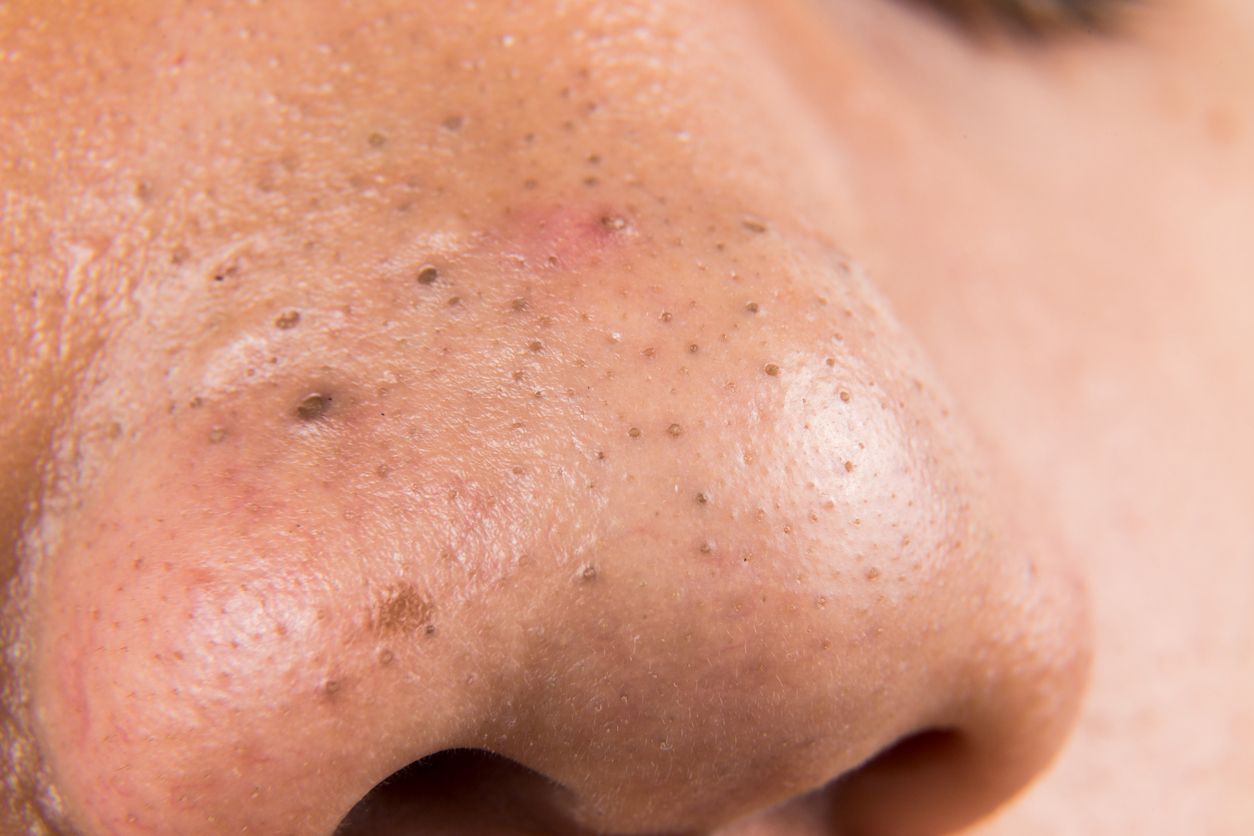
Closed Comedones
Also known as whiteheads or clogged pores, these form when pores become blocked by sebum and dead skin cells but remain covered by a thin layer of skin.
Because the pore opening is sealed, the trapped material isn’t exposed to air — hence it stays white or flesh-colored, appearing as small bumps that feel slightly rough to the touch. They often show up on the forehead, chin, cheeks, and around the mouth.
Whiteheads are an early stage of acne — they’re not inflamed yet, but if cleansing and exfoliation are neglected, they can easily develop into red, swollen pimples or pustules.
Open Comedones
Open comedones are pores that remain open, allowing the trapped oil and debris to contact air. This exposure causes oxidation, turning the surface dark — what we know as blackheads.
They’re most common on the nose, sides of the nose, and chin, where oil production is most active.
While blackheads don’t usually become inflamed, leaving them untreated can enlarge pores and lead to rough, uneven texture.
4 Major Causes of Blackheads — A Closer Look at How They Form
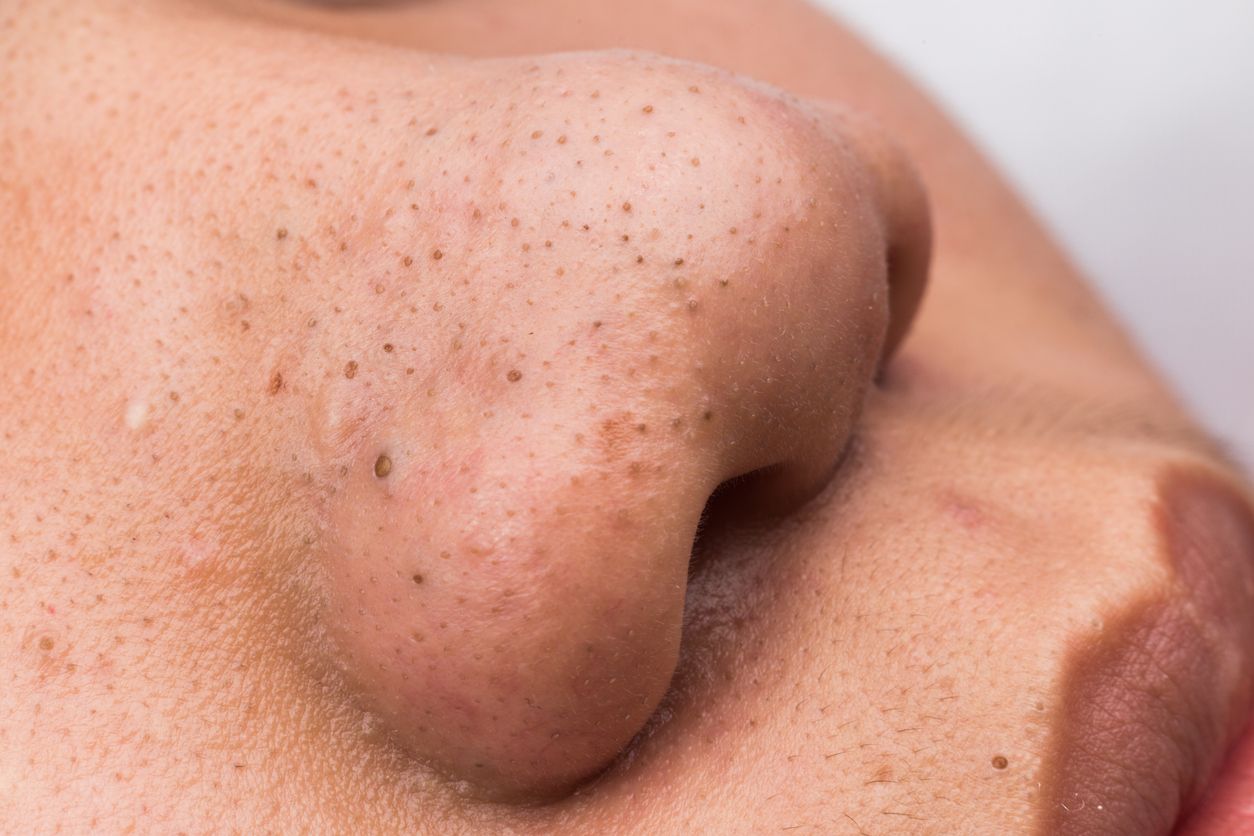
Cause 1. Excess Sebum Production
Your sebaceous glands act like your skin’s “oil stations,” secreting sebum to moisturize and protect the skin barrier. But when production goes into overdrive, pores get clogged, creating blackheads.
Factors affecting oil production include:
• Genetics: Your skin type and sebaceous activity are largely inherited.
• Hormones: Hormonal changes during puberty, menstruation, or pregnancy can all increase sebum output.
• Diet: High-fat, high-sugar, or spicy foods can stimulate the sebaceous glands.
• Stress: Chronic stress disrupts hormones and leads to excess oil production.
Cause 2. Accumulation of Dead Skin Cells
Skin cells constantly renew, and old ones naturally shed. But when keratin metabolism slows, dead skin cells build up at the pore openings, forming a barrier that traps oil underneath — the perfect environment for blackhead formation.
Cause 3. Oxidation at the Pore Surface
This only applies to blackheads. When sebum and dead skin cells are exposed to air, oxidation occurs, turning them dark. It’s similar to how a sliced apple turns brown when left out — a natural chemical reaction.
Cause 4. Other Contributing Factors — Habits & External Irritants
Aside from internal causes, poor habits and environmental influences can worsen blackheads:
• Improper skincare: Over-cleansing or using harsh products damages the skin barrier and triggers more oil.
• Environmental pollution: Dirt and humidity clog pores easily.
• Residual makeup: Not cleansing makeup thoroughly leaves buildup inside pores.
• Pimple squeezing: Using your fingers to extract blackheads causes inflammation and scarring.
免費體驗
Acne Treatment
1 Minute Self-Registration
Date should not be before minimal date
Who’s Most Prone to Blackheads? 4 High-Risk Groups to Watch Out For
1. Oily Skin
Those with oily skin have overactive sebaceous glands that produce excess sebum. This mixes with dead skin cells to form plugs, which oxidize into blackheads. With naturally larger pores, this skin type is the most common blackhead-prone group.
2. Combination Skin
Combination skin typically shows excess oil in the T-zone (forehead, nose, chin) but dryness on the cheeks. This makes the nose and chin the prime areas for blackhead buildup.
3. Teenagers
During puberty, hormonal surges increase sebaceous gland activity, leading to heavy oil production and clogged pores. With faster metabolism but less developed skincare habits, teens often experience both blackheads and acne.
4. Men
Men’s skin tends to be thicker, with more active oil glands — hence more prone to blackheads. In addition, many men neglect exfoliation or deep cleansing, causing oil buildup and visible pore congestion.
How to Banish Blackheads for Good: 3 Proven Dermatologist-Backed Treatments
1. Daily Skincare — Build a Solid Foundation
• Gentle Cleansing: Use a mild cleanser and avoid over-washing. Twice daily is enough.
• Regular Exfoliation: Exfoliate 1–2 times per week with scrubs, chemical exfoliants, or acid-based formulas (AHA, BHA) to clear dead skin and unclog pores.
• Don’t Skip Moisturizer: Even oily skin needs hydration. Choose lightweight, oil-free products to balance sebum.
• Right Skincare Formulas: Opt for non-comedogenic, oil-free products with salicylic or fruit acids to dissolve oil and debris in pores.
• Always Use Sunscreen: Protects skin from UV damage and helps prevent enlarged pores.
2. Lifestyle Adjustments — Heal Your Skin from Within
• Eat Clean: Avoid greasy or sugary foods; eat more fruits, veggies, and antioxidant-rich foods.
• Sleep Well: Staying up late disrupts hormones and increases oil production.
• Reduce Stress: Emotional stress worsens hormonal imbalance and breakouts.
3. Aesthetic & Medical Treatments — Professional Deep Cleansing
If regular skincare isn’t enough, professional treatments can help:
• Mandelic or Glycolic Acid Peels: Dissolve oil and dead cells to promote healthy skin renewal.
• Laser Therapy: Targets blackheads and refines pores with precision.
• Vacuum Extraction: Uses suction technology to remove dirt and sebum from pores.
Always consult a dermatologist to determine the most suitable treatment and understand potential risks or side effects.
Pores Clogged by Blackheads? Try Perfect Medical’s Acne Treatment — Safe, Painless, and Highly Effective!
Struggling to completely eliminate blackheads? Meet your ultimate solution — the Perfect Medical Acne Treatment, designed for deep cleansing, oil balance, and pore refinement.
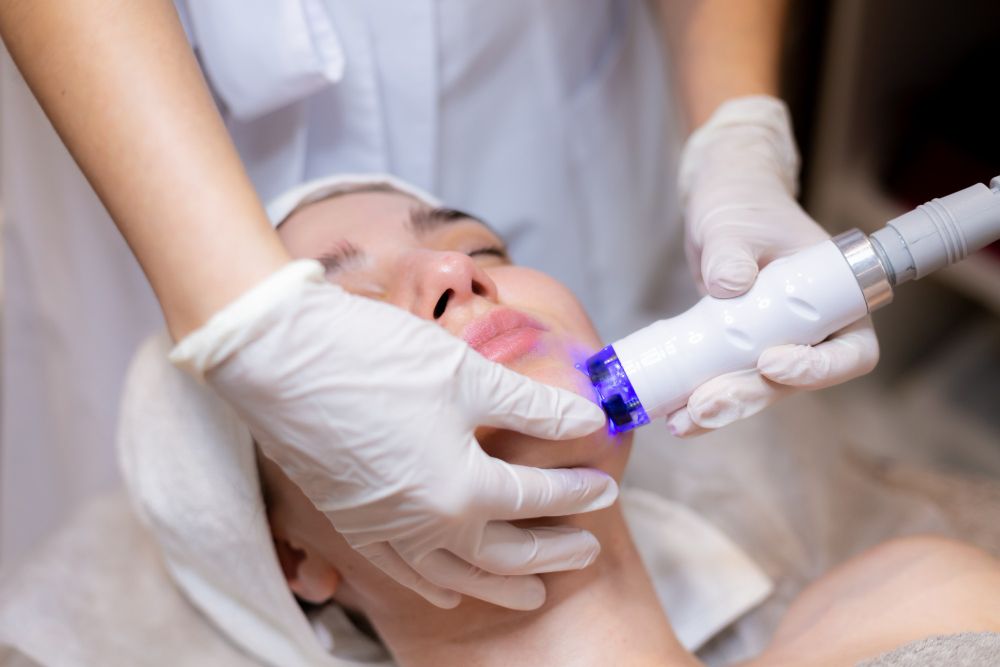
Using advanced dual spiral suction and vacuum dermabrasion technology, this treatment gently yet effectively removes both closed (whiteheads) and open (blackheads), unclogs pores, and exfoliates dead skin.
It also helps rebalance sebum, stimulate collagen, and restore skin clarity and smoothness — leaving you with a refined, healthy glow. Sign up today to enjoy professional skin analysis + Perfect Medical Acne Treatment!
免費體驗
Acne Treatment
1 Minute Self-Registration
Date should not be before minimal date
FAQ

1. What are comedones?
Comedones include open blackheads and closed whiteheads that form before inflammation.
2. Why do pores get clogged?
Pore blockage is usually caused by accumulated oil, dead skin, and debris trapped inside hair follicles.
3. What causes comedones?
Lack of exfoliation and excess sebum buildup are the main culprits.
4. What do whiteheads look like?
They may appear as small, skin-colored bumps (closed comedones) or white dots on the nose.
5. What are typical blackheads?
They are oxidized whiteheads exposed on the skin surface — small dark dots, usually on the nose.